
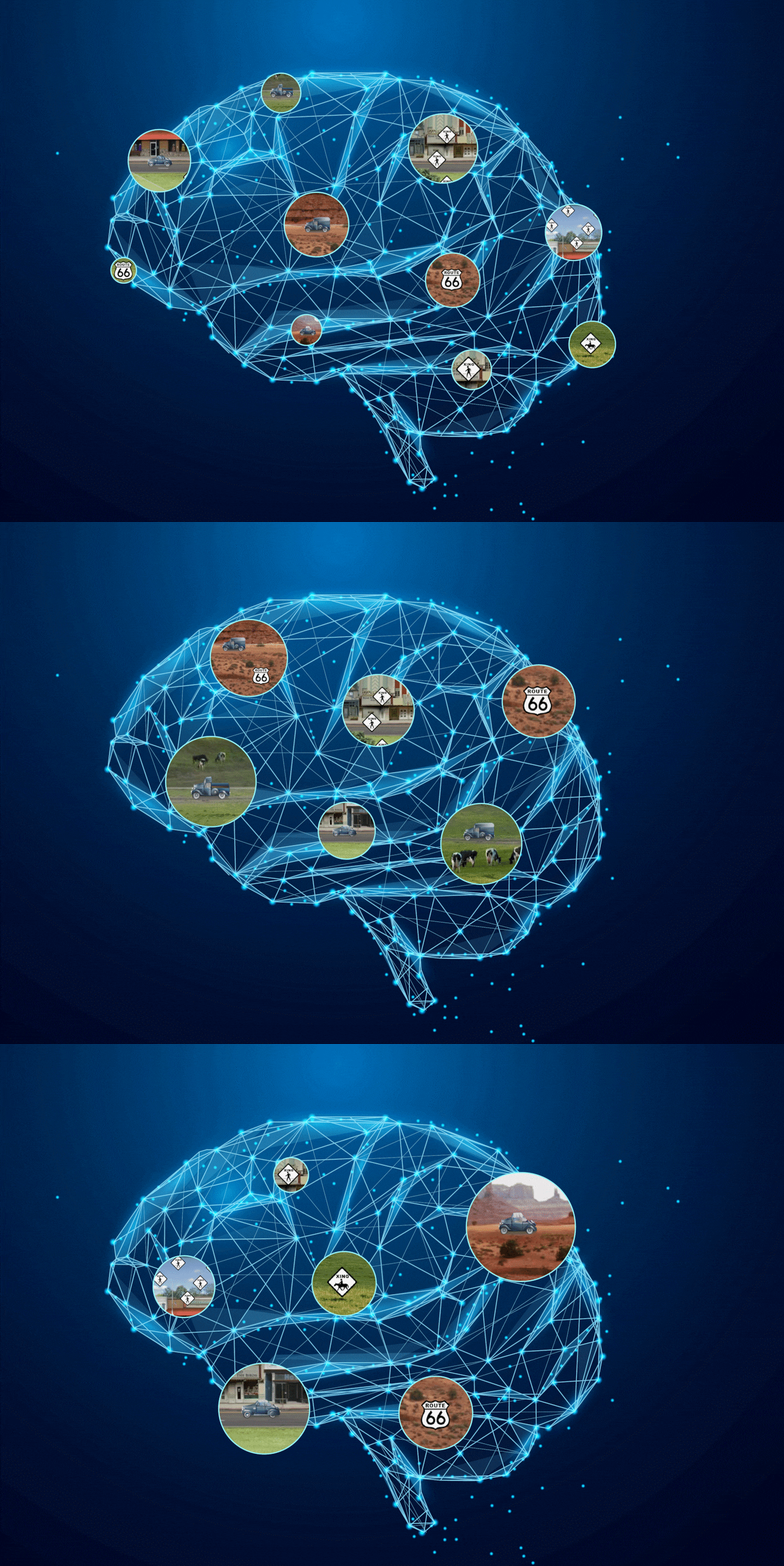
People who spent about two hours a week pinpointing flashing objects on a computer screen dramatically lowered their risk of dementia — including Alzheimer’s — 20 years later.
The findings, published Monday, are from a study that enrolled 2,800 healthy adults ages 65 and older across six states, including Massachusetts, beginning in the late 1990s.
“The idea that a behavioral, experimental intervention delivered 20-plus years ago can have an effect on the cognitive health of people over 20 years is kind of amazing,” said Richard N. Jones, a Brown University psychiatry professor who was one of the original researchers and remains on the study team.
As the population ages, researchers are urgently studying ways to reduce dementia because it continues to exact a heavy toll in the nation.
More than 7 million Americans are living with Alzheimer’s. And that figure is expected to nearly double to almost 14 million by 2060, with a new person developing the mind-robbing illness every 65 seconds, according to the Alzheimer’s Association.
In the study, called ACTIVE, participants were randomly assigned to one of three training groups or a control group that received no brain training.
The speed training group pursued computerized visual speed and attention training. It involved quickly selecting objects, such as cars and trucks, as they appeared briefly amid other patterns. Two other groups — one that focused on memory and another on reasoning — learned strategies, such as how to recall words or recognize patterns in travel schedules, to help with those activities.
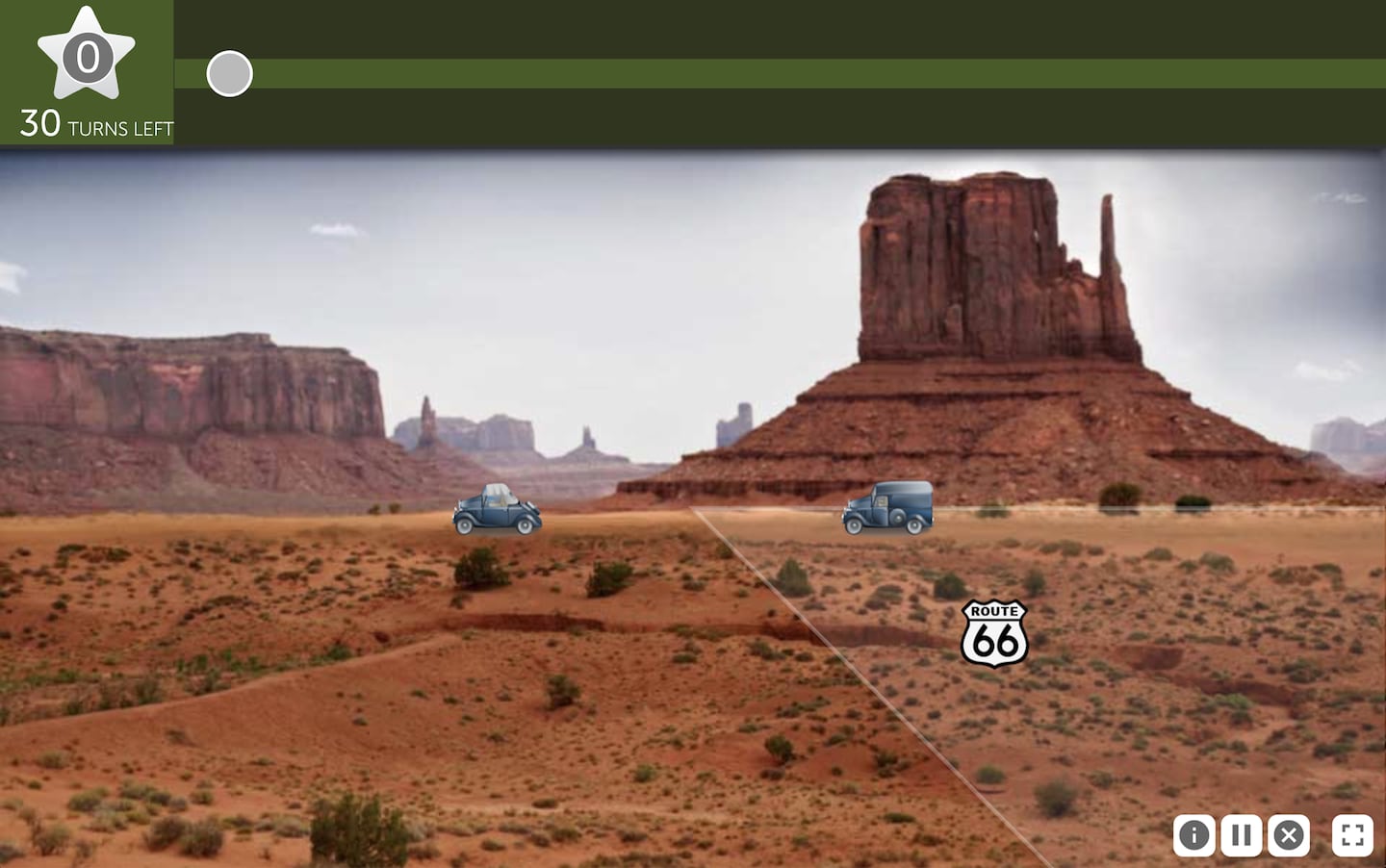 Double Decision, a computer-based brain training, exercises speed, divided attention, and peripheral vision by focusing on one of two center targets and one on the periphery; as speed increases, center targets get more similar and peripheral distractions multiply.BrainHQ
Participants were initially assigned five weeks of training, twice a week, for about an hour per session. Then, approximately half of the participants in each training group were randomly chosen for eight additional booster sessions, with four at the end of the first year, and another four after the third year of the study.
For ACTIVE’s 20-year follow-up, researchers scoured participants’ medical records through Medicare to determine which participants were diagnosed with Alzheimer’s or a related dementia.
They found those assigned to the memory and reasoning training showed no significant reduction in Alzheimer’s risk. But those assigned to speed training, plus booster sessions, showed the 25 percent lower risk, compared to those who were in the control group and received no brain training.
Researchers don’t know precisely why brain training for speed is linked to lower Alzheimer’s and dementia risks, while memory and reasoning training is not. But they theorize that speed training, unlike that for memory and reasoning, drives a specific change in the brain, called procedural learning. Similar to learning how to ride a bicycle, procedural learning rewires the brain across visual, motor, and other systems. It teaches a skill that, once learned, is not forgotten and can be easily resumed years later.
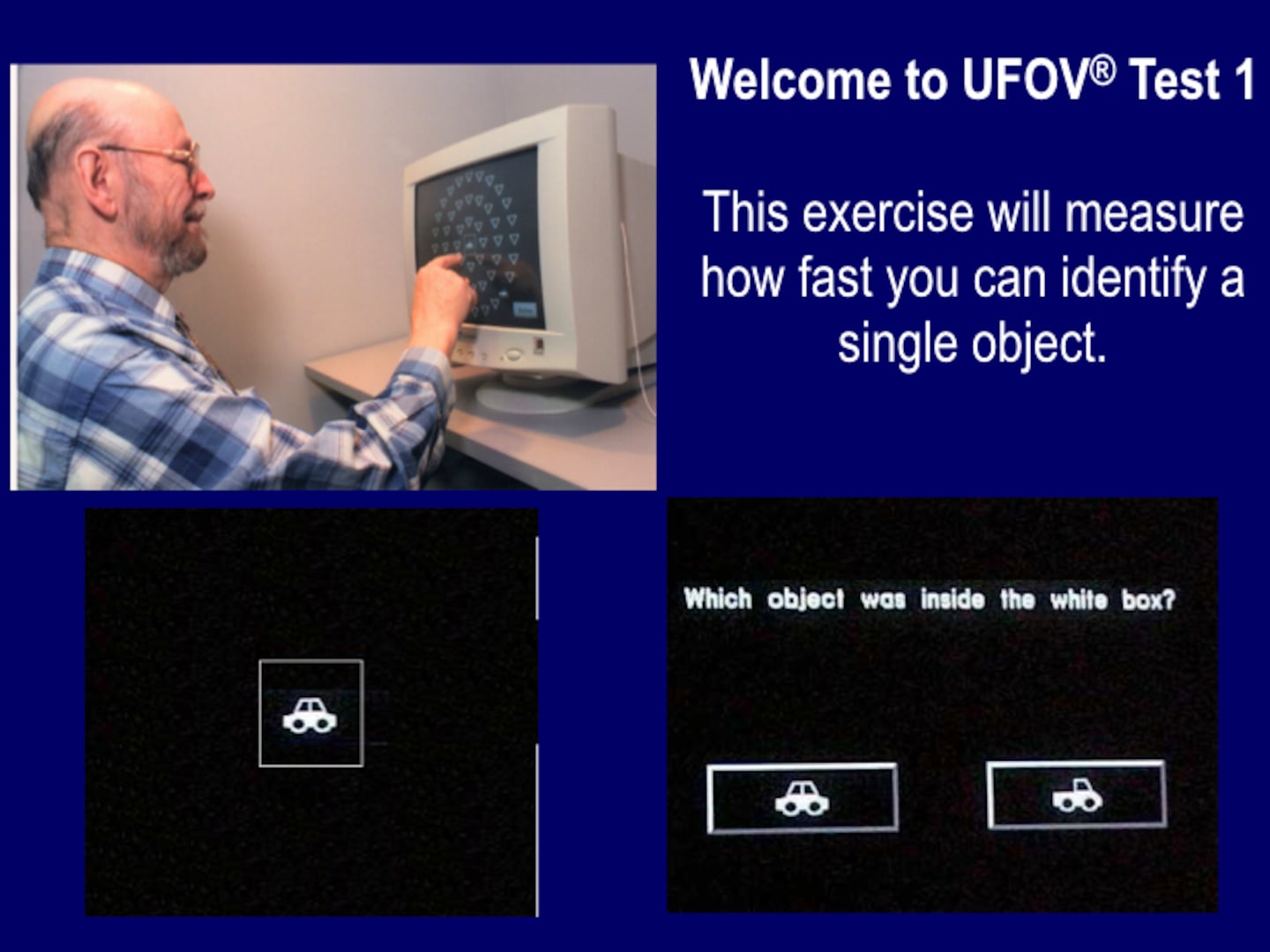 Speed training was demonstrated 20-plus years ago in the ACTIVE study. Dr. Daniel Roenker
The speed training used in ACTIVE was originally developed to help older people keep driving safely. It focused on improving visual speed and accuracy. Researchers suspected from the start that speed training would help with driving because they knew that as we age, the brain slows in its ability to process information.
Notably, other studies have found that older adults who participated in speed training were involved in fewer at-fault car crashes.
Here’s how brain training for speed works
This is the training, called Double Decision from BrainHQ, that’s similar to the one used in the ACTIVE study.
Since the study launched, Posit Science acquired the technology and updated the software, now called Double Decision by BrainHQ. The version available today for consumers is considerably more sophisticated than what volunteers used in the study. The company is working with one of the original researchers, who is among the authors of the latest paper. She serves as a consultant to Posit Science and owns stock in the company.
Researchers have yet to study whether such brain training will help adults younger than those in the ACTIVE trial lower their risk of dementia.
Kim Willment, a clinical neuropsychologist at Brigham and Women’s Hospital who teaches people with early dementia or brain injuries how to boost their attention, tries to get her patients to use Double Decision speed training because she believes it can help some. But Willment, who was not involved in the ACTIVE study, has encountered hurdles because patients perform the sessions alone at home. The study conducted the brain training in small groups of two to four people, with a guide to help.
“Sometimes, when I send people to this particular Double Decision task, they go there, and it’s hard for them to get into it,” she said. “It’s hard for them to understand, but with some support and some guidance, people can do it.”
The brain training exercises on Double Decision are designed to grow progressively more challenging — the objects move faster, and there are more of them — as a user masters each level, and it’s this adaptive function that is believed to help boost cognitive capacity.
Emma Duerden, a neuroscience and learning disorders researcher at Western University in Ontario who was not involved in the ACTIVE study, isn’t keen on computer brain training because it’s sedentary. There are other activities, she said, that can mimic such brain training, such as pickleball, which requires players to focus on a fast-moving ball while also being aware of where their partner is in the periphery.
“I thought the ACTIVE study was a very strong study and carefully done,” she said. “But there are other things we can do to lower dementia risk, like getting adequate sleep at night.
“For brain training games, it’s not a one-size-fits all solution for everybody,” Duerden added. “But yes, we have to use our brains and keep them active.”
Other brain training studies have shown mixed results.
Willment and other researchers not involved in the ACTIVE trial noted some caveats to the study’s findings. For one, ACTIVE participants were healthy older adults who may not be representative of the general aging population. Similarly, those selected for the effective booster training sessions were the ones who were able to first complete at least eight initial speed training sessions. It’s possible those who did not complete the initial training were compromised in some way, which means those with some cognitive problems may not benefit from such speed training.
The specialists also noted many other ways can lower dementia risk.
Two years ago, the Lancet Commission, a group of experts in brain health and aging, published a landmark dementia prevention analysis that noted, “The potential for prevention is high and, overall, nearly half of dementias could theoretically be prevented by eliminating … 14 risk factors.”
Their list includes addressing vision and hearing loss, as well as reducing high cholesterol, blood pressure, and obesity, and encouraging exercise and “cognitively stimulating activities in midlife.”
It did not, however, specifically endorse brain training.
Kay Lazar can be reached at kay.lazar@globe.com Follow her @GlobeKayLazar.