
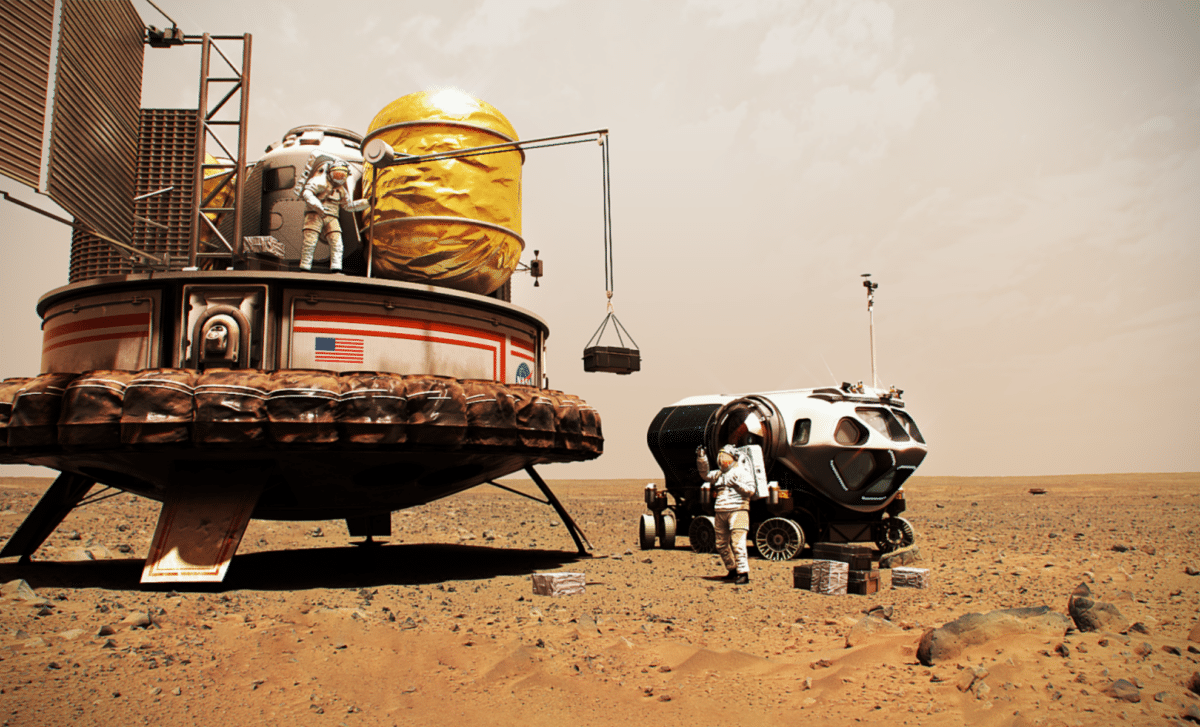
NASA has set its sights on sending astronauts to Mars sooner than most people realize. The ambitious plans include preparing for crewed missions in the coming decades, with a focus on technology, sustainability, and the exploration of the Red Planet. While the exact timeline remains uncertain due to numerous challenges, NASA is aiming for a Mars mission within the 2030s. In this article, we will explore the steps, obstacles, and groundbreaking advancements that will shape NASA’s journey to Mars.
NASA’s Plans for Mars: The Vision of Human Exploration
NASA’s plan to sendhumans to Mars is one of the most exciting and ambitious space missions in history. The timeline for sending astronauts to Mars has been set for the 2030s, but a lot needs to happen before we see humans set foot on the Red Planet. There are many technological and logistical challenges to overcome, including ensuring astronauts’ safety, developing sustainable habitats, and understanding how to navigate the harsh Martian environment.
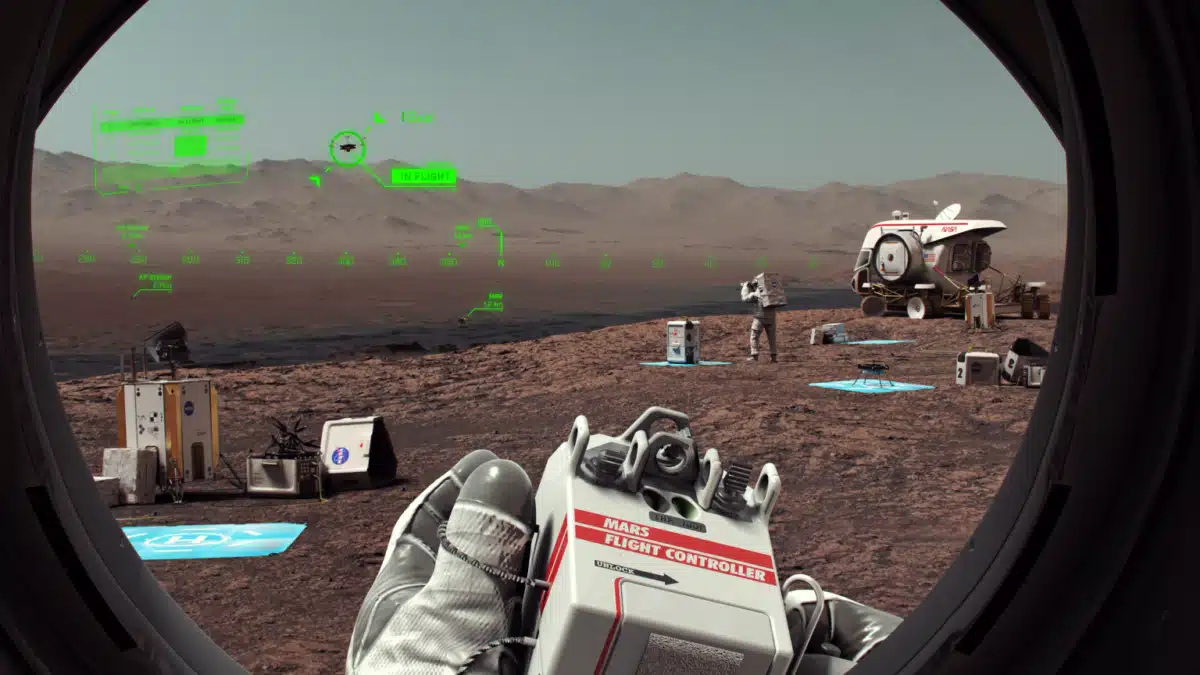 Human explorers on Mars will use a range of tools to uncover the mysteries of the Red Planet.
Credit: NASA
The mission is expected to build on existing technology from NASA’s Artemis program, which aims to return astronauts to the Moon. The Moon serves as a testing ground for the Mars mission, helping NASA refine the necessary skills and tools for deep space exploration.
NASA’s Mars Timeline: A Vision of the Future
NASA’s journey to Mars is set to unfold over the next decade, but it’s not as simple as launching a spacecraft. Much of the timeline depends on advancements in technology, including propulsion systems that can carry humans safely across the vast expanse of space. The first phase of NASA’s Mars program will focus on developing the necessary infrastructure, including launch vehicles, spacecraft, and life-support systems.
The spacecraft designed to take astronauts to Mars will need to be capable of extended space travel, which presents challenges related to life support, radiation protection, and fuel efficiency. There are numerous steps before humans can set foot on Mars, but NASA is confident that with the right technology and planning, it can achieve this monumental goal.
The Moon: NASA’s Launchpad for Mars Exploration
Before humans can embark on a mission to Mars, NASA’s Artemis program will send astronauts back to the Moon. This lunar exploration is critical for developing the technologies that will be required for the Mars mission. The Moon’s proximity to Earth makes it an ideal location for testing new space systems and conducting research in a controlled environment before heading to Mars.
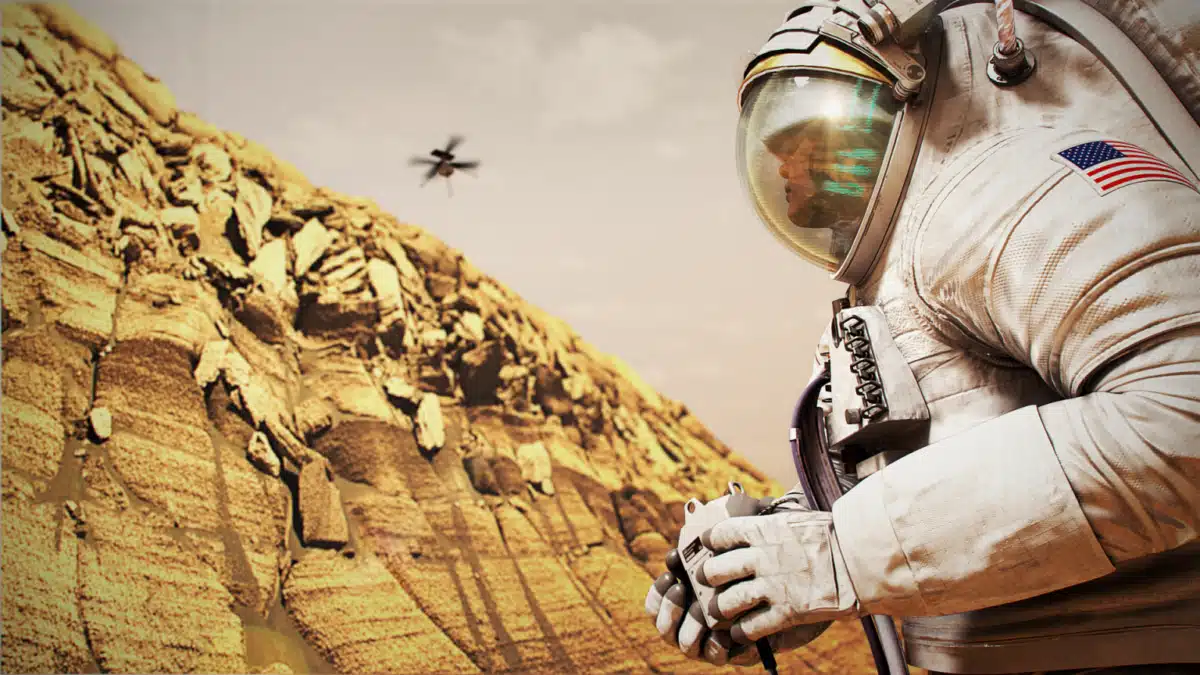 Image credit: NASA
NASA’s Artemis program aims to land the first woman and the next man on the Moon by 2025, with the goal of establishing a sustainable presence. This will provide NASA with valuable experience in deep space exploration, which is essential for a successful Mars mission.
Technological Breakthroughs Needed for Mars Missions
Sending humans to Mars is not just about rockets and spaceships, it requires overcoming many technological hurdles. NASA is developing advanced propulsion technologies that can drastically reduce the time it takes to travel to Mars. This includes research into nuclear thermal propulsion, which could provide more efficient ways to travel through space.
Additionally, NASA is working on life support systems that can ensure astronauts’ survival for extended periods in space. These systems will need to recycle air, water, and food, while also protecting against the harmful radiation in deep space. Moreover, innovative solutions for energy generation, such as solar power and nuclear power, will be crucial for keeping astronauts and equipment running on Mars.
Astronaut Safety: The Biggest Challenge for Mars Exploration
One of the greatest challenges NASA faces in sending humans to Mars is ensuring astronaut safety. The journey to Mars will take about six to nine months, and astronauts will need to endure the harsh conditions of deep space, including radiation exposure and microgravity. NASA is working on developing shielding that can protect astronauts from cosmic radiation, which poses a significant risk to their health.
The long duration of the mission also means that astronauts will need to be self-sufficient, able to deal with medical emergencies, and capable of performing their own repairs on the spacecraft. The technology required to protect astronauts and ensure their safety is among the most critical for a successful Mars mission.
NASA’s Gateway: Mars Habitats and Sustainability
Once astronauts reach Mars, they will need a habitat to live in. NASA is developing concepts for Mars habitats that can sustain human life for long periods. These habitats will need to be fully equipped with systems to provide oxygen, food, and water. They will also need to protect astronauts from the extreme temperatures and dust storms that are common on Mars.
One proposed solution is the use of in-situ resource utilization (ISRU), which involves creating resources like water and oxygen from the Martian environment itself. This approach will reduce the reliance on supplies sent from Earth, making the mission more sustainable. Additionally, these habitats will need to be capable of expanding as more astronauts arrive and the mission grows over time.