
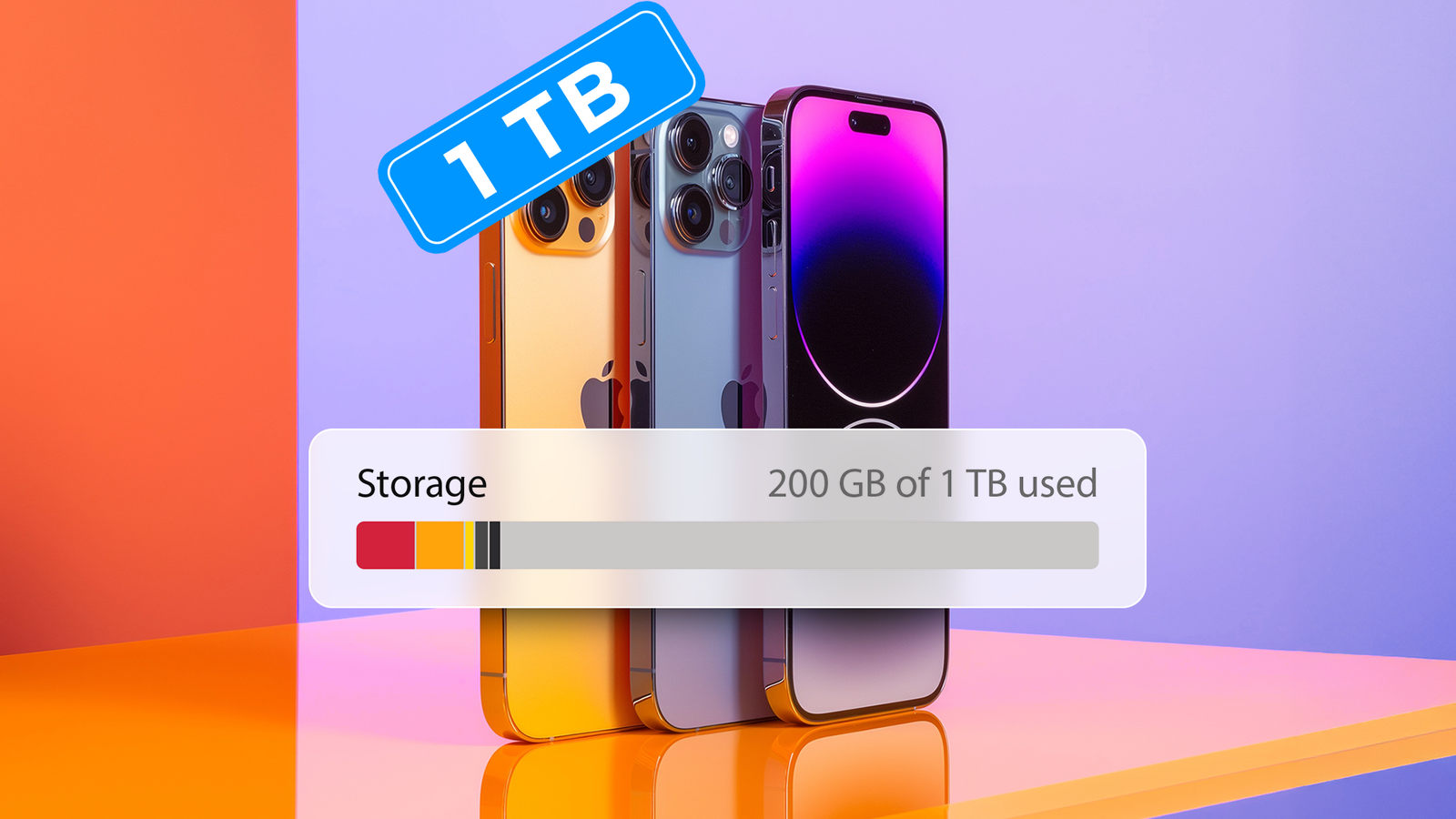
I currently own a 1TB iPhone 14 Pro, and even at the time I bought it I thought to myself “this is stupid”, but because of circumstances it was the only option, and so now I have been living with this massive phone storage for about three years.
As time went by, and especially in light of recent events, I don’t feel nearly as dumb as I did the day I ordered the phone. In fact, back then I almost canceled that order! But today it turns out it was a smart move that I sadly can’t take credit for retroactively.
How I ended up with a 1TB iPhone in the first place
I guess I have to start off by explaining why exactly I bought a phone with such a ridiculous size in the first place. The short answer is that I had decided to switch to an iPhone and I wanted a 14 Pro, but at the time all of the smaller options were sold out with a two-month waiting period. So why not just wait? Well, like a lot of people, I get my phone subsidized through a contract and when the time comes for a handset upgrade, you have to pick from the phones that are available.
While Apple certainly charges an unreasonably higher price for more storage, since the contract is spread over three years the monthly difference wasn’t really significant. Also, if you factored in the value of the talk time and mobile data, the phone still worked out cheaper than buying a smaller model cash.
The moment I realized that “overkill” storage was actually futureproofing
So, after three years of ownership, how much of that space did I actually use? Have a look:
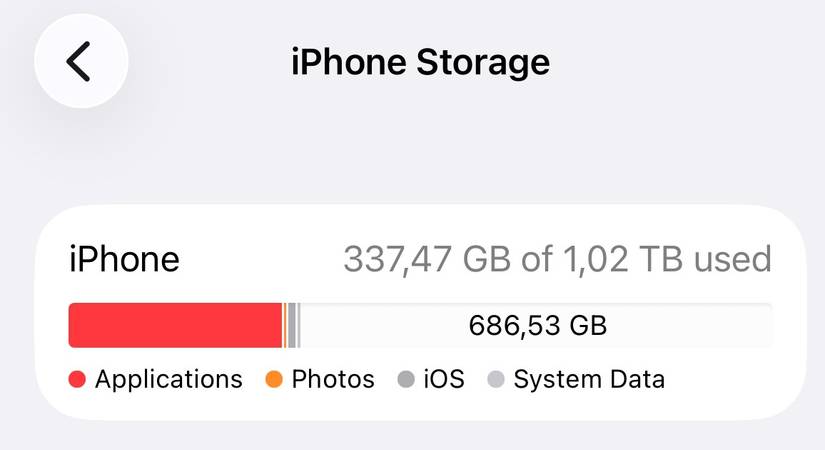
Yeah, there’s still lots of space left, though the phone has been fuller depending on how many Netflix or YouTube downloads I have loaded, which is useful for when I go on a trip. As you can see from the breakdown, most of that space is taken up by apps, and the biggest of those are video games. However, unlike my 512GB iPad Pro, I have never had to delete apps or otherwise manage my phone’s storage in the three years I’ve owned it.
And that’s the thing. I have every app I could possibly want installed on this device, and I’ve also changed my camera settings to capture with the least lossy options. I like taking macro photos and losing as much compression as possible really helps with the detail. The same goes for taking videos, I just don’t think of the storage anymore and record the best video quality I can.
Why my 14 Pro still feels like a high-end phone three years later
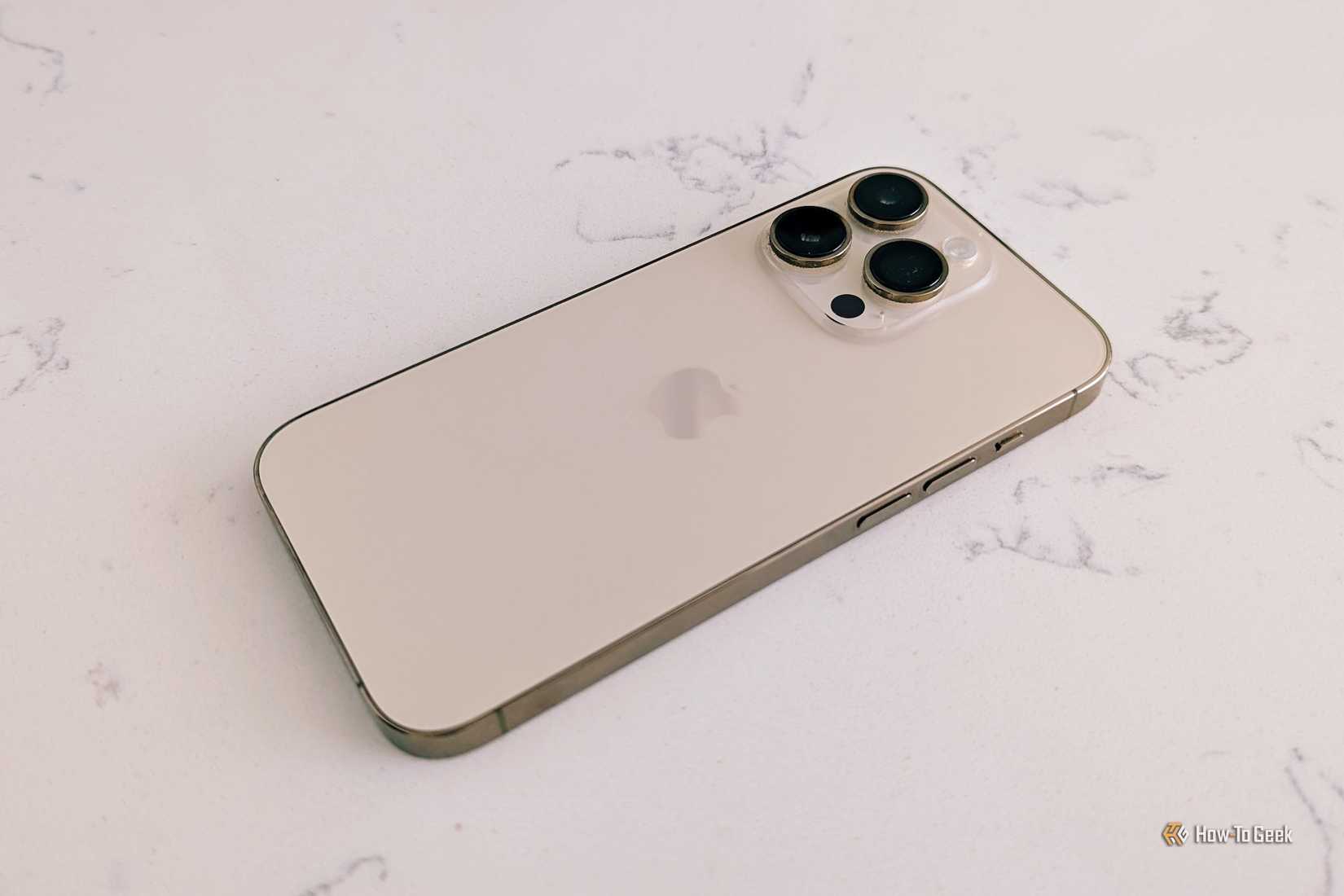
Credit: Tyler Hayes / How-To Geek
For the first time that I can remember, I feel zero pressure to replace my phone with a new one, and that’s largely thanks to Apple’s A16 Bionic. There’s just nothing I would want to run that this chip can’t handle, even though we are now on the iPhone 17 generation. Apple’s chips have always been a little ahead of the curve, so I’m still getting flagship performance three generations later and it’s hard to see what a newer phone would bring in terms of meaningful performance improvements.
Given that Apple’s promising at least another three years of iOS updates for this phone, I think this will be the first phone I’ll use for six years, and the first time in over 15 years I’ll let a phone contract lapse. The one thing that might have pressured me into buying a new phone, as it has in the past, was running out of storage space. But in this case, I had already taken that leap three years ago, increasing my storage from 256GB on my prior phone to a full terabyte with the iPhone 14 Pro.
The real twist: Storage prices are climbing again
If I look at the cost of ownership of my iPhone over two years, removing the cost of a second new phone, then actually the price premium for the extra storage is essentially nothing. Yes, the cost was front-loaded, but the total cost goes down the longer I keep using the phone.
The only expense I’m looking at is about $100 to get the battery replaced. After three years of normal daily use my iPhone has now just dipped under the 80% capacity level where a replacement is warranted.
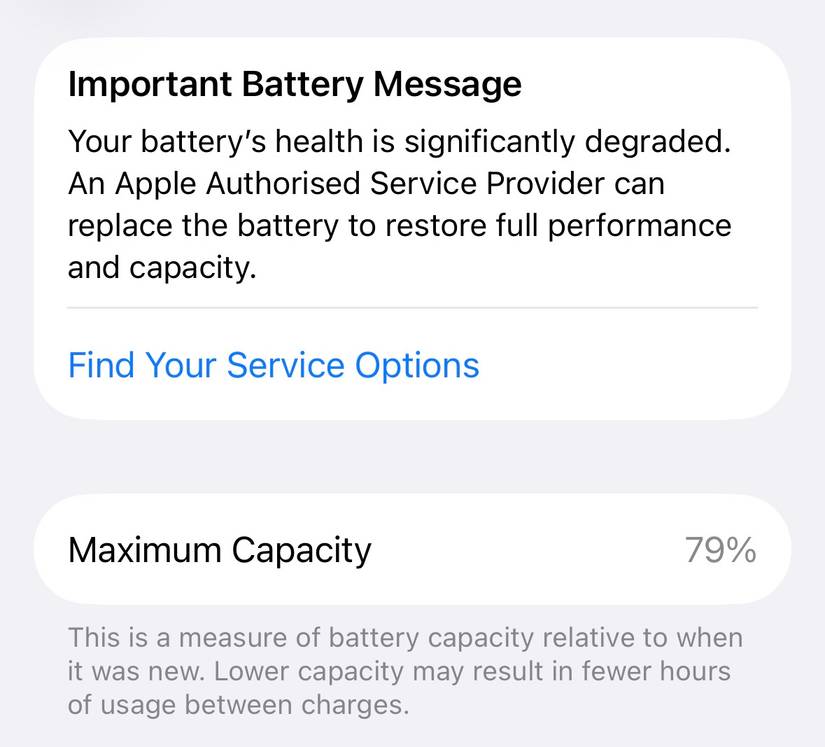
After that $100, considering the rest of the phone is in pristine condition, I expect at least another three years of service from it. This is especially relevant when you consider that the cost of flash memory is rising along with RAM and other computer components, thanks to incredible demand from the AI industry. While it hasn’t affected phone prices too much as I write this, I expect the ripples from the supply chain disruption to hit smartphones sooner rather than later, in which case don’t be surprised if microSD card support suddenly comes back!
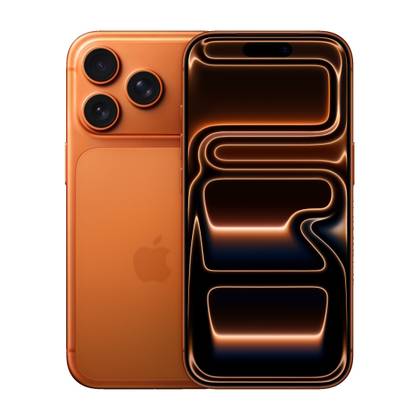

8/10
SoC
A19 Pro chip
Display
6.3-inches
Storage
256GB, 512GB, or 1TB
Ports
USB-C