
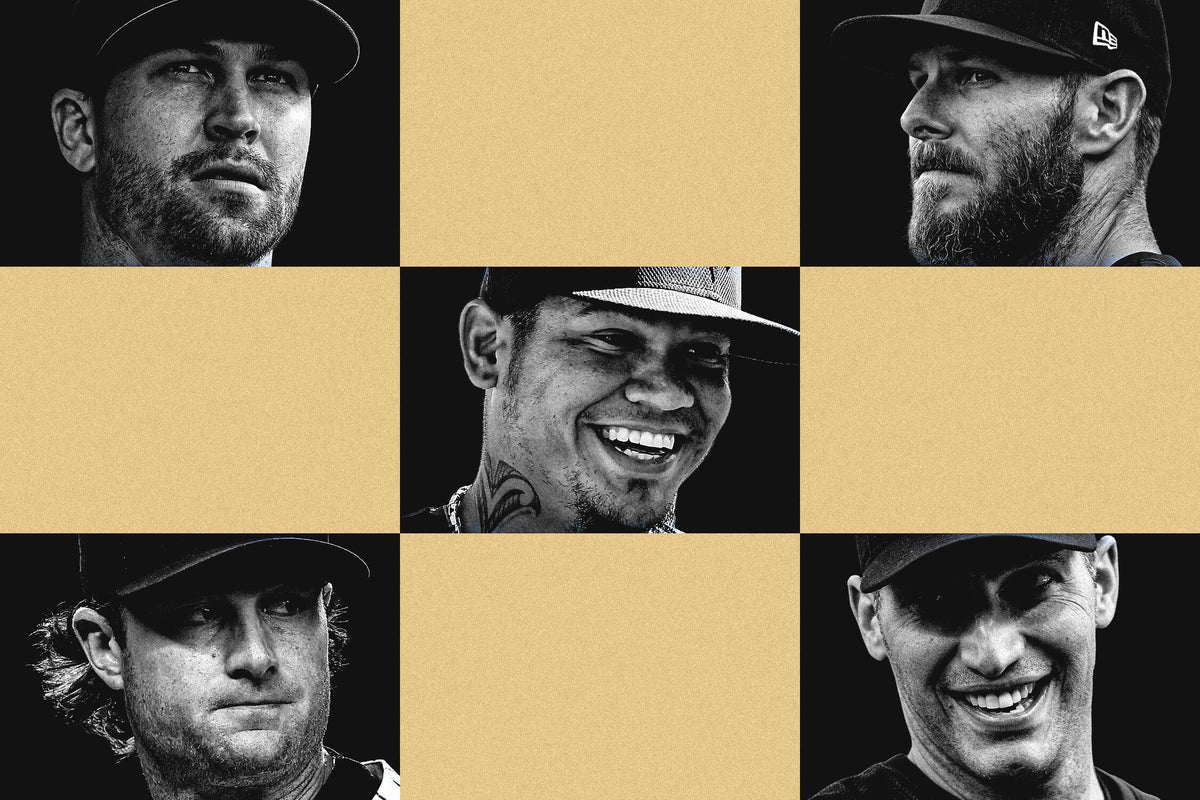
A hundred years ago, didn’t the whole world know a Hall of Fame starting pitcher when it saw one?
Wait. Let’s rephrase that, if only because 100 years ago, nobody had remembered to invent the Hall of Fame yet.
So instead let’s ask: 80 years ago, didn’t the whole world know a Hall of Fame starting pitcher when it saw one? Sure it did, because before 1946, there were only five of them — and they all looked kinda like this guy.
Or this guy.
Or this guy:
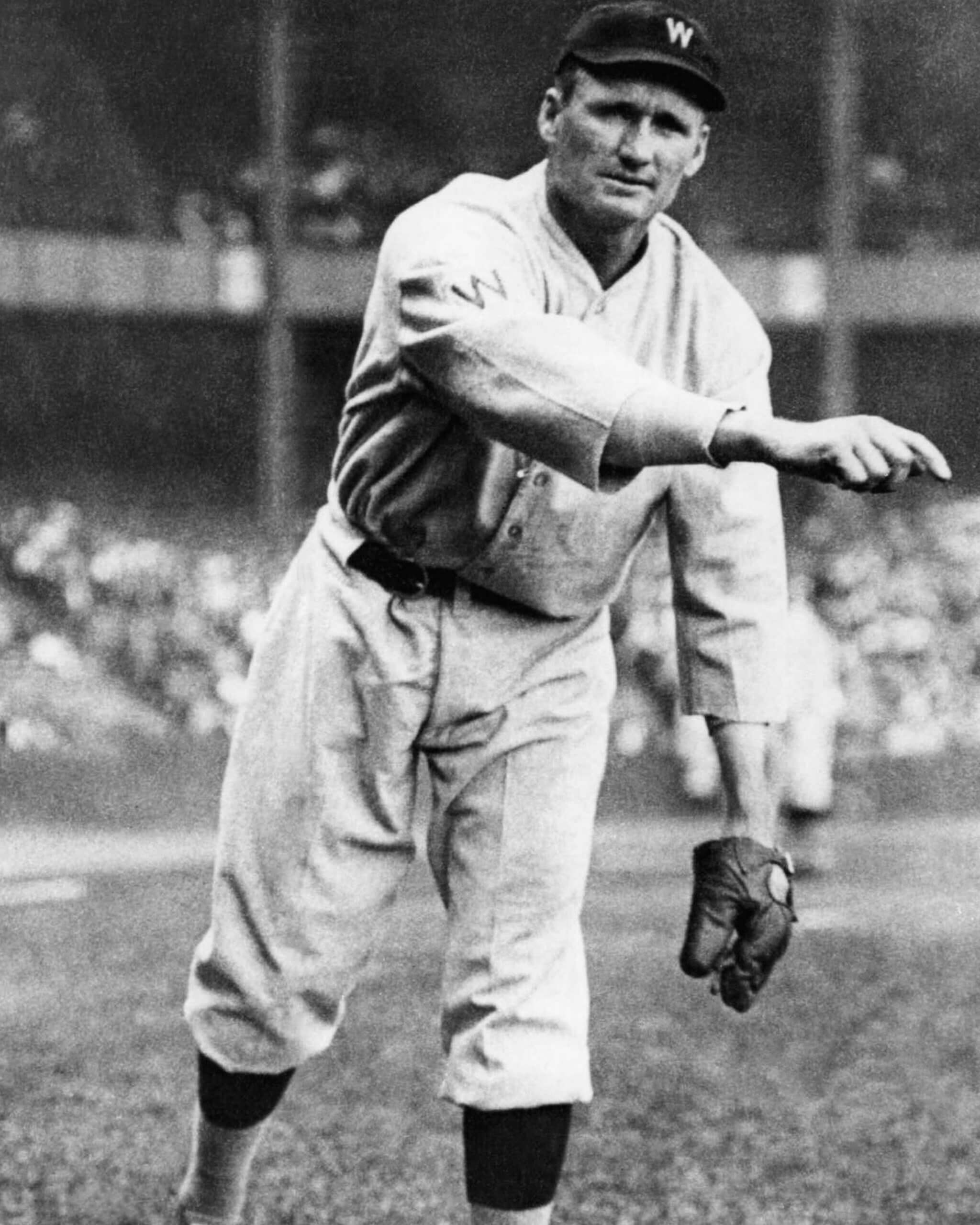
Hall of Famer Walter Johnson in 1942. (Bruce Bennett Studios via Getty Images)
Yes, back then, if you wanted to be a Hall of Fame starting pitcher, the formula was pretty simple. Just win 397 games, and you were in! That’s how many career wins the first five inductees — Walter Johnson, Christy Mathewson, Cy Young, Grover Cleveland Alexander and Old Hoss Radbourn — averaged. Because, well …
Baseball was a little different then.
So now let’s ask a much tougher question: 80 years from now, will the whole world still know a Hall of Fame starting pitcher when it sees one?
Hmmm, you’ve got us. Because, well, how can we be sure that on Induction Weekend 2106, there won’t be three starters on the podium who haven’t even won 397 games combined?
If we peer into the future, we can see another eight to 10 years of relative Hall of Fame “normalcy.” Clayton Kershaw, a Hall of Fame lock in any era, will debut on the 2031 ballot. Then it will be Justin Verlander’s turn … and Max Scherzer’s … assuming they ever retire.
But then what? After Kershaw, Verlander and Scherzer, will there ever be another Hall of Fame starting pitcher? Don’t laugh. That’s a serious question.
It’s a question we’ve been pondering for months. It’s even more on our minds after the most recent Hall of Fame election, as 169-game winner Félix Hernández reeled in a stunning 46 percent of the vote. And it’s a question we’ve been asking people in the sport since last July.
Even they’re confused, because of course they are. Check out this exchange with the most recent starting pitcher inductee, CC Sabathia, last summer in Cooperstown, N.Y., that summed up that confusion perfectly.
THE ATHLETIC:“Here’s a question for you. Ten years, 15 years, 50 years from now, what do you think a Hall of Fame starting pitcher is going to look like?”
SABATHIA: “I have no idea.”
TA: “Isn’t that crazy?”
SABATHIA: “Honestly, I have no idea. I do think there’s going to be somebody with less than 100 wins — and 3,000 strikeouts. Jacob deGrom maybe. That could happen.”
For the record, deGrom has 96 career wins … and 1,851 strikeouts. So it’s probably not going to happen with him. But could Hunter Greene do that … or Spencer Strider … or Dylan Cease … or some 2052 flame-thrower who isn’t even born yet? Who the heck knows.
What we do know is that the rapidly changing sport of baseball is now hurtling through unexplored space at the speed of light. And so much of that change revolves around pitchers — how they’re used, how hard they throw, how rarely they’re even asked to reach the late innings — that we can barely grasp where it’s leading.
So can we really be sure there will be any such thing as a Hall of Fame starting pitcher in the 22nd century?
“Oh yeah, there will be,” said another Hall of Fame left-hander, Tom Glavine. “I just don’t know how we’re going to figure out who they are.”
Nailed it!
You don’t need to be a descendant of Dizzy Dean to know how we got here. We had ourselves a great century or so, where all we had to do was count up a pitcher’s wins. But suddenly, we’re living on a planet where “the win” is a more endangered species than the turtleheaded sea snake.
So we don’t have to wonder anymore what we’ll do when “the win” is no longer the meaningful barometer it used to be. We’re already there.
Take a look at this chart. It shows the active pitchers with the most career wins at their age as of today. (We’re not using the sport’s age-as-of-July-1 standard. If a guy turns 28 in two weeks, he’s still 27 on this list.)
And just to drive home the contrast between this era and the previous generation of pitchers, we’re listing how many wins Greg Maddux had at the same age, as he entered another new season.
AGEPITCHER WINS MADDUX WINS
22
Eury Pérez
12
Maddux
26
23
Paul Skenes
21
Maddux
45
24
Taj Bradley
19
Maddux
60
25
Bryan Woo
28
Maddux
75
26
Brayan Bello
39
Maddux
95
27
George Kirby
45
Maddux
115
28
Logan Gilbert
47
Maddux
131
29
Freddy Peralta
70
Maddux
150
29
Logan Webb
70
30
Germán Márquez
68
Maddux
165
31
José Berríos
108
Maddux
184
32
Aaron Nola
109
Maddux
202
We could keep going here. Gerrit Cole’s 153 wins are the most by any active pitcher 35 or younger. Maddux was at 257 wins at the same age (35) — on his way to 355.
Verlander, age 42, has the most wins of any active pitcher, period, with 266. He’s still 89 away from Maddux, who was almost exactly Verlander’s age when he threw his last pitch.
If you’re really paying attention, you noticed that no pitcher under 30 has more than 70 wins. Yep, 70. And only one pitcher under 25 (Paul Skenes) has even reached 20 wins. Yep, 20.
So let’s do some quick math: To reach 300 wins before his 40th birthday, Skenes would have to average more than 17 wins a year for the next 16 seasons in a row. Do you like the odds of that — after only four pitchers in the entire sport won 17 or more last year? Let’s go with no.
“Obviously, with the 300-game winners … I don’t see that happening the way the game is now,” said Glavine, who won 305 in his day (1987-2008), which didn’t seem like ancient history until he started having this conversation. “And for a minute, it seemed like 250 would be the new 300. But now I don’t think 250 is going to be (within reach, either). And I’m not even sure about 200 unless something changes.”
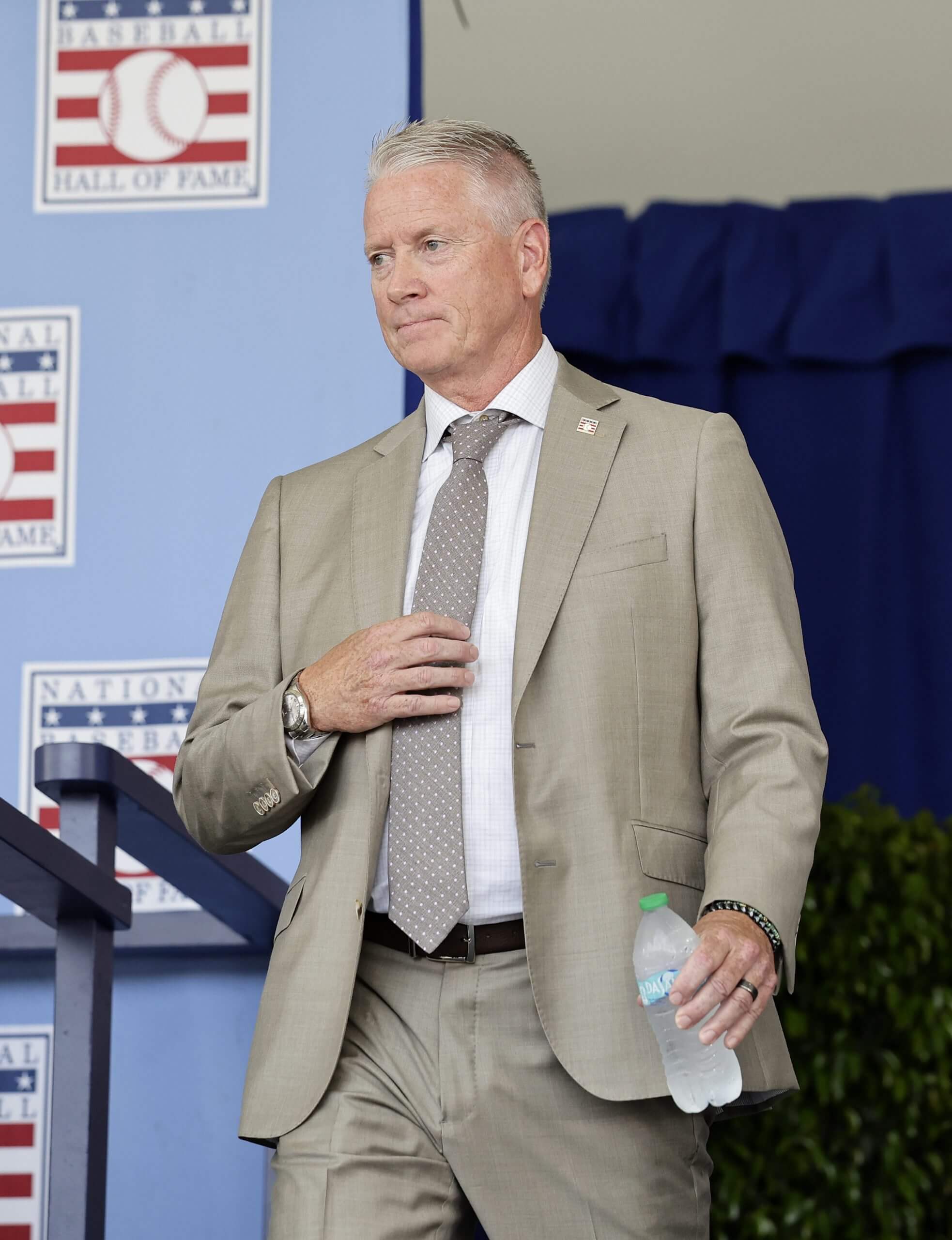
Tom Glavine, a 305-game winner, is introduced during last year’s Hall of Fame induction ceremony. (Jim McIsaac / Getty Images)
So what does that mean? Will 150 be the new 200? Will 100 be the new 150? You want to know the truth? If you’re over 40, you may not like this, but …
The win … is … dead.
Oh, maybe it’s not quite dead when we consider the cases of Kershaw, Verlander and Scherzer — or even Zack Greinke, a 225-game winner, who arrives on the Hall of Fame ballot in 2029. And maybe it’s not quite dead when we examine the pitchers on the ballot right now. But looking forward? Looking at Hall voting when every active starter under age 35 becomes eligible?
D-E-A-D.
So let’s ask this again: Then what?
It’s either A) have a Hall of Fame that’s all hitters in the years to come, or B) figure out some other way to decide which pitchers are great. And doesn’t Plan B have to win that debate?
“Are we just not going to put anybody in the Hall of Fame anymore, or are we going to adjust to how (the game) works today?” asked one front-office executive. “Because it seems stupid to have a Hall of Fame and just have none of the best players in the Hall of Fame, right?”
Right. So how are we going to navigate this? Let’s look at the future of the Hall of Fame through the prism of some of the candidates who are going to force us to decide, starting with …
Félix Hernández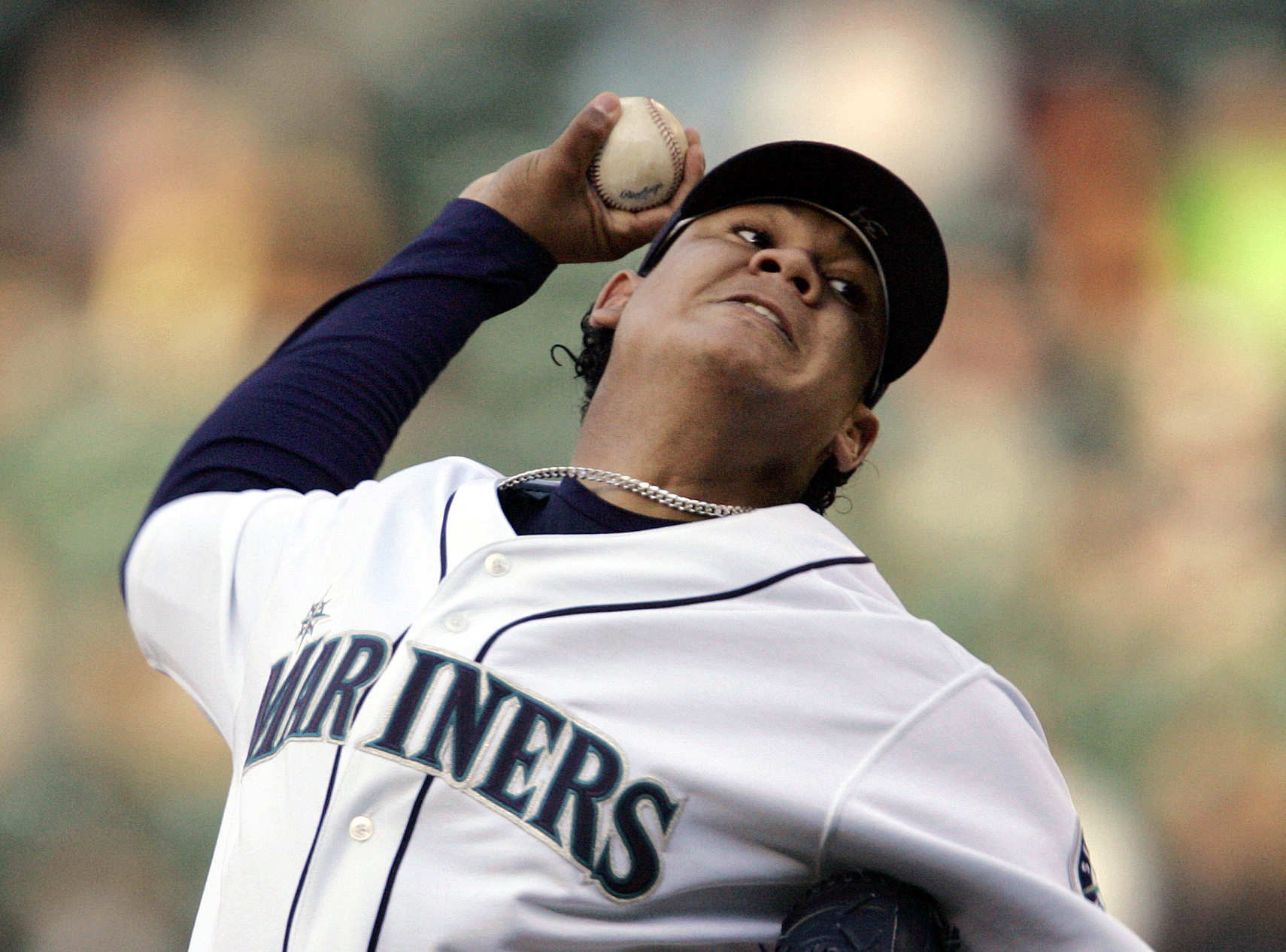
(Elaine Thompson / Associated Press)
His credentials: By olden-day standards, they’re a little light: 169-136 won-lost record, with a 3.42 ERA and a 117 ERA+. On the other hand, Hernández was so entrenched in the best-pitcher-in-baseball discussion that in the six seasons between 2009-14, he won a Cy Young Award, finished second twice and came in fourth once. And he led all right-handed pitchers in baseball in WAR (either version) over the nine seasons from 2007-15.
Where he stands: Just delivered the biggest stunner in the 2026 election. Zoomed from 20.6 percent of the vote in his first year on the ballot to 46.1 percent this year. That’s the biggest one-year climb, by percentage points, of any pitcher in history. That’s telling us something.
Why we should care: Nearly six decades passed between the retirement of Sandy Koufax (165 wins) in 1966 and the arrival of King Félix on the ballot in 2025. In that span, 32 other pitchers retired with between 165 and 199 wins. You know what they had in common? Not one was elected to the Hall — or even came close.
So Hernández’s eye-popping rise feels like a major ballot-changing moment. It wouldn’t be his first.
In 2010, when Hernández won the American League Cy Young Award with only 13 wins, it signaled the demise of the almighty win as the ultimate barometer in Cy Young voting. So is he now following the same playbook to blow up Hall of Fame voting? Sure looks like it — since nobody with under 200 wins has even been a serious threat to get elected since Koufax cruised in, on the first ballot, in 1972.
We find this whole thing fascinating, because back in 2010, “the win” was far from dead. And the sport was overflowing with pitchers like Hernández, who still chewed up massive innings. Take a peek at how different that age was from this one.
Pitchers with …
20102025
200+ IP
25
3
162+ IP
92
52
15+ WINS
24
7
10+ WINS
63
29
(Source: Baseball Reference / Stathead)
Back then, the average team still featured three starters who threw enough innings to qualify for the ERA title, probably had an ace who blew past 200 innings and had multiple pitchers with double-digit wins. Which tells us that starters then still cared about “the win” — and it was still a big enough factor in voting that it would be over a decade before another AL starter won the Cy Young, in a full season, with under 18 wins.
So, wins were not a meaningless line on the stat sheet in King Félix’s heyday — but the voters in this election seemed to have a different take.
Look, the writers have made it clear we know where “the win” is going. But shouldn’t it fade in Hall of Fame significance as part of a more gradual phase-out? Is it logical for voters to be already applying the voting standards of tomorrow to the pitchers of Hernández’s era?
Just asking — because Félix’s career largely overlapped with Sabathia’s (although CC debuted in 2001, Hernández in 2005). But Sabathia was still able to pile up 251 wins — and he believes that it meant something.
“I’m so thankful and glad that I came up in the era where winning the game, as a starting pitcher, meant more than anything,” Sabathia said, “and I was lucky to learn that lesson from guys like Dave Burba, Chuck Finley and Charles Nagy when I was young. It’s just something that I carry with me throughout my whole career, and I think it’s the reason why I’m here.”
But a year after Sabathia’s induction, have times already changed? Discuss!
Andy Pettitte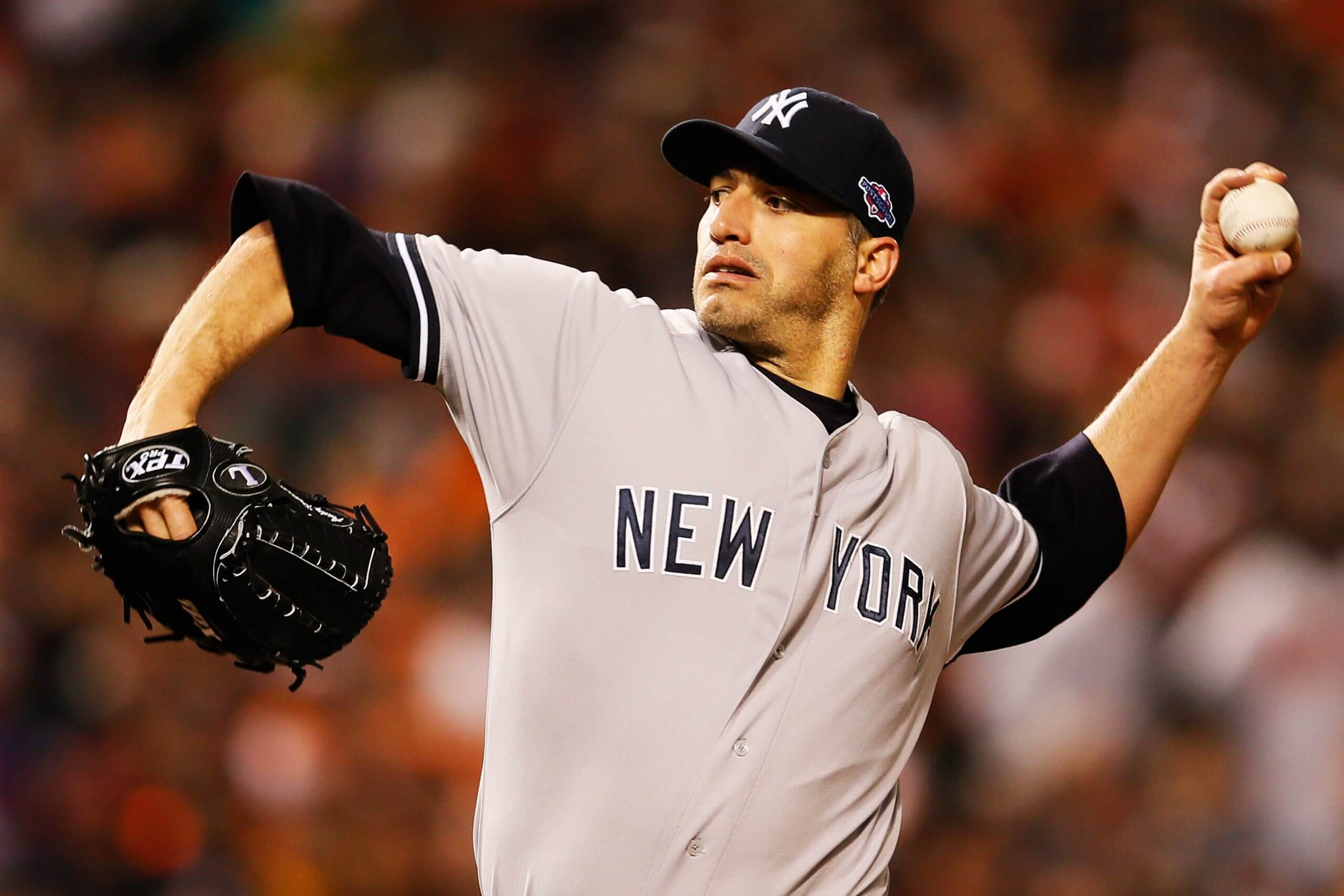
(Rob Carr / Getty Images)
His credentials: Pettitte’s old-school case embodies the other side of this. His 256-153 record is almost identical to Sabathia’s (251-161), as is their ERA+ (117 for Pettitte, 116 for Sabathia). Pettitte also brings along voluminous postseason bonus points. But his admission that he tried using human growth hormone, to help recover from injury, still lingers over his candidacy.
Where he stands: Pettitte is another big mover on the ballot. He was going nowhere for six years. Then Sabathia seemed to cast new light on his career, leading to two big jumps, from 13.5 percent two years ago to 27.9 percent and then 48.5 percent. But with just two years left on the writers’ ballot, does he have another 26.5 percentage point bounce in him? I discussed that in a recent mailbag column.
Why should we care: Pettitte’s rise is a sign of two things: 1) postseason excellence is about to matter more than ever, and 2) maybe these voters aren’t ready to kill “the win” yet after all.
As we go along in this piece, we’ll discuss the new array of achievements voters will have no choice but to use in future Hall deliberations. But thanks to Pettitte for getting ahead of that curve and reminding us how much October counts.
In his case, we’re talking 42 postseason starts (the most ever) … 12 starts in potential series clinchers (the most ever) … and eight wins by his teams in those clinchers (the most ever).
His teams won a game he started in 21 different postseason series, and that’s 21 more than Hernández, for what it’s worth. It’s not Félix’s fault that his Mariners teams never gave him a chance to deliver a single postseason pitch. It’s just a factor voters will never lose sight of again, especially with all the October baseball these days.
But even more interesting, what do we make of how much voters clearly value Pettitte’s longevity and body of work, at the same time they’re casting all those votes for Hernández despite his different career?
Isn’t it a sign that more than one thing can be true — that there is value to both paths to Cooperstown? It feels that way, and that’s an indication that modern voters are more thoughtful than the lunkheads they’re often made out to be.
But whatever it is that is driving Pettitte’s late surge, he’s as shocked by it as anyone.
“My first few years,” he told The Athletic, “I felt very fortunate that I got enough votes to just stay on the ballot. I really didn’t think of myself as a Hall of Famer, because I see the guys that I played with that are Hall of Famers. But now … you see where the game is going, and you kind of understand. But when people ask me if I ever thought about the Hall of Fame, I never really did. I didn’t think I would ever get enough votes to even come close to it.”
Gerrit Cole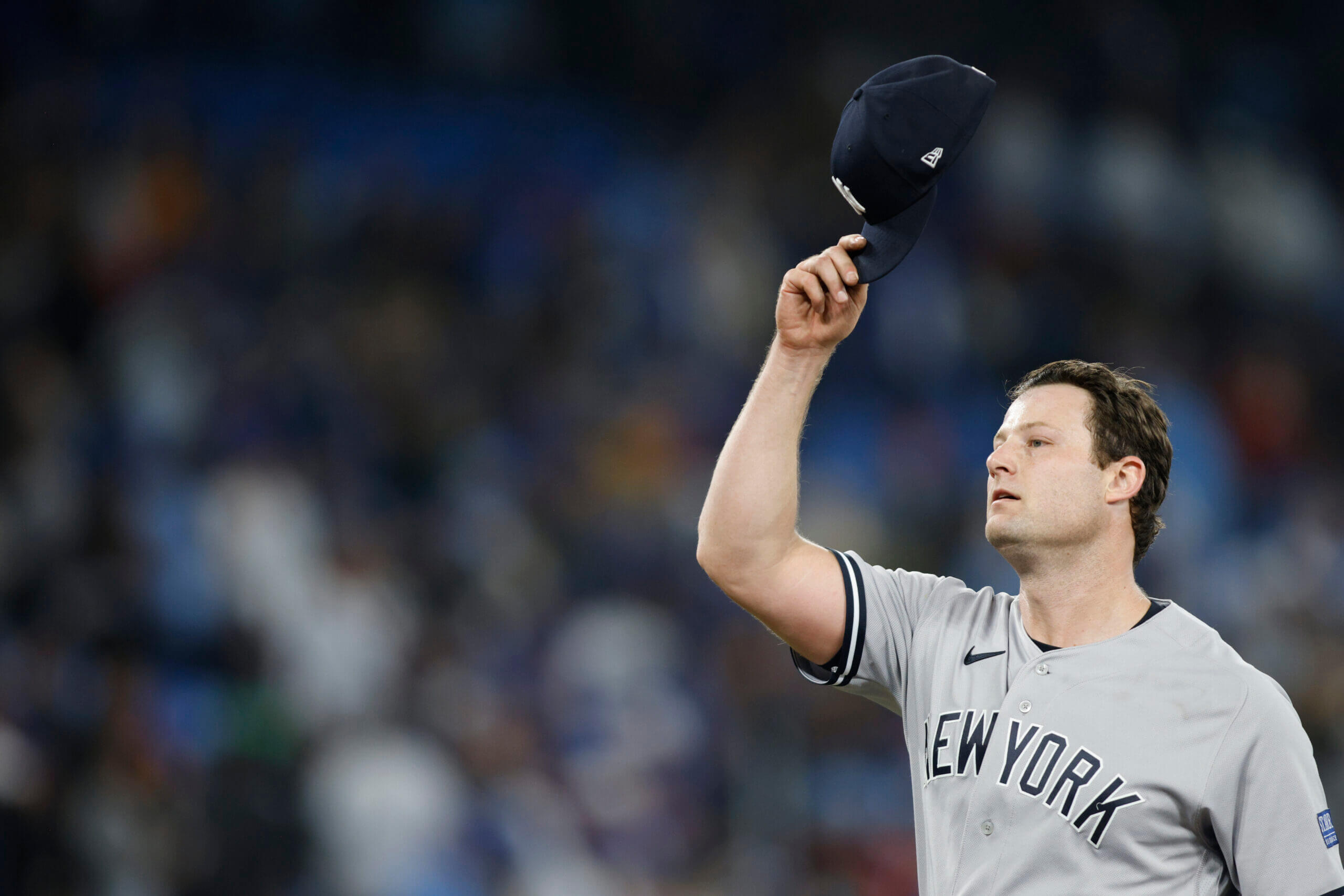
(Cole Burston / Getty Images)
His credentials: Of all the active pitchers not named Verlander or Scherzer, Cole ranks No. 1 in old-school vibes … and future Hall credentials. Before his 2024 elbow issues, which led to Tommy John surgery last spring, he’d missed two starts in the previous seven seasons combined. He has pitched at least 200 innings six times. He’s 153-80 lifetime (a better winning percentage than Jim Palmer or Randy Johnson), with a 130 ERA+. And he’s third, behind Verlander and Scherzer, in Cy Young Award shares, with one Cy win, two second-place finishes and six top-fives.
Where he stands: The Yankees’ ace obviously hasn’t appeared on a ballot yet. But if he makes a full recovery, which active pitcher has a better shot at 200 wins than him? Correct answer: Nobody! He’s 47 away, with three years left on his contract. He’s still “only” 35. And over his last three healthy seasons, his combined win total was 44. So do the math.
Why we should care: We’ve already conceded we may never see another 250-game winner, let alone another entry into the 300-Win Club. But how about this staggering thought: Is it possible that Cole could become the last 200-game winner ever?
Check out that chart above and tell us we’re wrong. We can’t predict health, but we know how obsessed Cole is with the history of his craft. So he’ll be driven to get there.
“When I talk with Gerritt,” Pettitte said, “I’m like, ‘Oh my gosh, this guy knows every single player’s stats for the last 20 years.’”
But even if Cole winds up with “only” 175 or 180 wins, doesn’t he pass The Félix Test? All those award votes — and the WHIP, ERA and strikeout numbers that drove them — tell us he has been in the best-pitcher-in-baseball conversation for a decade. And isn’t that about to become the defining ingredient of all future Hall of Fame voting, sooner than later?
We may not be able to compare the starting pitchers of this generation with the Bob Gibsons and Tom Seavers of yesteryear. So our mission, moving forward, will be to compare them with each other. And by that standard, Cole might even be a Hall of Famer already.
Jacob deGrom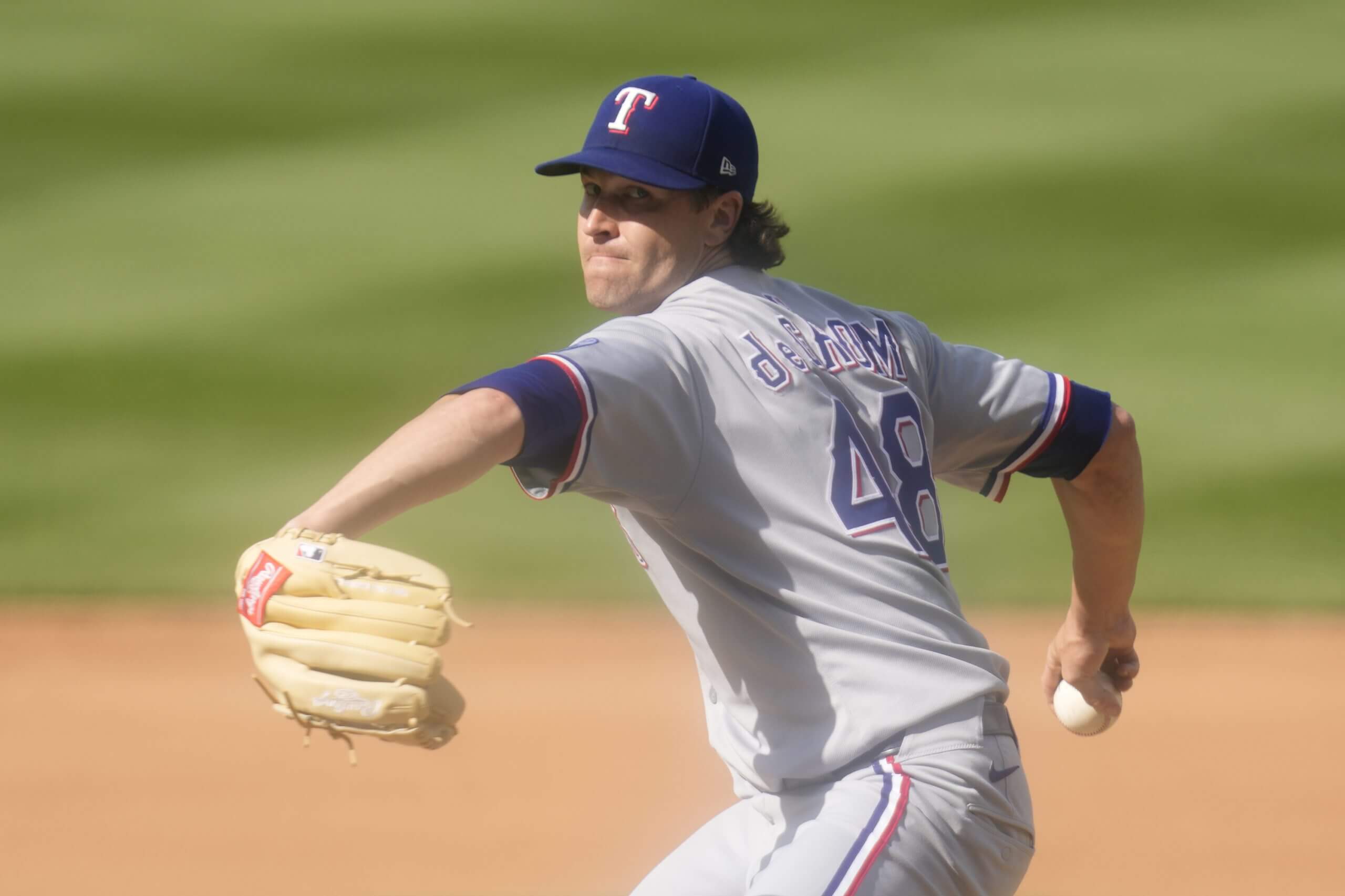
(Mitchell Layton / Getty Images)
His credentials: Here is where things start getting futuristic. deGrom turns 38 in June — and hasn’t reached 100 wins (he’s 96-65) or 50 WAR yet (he’s at 47.9 by Baseball Reference’s formula, 46.4 via FanGraphs). But … if you’re willing to overlook his lack of volume, he has massive Everything But Wins cred going for him: the No. 1 WHIP (0.986) of the live-ball era (since 1920), a 173 ERA+ over the last eight seasons and back-to-back Cy Young awards in 2018-19.
Where he stands: No starting pitcher like deGrom has ever been even a remotely serious candidate, but how can that not be about to change? Just for fun, we used the Bill James Favorite Toy projection tool to see where deGrom’s win total might be heading — and it predicted he’d finish with 111. That’s 54 fewer wins than Koufax, but it’s still deGrom’s best hope. His only real path to election is as the Sandy Koufax of the 21st century.
Why we should care: Remember how we started this column: In 10 … 15 … 50 years, will we still know a Hall of Fame starting pitcher when we see one? We can’t say for sure how the voters of tomorrow will answer that question. But wherever that debate is going, deGrom is the guy to take us there.
We’ve asked executives around the game what metrics Hall voters should start looking at as the win column melts into invisibility. The suggestions have ranged from next-level (“xFIP versus league, times innings”) to, essentially, the Everything But Wins package (WHIP, WAR, strikeout rate, strikeout/walk ratio, innings, ERA+, opponent OPS, etc.).
But whatever it is we use — as long as nobody utters the word, “wins” — deGrom is going to look like the most unhittable rotation monster of his generation.
How about this fun metric — best WHIP over any seven-year span in the modern era, if we lower the minimums to 100 starts and 600 innings:
YEARSWHIPGSIP
1. Jacob deGrom
2019-25
0.87
109
642
2. Jacob deGrom
2018-24
0.87
111
686 1/3
3. Sandy Koufax*
1963-69
0.91
150
1,193
4. Clayton Kershaw
2014-20
0.91
172
1,153
5. Clayton Kershaw
2011-17
0.91
207
1,452
(*Koufax retired after 1966, but still met the criteria)
(Source: Lee Sinins’ Complete Baseball Encyclopedia)
Those are crazy numbers, when you consider that even if you loop in relievers, Mariano Rivera’s best seven-year WHIP was “only” 0.89, from 2005-11. But does deGrom have enough volume, as a starter, to get elected? Tough question.
Heck, 2011-17 Kershaw basically doubles deGrom’s starts and innings. And 1963-69 Koufax comes close, even though he threw zero innings in three of those years (1967-68-69).
So if we elect this guy — let’s use the projection and call him “111-game winner Jacob deGrom” — to the Hall of Fame, despite all of those concerns, um, wow. We asked a few Hall of Famers how that would go over with the greatest pitchers alive. You can probably guess.
283-GAME WINNER JIM KAAT: “It’s hard for me to judge that, because I can’t be objective. Because I say, OK, I have all the respect in the world for Jacob deGrom, of course. But for me, if you elect him, you’ve got to take a look at Mike Cuellar and Mickey Lolich.”
GLAVINE: “Listen, I’ve had numerous conversations with (his fellow Hall of Famers) about what the Hall of Fame is going to look like. And what I tell them is, the days of what guys in past eras have done are gone. I mean, we’ve got to redefine everything, right? So I think that for those of us who are accustomed to what the Hall of Fame is at the moment, that’s going to be a little bit of a hard sell.”
But just because it’s a hard sell to the current Hall of Famers, is that a good enough reason not to elect a dominator like deGrom someday … and the thundering herd of aces with similar cases who will line up behind him? One AL exec we talked to thought that was absurd.
“When he won that (2018 National League) Cy Young with — what, 10 wins? — I’m sure some people were yelling at the clouds then, too,” he said. “But who cares? That changes quickly. When he and Félix won those Cy Youngs, those were voters of sound mind, right? They just looked at other columns of info (besides wins).”
Breaking: Longtime MLB executive says sportswriters are “of sound mind!” We know that has nothing to do with deGrom’s Hall of Fame case, but it might be the most shocking revelation in this whole column.
Chris Sale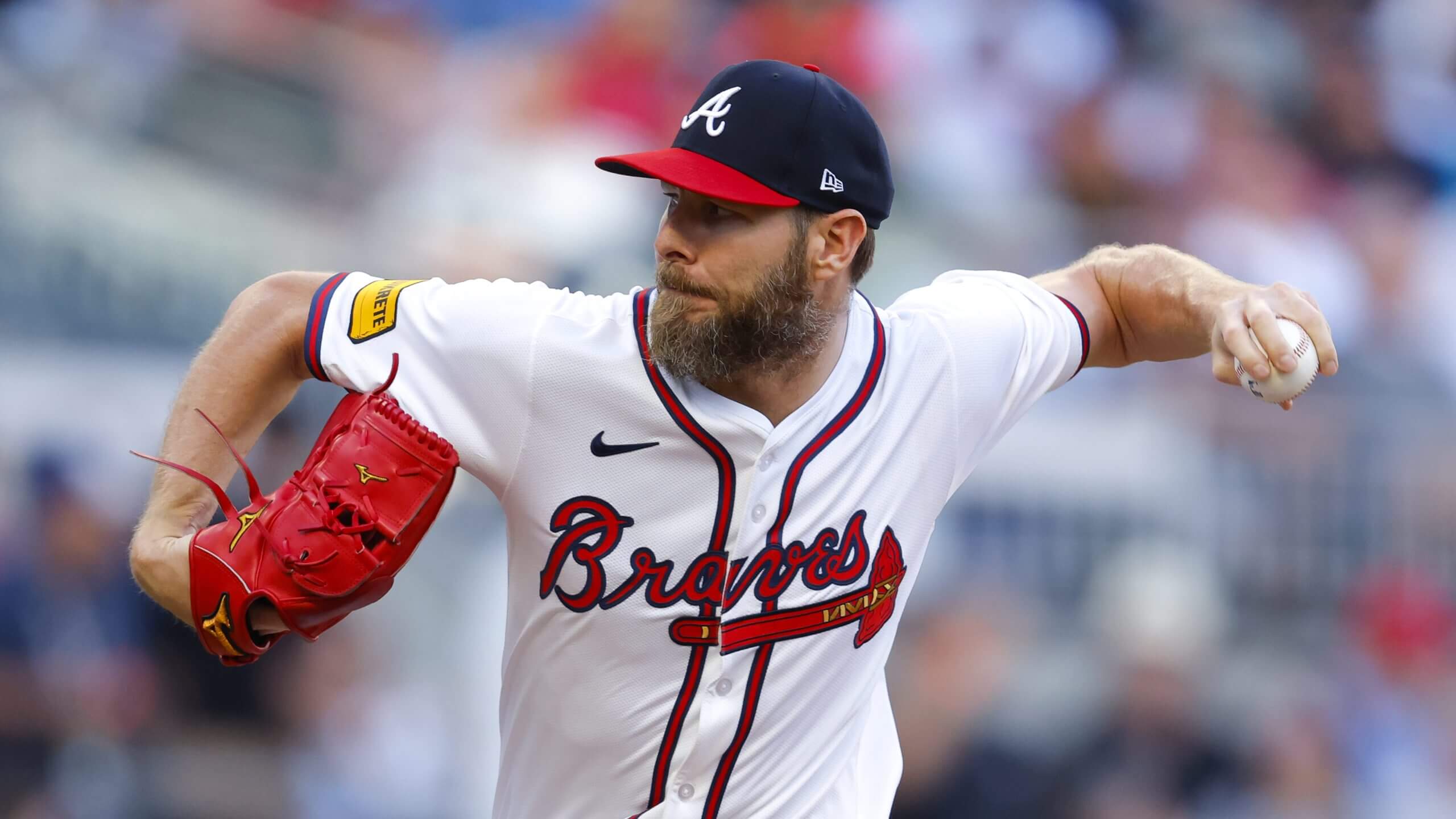
(Todd Kirkland / Getty Images)
His credentials: The case for Sale has shades of both deGrom and King Félix in it. He’ll turn 37 next month. He owns 145 career wins. He’s closing in on 60 career wins above replacement (57.3 bWAR, 57.6 fWAR). There was a time when that wouldn’t have gotten him elected.
But look again. Seven top-five Cy Young finishes, with one trophy? That’ll work. Third in the live-ball era in WHIP (1.046)? That’ll get your attention. The best strikeout rate (11.38 per nine innings) in history, among pitchers with 2,000-plus innings? We’re starting to feel sorry for the hitters.
Where he stands: If King Félix is charging toward the plaque gallery, what’s the argument to keep Sale from joining him? Hernández had been retired for three years at Sale’s age — while Sale is still the ace of the Braves (health issues permitting). The Bill James projection tool is forecasting 167 career wins for him (two shy of Hernández). If that’s where he lands, he could ride Félix’s coattails all the way to Cooperstown.
Why we should care: At some point, we have to figure out how long of a peak a modern starter needs to sustain to allow us to tune out his lack of traditional numbers. But whose peak is harder to define than Sale’s? He had seven seasons (2012-18) of near-Kershaw-esque domination, then five years where he practically joined the Witness Protection Program and now two years in Atlanta where he was That Guy again.
That’s a strange journey to get to this place. But Sale is another one of those pitchers who is going to reframe this debate — and do it in a way that helps us understand the ground rules moving forward.
Was he one of the greatest starting pitchers of his era? Of course he was. His award voting tells us that. His WHIP and strikeout rate are screaming that at us from the upper deck. So like Cole, he might already be a Hall of Famer.
“He’s definitely in that group of guys that we’re talking about,” Glavine said, “if he’s not (already) a shoe-in.”
Zack Wheeler 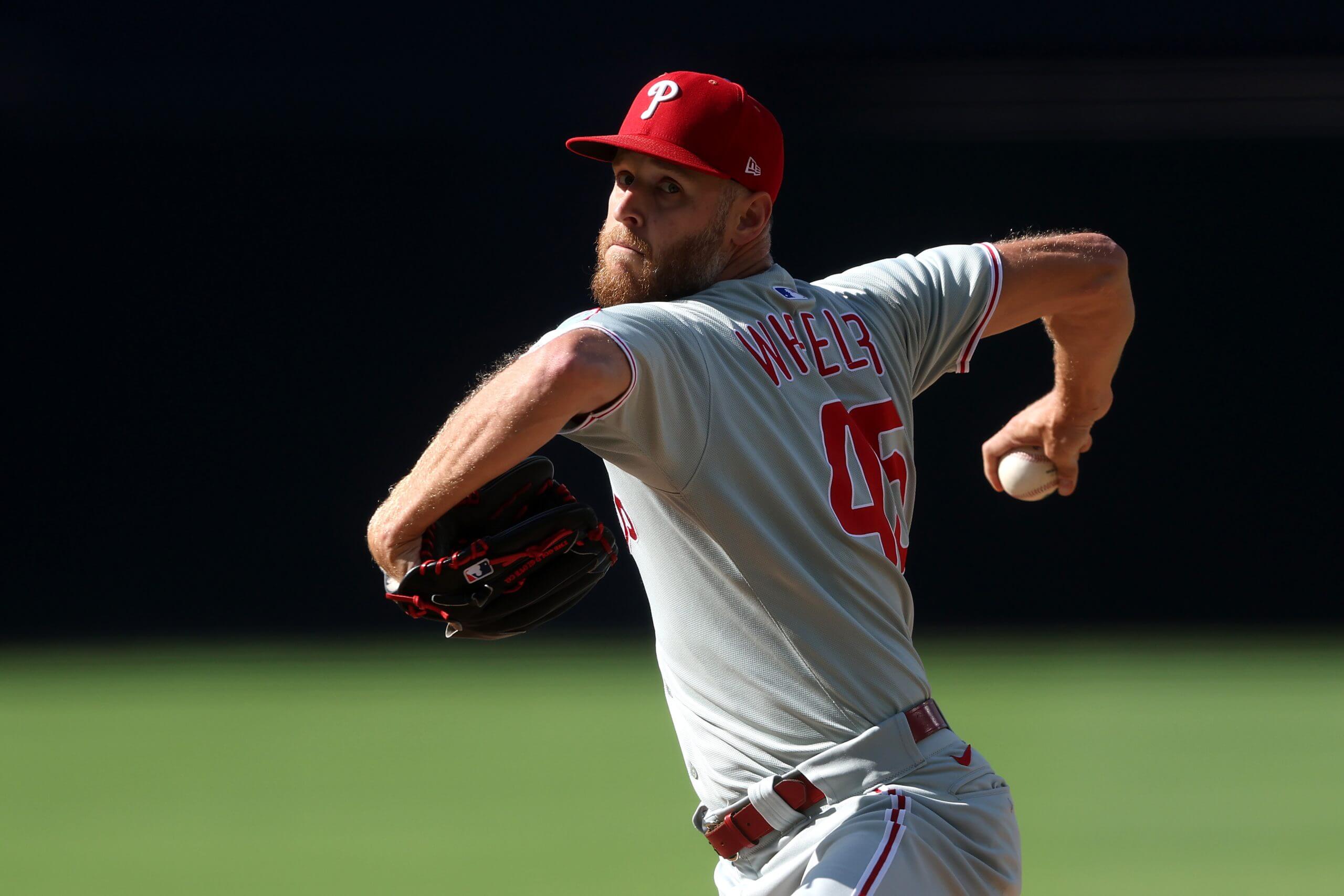
(Sean M. Haffey / Getty Images)
His credentials: Let’s throw one more name at you. Maybe you never thought of Zack Wheeler as a potential Hall of Famer. Hey, we get it. He’s sitting on only 113 wins at age 35. And, until now, that had never been anybody’s idea of a future Cooperstown resident.
But again, it’s time to think outside what used to be this box. Whether you define Wheeler’s peak as the last seven seasons (2019-25) or last eight seasons (2018-25), he is blowing away every starter in the sport in WAR. More on that in a moment.
Where he stands: Wheeler has been an inning-eating, bat-devouring machine since he arrived in Philadelphia in 2020. But for how much longer?
He’s coming off thoracic outlet decompression surgery. He has said he wants to retire after the 2027 season. So he’s not going to add enough bulk to fit into any traditional definition of a Hall of Famer.
But will we even care about those traditional definitions by the time he’s eligible? If you’re not sure, have you read a word we’ve written here?
Why we should care: We all agree we’re not going to elect the Hall of Famers of tomorrow by counting wins, right? Great. But we have to count something. So in Wheeler’s case, let’s count his wins above replacement.
We can argue some other time about whether this is the best metric ever or the most misleading metric ever. But at least WAR aspires to measure literally everything on a player’s stats page. So here’s what it tells us about the best starters in baseball over the last eight seasons (according to FanGraphs WAR).
fWAR leaders, 2018-25
Zack Wheeler
37.5
Jacob deGrom
30.9
Gerrit Cole
30.5
Does a seven-win gap between No. 1 and No. 2 seem like a lot to you? We would say yes, because only Hall of Famers put that much distance between themselves and everybody else over that many seasons. That’s just the facts.
This research was originally done by the Phillies, but we’ve independently verified it. So we’re using it to paint a portrait of a potential Hall of Famer who might never have had that look to you before.
If you go back to 1893, when the mound was set at its current distance from the plate, you’ll find 14 previous pitchers who led the major leagues in fWAR by at least seven wins over any eight-season span. Guess what bonds that group together? Right. They’re all Hall of Famers, except for Kershaw (not eligible yet) and Roger Clemens (you know why).
Here’s the list, just from the last 80 years:
Kershaw
Randy Johnson
Maddux
Clemens
Steve Carlton
Gibson
Koufax
Robin Roberts
Is it going to bother some people that Wheeler has accumulated “only” 92 wins over those eight seasons? If by “some people,” you mean a bunch of current Hall of Famers, then of course. But should we be worrying about that?
If we’re ever going to elect another starting pitcher to the Hall after Kershaw/Verlander/Scherzer, we have no choice but to ask different questions about them. And there’s no more important question than this: Was their name mentioned when the debate turned to Who’s the best pitcher in baseball?
And if that answer was yes — for eight years — we need to explain, in different ways, what that means. In Wheeler’s case, we just explained it with WAR. You’re welcome.
“I know this may bother a few Hall of Famers when they’re sitting around (Cooperstown), but Jacob deGrom is as good as any of them,” said one of the execs quoted earlier. “He could pitch in any era. He’d be awesome. And I’m sorry he doesn’t have 200 wins at this stage, but he’s still awesome.
“And Zack Wheeler, same thing. You’re telling me Zack Wheeler couldn’t get hitters out in the ’80s? That’s ridiculous. Of course he could.”
We understand that if deGrom turns into a Hall of Famer with, let’s say, 111 wins, or Sale gets elected with, oh, 165, that is going to ripple through the sport like a tsunami. Will Johan Santana, David Cone and Dwight Gooden be screaming? Ha. We can hear them from here.
So one more time, let’s ask: Then what? And one last time, let’s pose that question to CC Sabathia.
TA: “What are all those guys going to think when Jacob deGrom gets in the Hall of Fame with, like, 106 wins?”
SABATHIA: “Yeah, they won’t like it. But … this is the game he’s pitching in right now, where wins aren’t valued.”
TA: “You’re right. But I still wonder where this will go from here.”
SABATHIA: “Where does it go? Yeah, I don’t know where. But that’s really not a question for us. That’s a question for you. That’s a question for the voters.”