
CLEVELAND, Ohio — Hospice of the Western Reserve has a new name – Reserve Care – that reflects the organization’s full scope of services supporting individuals and families across Ohio through serious illness and end of life.
Reserve Care serves patients with a prognosis of six months or less, focusing on comfort, symptom management and personal goals at the end of life. Most patients receive care in their homes or residential facilities, but inpatient care is available for those needing specialized support or short-term respite for family caregivers.
Reserve Care’s services include hospice and palliative care, pediatric services, grief and caregiver support, art and music therapies and community resale shops that help fund care.
“(The name) Reserve Care more clearly reflects the breadth of care we provide and the way we walk alongside people over the course of their care journey,” said Bill Finn, president and CEO of Reserve Care. “It honors nearly five decades of trust built as Hospice of the Western Reserve while giving us a name that better reflects how we serve patients, caregivers and families today and how we will continue to serve them in the future.”
The nonprofit hospice provider has served nearly 640,000 patients and family members throughout its 50-year history, Reserve Care said.
New care center coming soon
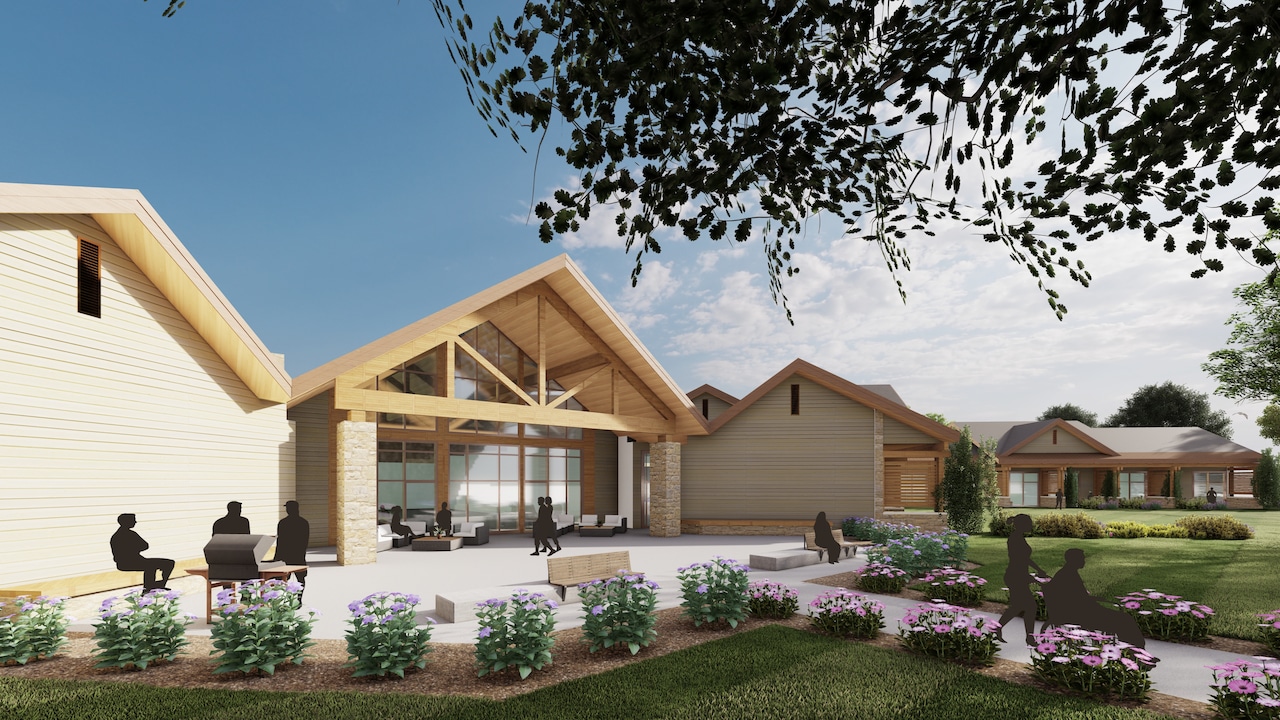
This spring, Reserve Care plans to open its new $25 million inpatient hospice facility on Lake Erie. Leaders say it will offer a more calming, home-like environment for people nearing the end of life, while expanding space for families, caregivers and community programs.
The 50,000-square-foot Hospice Care and Community Center is being built in Cleveland’s North Collinwood neighborhood adjacent to the organization’s current Hospice House on East 185th Street. It will replace the existing, aging inpatient facility.
Every patient room in the new center will have a view of Lake Erie, a feature hospice leaders say can provide comfort and perspective at the end of life.
“To have a facility right on the lake is exceptional,” Finn said when the project was announced. “We know the power of the lake. We know how it helps people really put in context all that’s happening to them.”
The new building will include 32 private patient rooms, the same number as the current hospice house, along with expanded family spaces and updated medical technology to support end-of-life care. Staff areas will also include lake views, an outdoor patio and a separate entrance for caregivers.
Finn said the new facility is expected to meet future demand, since most inpatient stays last less than a week.
The new complex will also include a community center with a separate entrance, housing bereavement programs such as counseling, support groups, and art, music and pet therapy. Educational outreach programs there will encourage discussions about end-of-life planning, including advance health care directives and final wishes.