
When we think of villages, we usually imagine something uniquely human: planned neighbourhoods, infrastructure and communities working together to survive. But across the natural world, many animals have been building their own versions of villages long before humans ever used tools.
From underground tunnel networks to bird ‘apartment blocks’, these animal architects don’t just build shelters – they create organised communities. Considering scale, complexity, and cooperation, these animals prove that civilisation isn’t exclusive to humans.
Animals that build villages
Ants
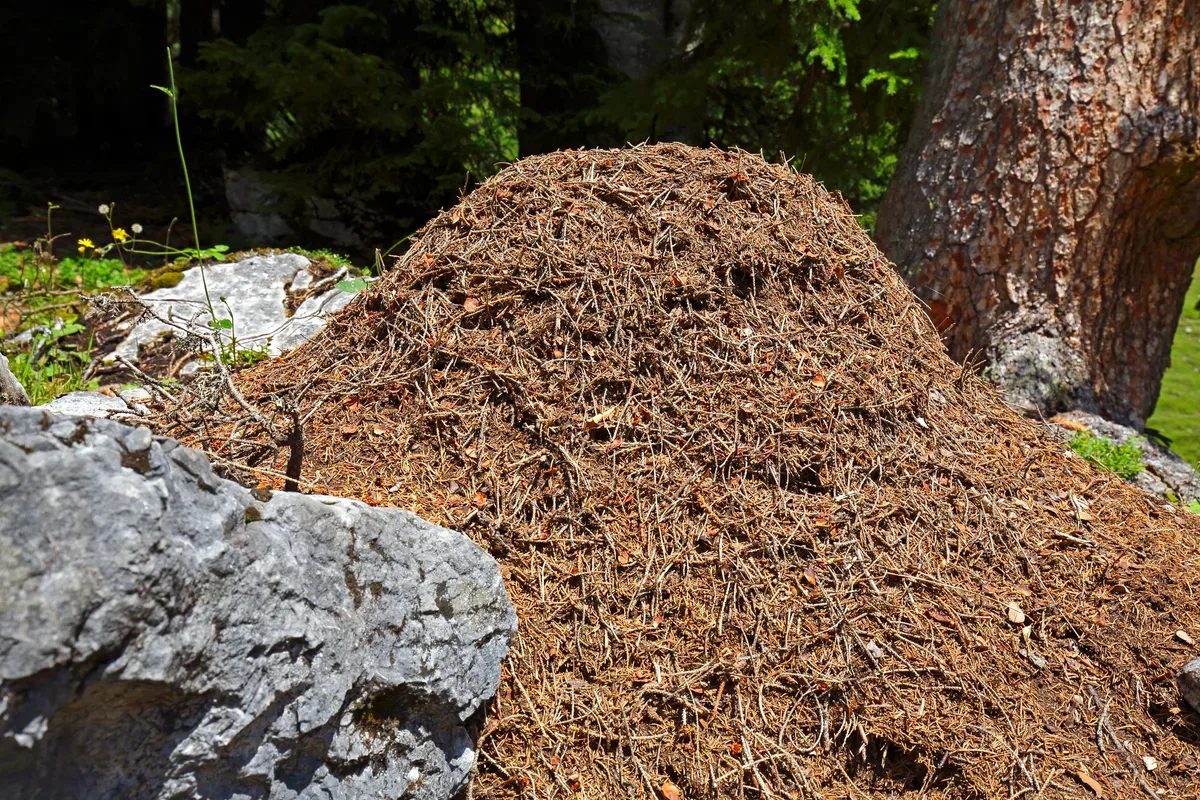 The largest ant colony in the world could house half a billion ants – Getty
Ants construct enormous underground cities with ventilation systems, food storage, nurseries, waste chambers and highway-like tunnels. If left undisturbed, an ant hill is potentially immortal – with some colonies spanning acres and housing millions of ants.
Termites
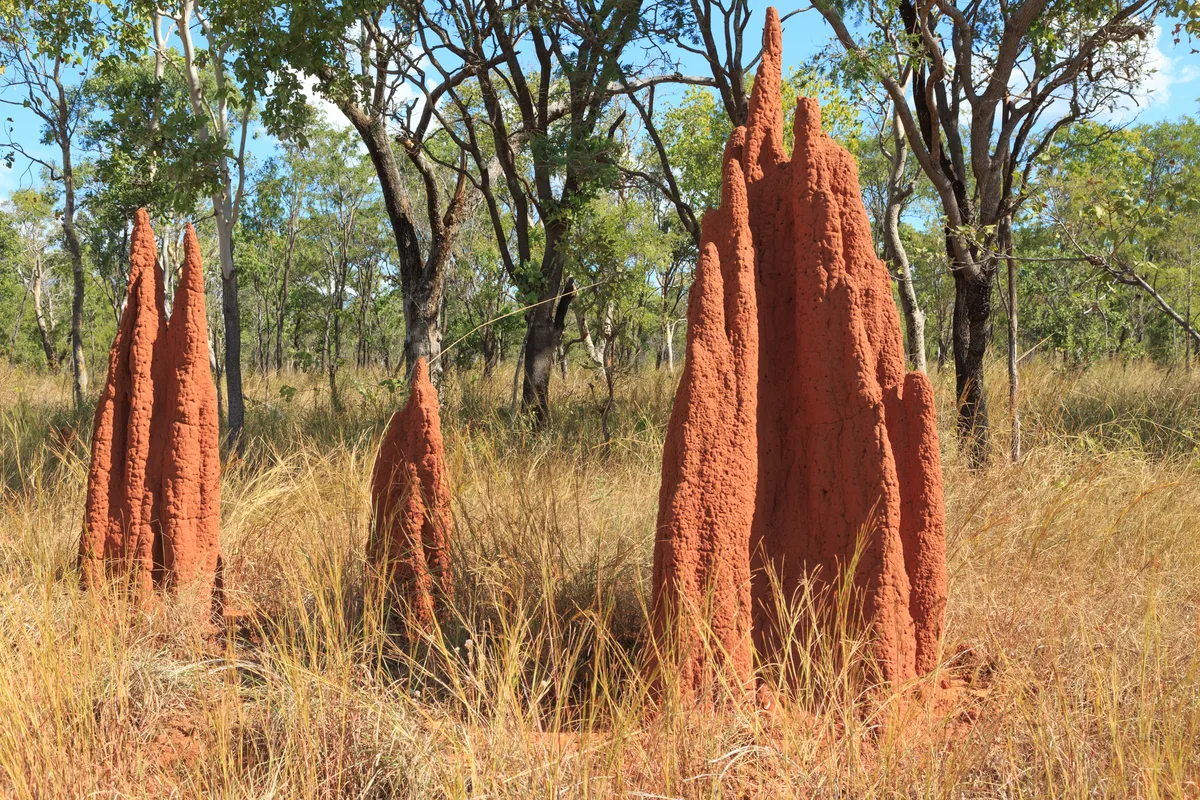 Termite mounds in Katherine, Northern Territory. Australia – Getty
Termites build homes in trees or in chunks of rotten wood – but when they build them underground, they create above-ground chimneys for ventilation. And it’s these chimneys that are known as termite mounds. Termite mounds function like buildings: despite extreme heat outside, stable internal temperatures are maintained.
The Eastgate Centre, in Zimbabwe, was inspired by the way termite mounds are built to maintain internal temperature.
Prairie dogs
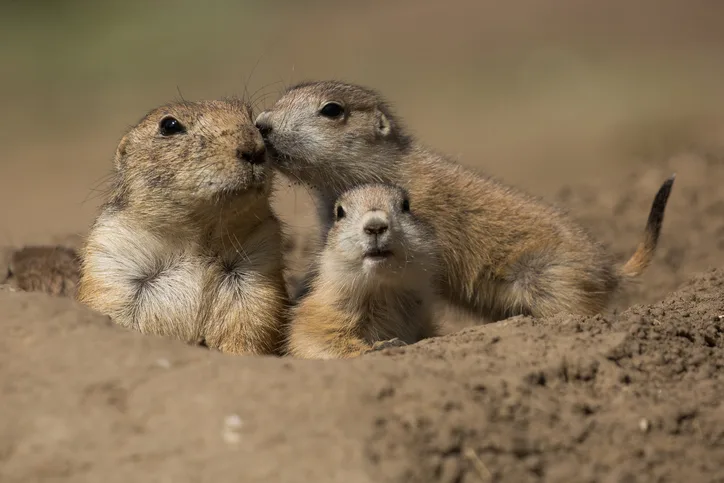 The prairie dog holds the record for the largets known mammal colony – Getty
Prairie dog ‘towns’ can stretch for miles (with the largest reportedly spanning hectares) and include separate family zones, communication systems and complex burrow layouts. These burrows provide shelter from predators such as coyotes, eagles and snakes.
Prairie dogs are often described as ecosystem engineers, as they help maintain grassland habitat and old burrows can also act as shelters for other species.
Sociable weavers
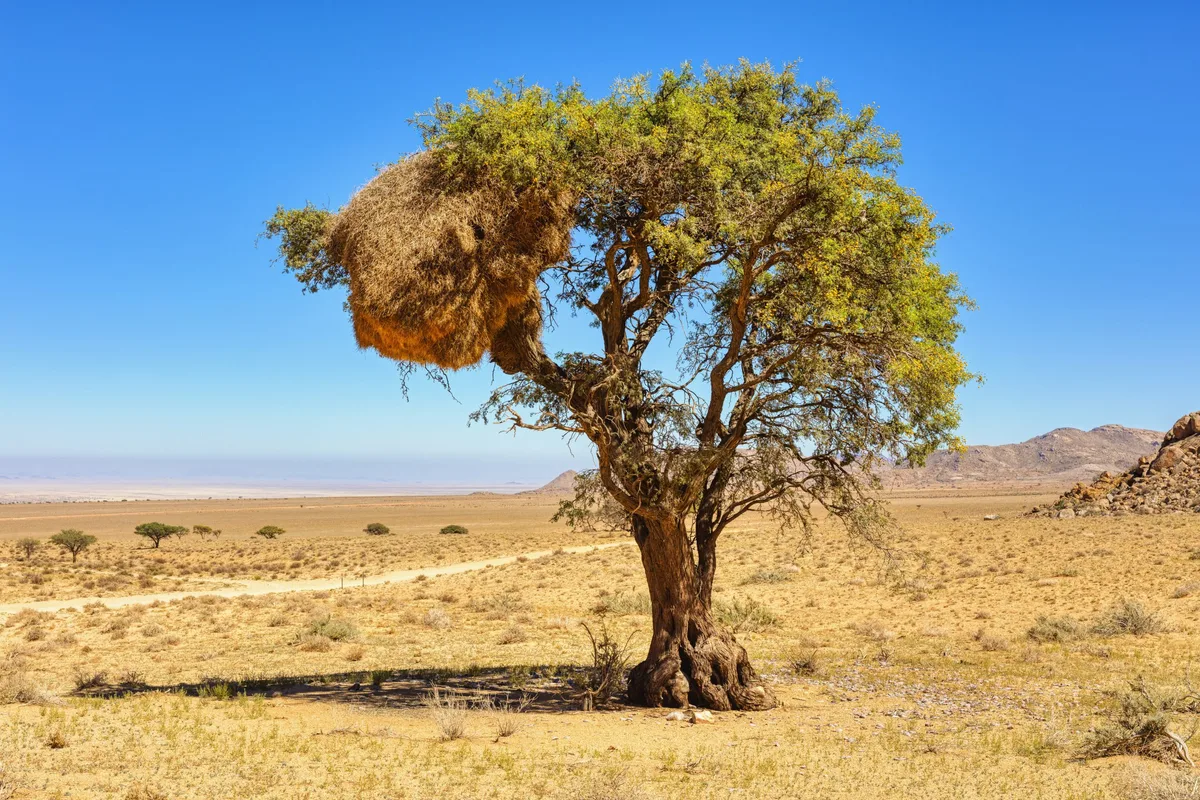 Sociable weaver nest in a tree canopy, Aus, Namibia – Getty
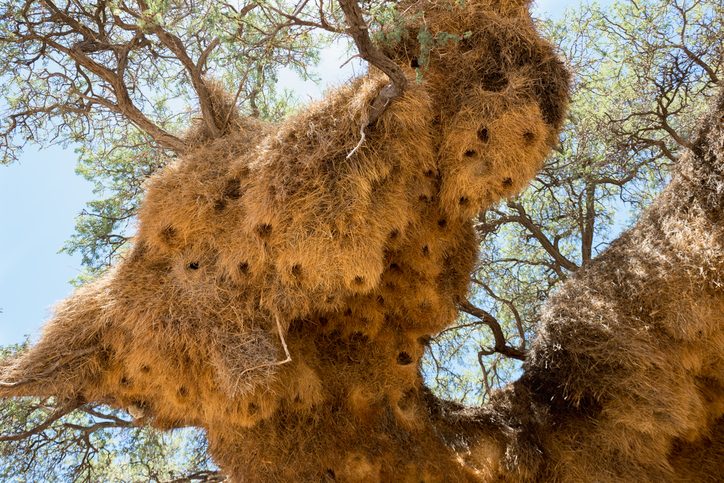
Sociable weavers (a species of bird) build dense nest colonies, with hundreds of woven nests sometimes hanging from a single tree. Each nest is handwoven, forming temperature-controlled and weather-resistant housing.
Despite the bird’s relatively small size, the sociable weavers’ nest are among the largest built by any bird – with entire trees becoming bird apartment blocks.
Beavers
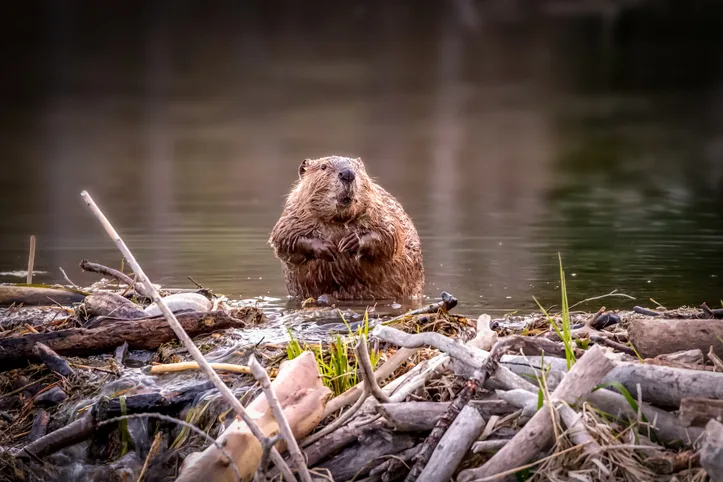 A beaver standing on top of its dam – Getty
Beavers are one of the most well-known examples of ecosystem engineers: rather than just building homes, beavers reshape entire ecosystems. Their dams and lodges create long-lasting wetland habitat that benefit countless other species. And they even help mitigate the damage from wildfires, as captured in satellite imagery.
Beavers construct damns to raise the water levels around their lodges. This acts as a natural barrier and makes it difficult for predators to gain access to their lodges.
Naked mole rats
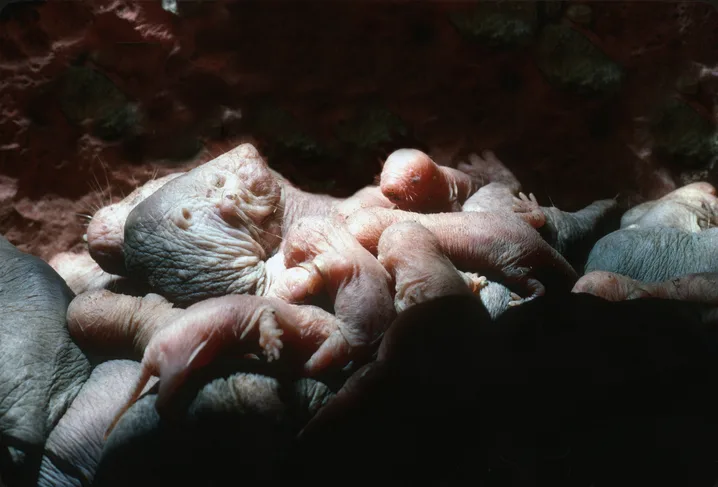 Naked mole rat Queen in brood chamber suckling her 19 babies – Getty
These mammals live in eusocial colonies with a queen, workers and soldiers. This type of highly organised colony is most commonly seen in insects such as termites and ants. The tunnel networks of naked mole rats can stretch several kilometers, complete with designated rooms for food, sleeping and waste.
Meerkats
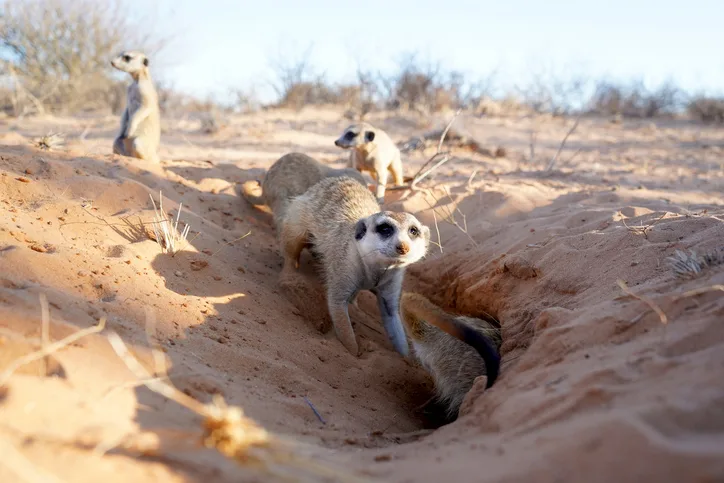 A meerkat group outside their burrow in the Kalahari Desert in Southern Africa – Getty
Meerkat burrow systems are underground to protect them from the sun and heat. The systems can be five metres long and have multiple entrances, lookout posts and sleeping chambers.
While the burrow systems made by meerkats are smaller than others on this list, they’re still carefully maintained and shared by large family groups. A group of meerkats will use up to five separate burrows at a time – so they really living in something close to a village.
Coral polyps
While coral polyps might be one of the slowest builders on this list, they create one of the most complex habitats on Earth. Over generations, coral polyps construct reef systems (more commonly referred to as coral reefs) that function as underwater megacities.
Coral polyps have a hard limestone exoskeleton at their base and a coral reef begins when a polyp attaches itself to a rock using this skeleton. This polyp then divides into clones, using this skeleton to attach to each other. A colony of single organisms is created and over time, these colonies join together, eventually becoming a coral reef.
Weaver ants
If insects weren’t already dominating this list, weaver ants also deserve a spot. By stitching leaves with larval silk, essentially using the larva “like a living tube of glue”, they form suspended tree villages. As a single colony of weaver ants can spread its nest across trees, these creatures essentially create ‘living’ bridges. This allows colonies to contain as many as 100,000 ants.
Spiders
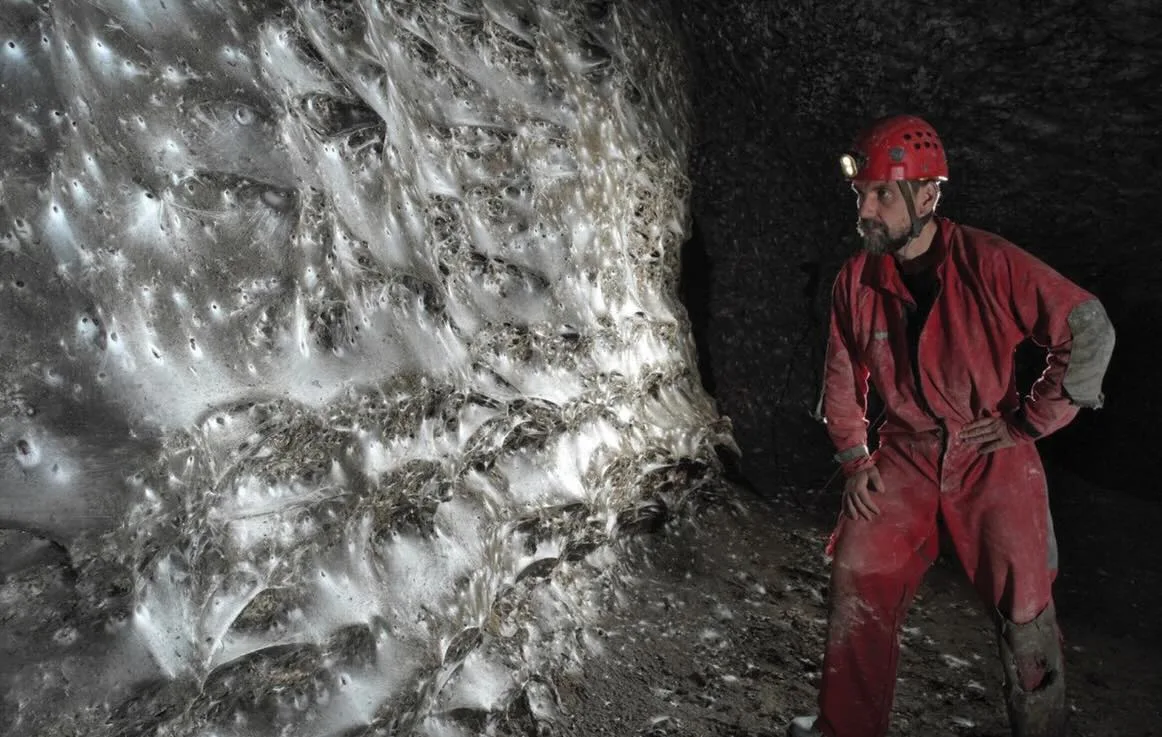 The world’s largest spider web can be found on the Albania-Greece border – Marek Audy/Subterranean Biology
While most spiders are solitary, scientists discovered a huge spider’s nest (thought to be the biggest in the world) in an underground cave.
But what puzzled them the most was the fact that two different spider species were found in it: something that has never been documented before.
Monk parakeets
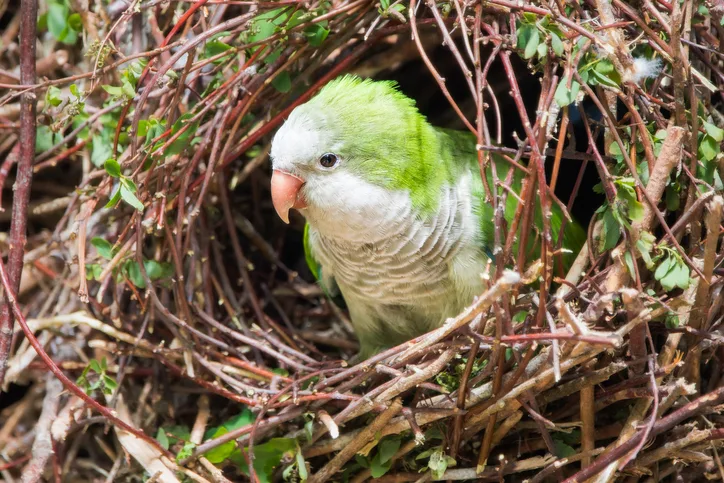 Monk parakeets build large, communal nests in urban and suburban areas – Getty
Monk parakeets are the only members of the parrot species to build their own nests. And they’re certainly impressive, as they’re sometimes the size of a small car. Each chamber is inhabited by a family group, with separate entrances being built for each breeding pair.
Originally a woodland species, the monk parakeet has spread to cities where they build their huge nests in trees or human-made structures such as telegraph poles. This has caused such a problem in places such as Madrid that they are considered fire risks – and you certainly wouldn’t want one falling on your head.