
BURLINGTON, Vt. (WCAX) – Vermont’s energy standards and what they cost you could be in for a big shakeup.
That’s as state officials consider a move toward what they call clean — rather than renewable – energy.
Under the renewable energy standard, most Vermont utilities are required to source 100% of their electricity from renewable sources by 2030.
While renewables make up the majority of Vermont’s electric energy portfolio, about a fifth comes from nuclear.
Since nuclear isn’t renewable, Vermont spends about $5 million annually on renewable energy credits to meet state renewable standards. To save that five million bucks, Governor Scott wants to require utilities to source electricity from clean sources instead of renewable sources.
Clean energy is generally considered to be carbon-free.
State leaders say nuclear would fall under the “clean” umbrella, though some people question just how clean it is.
We posed the question to Vermont’s public service department commissioner.
Reporter Sophia Thomas: Can we really consider it clean?
Kerrick Johnson: I think it’s accurate to say any energy source has its drawbacks, whether it’s mining for the materials you need for solar panels or evs, you know, the rare earths, all the challenges.
On the nuclear front, UVM professor Amrit Pandey says it’s radioactive waste – the byproduct of nuclear energy generation – that could be considered unclean.
“It is clean in that sense because it’s not releasing, per se, as a process of producing electricity, carbon in the atmosphere. That being said, when the fuel is used, you have spent fuel, and I think that’s where there are a lot of questions on how best to manage that,” said Pandey.
Johnson believes part of the answer could lie in nuclear waste sites up for consideration across the country.
Reporter Sophia Thomas: How much does the aftermath come into play there?
Johnson: That’s a really fair question…The promising thing here from the trump administration is that they are seeking to recruit willing communities that have the correct geology to host and serve as a repository for the nation’s nuclear waste.
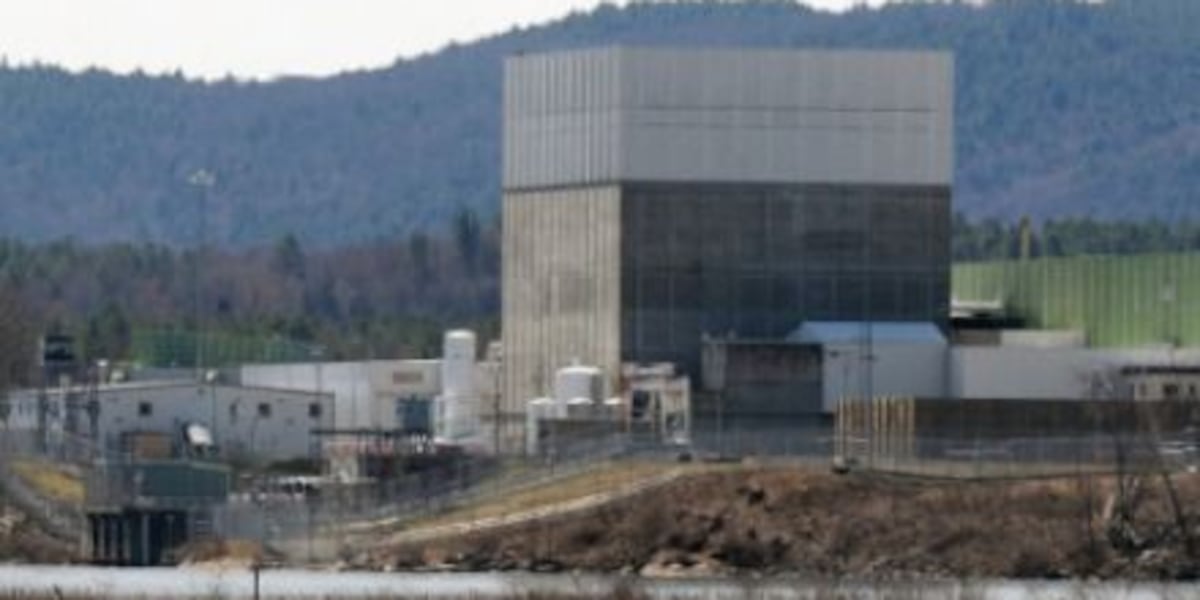
Vermonters hotly contested the decommissioned Vermont Yankee nuclear power station and its nuclear waste stored in Vernon.
Now, there’s a bill before the legislature that proposes to create a committee to study whether to build another nuclear facility in Vermont.
Professor Pandey points out that if Vermont officials call nuclear waste into question, they must also consider renewable byproducts like scrap solar panels.
Copyright 2026 WCAX. All rights reserved.