
The Trump administration reached a trade deal with Taiwan on Thursday, with Taiwan agreeing to remove or reduce 99 per cent of its tariff barriers, the office of the US Trade Representative said.
The agreement comes as the US remains reliant on Taiwan for its production of computer chips, the exporting of which contributed to a trade imbalance of nearly US$127 billion during the first 11 months of 2025, according to the Census Bureau.
Taiwan’s exports to the US will be taxed at a 15 per cent rate or the US government’s “Most Favoured Nation” rate, the USTR’s office said. The 15 per cent rate is the same as that levied on other US trading partners in the Asia-Pacific region, such as Japan and South Korea.
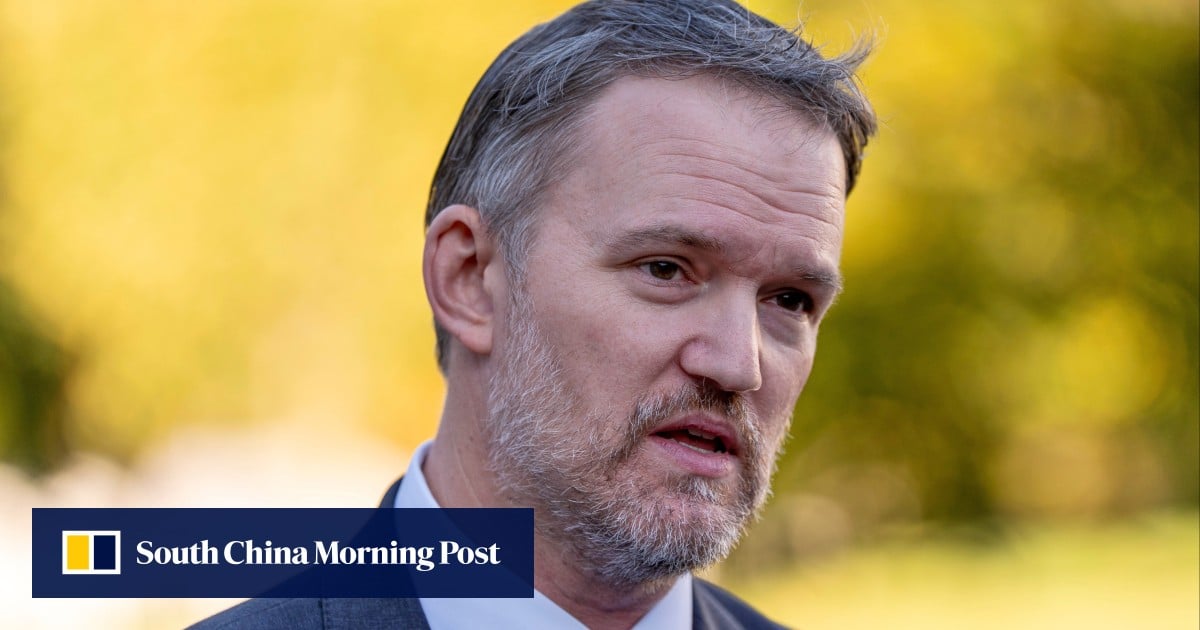
Trade Representative Jamieson Greer attended the signing of the reciprocal agreement, which occurred under the auspices of the American Institute in Taiwan and the Taipei Economic and Cultural Representative Office in the United States.
Taiwan’s Vice-Premier Cheng Li-chun and its government minister Yang Jen-ni also attended the signing.
The deal comes ahead of US President Donald Trump’s planned visit to China in April and suggests a deepening economic relationship between the US and Taiwan.
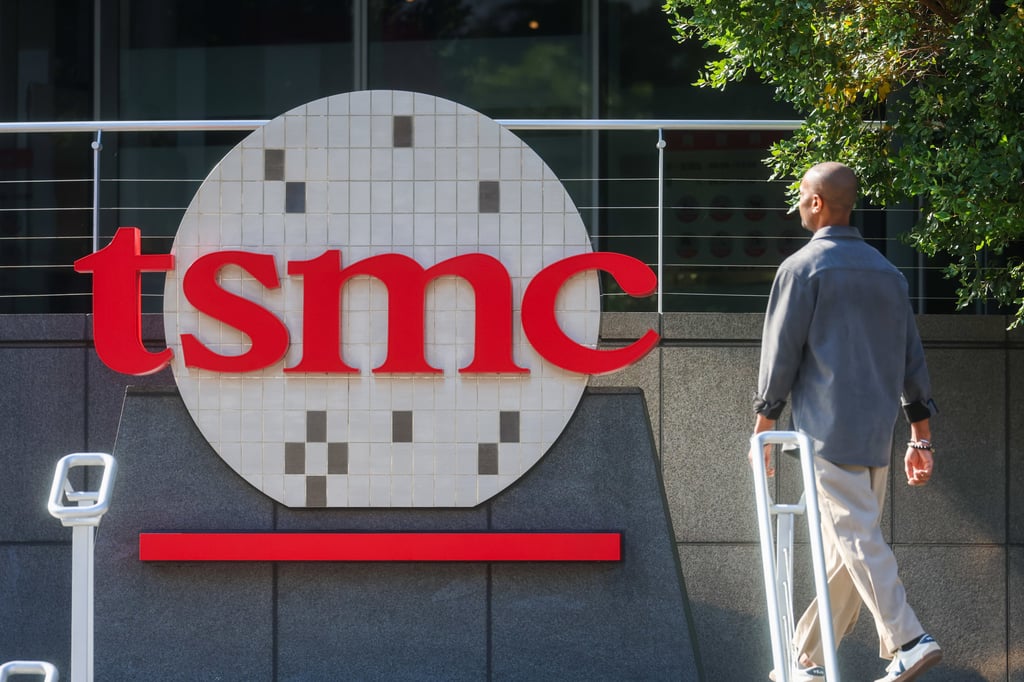 A worker walks past the TSMC logo in Hsinchu, Taiwan, in January. Photo: AP