
Building an economy centered on caring for people begins with valuing those who support the physical, emotional, and developmental needs of others. The care economy encompasses paid and unpaid labor by child care providers, home health aides, practitioners, and others who tend to the well-being of children, elderly adults, and people with disabilities.
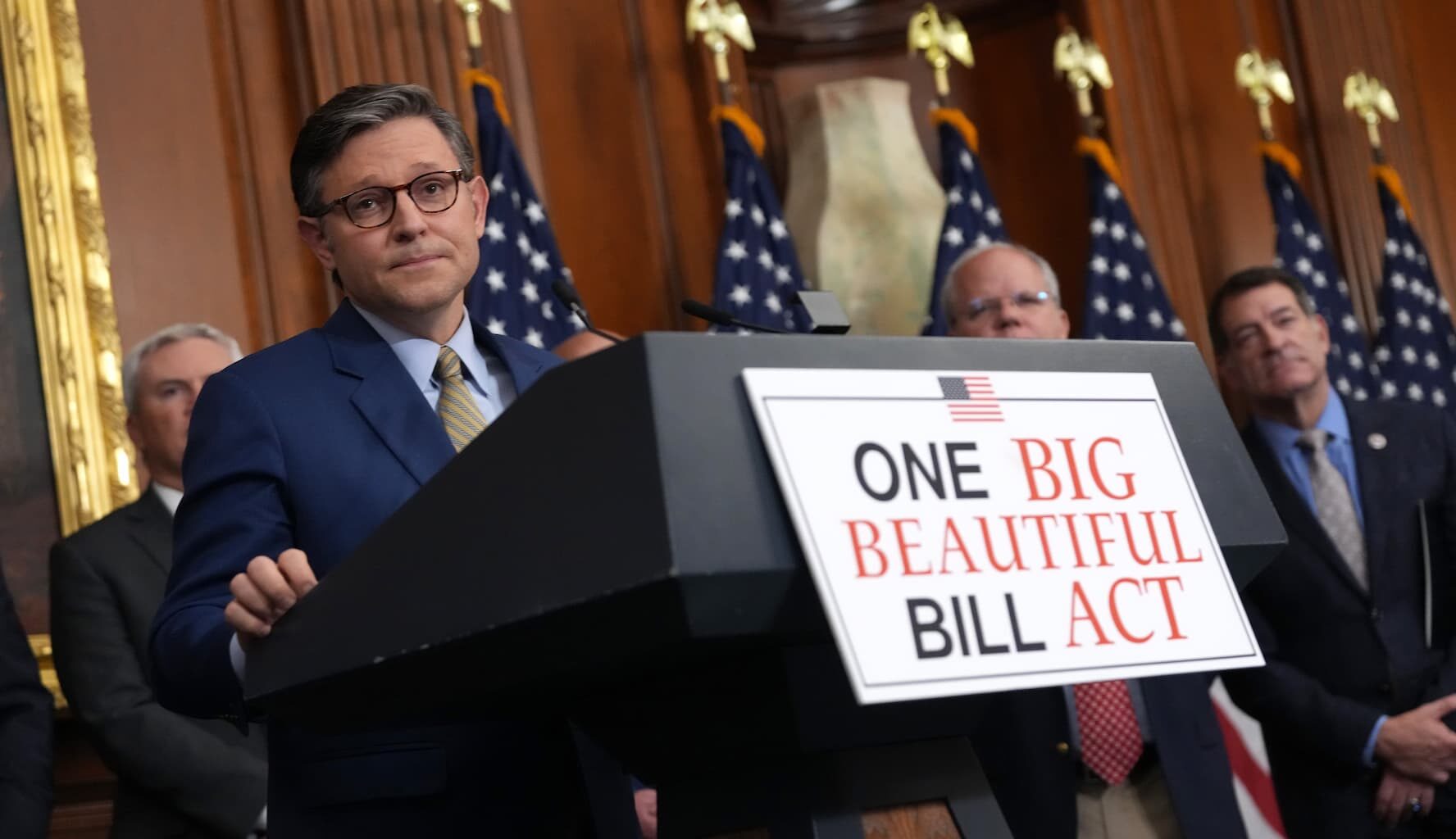
As the U.S. population ages, demand for care providers is rising. Yet workers in this sector are often underpaid, underprotected, and undervalued. Immigrants, in particular, form a core part of the care workforce. While the care economy spans multiple professions, using immigration as a lens to examine its workforce helps highlight the shortcomings of President Donald Trump’s One Big Beautiful Bill Act (OBBBA), signed into law on July 4, 2025. Without immigration pathways, several sectors of the U.S. economy will face worker shortages, and many services and products will be significantly diminished.
The broad scope of the care economy creates both value and opportunity for policymaking, but it also faces significant risks in the current political climate. As the Trump administration restricts, rather than expands, immigrant communities’ access to public programs and work permits, many families’ livelihoods are likely to be affected. The immigration provisions of the OBBBA raise an immediate question: How will the nation’s care economy survive if immigrants are restricted from providing caregiving work?
Immigrants in the care economy
Immigrants are essential to U.S. economic growth—nearly one in five workers is foreign born. They fill labor shortages in industries like agriculture and construction, contributing tax revenue that supports public infrastructure. In fact, in a 2024 report, the Congressional Budget Office projected that recent surges in immigration could raise U.S. GDP by $8.9 trillion by 2034. That projection reflects the fact that most recent immigrants are of working age.
Immigrants are heavily represented in the care economy, particularly in domestic work, which includes cleaning professionals, nannies, home health aides, and related occupations that support in-home care services, such as transportation. According to the Bureau of Labor Statistics, 42% of home health aides and 27% of personal care aides are foreign born, compared with 19% of U.S. workers overall. Among household cleaners, 62.7% are Hispanic and roughly half are noncitizens, while an estimated 142,000 nannies and babysitters are undocumented workers. In short, caregiving—an industry that is difficult to staff because of low wages, physical labor, and limited benefits—would likely collapse without immigrant labor.
Immigrants’ disproportionate presence in domestic work and the health care economy mirrors broader patterns of occupational segregation in the care sector by race and gender. Hispanic and Black women make up much of the workforce in child care centers and nursing homes. Of the 2.2 million domestic care workers in the U.S., 90.2% are women, 28.6% are Hispanic, and 21.6% are Black, compared with all other U.S. workers, 46.3% of whom are women and 62.3% of whom are white. People with lower socioeconomic status are also overrepresented in care work. Because caregivers are more likely to be paid below minimum wage and less likely to receive benefits such as insurance or employer retirement contributions, these already marginalized individuals are especially vulnerable to food insecurity, housing instability, and limited access to health care.
Immigrant care workers face additional risks. The share of immigrants in the overall direct care workforce is growing, rising from 24% in 2018 to 28% in 2023. They are burdened with fears of deportation on top of a higher likelihood of lacking protections under workers’ rights laws (e.g., minimum wage, overtime, safe work conditions), are often overworked, and many are subject to sexual harassment. The overrepresentation of immigrants in the care economy underscores the need to examine how the Trump administration’s immigration policies may affect all caregivers, with broader implications for the U.S. economy and care recipients.
President Trump’s position on immigrants
Since taking office in January 2025, the Trump administration has made substantial changes to federal immigration policy and increased the intensity and threat of detention and deportation. These actions include signing executive orders aimed at removing birthright citizenship,1 expanding the process of expedited removal and deportation, and ending humanitarian parole programs for Venezuelans, Cubans, Haitians, and Nicaraguans. The effects of these policies have led to nationwide protests and a climate of fear that has affected immigrants’ daily routines and behavior.
The passage of the One Big Beautiful Bill Act is another example of how Trump and Republicans in Congress are reshaping immigration policy. Key provisions in the OBBBA that impact immigrant communities include:
Expanded deportation and law enforcement funding, including for hiring and training agents, transporting and deporting immigrants, constructing new immigrant detention facilities, and removing unaccompanied children. For instance, over $170 billion is allocated to Immigration and Customs Enforcement (ICE), Customs and Border Protection (CBP), the Bureau of Prisons, and the Department of Justice. Potential effects of expedited removal include immediate labor shortages, which have already been documented in agriculture and in nursing homes. Furthermore, fears of deportation result in a chilling effect in which undocumented immigrants and their naturalized relatives reduce their use of public services and remain at home.
Increased application fees were implemented immediately, including those for employment authorization, temporary protected status, and asylum. Employment authorization and work permits now require a $550 fee; temporary protected status applications increased from $50 to $550; and asylum applicants must pay a one-time $100 fee, plus $100 for each year their case remains open. These added financial barriers to immigrant-specific applications could deter some immigrants from acquiring work permits, potentially increasing the number of undocumented workers without workplace protections, including those in domestic and health care jobs. For particularly vulnerable groups, such as the 55% of household cleaners whose income is two times below the federal poverty level, legal pathways to work and live in the United States may become increasingly out of reach.
Medicaid eligibility restrictions, limiting access to benefits to U.S. citizens and naturalized residents, lawful permanent residents, Cuban or Haitian entrants, and individuals lawfully present under a Compact of Free Association (COFA). Only “qualified noncitizens” are eligible for Medicaid, and the OBBBA removed several groups from that category, specifically refugees and asylees. The new restrictions take effect on Oct. 1, 2026. Policy effective dates for key health care provisions vary, with some taking effect immediately and others phased in over time. The mix of retroactive, immediate, and phased-in timelines—alongside misinformation about the law—has created widespread confusion about who is eligible, who is not, and what services different groups can legally access.
Notably, seven states plus Washington, D.C., have extended Medicaid to income-eligible adults regardless of immigration status, though barriers remain, including a five-year waiting period. Medicaid is especially important to domestic workers, most of whom work as independent contractors and do not receive employer-based health insurance. Many low‑income citizens rely on Medicaid to access and pay for health care, and care‑economy workers also depend on Medicaid in order to be paid for their labor.
Changes to Supplemental Nutrition and Assistance Program (SNAP) eligibility, removing access for undocumented residents. Updated criteria now limit access to U.S. citizens and naturalized residents, lawful permanent residents, Cuban or Haitian entrants, and individuals lawfully present under COFA. The reduction in SNAP access will likely worsen nutritional challenges faced by domestic workers; in 2022, eight in 10 reported experiencing food insecurity.
In short, the OBBBA increases the surveillance of immigrants through expanded funding for Homeland Security and other federal agencies, and it removes access to basic medical and food assistance for low‑income immigrant populations.
Where does the removal of these protections leave states?
The care economy, already in crisis, may face significant disruptions as OBBBA policies are implemented and enforced. Without immigrant labor, particularly in low-wage, hard-to-fill jobs, health care services could be severely reduced, and their quality could decline.
Particularly, staffing shortages in child care and health care could lead to limited options for reliable child care, longer wait times, and a higher likelihood of poor health outcomes or even mortality. In nursing homes and child care centers, some employees are avoiding work due to fears of immigration-related raids, employers are seeing fewer job applicants, and families are avoiding taking their U.S.-born children to doctor’s appointments and school—patterns that can affect long‑term health and educational outcomes. In addition, labor supply shocks leave the nation’s approximately 1.2 million nursing home residents in institutions with strained resources, staff shortages, and burned-out workers. These downstream effects will reverberate across the broader U.S. workforce and harm populations that rely on care.
One policy solution: Domestic Worker Bill of Rights
Staffing shortages among caregivers, who support the well‑being of some of the nation’s most vulnerable individuals, raise concerns for the health of current and future generations. Prioritizing the nation’s care workers is therefore synonymous with protecting immigrant populations and safeguarding the people they care for.
One potential approach is for states implement a Domestic Worker Bill of Rights, which offers a viable way to protect caregivers regardless of immigration status. According to the National Domestic Workers Alliance, such bills are enacted by state legislatures or local governments and include provisions that guarantee basic rights such as minimum wage, overtime pay, rest breaks, safe working conditions, protection against discrimination and harassment, and paid sick leave. A domestic worker bill of rights also helps establish written contracts that build trust between employers and employees by clarifying the nature, duration, and compensation of the job.
For instance, California’s Domestic Worker Bill of Rights, which updated Wage Order No. 15, protects home health aides, nannies, housekeepers, cooks, and other household workers by guaranteeing overtime pay, rest periods, and minimum wage. In New Jersey, private household employers are required to sign contracts with their employees in their native language. Philadelphia explicitly includes immigrant workers in its hourly‑wage protections, affirming their right to work free from discrimination.
There are few workplace protections for the labor force supporting the care economy. Given that 84% of domestic workers do not have a written agreement with their employers and 36% do not receive breaks during their shifts, domestic worker bills of rights could help reduce the chilling effects of shifting immigration policies and make some immigrants feel safer and more protected at work.
Prioritizing the well-being of caregivers
Although immigrants make up only a subset of the care economy labor force, they are overrepresented and provide a substantial share of caregiving services. The health and safety of direct‑care workers should be a priority for the well‑being of the people who rely on them. Prioritizing the well‑being of care workers creates an opportunity to support the well‑being of those they serve—older adults, children, and disabled individuals who depend on caregivers for daily activities. Establishing policies that grant domestic workers legal protections, regardless of immigration status, is crucial to maintaining caregiving services supported by Medicaid, Medicare and other health care programs and private insurance.
Current estimates project that between 7.5 million to 10 million low-income people will lose Medicaid coverage, 15 million people will become uninsured, and millions more will go without coverage due to rising health care costs. This will be especially detrimental for older adults, people with disabilities, and caregivers. Losing health care coverage carries significant consequences; current reports indicate that the OBBBA will lead to worsening chronic conditions among older adults, a surge in uncompensated care for hospitals, increased cost‑sharing that discourages low‑income people from seeking care, more burdensome enrollment processes, chronic understaffing and underpaid health care workers caring for vulnerable populations, and higher costs as the federal government shifts expenses to the states. If nothing changes, the full implementation of the OBBBA will cut off access to health care coverage, reduce access to long‑term care, deepen staffing shortages and raise health care costs for everyone.