
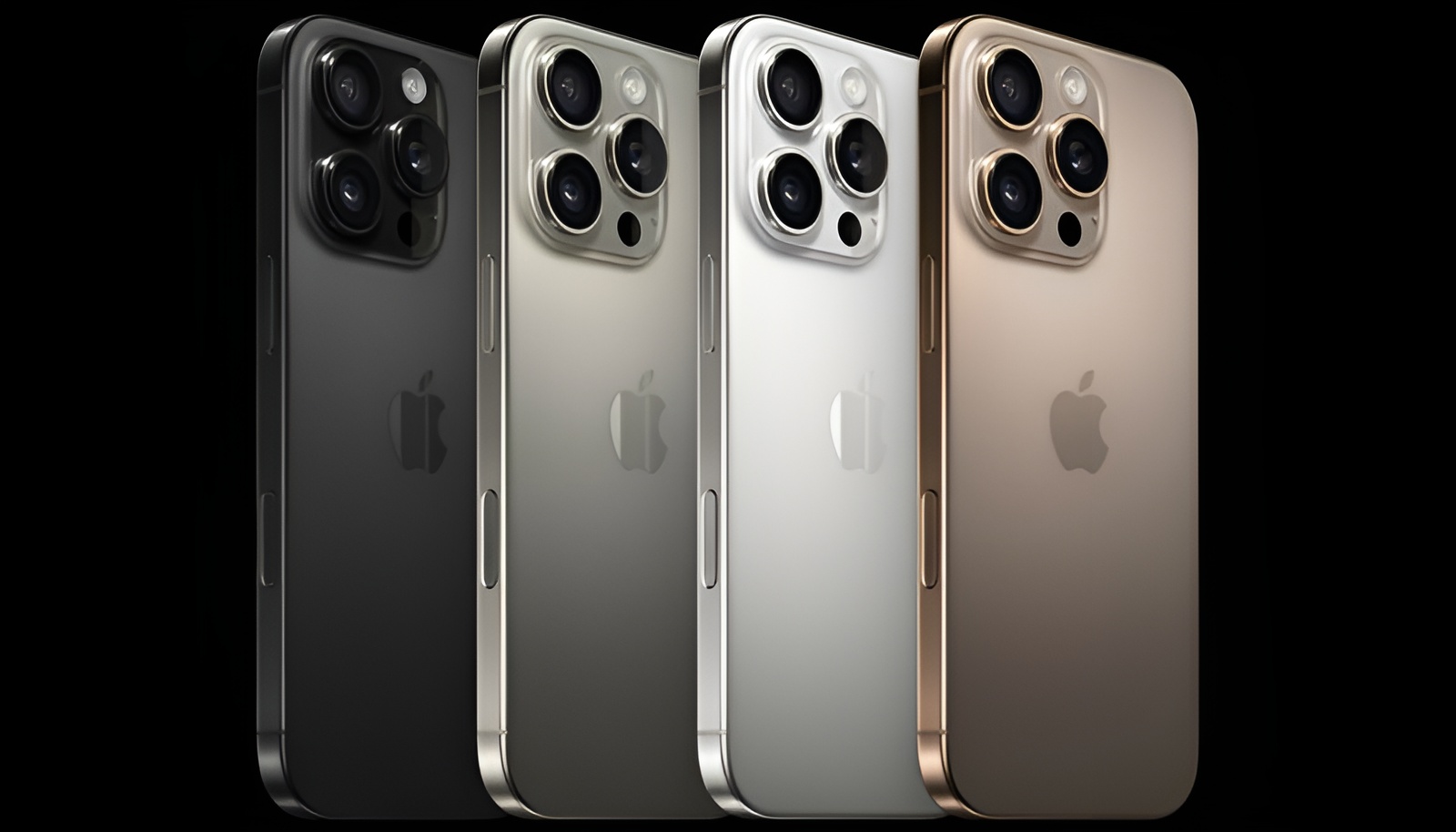
Apple used a specific aluminum alloy within the iPhone 17 Pro Max to ensure the model’s beefed-up heat dissipation capacity. However, that alloy is now leading to worrying cases of people’s phones being dented even when secured by a case, negating the entire raison d’être for encasing your iPhone 17 Pro Max in the first place.
Apple uses a 5080-series aluminum alloy for the iPhone 17 Pro Max and a 6000-series one for the base iPhone 17, leading to very different denting outcomes
Haven’t been on in a while but can’t help but share. We all know aluminum is soft & many factors go into a fall & whether damage is sustained or not – but yeah, #iPhone17ProMax really will dent in a case if it falls. #dbrand Grip Case. Case is perfect. Fell from still stroller😞 pic.twitter.com/K7kLqTBBcp
— Erica Griffin (@iAm_erica) February 12, 2026
Erica Griffin recently posted images of her dented Apple iPhone 17 Pro Max, clearly showing the frame damage despite the fact that her phone was encased within a plastic shell.
The iPhone 17 Pro Max is using a 5080 because of thermal management. With the Pro Max’s new vapor chamber, Apple picked alloy for heat dissipation over just raw tensile strength. Materials science > marketing hype.
A56 and iPhone 17 uses 6000 series and has zero dent issues https://t.co/Q4CLn3DtuR
— Schrödinger (@phonefuturist) February 13, 2026
The tipster Schrödinger then explained the root cause behind this apparent fragility: the Apple iPhone 17 Pro Max uses a 5080-series aluminum alloy for improved thermal management. This alloy, however, renders the iPhone 17 Pro Max much more susceptible to damage than the base iPhone 17 variant, which uses a 6000-series aluminum alloy.
This comes as we reported a few months back that the alloy used within the frame of the iPhone 17 Pro Max renders the phone vulnerable to corner impacts.
Of course, the iPhone 17 Pro Max features a laser-welded aluminum chamber that contains deionized water, which absorbs heat from the components and turns into vapor, effectively cooling down the critical components in close proximity. The vapor then moves away from the heat source, cools by transferring heat to the outer frame, and turns back into liquid water. The cycle continues to repeat.

Even so, given the apex iPhone 17 variant’s powerful A20 Pro chip, Apple chose to use an aluminum alloy with an improved heat dissipation profile to prevent thermal throttling issues. This decision, however, is now costing some users dearly in terms of the overall aesthetics of their pricey phone.
Follow Wccftech on Google to get more of our news coverage in your feeds.