
Patricia McConn stepped onto her porch Thursday and crinkled her nose.
It was to look through binoculars she just bought on Amazon. Not in response to the pungent smell a neighbor anonymously reported nearby this past fall.
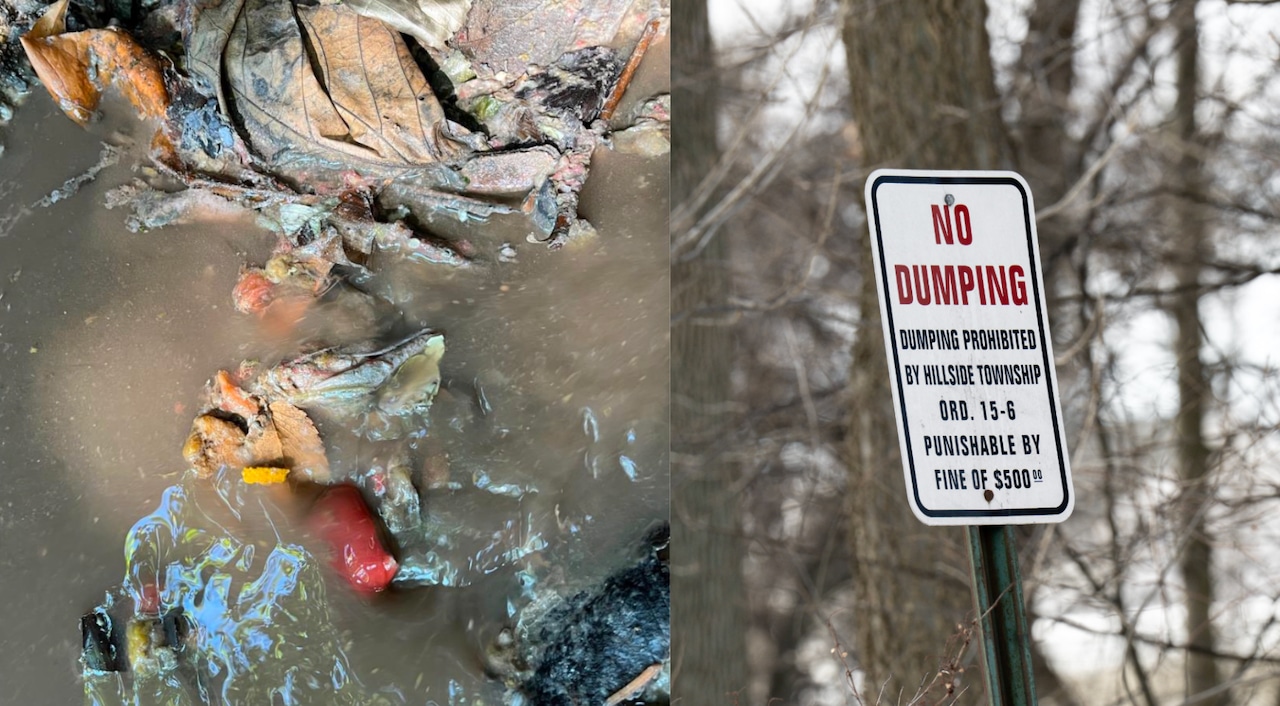
Someone took a whiff of an “odorous, slimy residue” at the roughly 12-mile Elizabeth River tributary and called it in.
The sticky stuff appeared white and gray by the waterway and, federal inspectors found, red and brown discharge inside a suspected source of the problem, a produce company.
It all came as news to McConn, a systems analyst in her 50s from Hillside, that the Environmental Protection Agency was in her neighborhood at all. Let alone investigating industrial pollution at the tributary.
Thus far, federal officials have linked the issue to the nearly century-old Gargiulo Produce.
The company is one of the largest receivers of fresh fruits and vegetables on the East Coast, according to its website. It also got a $111M defense department contract four years ago to supply schools with goods, a news release showed.
“If it’s going to cause a health issue, then yes, it needs to be cited,” McConn said of the food service distributor that regularly brings truck traffic to the area but otherwise is not a bother. “But no, I didn’t know.”
McConn hopes state and federal regulators keep her and others in the area informed of any important updates that may impact families’ health.
As of now, only the EPA’s probe — which is still ongoing — will make clear whether there should be reason for alarm, two experts told NJ.com. It’s also not clear if the pollution could have other sources.
After the compliance letter, “Gargiulo Produce immediately stopped the discharge and is currently working on (a) longer-term plan,” Nikita Joshi, an EPA spokesman, said Friday afternoon.
Early findings — and simply the fact four months have elapsed with no reports of impacts to people or animals — are positive signs.
More will be known soon, experts said.
Gargiulo Produce this week did not respond to multiple requests for comment. The company has not been penalized financially but federal regulators asked it take steps to address issues that were flagged.
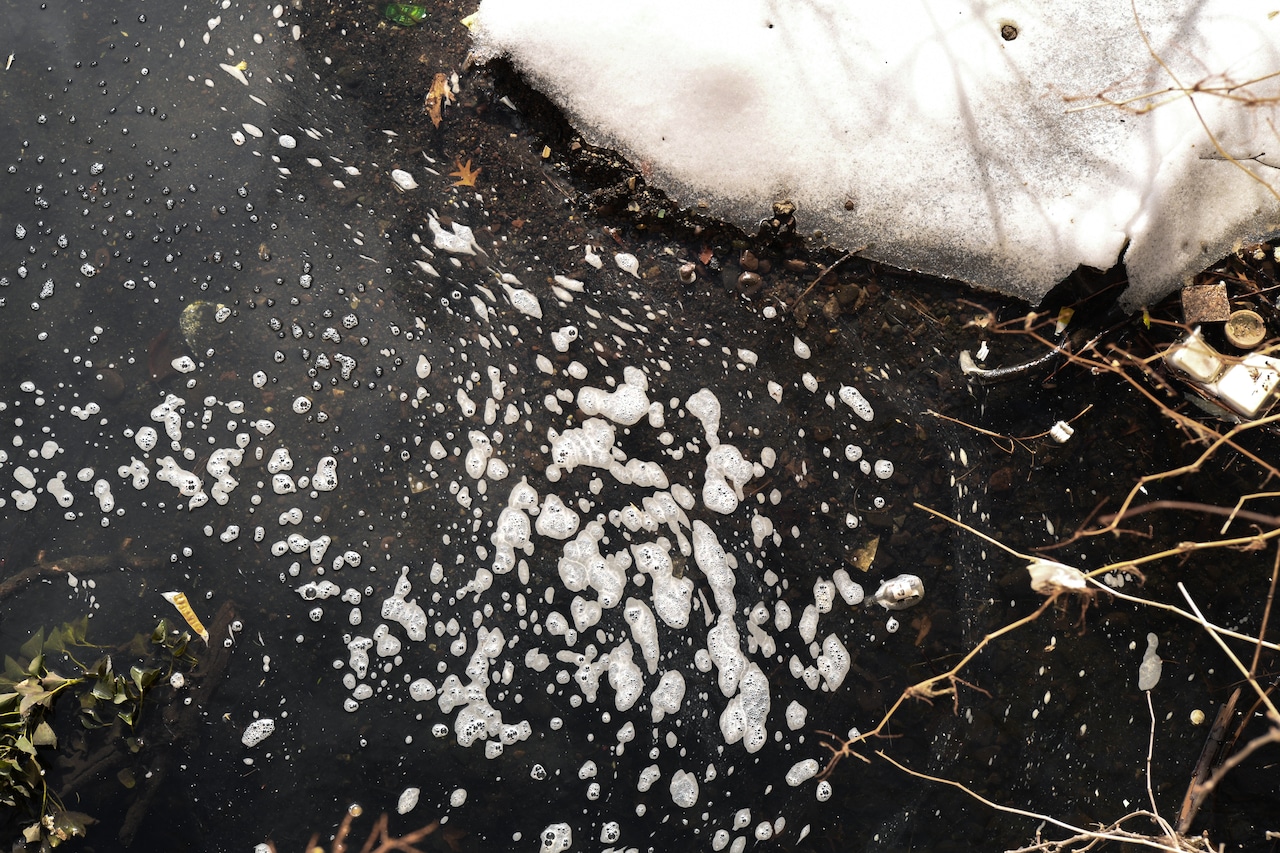 A view of the Elizabeth River in Hillside, NJ on Thursday, February 12, 2026John Jones | For NJ.com
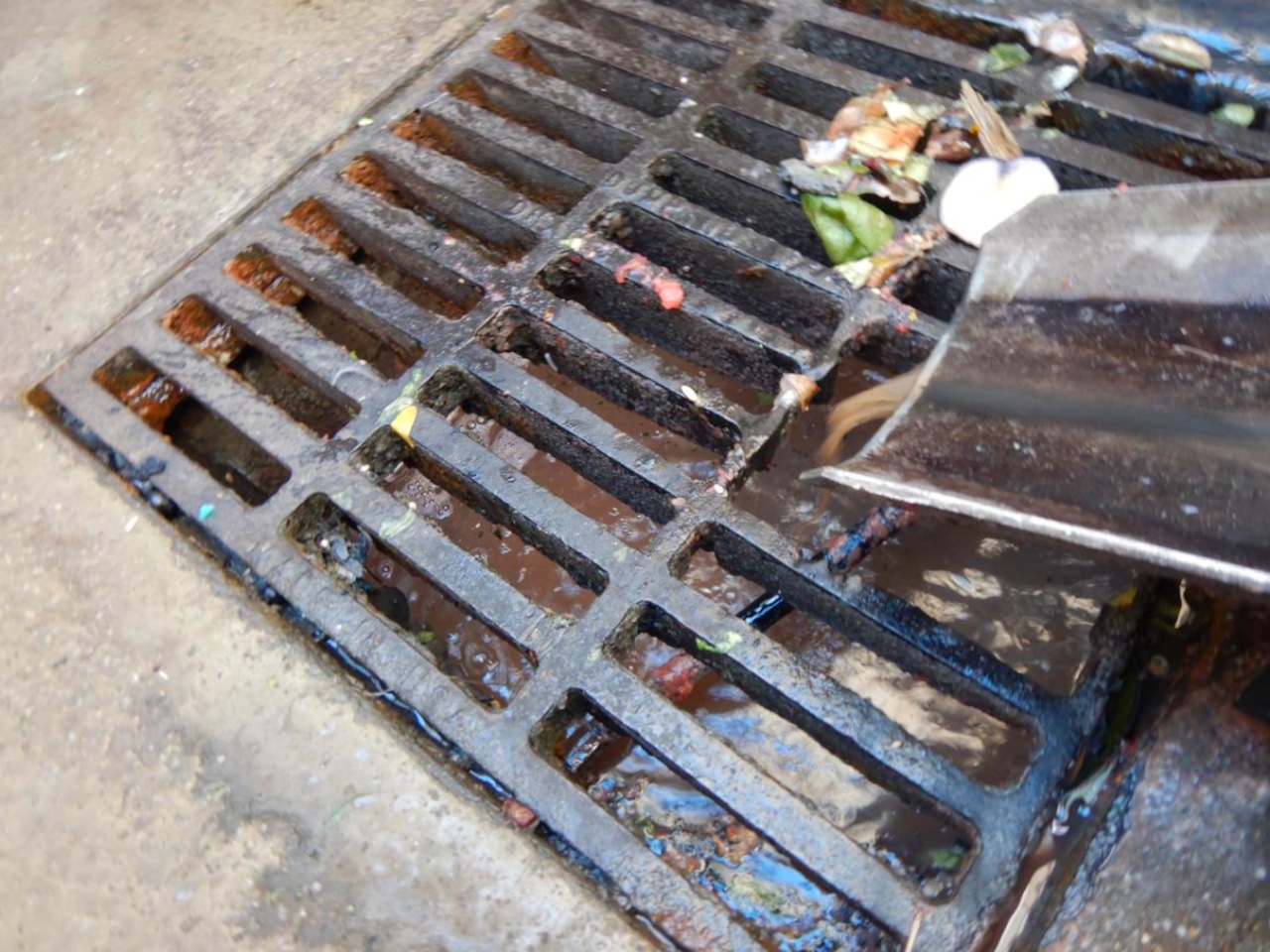 Discharge from the crushed fruits and vegetables into a catch basin via
a pipe connected to the compactor which discharges into the Hillside separate storm sewer system, according to the Environmental Protection Agency.Courtesy of the Environmental Protection Agency‘Crushed produce and particulate matter’
On a sunny day in October, the EPA visited Gargiulo Produce’s nine-acre Hillside facility following a resident’s complaint.
It was a surprise inspection.
Federal regulators said they were mindful that Gargiulo’s stormwater flows into the Hillside Municipal Separate Storm Sewer System discharging into the tributary.
Samples were collected, a meeting was held with the owner and a walk-through then followed.
Discharge flowing from an outfall pipe at the facility “was observed to have residuals of crushed produce and particulate matter,” according to a December 2025 letter and inspection summary sent by the EPA to Gargiulo Produce, obtained by NJ.com via a Freedom of Information Act request.
In addition, inspectors said they smelled “a strong odor.”
Images from the facility, and obtained by NJ.com, showed piles of vegetables, fruits and other unidentifiable gunk congealing on a drain and in the back of a truck.
At the time of the inspection, the EPA said the produce company did not have a “Basic Industrial Stormwater General” permit or “National Pollutant Discharge Elimination System” permit. Both are standard, a health expert said.
The NJDEP has not cited Gargiulo Produce for water violations in the past, state spokesman Larry Hajna said Friday afternoon.
“Gargiulo does not have a NJPDES stormwater permit. Under the regulations, it is a facility’s obligation to apply for necessary permits. The DEP is reviewing,” he added.
On Feb. 5, the EPA issued an administrative order requiring Gargiulo Produce “to stop the unauthorized discharge immediately” and “obtain appropriate permits for industrial stormwater discharges.”
The produce company was also ordered to develop practices and control measures to ensure ongoing compliance with the Clean Water Act.
Preliminary results from inspectors showed the non-stormwater discharge there had an ammonia level of 25.3 milligrams per litter. Ammonia at or above 17 mg/l for more than an hour can be detrimental for fish. No major impacts to marine life are known as of Friday.
“Luckily it’s not anything toxic” for people, Alexis Mraz, a public health professor at The College of New Jersey, told NJ.com on the phone. The EPA’s current “track down study” will reveal more on anything else detected or sampled, she noted.
Based on preliminary information provided by federal investigators, “it’s definitely not a sound the alarm situation,” Mraz said.
Nevertheless, she advised people in the area take notice and refrain from allowing their dogs to drink from the tributary.
The Elizabeth River tributary is not a source for drinking water for residents in the state.
“From a public health point of view, it’s possible that there could be pathogens but vegetable waste in particular may be less likely to have pathogens in it,” Robert Laumbach, a Rutgers University professor in the Department of Environmental and Occupational Health and Justice, said after reviewing EPA’s preliminary findings.
Like Mraz, Laumbach said more needs to be studied before saying anything too definitive.
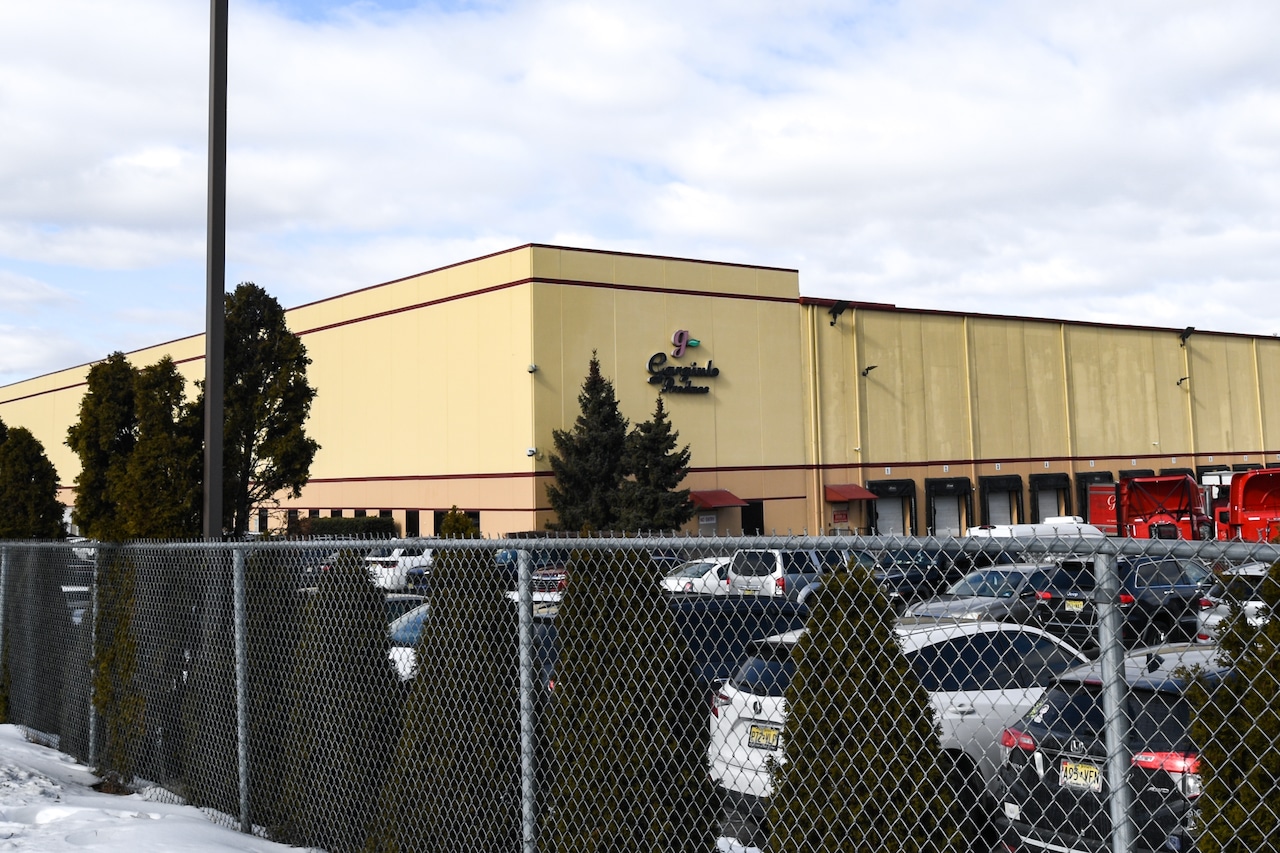 An exterior view of Gargiulo Produce in Hillside, NJ on Thursday, February 12, 2026John Jones | For NJ.com