

When you’re watching a TV show with a slow-burn approach, it can be tempting to give up and move onto something else. But some of the best TV shows ever made are a slow burn. Better Call Saul spends its first season investigating a corrupt retirement community, but it eventually gets around to some of the most shocking deaths you’ve ever seen on television.
Severance takes a while to build out its world, but it’s worth it for the show’s dystopian take on modern office politics. Pluribus takes a while to set up its body-snatching vision of a hauntingly peaceful apocalypse, but it’s worth it for the show’s examination of humanity’s flaws and triumphs. From Mad Men to The Leftovers, there are some slow-paced TV shows that are absolutely worth watching all the way through.
Severance
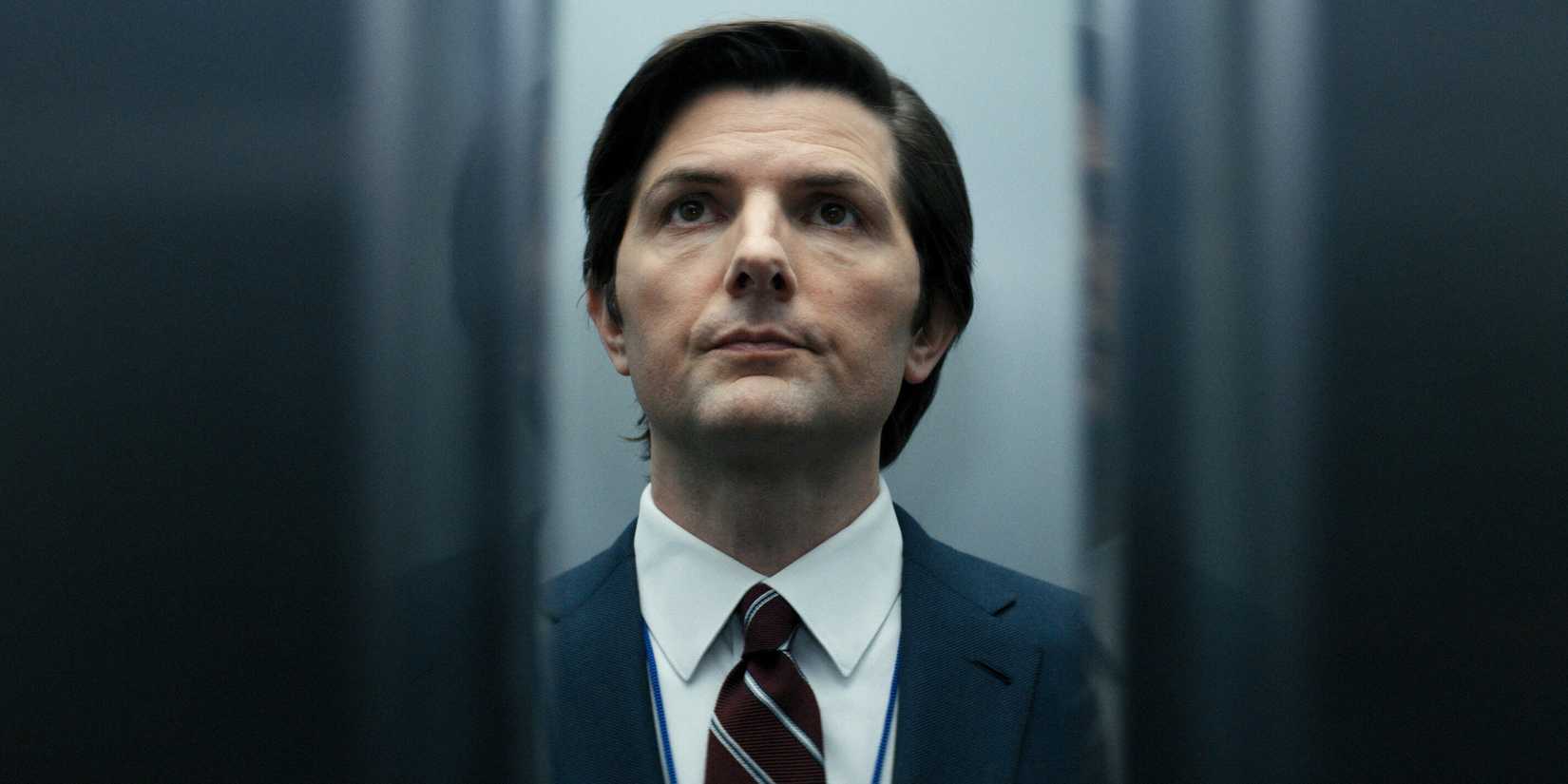
Adam Scott in Severance
There’s a lot of talk these days about the importance of maintaining a healthy work-life balance, and Ben Stiller cooked up the perfect dystopian satire of that modern foible. Severance is a quirky mix of workplace comedy and sci-fi thriller, in which the employees of a drab corporate office have surgically “severed” their work life from their home life.
After a few episodes of watching one Adam Scott do busywork in a windowless office while another Adam Scott grieves the death of his wife, you might start to wonder where it’s all going. But be sure to stick with it, because the payoffs are worth all the buildup. Severance takes its time, but it has a lot of worldbuilding to do.
The Leftovers
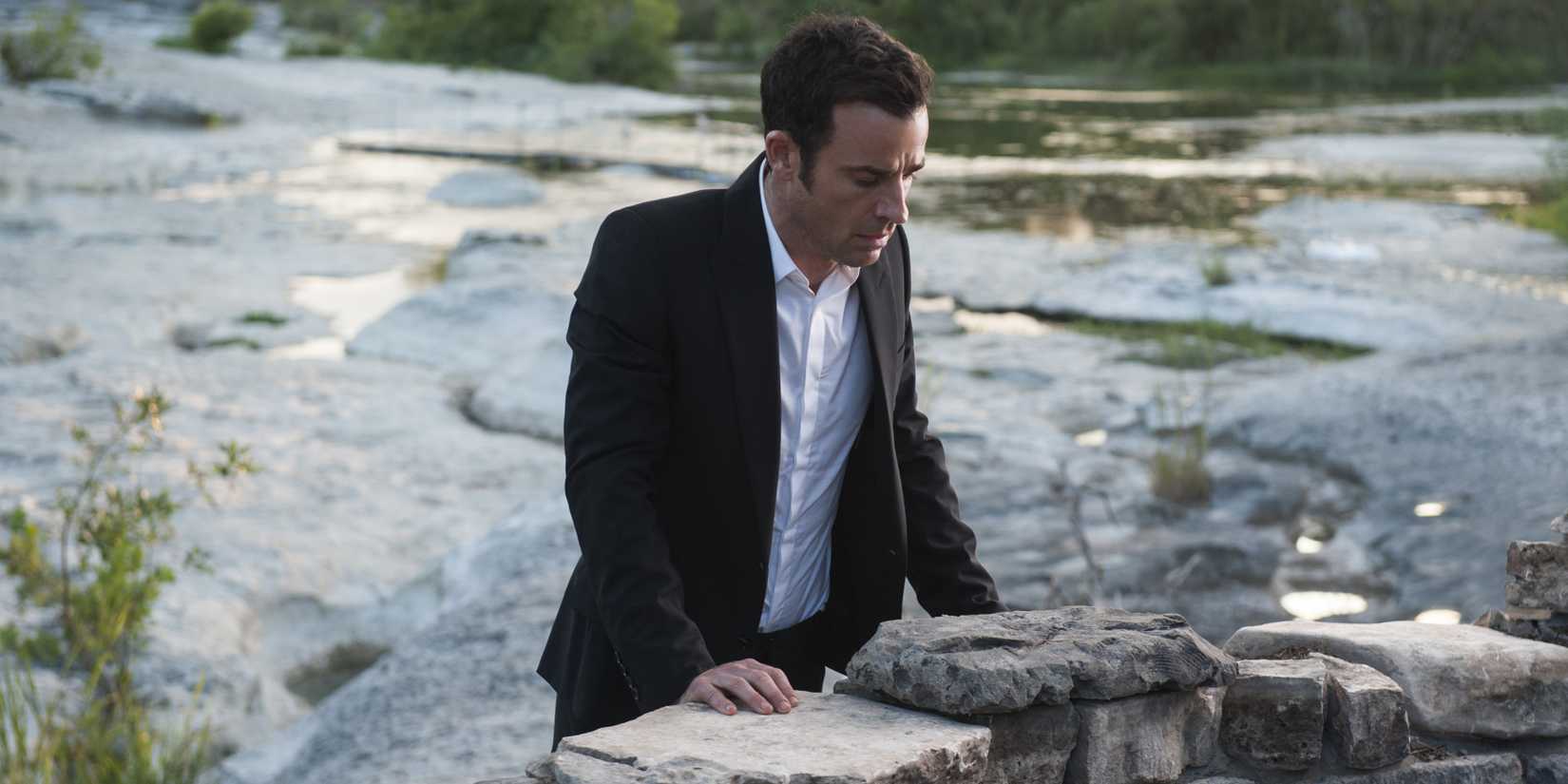
Kevin standing against a stone wall in The Leftovers
In the world of The Leftovers, a mysterious supernatural phenomenon known as “The Sudden Departure” caused 2% of the Earth’s population to vanish. It can’t be explained by science, and the disappearances are too random and scattershot to be justified by religion, so the other 98% are left scratching their heads. The Leftovers is basically the anti-Walking Dead; it’s more about post-apocalyptic psychology than post-apocalyptic destruction.
Unlike the ravaged wastelands of The Walking Dead and The Last of Us, The Leftovers takes place in a world we recognize. But the entire human race has been shaken by this collective traumatic event, and we see the impact of that trauma on a small handful of fascinating characters. The Leftovers might be slow-paced, but it’s never boring.
Six Feet Under
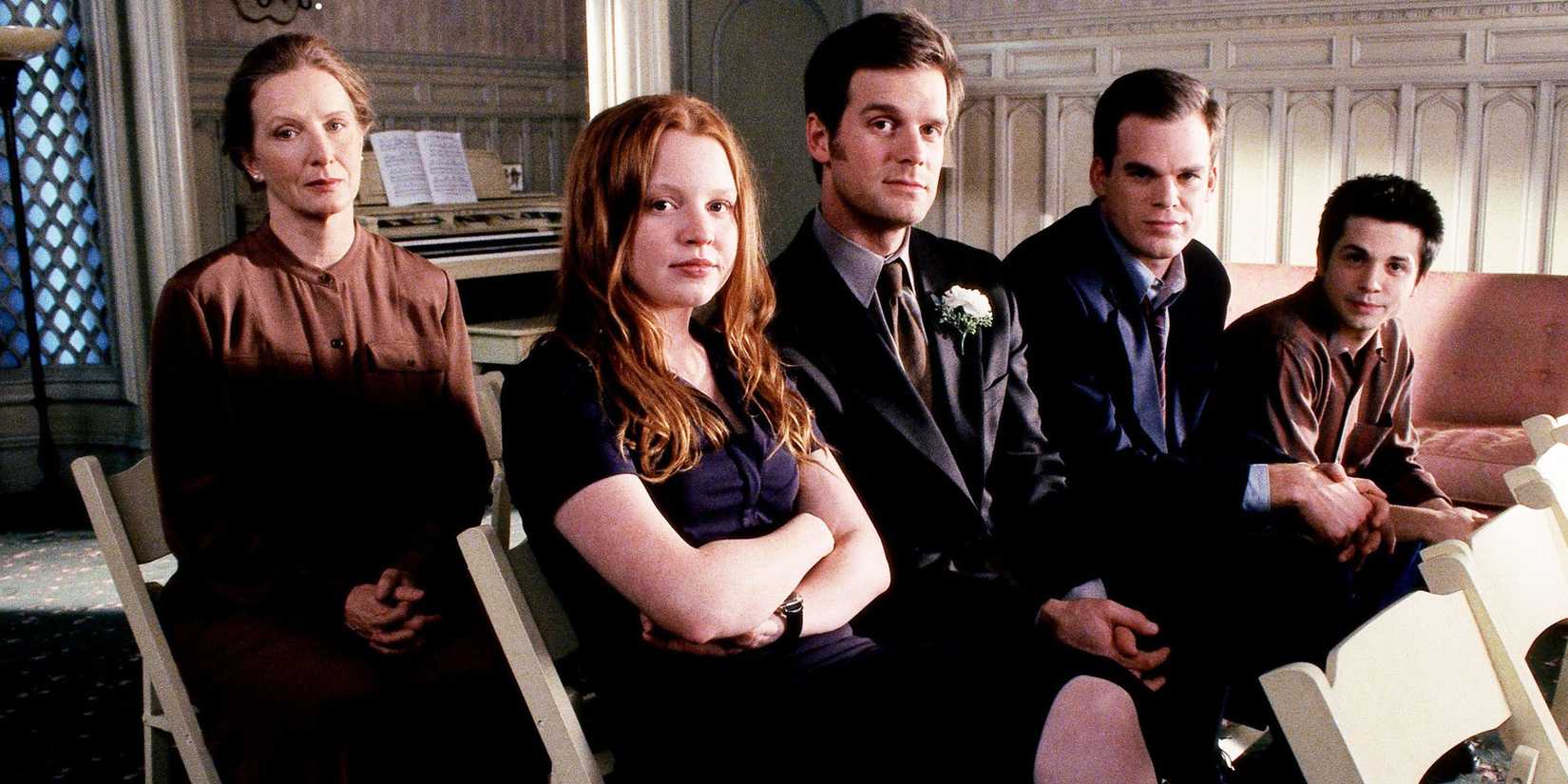
The Fisher family sitting in chairs at their funeral home on Six Feet Under
After exploring the dark underbelly of the nuclear family in his Oscar-winning script for American Beauty, Alan Ball went even deeper on dysfunctional family dynamics in his HBO series Six Feet Under. Six Feet Under begins with the untimely demise of the Fisher patriarch, and follows his family’s attempts to come together and run his funeral business in his absence.
Six Feet Under has a uniquely tragicomic tone. The series has a morbid fascination with the inevitability of death, but it’s also an uplifting celebration of life. It might not move as fast as 24 or The Shield, but it has a lot more to say about the messiness of the human experience, and the importance of family.
Better Call Saul

Jimmy and Kim in court in Better Call Saul
The first couple of seasons of Breaking Bad have been criticized for being a slow burn, but that slow burn was nothing compared to its prequel spinoff, Better Call Saul. Breaking Bad has a murder in its opening episode, and Walt blows up a drug lord’s headquarters before the season 1 finale. By contrast, Better Call Saul is much, much slower.
The spinoff doesn’t pick up the pace and match the intensity of Breaking Bad until near the end of its run. It spends a lot of its first season poring over receipts from a crooked nursing home. But, while it might not be as action-packed as Breaking Bad, it’s just as compelling. Its exploration of the dark side of the human condition is just as poignant.
Mad Men
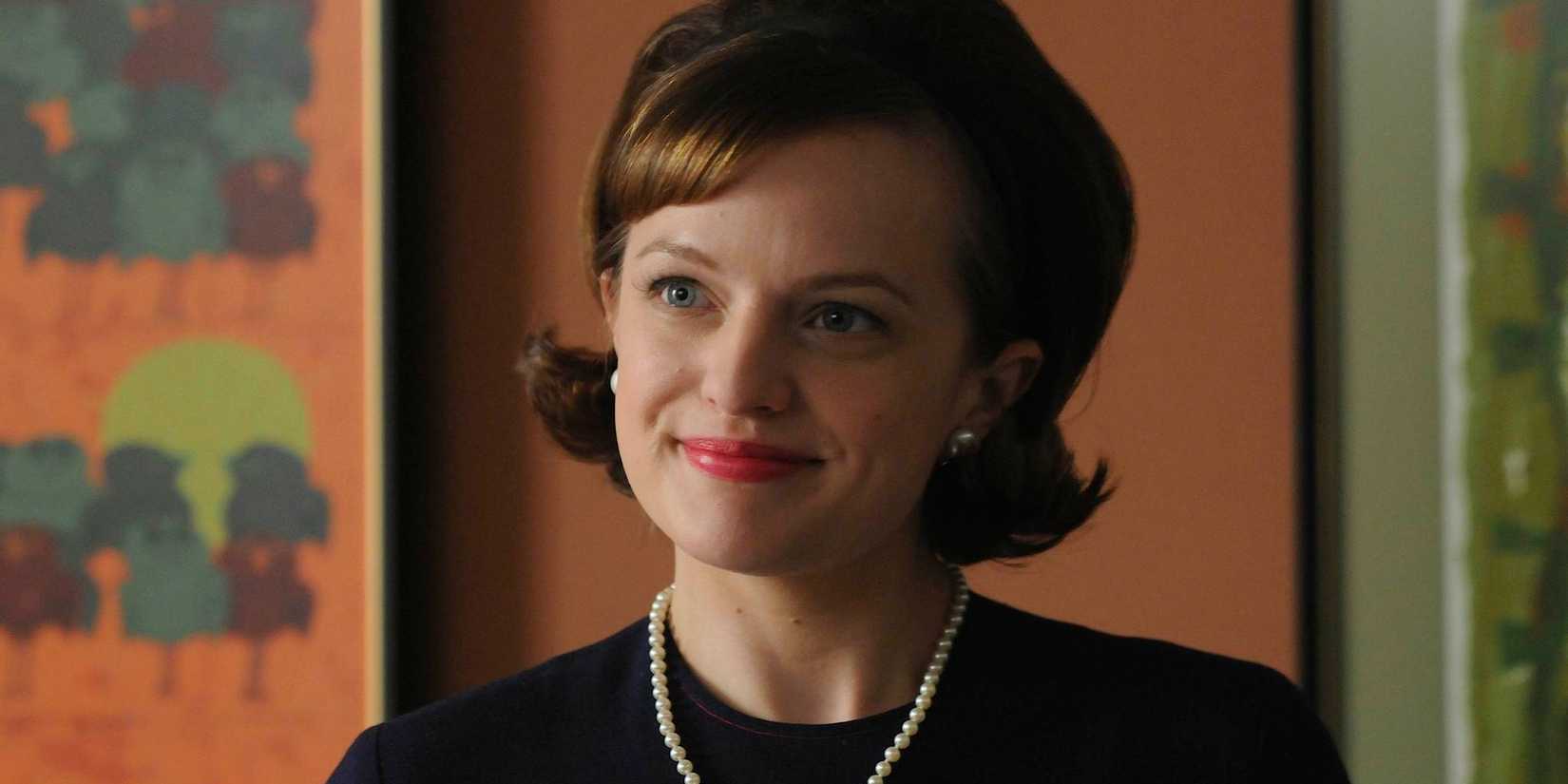
Peggy smiling in Mad Men
From The Sopranos to Breaking Bad, a lot of shows from the Golden Age of Television could rely on mob murders and drug deals gone awry to keep the audience on the edge of their seat. But Mad Men is just about a bunch of advertising executives in the 1960s. They sit around their office, chain-smoking cigarettes and knocking back daytime whiskeys, while they bask in the historical milieu.
But despite not having as much gunplay, Mad Men is just as captivating as those other Golden Age gems. It’s a thought-provoking snapshot of the ups and downs of the ‘60s: the culture, the attitudes, the social norms. The writing is richly layered; the characters are all complex and three-dimensional, and they’re brought to life by some incredible actors.
The Wire
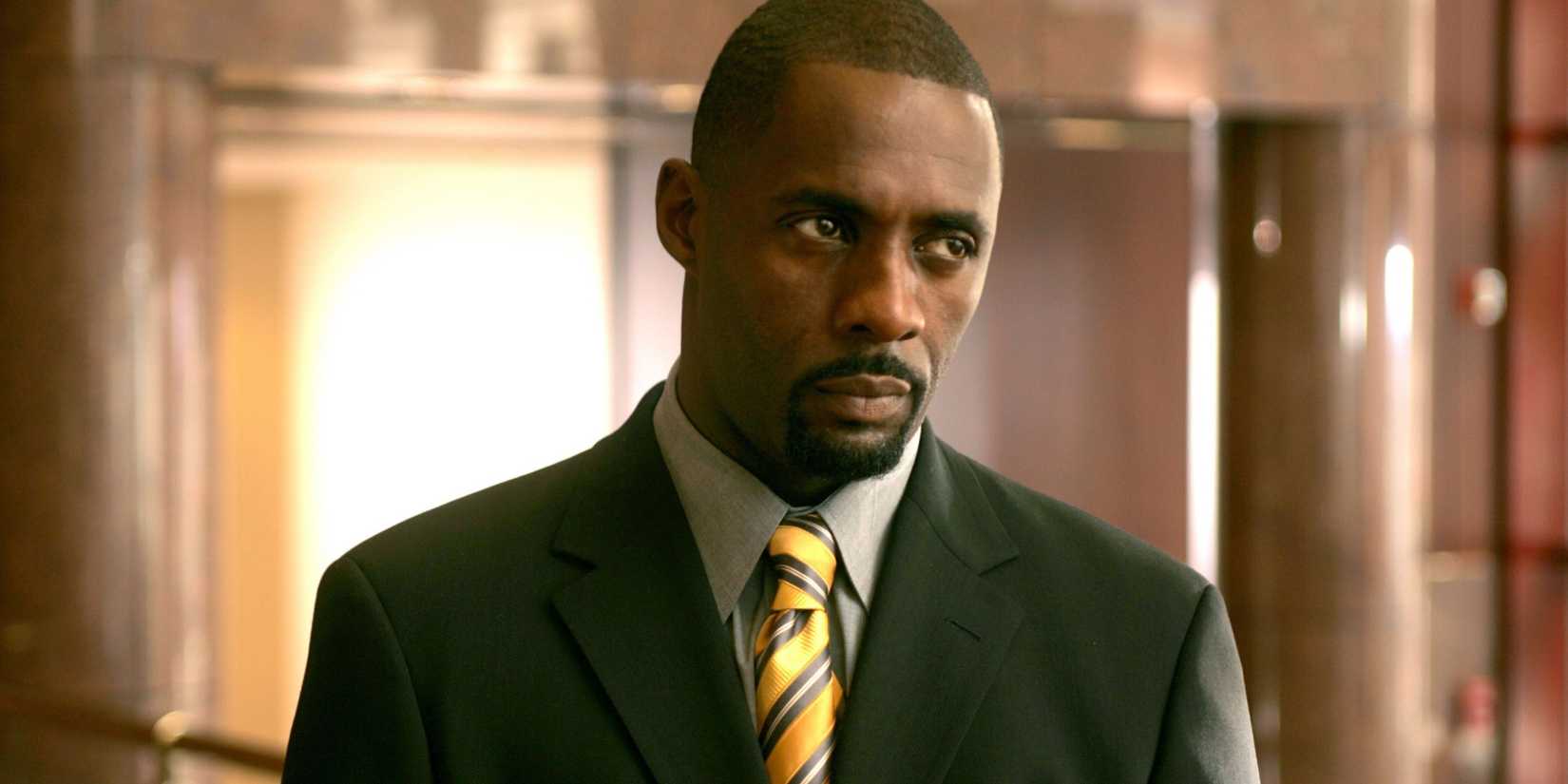
Idris Elba in a scene from The WireCredit: MovieStillsDB
The Wire is one of the most fiercely realistic cop shows ever made, and that means that not a lot happens on a day-to-day basis. It takes the detectives in Major Crimes years to build a case against a powerful criminal figure like Marlo Stanfield, and sometimes the case doesn’t even stick. But that’s how life goes; it’s not like CSI.
David Simon wrote The Wire as an incisive critique of American society, and the broken institutions that maintain the class divide and keep crime rates up. You have to be patient, because this isn’t an action-packed show — it almost feels like a fly-on-the-wall documentary authentically capturing the communities it depicts — but it’s one of the most rewarding shows ever made.
Pluribus
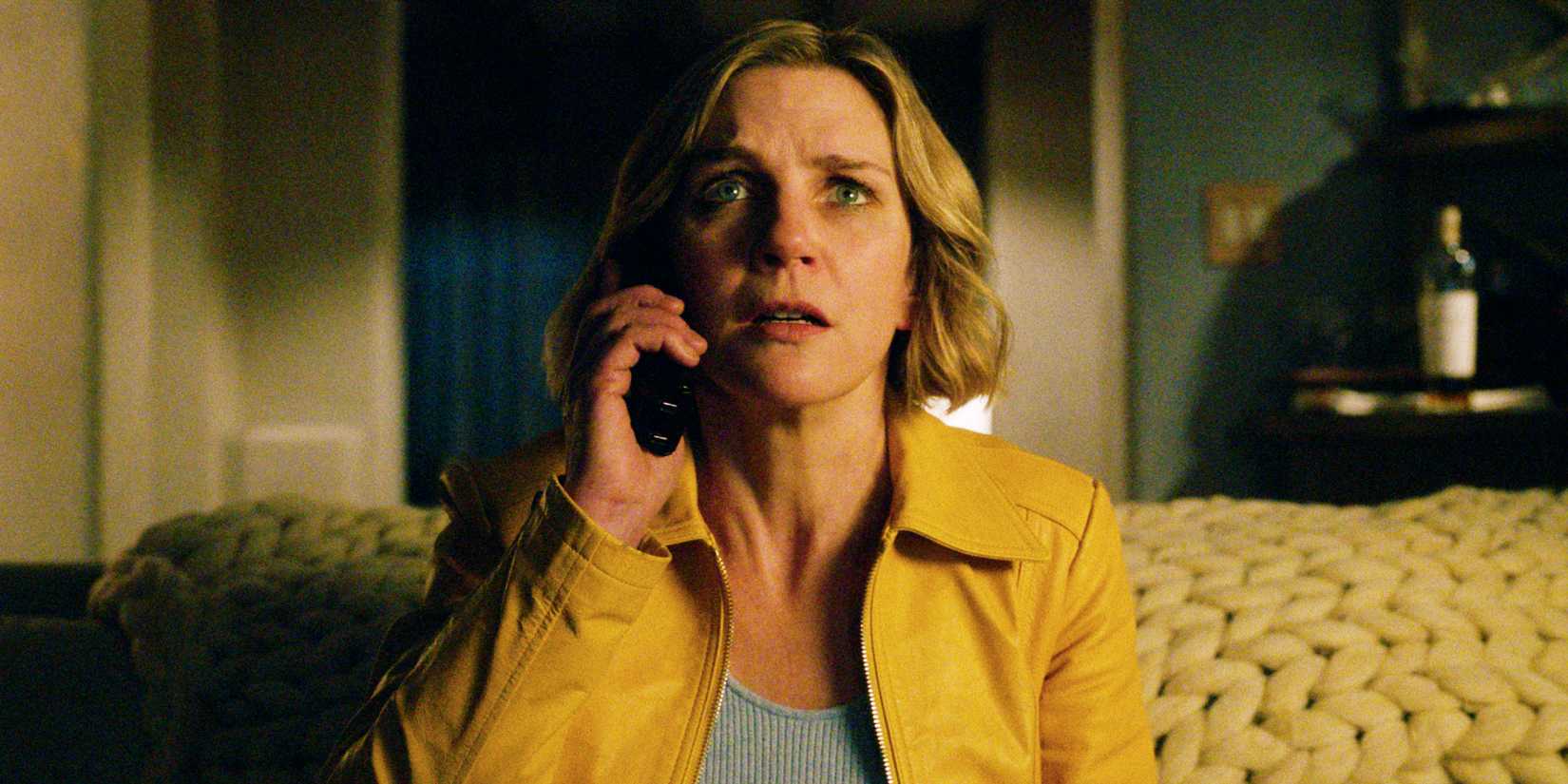
Rhea Seehorn in Pluribus show on Apple TV+
After a decade-and-a-half of telling pulpy crime stories in the Breaking Bad universe, Vince Gilligan went back to his science fiction roots for a unique look at the apocalypse. Like The Leftovers, Pluribus is more about the post-apocalyptic mindset than the world-ending carnage. The world looks more or less the same after the body-snatching alien hive mind arrives, but the survivors’ psychology is radically changed.
It takes a couple of episodes to get into Pluribus. It takes a couple of episodes to even wrap your head around its bonkers high-concept premise. But once you’ve gotten swept up in this curious sci-fi saga, you’ll be glad you stuck it out. Pluribus might look like a post-apocalyptic epic, but it’s actually a touching tale of grief, loneliness, and the need for human contact.