

Listen to this article
Estimated 5 minutes
The audio version of this article is generated by AI-based technology. Mispronunciations can occur. We are working with our partners to continually review and improve the results.
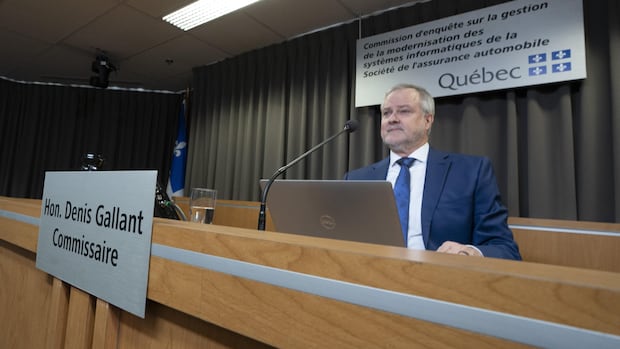
After months of testimony from Quebec ministers, civil servants and automobile insurance board officials, Judge Denis Gallant is expected to table his final report on the events surrounding the tumultuous release of the SAAQclic website at a news conference Monday morning.
Government officials were given an advance copy of the report on Friday.
It’s almost exactly one year since Guylaine Leclerc, then auditor general, shook the province with a scathing report on the launch of the automobile insurance board’s website SAAQclic, calling the entire operation a failure.
The website’s launch remains etched into the memories of many Quebecers, some of whom found themselves waiting in long lineups in the cold because of issues renewing their drivers’ licences or accessing their accounts when the online platform first came out in 2023.
Leclerc’s report outlined how the digital transformation went at least $500 million over budget — expected to cost over $1.1 billion in the end — and how it wasn’t properly tested before its launch.
She also found information had been hidden from elected officials, and could not say at the time whether the government had been made aware of the cost overruns.
It was these lingering questions that led to the public inquiry known as the Gallant commission.
Over the course of 75 days, more than 130 witnesses testified, and more than 200,000 documents were reviewed as part of the inquiry.
The final report was initially supposed to be submitted in September, but that deadline was postponed twice because of the volume of evidence that needed to be poured over.
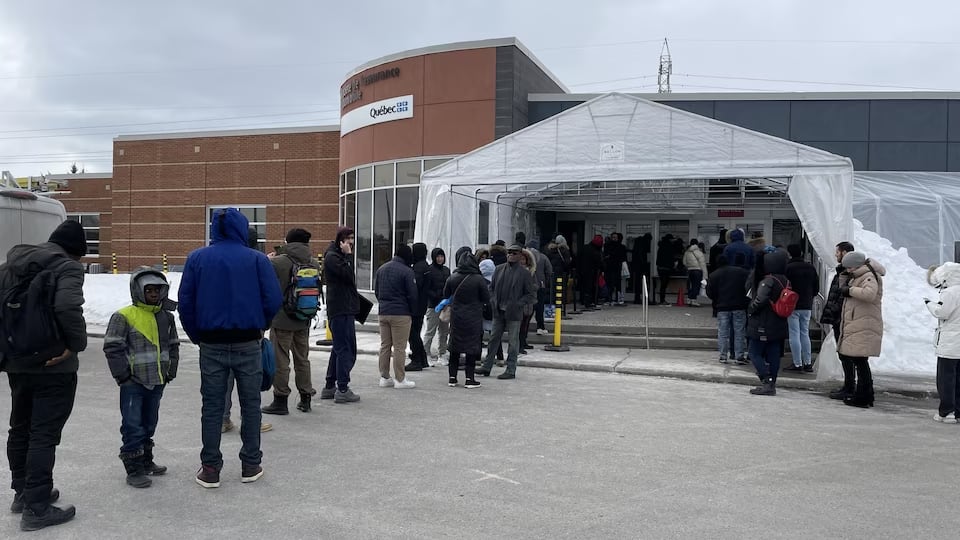 The SAAQclic platform glitches caused hour-long lineups at some SAAQ branches in 2023. (Charlotte Dumoulin/Radio-Canada)
Opposition parties are eager to receive Gallant’s report. They say the findings will be especially critical as the government gets ready for other digital transformation projects, including in the health-care sector.
“I want to understand who’s responsible, at the political side but also at the management level,” said Quebec Liberal transport critic Monsef Derraji. “We should take some notes for the future. We have so many IT projects, now in the health-care system, in justice, everywhere.”
The Parti-Québécois (PQ), which considers itself the government in waiting, says it’s also looking to learn from the mistakes made in the launch of the project.
“In a context where we failed to fund correctly many fundamental missions of the Quebec state, there’s so much money involved and we need to understand how did we get there,” said PQ Leader Paul St-Pierre Plamondon.
Former SAAQclic leader defends himself
In an effort to get out ahead of the release of the report, Karl Malenfant, the SAAQ’s former vice-president of digital experience who has been described as an architect of the online platform, held a news conference last week to give his version of events.
Rolling out boxes of documents behind him, Malenfant asserted he was a victim of a smear campaign and character assassination at the hands of an IT firm and a lobbying firm, and used as a scapegoat in the SAAQclic affair.
He refused to provide the reporters with evidence of the alleged plot against him, but submitted the journalists with a 112-page document responding to the allegations against him, describing how issues with the website were not his fault.
For instance, he claims he had been willing to postpone the website’s release when he was advised it may not be operational on time.
He also claims the SAAQclic project actually has some of the lowest cost overruns compared to previous digital transition projects.
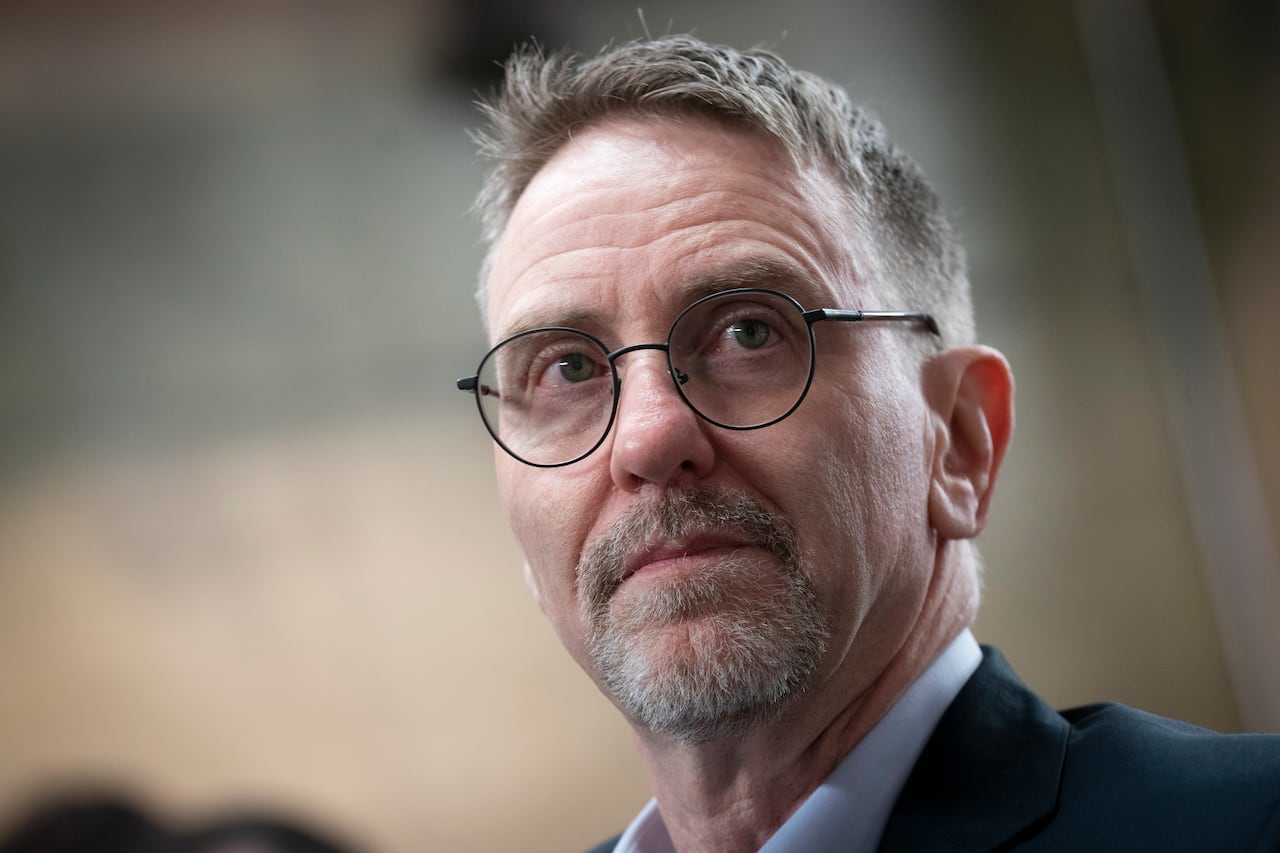 Karl Malenfant defended himself at a news conference he held Feb. 11. (Ivanoh Demers/Radio-Canada)
Former transport ministers Geneviève Guilbault and François Bonnardel, as well as the premier himself, all came under fire during the inquiry, as it became increasingly unclear who knew what ahead of the website’s launch.
They all claimed to have had no prior knowledge or recollection of the cost overruns and denied having hidden information about it from taxpayers.
But testimony and documents presented at the inquiry suggested some CAQ ministers were made aware the project was over budget as early as 2021. They didn’t, however, necessarily know the extent of the cost overruns.
The commission has also since reportedly issued “notices of misconduct” to some members of Guilbault’s cabinet who testified at the public inquiry.
Damage to the CAQ already done
Donal Gill, a political science professor at Concordia University, says the Coalition Avenir Québec (CAQ) government has already suffered the brunt of the consequences from the SAAQclic scandal.
Éric Caire resigned as cybersecurity minister shortly after the publication of the auditor general’s report last year.
Premier François Legault is also on his way out and Guilbault has announced she will not be seeking another mandate.
“The most significant damage that could be done from the report has already been done,” said Gill. “This [report] is not going to land with a massive bang the way it would have had the premier decided to stay on.”
Gill added he suspects the two candidates vying to take over for Legault, Bernard Drainville and Christine Fréchette, will try and distance themselves from the findings of the report as much as possible.
“You might see them throw a few people under the bus as an attempt to try to turn the page and change the channel,” he said.