
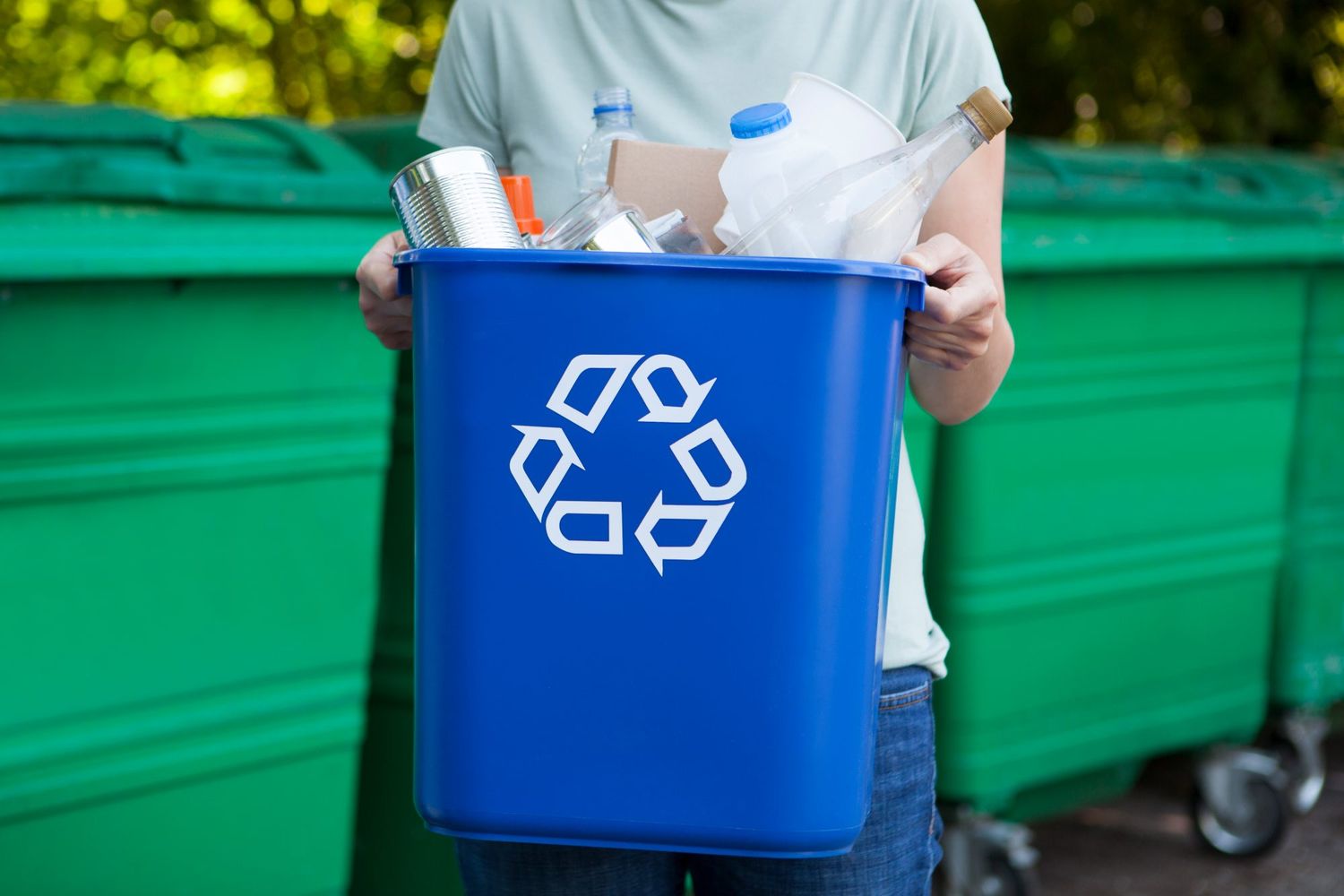
If your recycling bins are full every week, you know you’re doing your part to help the environment. Your community may have a list of what it does and doesn’t accept on recycling day, but sometimes it’s hard to tell what passes as recyclable material. Emptied and rinsed aluminum cans, plastic bottles, and cardboard boxes from the week’s meals usually pile up quickly, but what about the pizza box from last night’s dinner or the takeout containers from lunch? Be careful what you put in your bins because there are some surprising things that seem like they can be recycled but can’t, including some types of plastic. You may think you’re doing your part by mixing questionable items in with recyclable items in hopes that you are doing some good, but that can actually cause contamination, meaning all of those items may not be able to be reused. To make sure the right recyclables get a second chance, here’s what you should keep out of your recycling bins.
Plastic Bags
It may seem harmless to group recyclable things together in small plastic grocery bags and put them in your home recycling bins, but they aren’t taken through curbside recycling programs. The bags make it difficult for recycling facilities to sort the items, and the bags and everything in them may end up in a landfill instead. Fill your bins with loose recyclables. Along with plastic wrappers, bubble wrap, and packaging, plastic bags can be collected and taken to drop-off bins at retail stores or local recycling centers instead.
Pizza Boxes
While corrugated cardboard can be recycled, it needs to be clean. Once a pizza box is used, it’s no longer recyclable because of oils, grease, and dried food. To reduce waste, tear off the top portion of a pizza box if it’s free of food and grease and recycle that portion. The other section should go in the trash.
Styrofoam
From takeout cartons to coffee cups and egg cartons to packaging, polystyrene foam or Styrofoam should not go into your recycling bin. It’s not biodegradable but there are some programs that collect it for manufacturers to make into new products. Check your local area for drop-off centers that accept types of foam. Just make sure not to include them in your curbside pickup.
Clothes Hangers
While they can be made of metal, plastic, and wood, clothes hangers should never be placed in home recycling bins. They can get tangled in recycling machinery and require expensive repairs. Many charity shops, dry cleaners, or other retailers often accept clothes hangers, so drop off any that are in good condition at these businesses. Other items that can easily get wrapped and tangled in machinery include ropes, wires, cords, Christmas lights, hoses, and tarps. These should be disposed of in the trash.
Shredded Paper
It turns out paper size matters when recycling. While sheets of paper, magazines, paperback books, and mail can be recycled, shredded paper is too small for machines to sort. See if your town has a recycling event where you can take your old bills and documents to have them shredded. They are then taken to a paper mill for recycling.
Takeout Coffee Cups
Most of these cups are coated in plastic to keep them from leaking, so they aren’t recyclable. If your coffee shop allows it, bring a reusable cup for your morning cup of joe, or ask for an old-fashioned mug and saucer if you plan to enjoy your coffee in the shop. If you do get a takeout coffee, the cardboard sleeve, plastic lid, plastic cup for cold beverages, and cardboard drink tray are recyclable.
Some Plastics
Clamshell containers used to package strawberries, grab-and-go deli and bakery items, salads, lettuce, and other foods are not recyclable in all areas. Check your community’s curbside recycling guidelines to see if these containers can go in your bin. If they can’t, repurpose them to pack up Christmas ornaments or other delicate items for storage, or use them to organize crafts and school supplies. Rinse and wash them before using.
Some areas also don’t collect bottle caps and plastic lids because they are sometimes made from non-recyclable plastics. Plastic straws, utensils, and children’s toys are also not suitable for recycling due to their size or the combination of materials used to make them.
Some Metal Items
Steel and aluminum cans are recyclable, but other metal items are not. Pots, pans, baking sheets, silverware, and bicycle or car parts are not recyclable through community pickups. Take these items to a scrap yard or a dedicated center so they can be repurposed.
Household Glass
Broken mirrors, bakeware, glass tabletops, and ceramics aren’t easy to recycle because they are often treated to make them durable or heat- or glare-resistant. Broken glass can be a hazard for facility workers. Dispose of these items in the trash bin—make sure to wrap any sharp pieces to prevent injuries—or taken to a specialty recycling center.
Batteries
Most batteries cannot be disposed of in your home trash or recycling bins. They can contain mercury, lead, silver, nickel, cadmium, and lithium and require proper disposal to prevent environmental and safety hazards. Determine the type of battery you have, identified by labels and markings, to safely get rid of it. Check for battery recycling centers or hazardous waste facilities in your area.