
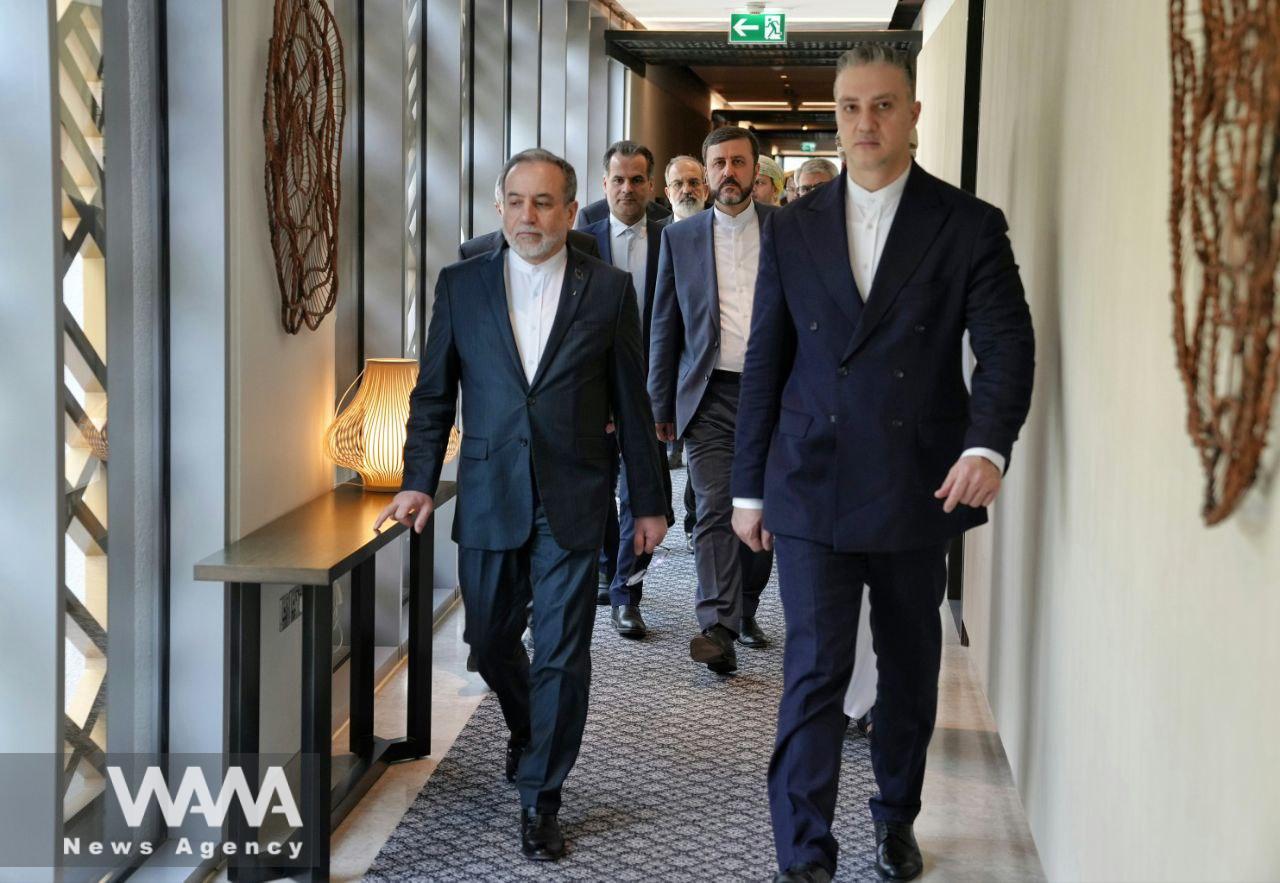
WANA (Feb 16) – As diplomatic efforts to manage tensions between Iran and the United States continue, one of the key points of disagreement between the two sides remains the format of the talks.
Washington has emphasized direct, face-to-face negotiations, but Tehran has rejected this condition and insists on continuing discussions through an indirect channel — a stance that analysts say is rooted in political, legal, and strategic calculations.
Observers argue that the U.S. preference for direct talks is not merely a technical choice but may also carry symbolic significance. Sitting down face to face with a country that has long defined itself in opposition to Washington could be portrayed in the media as a political concession by Tehran.
Iran, in turn, appears reluctant to enter a framework where the symbolic outcome could be interpreted in advance.
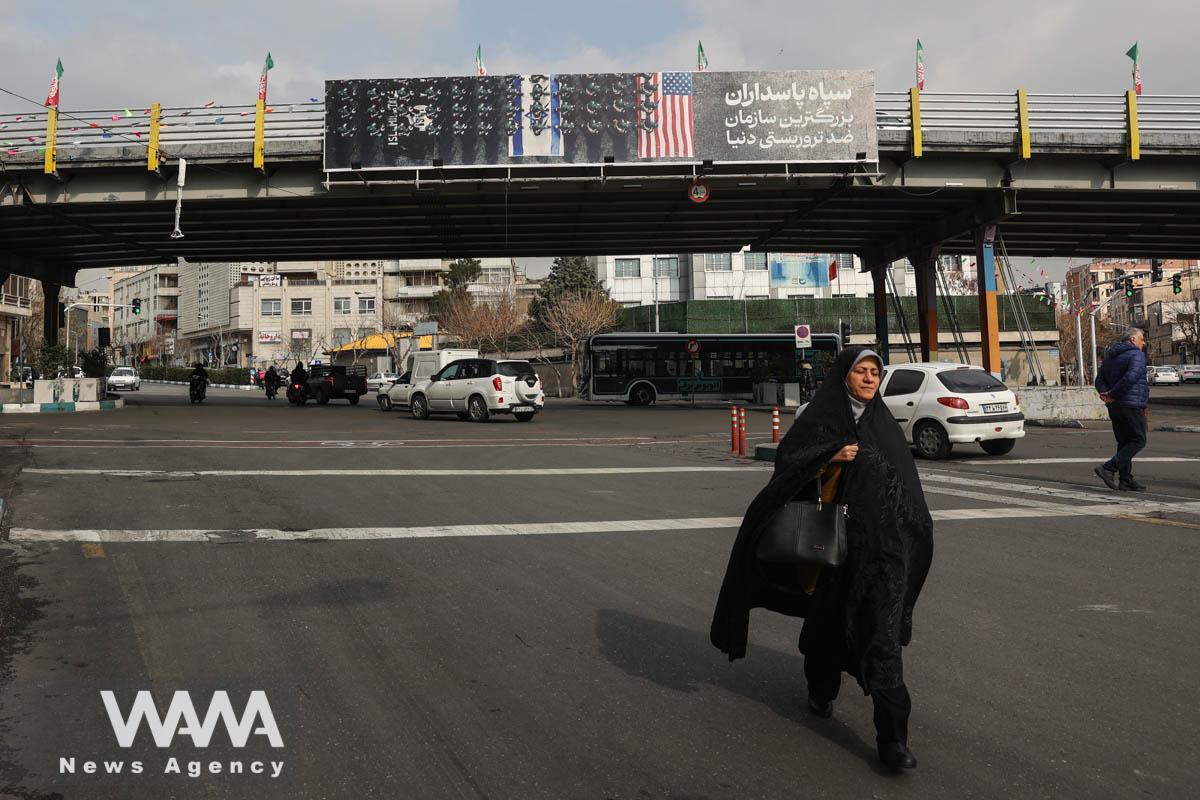 LATEST UPDATES ON IRAN-U.S. NUCLEAR TALKS / FEB 15
WANA – Our team is closely monitoring the latest developments regarding the new round of Iran–U.S. nuclear talks here. Netanyahu Outlines Conditions for Any Potential Agreement on Iran Following Washington Visit WANA (Feb 15) – Israeli Prime Minister Benjamin Netanyahu, in remarks following his recent trip to Washington and meeting with U.S. President Donald […]
However, the issue goes beyond political optics. From a practical standpoint, the indirect model is seen by experts as offering specific advantages that could help better manage the negotiation process. The main reasons cited for this approach include:
1. The presence of a mediator as a witness
In indirect negotiations, a third party conveys messages between the sides. If that intermediary has sufficient credibility and independence, it can also serve as an observer. In the event of disputes over commitments or the content of discussions, the presence of a third-party witness can help prevent competing narratives and provide a reference point.
2. More precise documentation of the negotiation process
In this model, exchanges are often conducted in written form, which can make the process more transparent and traceable. Even if a final agreement is not reached, the documented record can serve as a basis for future evaluation and accountability.
3. Reducing psychological pressure and real-time tactics
Experience in international negotiations shows that face-to-face talks can sometimes involve psychological pressure or media dynamics aimed at extracting concessions. The indirect format can structurally reduce such pressures and lower the risk of rushed decision-making.
4. Creating space for more deliberate decision-making
The time gap between exchanges in indirect negotiations allows for deeper review, expert consultation, and more carefully calibrated responses — an important factor when national interests are at stake.
At the same time, the broader context of the talks also shapes this approach. From Tehran’s perspective, negotiations are taking place while U.S. sanctions remain in force, directly affecting the country’s economy and people’s livelihoods. Iranian officials also point to military threats and psychological pressure as part of the environment surrounding the talks, conditions that they argue distinguish the process from a typical, equal negotiation.
Against this backdrop, analysts say Iran’s insistence on the indirect model is not merely a political stance but part of a broader strategy to manage risks, preserve legal leverage, and strengthen bargaining power in a complex diplomatic equation — an approach aimed at minimizing costs while maximizing potential gains through diplomacy.