
Matilda has been saving since she started work in a £21,000 job six years agoNeil Shaw Assistant Editor (Money and Lifestyle)
08:28, 17 Feb 2026Updated 08:53, 17 Feb 2026
Matilda shares her advice with followers online (Cover Images)
A woman who left university six years ago and started a £21,000 a year graduate job has saved enough to buy a three-bed house and have a £1million pension, by following 13 financial rules. Matilda Grace, who lives in York, says she grew up around a dad who was “always saving for a rainy day”, and as soon as she got her first job, she started researching how to save cash.
Matilda, 30, said: “I moved to London at 24 and started on a graduate scheme at £21,000 a year. I started saving straight away, focusing less on trying to earn more and more on understanding what I could realistically do with the money I already had. For me, that meant getting very clear on budgeting.”
Over six years she honed her system and now has a clear set of rules she follows to make her money work hard, which she shares on Instagram as @amillenialsaver.
Matilda Grace says she saves money by avoiding ‘lifestyle inflation’ (Cover Images)
Matilda said: “Everything I started to do when I came out of uni, I still do now. I keep the habits consistent, and if I get a promotion, I keep that spare money for my savings or pension pot.”
Last summer, she finally had enough cash to put down a healthy deposit on her first home. “I’d saved all this cash and I was using a majority in one go,” says Matilda. “But it is a great investment and it was so satisfying. I felt really proud to think all my hard work had gone to buying a house that I could call my own. It was such a nice feeling.”
And despite being careful with her pennies, Matilda hasn’t missed out; she’s had good holidays and bought ‘nice things’.
Matilda bought her first home after six years (Cover Images)
Matilda said: “When we think about money, people often say they don’t earn enough. But actually, it is more about how you spend money. You can have an average salary and never have anything left over at the end of the month because you are getting takeaways twice a week or buying subscriptions you don’t use.
“The answer isn’t to earn more. It’s not about how much you make, but what you keep. I didn’t win the lottery, I just got really intentional. And now I have a home, a growing pension, and peace of mind. That’s the real luxury.”
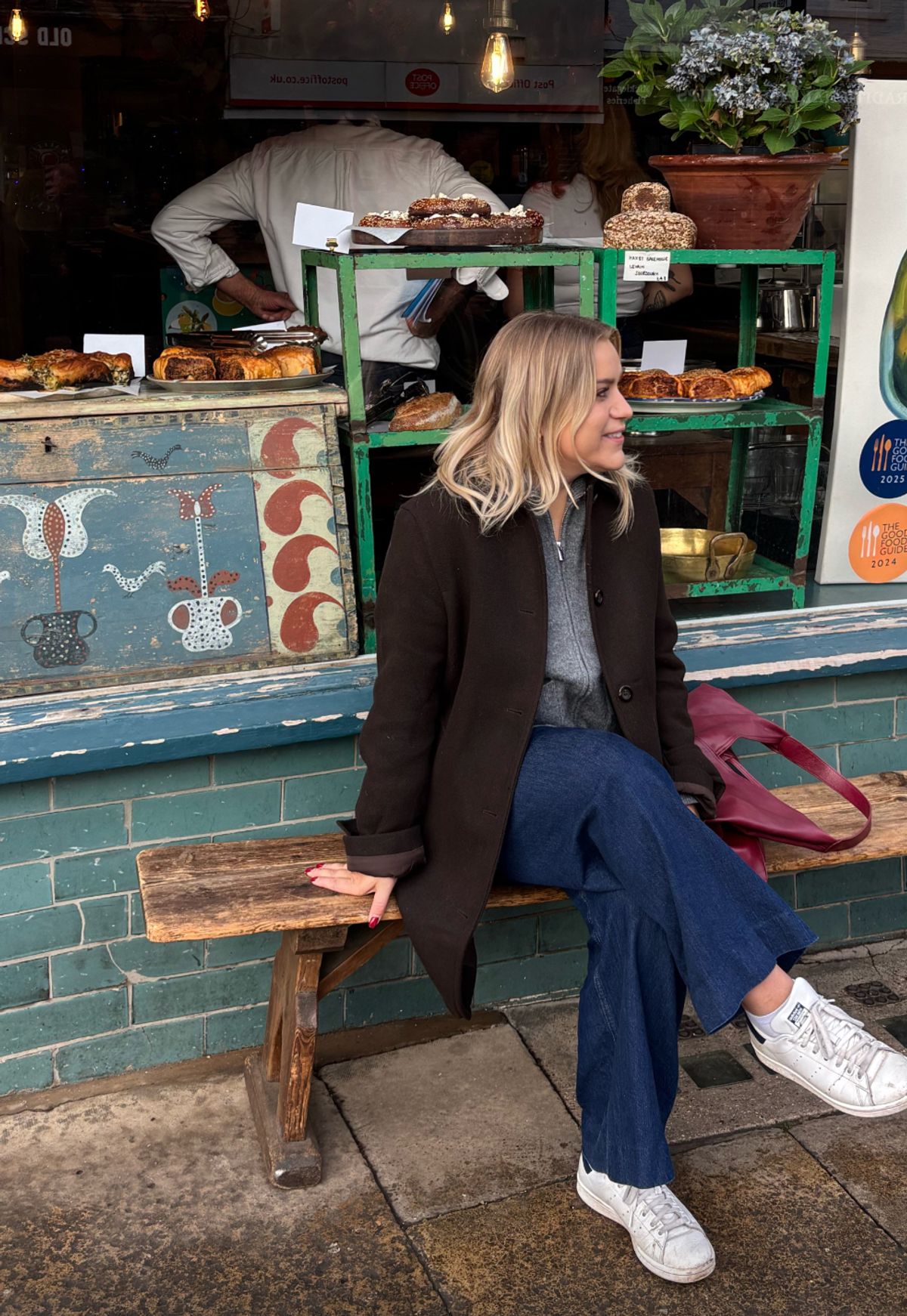
Matilda says she doesn’t deny herself and ‘buys nice things’ (Cover Images)
Matilda’s 13 rules that have helped her save thousands:
I use AI to drive down household bills:
When my car insurance was up for renewal, I used to ChatGPT to write me a negotiation script which I used over the phone. I was really pleased to get a £150 discount.
I pay myself an allowance:
The day after I am paid, all my bills go out automatically, and I am left with an £850 allowance each month in my Monzo which it is used for everything: travel, commuting, shopping, food, clothes, socialising and gifts. Anything that is left over goes into a high interest savings account or investing and I never spend more. Monzo analyses how you are spending and I can check every few days to make sure it hasn’t turned from green to red.
I use ChatGPT to help me save money:
Over a month, I save up to £200 by asking it to write me a basic food shopping list and working out which is the cheapest supermarket to get it from. And when I have food in the fridge, I take a picture, upload it, and it tells me what I can make with what I have, so I am not buying more than I need or wasting food.
I avoid lifestyle inflation:
When people get a promotion and pay rise, they immediately think about how they can spend that extra money and before you know it, that extra cash is swallowed up. I’m careful to avoid that trap by keeping my spending habits consistent.
I have a monthly money date:
I romanticise budgeting. So I will have a nice meal, a relaxing bath, and then I spend the evening working out exactly how I spend my money and how I can budget for the following months. I will examine on my spreadsheet tracker how much I am spending on going out or socialising, and think about what is coming up, so do I need to cut back or increase my savings more for Christmas or a holiday, for instance.
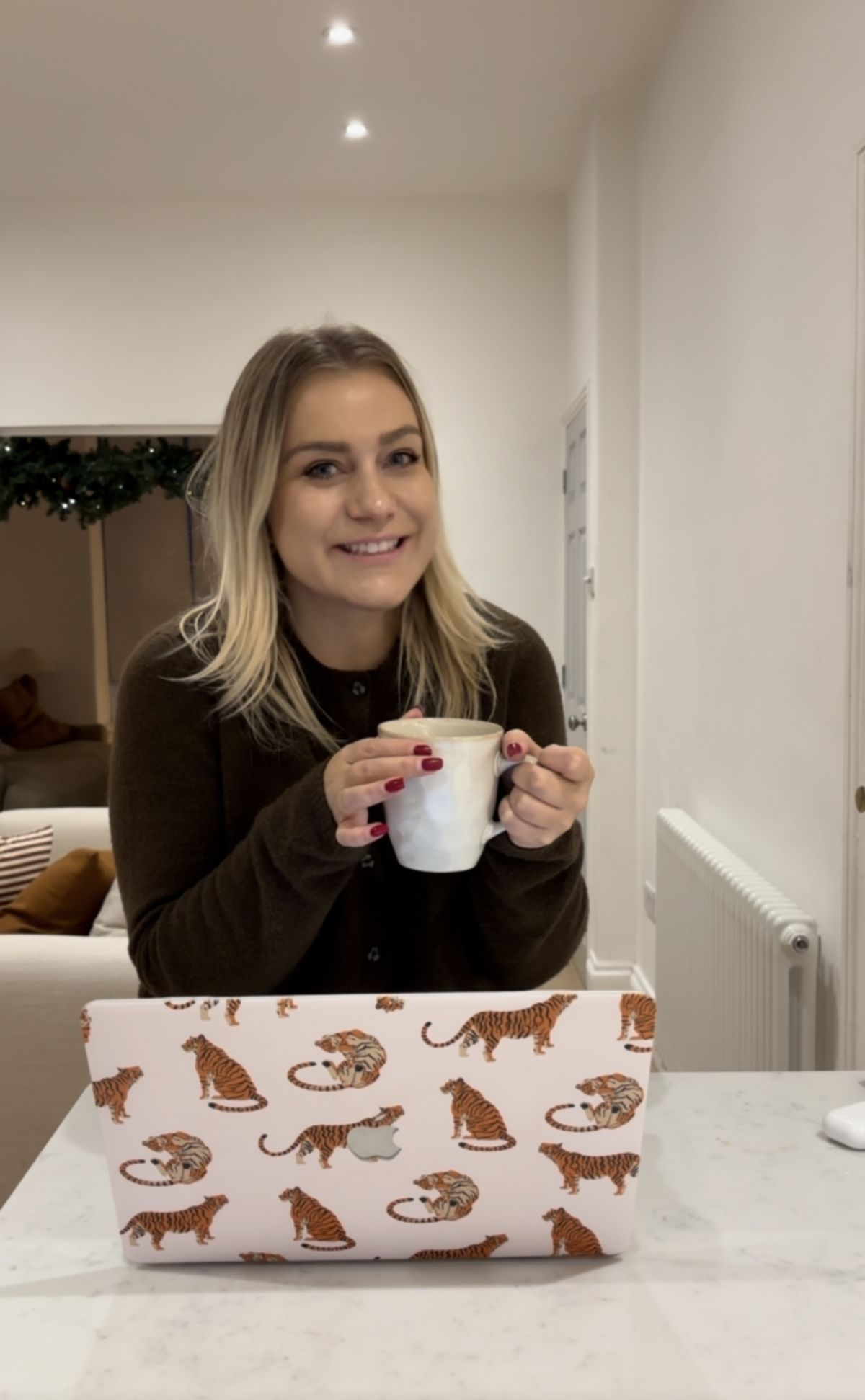
Matilda has 13 rules for saving money (Cover Images)
I love a side hustle:
I can make up to £500 a week outside my salary by selling old clothes on Vinted, taking part in market research projects and testing apps or websites, which earns up to £60 an hour.
I skipped the starter home:
With buying property so expensive, instead of rushing to buy a small house, I saved for a few more years so I could get a three-bed that I can eventually raise a family in.
I shop around – but not personally:
I use an App called Dig that finds the clothes I love. I had my eye on a Whistles coat which was listed at around £200, but Dig found it on Vinted for £30. An absolute bargain!
I rely on cashback schemes in every shop:
In the big supermarkets, you can get rewarded for loyalty by buying gift cards that give you discounts. So I save between 1% and 15% on supermarket shops, which adds up over the year.
I avoid finance:
I’ve never leased a car. I still drive my Ford Fiesta which I bought ten years ago for £3,000 and that has saved me so much money. I will continue to drive it until it no longer runs.
I never get pulled in by trends:
Whether that’s home decor, clothes, makeup, products or tech… Social media encourages us to keep buying stuff that we don’t need. So I find out what works, and keep it. You don’t need a ten-step skincare routine and I will buy quality, but I won’t buy designer gear. It’s a waste of money.
I don’t have a fancy phone:
It does everything I need it to and I only pay £10 a month for it. That’s saved thousands over the years.
I invest:
Money should work for you. So rather than using an easy access savings account, I started investing when I was 24 and using a stocks and shares ISA that’s completely tax free which I used it to contribute towards the deposit on my house.”