
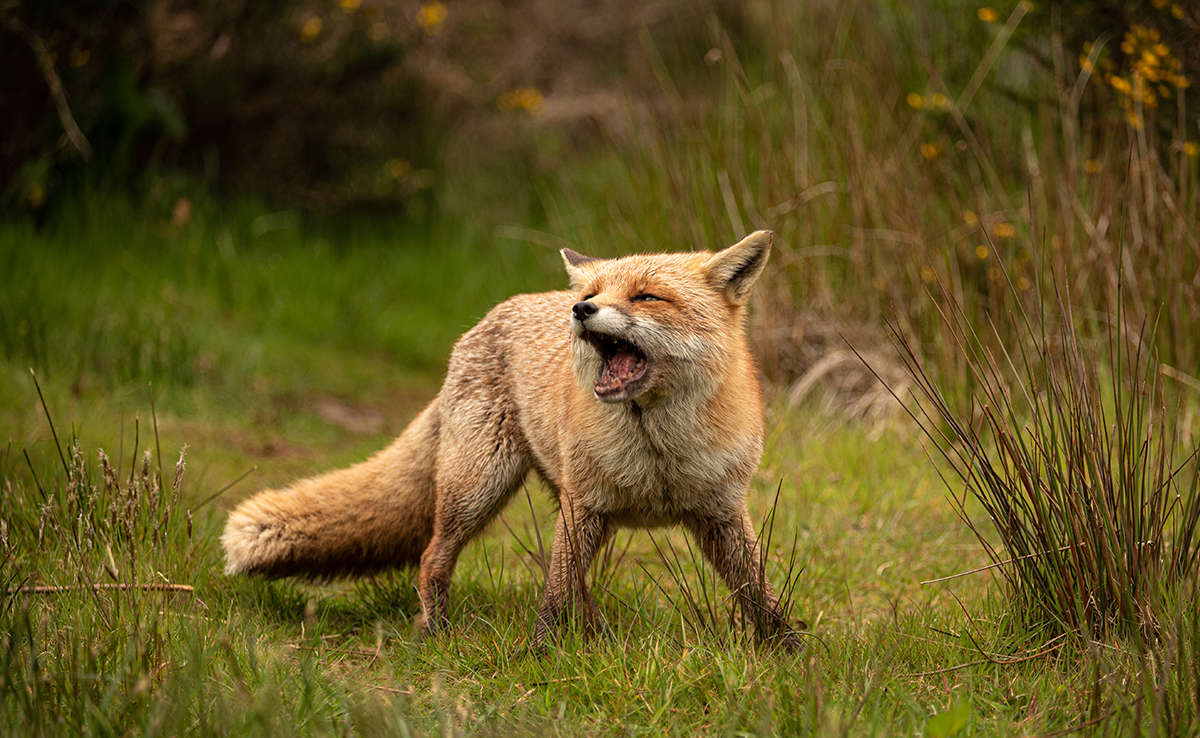
Anyone who has heard it knows the feeling. A sharp, almost human scream cuts through the darkness. It echoes across fields, suburban streets, or forest edges, stopping conversations mid-sentence. For many, the first reaction is confusion — or even fear.
So what does the fox really say?
The Sound That Startles the Night
The animal responsible is typically the red fox, one of the most adaptable mammals in the Northern Hemisphere. Unlike the soft yips and barks often associated with canines, the fox’s most unsettling call is high-pitched, abrupt, and piercing.
That eerie vocalization has a name: it is commonly referred to as a “vixen’s scream.”
“It can sound almost like a person crying out,” wildlife biologists note. “That’s why it unsettles people so deeply.”
Why Foxes Scream
The scream is not random. It serves specific biological purposes, particularly during mating season. Female foxes — vixens — use the scream to attract males and signal reproductive readiness. Males may also produce sharp cries during territorial disputes.
The sound is most often heard:
This timing explains why many people report hearing it suddenly after months of silence.
More Than Just One Sound
Foxes are surprisingly vocal animals. Beyond the famous scream, they communicate through a range of calls, including short barks, yelps, and chattering noises used between mates or parents and cubs.
But the vixen’s scream stands apart because of its intensity. It is designed to travel across distance. Evolution has shaped it to cut through wind, foliage, and ambient noise.
Why It Feels So Haunting
There’s a psychological element to the fox’s cry. Humans are wired to react strongly to sounds that resemble distress calls. The scream’s tonal qualities overlap with human alarm signals, which may explain the instinctive unease it triggers.
At night, when visibility is low and imagination is active, the effect becomes even stronger. What is biologically normal for a fox feels almost supernatural to us.
Urban Foxes and Modern Encounters
As foxes increasingly adapt to urban environments, more people are hearing the scream firsthand. Suburbs and city parks now serve as fox territory, bringing wildlife sounds closer to bedroom windows.
For those unfamiliar with it, the first encounter can be startling. But understanding its origin transforms the fear into fascination.
The Truth Behind the Myth
Despite internet speculation and folklore, the fox’s nighttime cry is neither paranormal nor predatory. It is simply communication — raw, instinctive, and ancient.
So what does the fox really say?
On cold nights, when the air carries sound farther than usual, it says exactly what evolution designed it to say: a call for connection, territory, and survival.