
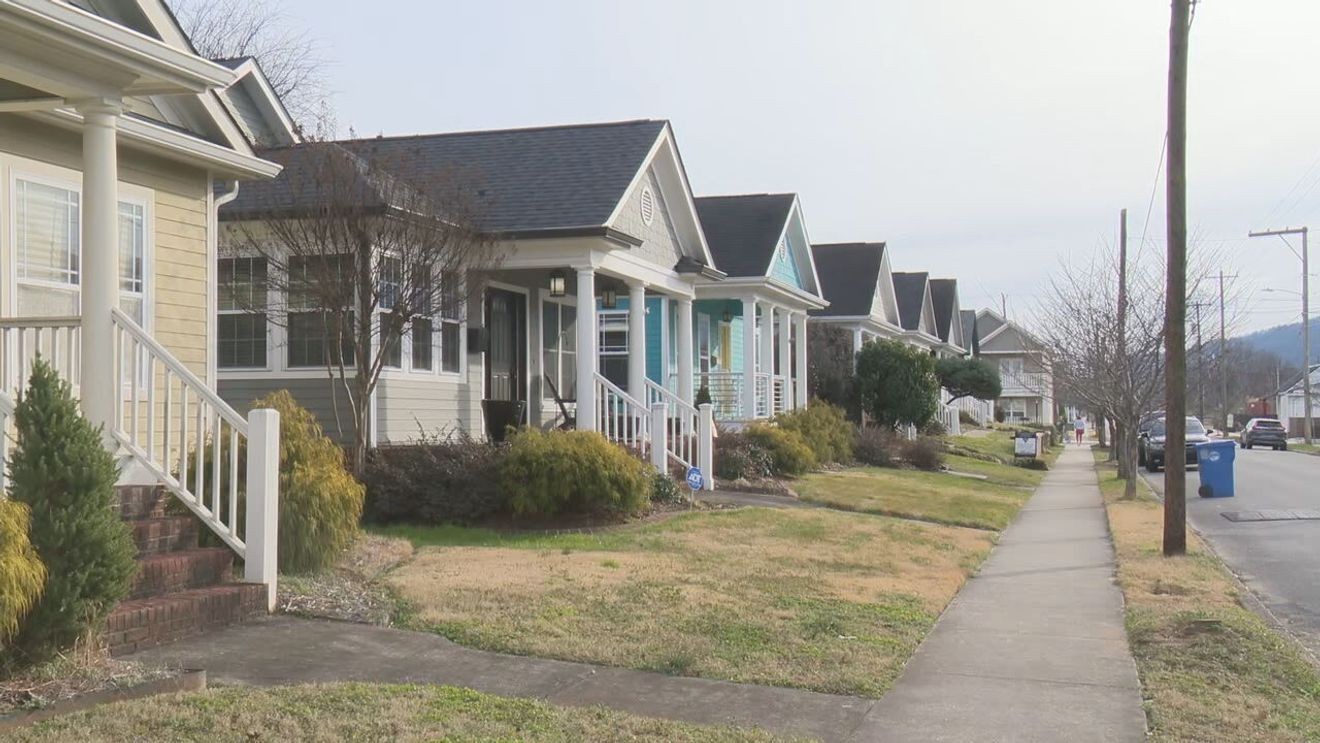
CHATTANOOGA, Tenn. — After eight years of testing, clean up, and meetings, the Environmental Protection Agency is sharing what comes next for Chattanooga’s Southside lead cleanup.
The recent rule changes to lead cleanup by the EPA could affect how things move forward.
In 2018, the Southside Lead Superfund Site was added to an EPA national priorities list:
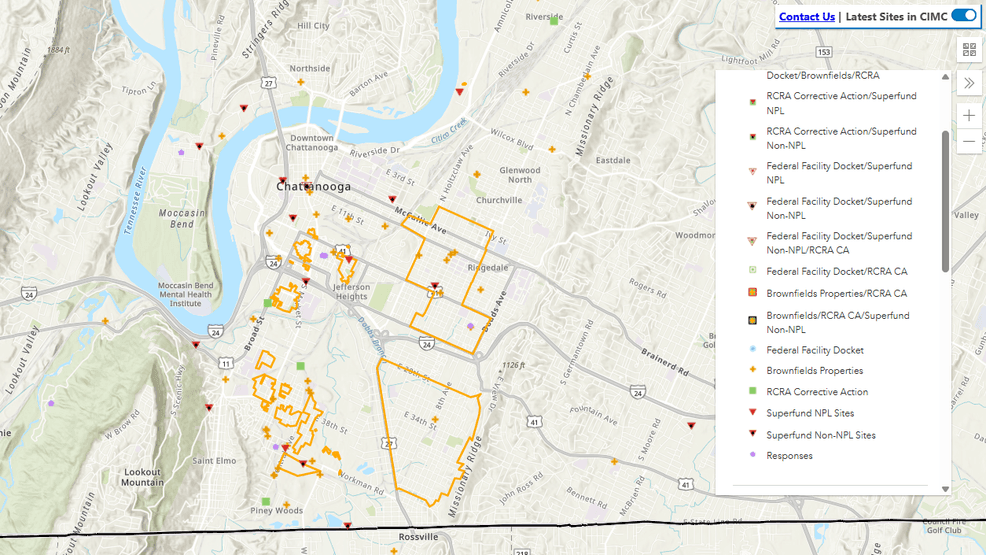
The area of concern covers eight residential neighborhoods, as well as parks, schools, and playgrounds.
Last year, the EPA announced it would change the way lead is tested and cleaned up.
Agency officials say that new directive will impact existing efforts in Chattanooga.
The EPA held a public meeting on Tuesday to update southside residents on the cleanup of lead in their neighborhood yards.
EPA representatives told residents that they still have to test around 1,000 properties for lead contamination.
They say their goal is to have that done in the next two years.
But some residents who say their property has already been tested asked why their lead-contaminated soil hasn’t been removed yet.
“I’m just concerned about lead contamination, or if it had anything to do with my health issues that I’m having now,” Kenneth Walker says.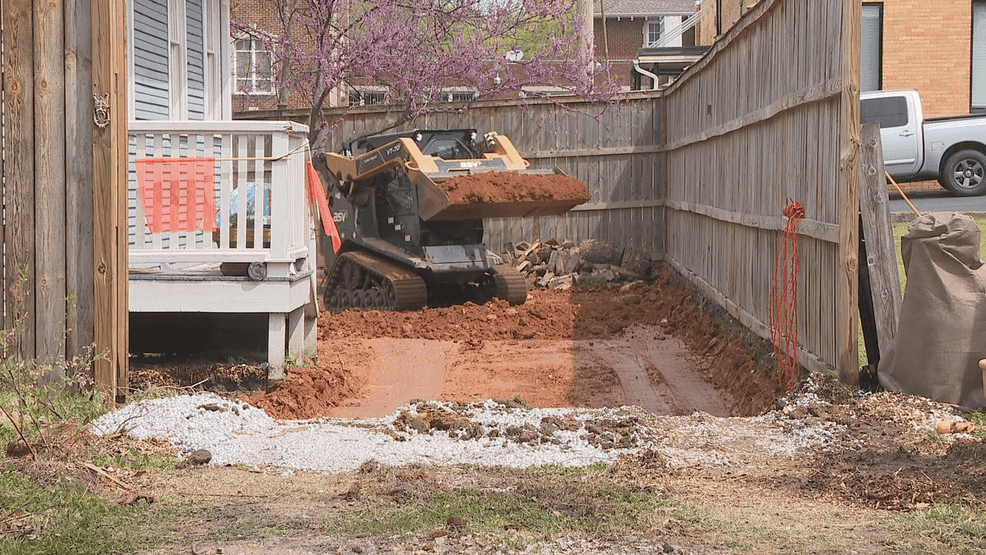
The EPA says so far, they’ve found over 5,500 Southside Chattanooga properties were contaminated with lead from foundries in the mid 19th century.
Alton Park, Cowart Place, East Lake, Highland Park, Jefferson Heights, Oak Grove, Southside Gardens and Richmond are the neighborhoods that make up the site’s boundary.
 “If you got a concern with a couple of houses in the neighborhood, then they all should be cleaned up,” Walker says.
But for the EPA to do cleanup within that boundary, the soil’s lead contamination must meet the qualifying number of 360 parts per million.
Kenneth Walker says he’s owned his East Lake home for nearly 40 years. He had his soil tested in 2020, and it was 330PPM.
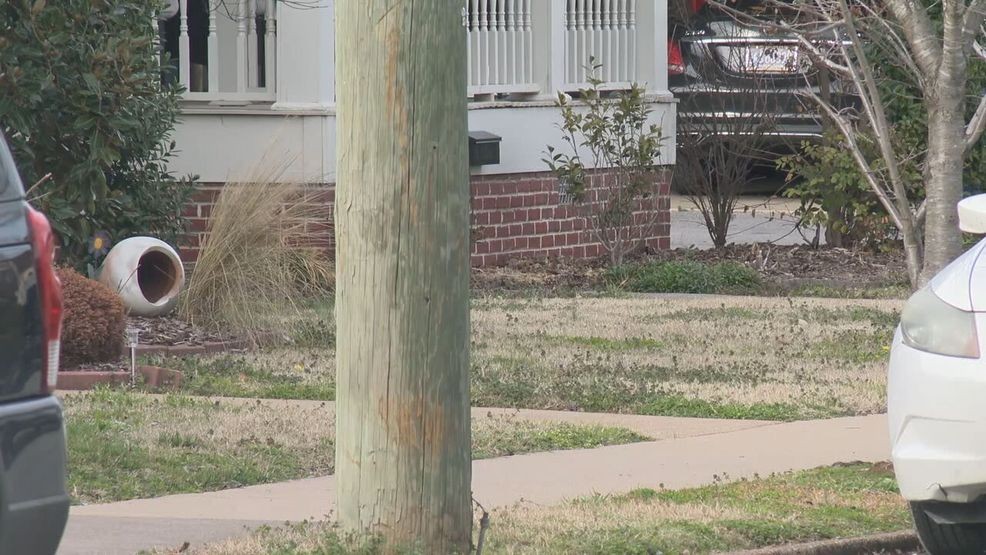
That’s 30PPM below the qualifying threshold.
“Our 360 parts per million lead site specific cleanup level is based on a blood lead level of eight micrograms per deciliter.”
Remedial project manager Jasmin Jeffries told residents the PPM threshold is going down soon.
“We expect to finalize that by the fall of 2026,” Jeffries says.
Jeffries says they have cleaned up over 1,000 properties since 2019.
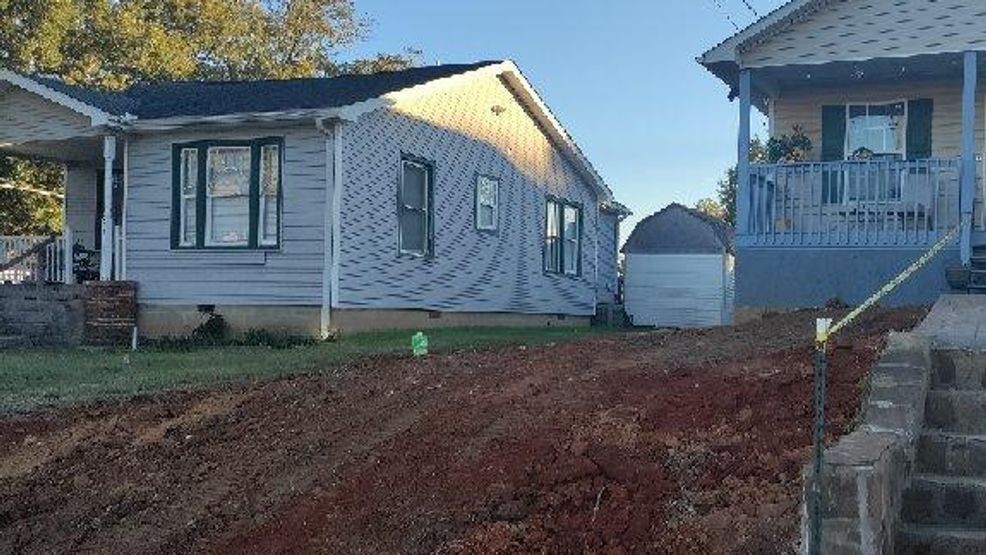
FILE:{ }EPA soil remediation on a Chattanooga Southside home. Image: Tara Rodriguez.
Tammy Buquo says she had her whole yard remediated last year, after the EPA had been trying to clean it for a decade.
“At the time, in 2015, my grandkids were here with us so you know, we were concerned, but we didn’t know how deep it went or how old it was. I don’t recall them sharing that information with us initially.”
With lower qualifying numbers coming soon, Walker says he’s hopeful that he can get new soil, too.
“I just want it cleaned up, you know, I don’t want any lead contamination in my yard.”
As of January 26th, the EPA says there are more than 1,300 properties remaining to be sampled at the Chattanooga Southside Superfund site, including 339 properties that cannot be sampled because of access issues.