
“Our highest suspicion at this time is highly pathogenic avian influenza,” said New Jersey State Wildlife Pathologist Dr. Patrick Connelly to News 12. “This is a significant number of birds dying on the landscape in single locations beyond what we have seen in previous years.”
The outbreak is being monitored by the NJDEP Fish & Wildlife and federal partners.
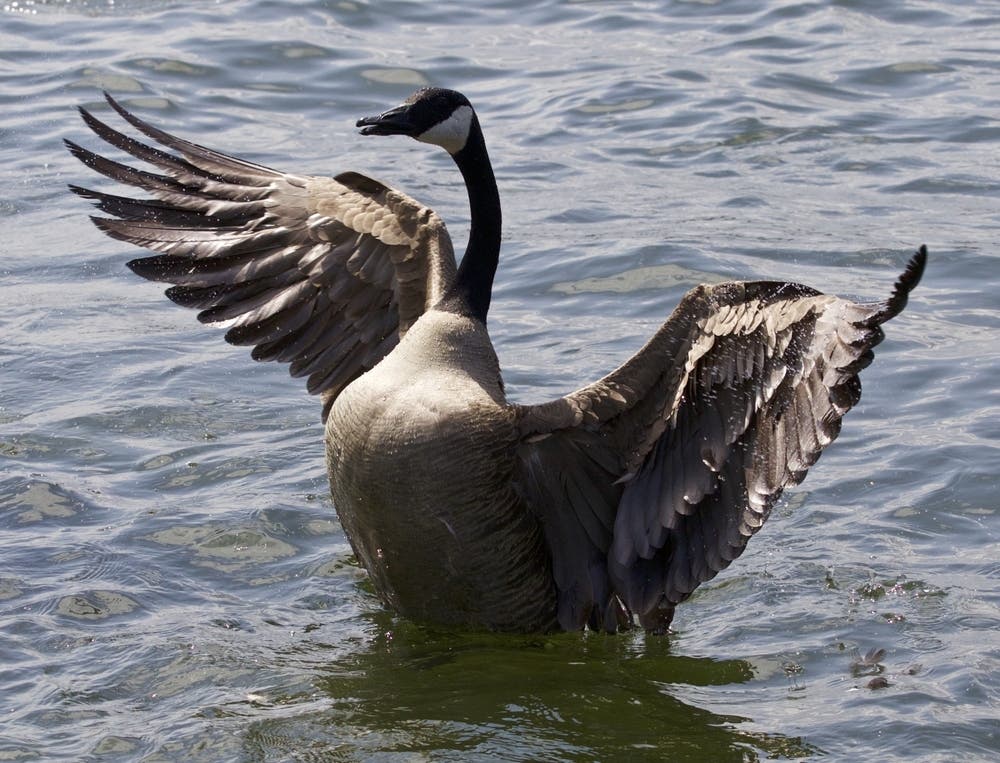
More than 1,100 reports of dead or sick birds came in between Saturday, Feb. 14, and Monday, Feb. 16. Almost all reports are of Canada geese, with a few of other bird species, including brant along the coast.
Dead Canada geese were reported to the NJDEP over the past weekend in Holmdel, Manalapan, and Matawan in Monmouth County; Basking Ridge in Somerset County; Hainesport, Burlington County; Edison, Middlesex County; and Sicklerville, Camden County.
“Since the beginning of the U.S. outbreak in January 2022, avian influenza has impacted wild birds in every state,” according to the NJDEP.
The NJDEP is urging the public to report any sick or dead birds they see, particularly in groups of 5 or more, to the Wild Bird Disease Reporting Form.
Typical signs of HPAI include diarrhea, discharge from the nose, coughing, sneezing, and incoordination, but some birds may show no signs before death.
H5N1 has killed two people in the U.S. since 2024, according to the CDC.
NJDEP Fish & Wildlife is coordinating with local officials to safely dispose of bird carcasses at several landfills across the state.
The NJDEP Fish & Wildlife reports that in 2025, confirmed detections of avian influenza in wild animals have occurred in all counties except Hudson and Union.
Have a news tip? Email alexis.tarrazi@patch.com.