
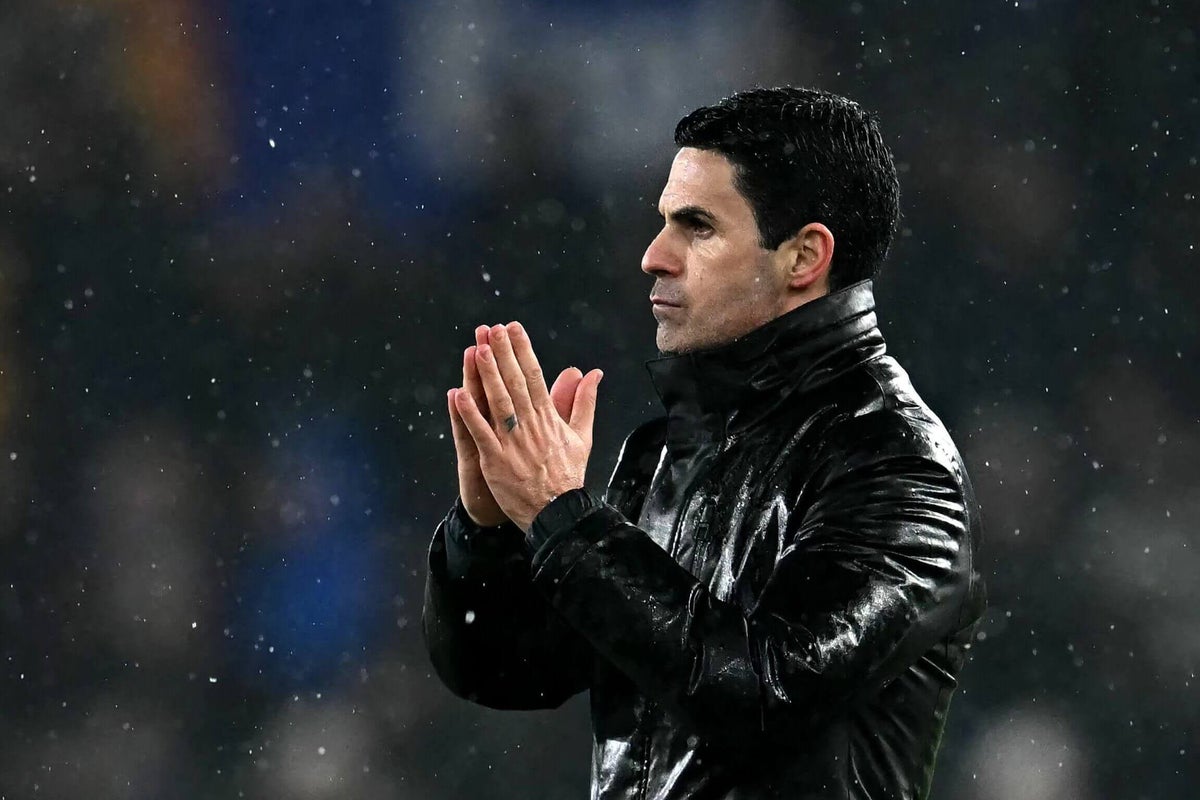
For all the progress that Arsenal have made under Mikel Arteta, they still find ways make life difficult for themselves.
Wednesday’s trip to Molineux encapsulated many of the issues that have kept Arsenal vulnerable in the title race — notably struggling to fully capitalise on an advantage and not coping with the ebbs and flows of in-game momentum.
‘Margins’ has been a recurring term used by Arteta and his players since becoming title challengers in the 2022-23 season. At first, they were looking to close the margins between themselves and Manchester City. Over time, the task has become how they extend them, but the challenge of consistently doing that has been an issue for Arsenal since the onset of winter.
At the turn of the year, they ranked first for one-goal leads heading into the final 15 minutes of Premier League matches this season (eight). While the draw at Wolves is the first time they have done so since then — taking their tally to nine, second-highest in the league — too many opposition teams are still in positions where they can compete for points in the latter stages of games.
Arsenal have only dropped points in two of these matches, Sunderland and Wolves away, but were given warning signs in back-to-back home matches they won against Brentford and Wolves in early December. On both occasions, Arteta’s side went into the final 15 minutes with a one-goal lead, which created tension inside the Emirates Stadium. They scored a second against both, but Wolves had made it 1-1 after Arsenal’s players seemed undecided on whether to sit in and protect their lead or engage the ball.
A familiar sense of confusion littered their second-half performance at Molineux.
In the minutes after the restart, Arsenal had a flurry of goal kicks. Each of them was taken short by either William Saliba or Gabriel, only for David Raya to then kick long. Wolves’ centre-backs won every one of these contests with Viktor Gyokeres. With the striker unable to make the ball stick, Wolves’ players and fans gained encouragement to attack Arsenal’s back line at pace.
Arsenal away from home are at their best when they take the emotion out of a home stadium. But their actions at Molineux fed into the atmosphere.
“We stayed in the game, and that was really important,” Wolves manager Rob Edwards told reporters post-match. “We wanted the players to step forward more. We felt it was the night for it: play with a bit more emotion. And I thought we did that very well at the start of the second half.
“We know there’s a massive pressure on them at the moment and at the right time we can step forward and grow into it. We probably did it a lot earlier than I expected, to be honest.”
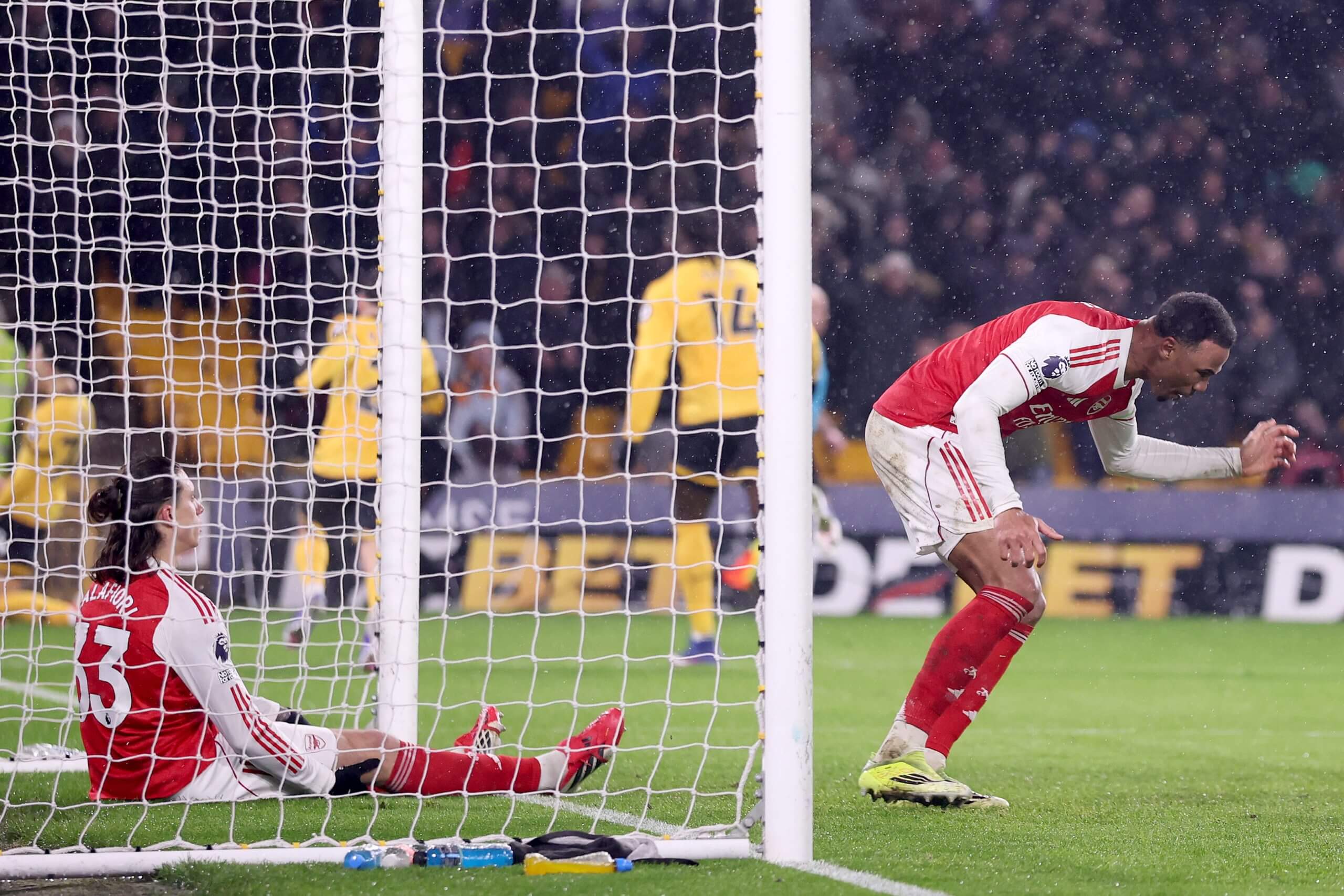
Arsenal show their frustration at conceding late to Wolves (Carl Recine/Getty Images)
This is not the first time these behaviours have surfaced. Arsenal players failing to take Arteta’s instructions to calm down as the game entered the final 10 minutes was reminiscent of an issue he cited after their goalless draw with Nottingham Forest last month, where a lack of composure when they regained possession caused chaos.
“If I ask them what we have to do now, what the game requires, they know it, but we weren’t able to do it throughout the game,” Arteta said when asked how his players can improve their emotional management of matches.
To know the answers and still come undone shows the difficulty of the task facing Arsenal. Even if neutrals might have expected Arsenal to roll Wolves over, those who had watched December’s match would have known a tough night would be in store — no matter the game-state after half an hour.
Edwards’ point about knowing that Arsenal would be under pressure was put to Arteta. “That’s an obvious thing, no?” he replied. “If you’re at the top, you have to win, you have to win, and win, and win. So that’s nothing new.”
Building bigger leads and showing more composure feels crucial to Arsenal rediscovering that winning feeling on a consistent basis.
In their two seasons directly competing with Manchester City for the Premier League (2022-23 and 2023-24), Pep Guardiola’s side scored 94 and 96 goals respectively. Erling Haaland contributing 63 (33 per cent) of those 190 goals is a major caveat, but even this season Arsenal are scoring fewer goals per game (1.92) than City (1.96) despite being five points clear.
A basic projection of 1.92 goals per game over 38 matches is 73, a tally that still falls well short of the two most recent City sides to win the league, and Liverpool last season (86).
Arsenal’s expected goal difference (xGD), which compares how many goals they should score and concede, has been raised as a concern in relation to the final 11 league games in the last three seasons. Their value of -0.47 is lower than that of any current Premier League team during that time frame.
If they are to improve on that this spring, the run-in of the 2023-24 season may offer the best inspiration. Arsenal won nine of their last 11 league games that campaign, compared to five in 2022-23 and 2024-25.
Two key factors behind that run of form in 2023-24 were the explosion of goals from set pieces after their trip to Dubai in January and the repositioning of Kai Havertz. These methods of scoring cannot be repackaged as something new, but Arteta has shown some innovation that could help Arsenal extend their margins when they most need to.
The first is Havertz again. Instead of solely playing up front, his role as a second striker helped connect the team in a way others struggled to when he was unavailable. The other new(ish) idea has been to use Bukayo Saka centrally because it puts him closer to the goal while making it harder for opposition players to read him. The use of both these players in similar areas has created goals and goal-scoring chances.
Arteta said that Havertz has a possibility of being available to play Tottenham Hotspur, so when he is back fit, that may cause another major selection dilemma for Arteta. Could they play together, with Havertz up front and Saka behind him, or would one have to miss out? That combination has not been seen before, but it may be necessary given what each player provides.
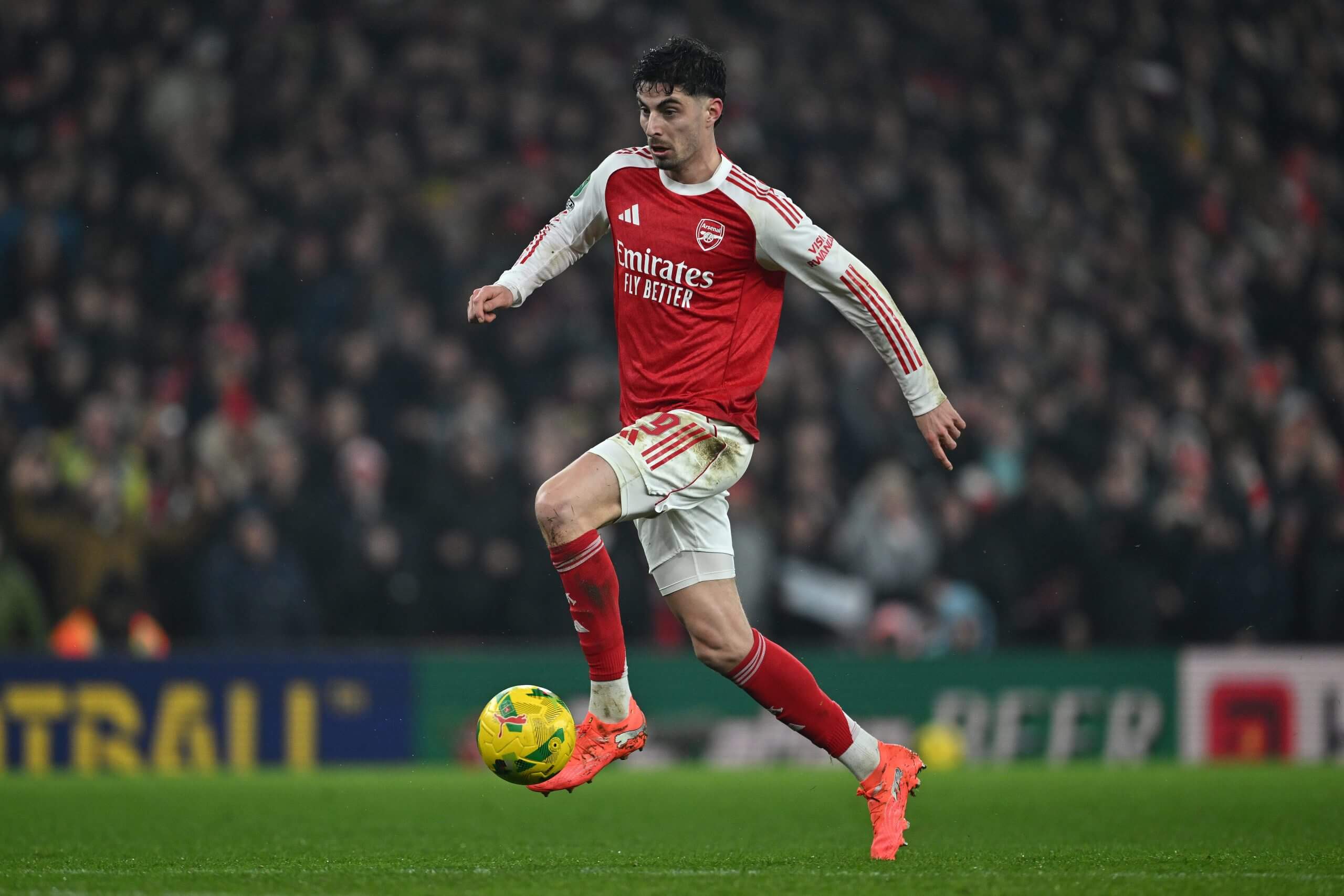
Kai Havertz’s return will help Arsenal (Mike Hewitt/Getty Images)
One of the benefits of using Havertz up front is that he provides a platform to play off. Within 20 seconds against Sunderland, Raya played long to him. Havertz made the ball stick, and Arsenal created a chance for him in the same passage of play. That has been an effective method of getting Arsenal up the pitch since that spell after January 2024, but Gyokeres has not given Arsenal the same type of building block in matches when they need it.
Arteta himself will no doubt have these thoughts swimming through his mind, but one thing is clear: Arsenal cannot continue leave room for their opponents to get back into matches. There were signs of what could happen if they did earlier this season. Now these failures threaten to be the story of their campaign.
Arsenal still have a five-point advantage for now, though City have a game in hand. To keep it that way, Arteta and his players will know something needs to click quickly.