
HONOLULU (HawaiiNewsNow) – A ruling Friday by the Supreme Court of the United States invalidated most of President Donald Trump’s broad tariffs imposed under emergency powers, a decision analysts say could reshape costs for businesses and consumers nationwide.
Researchers estimate the tariffs added about $1,000 in expenses for the average U.S. household last year, intensifying debate over their economic impact.
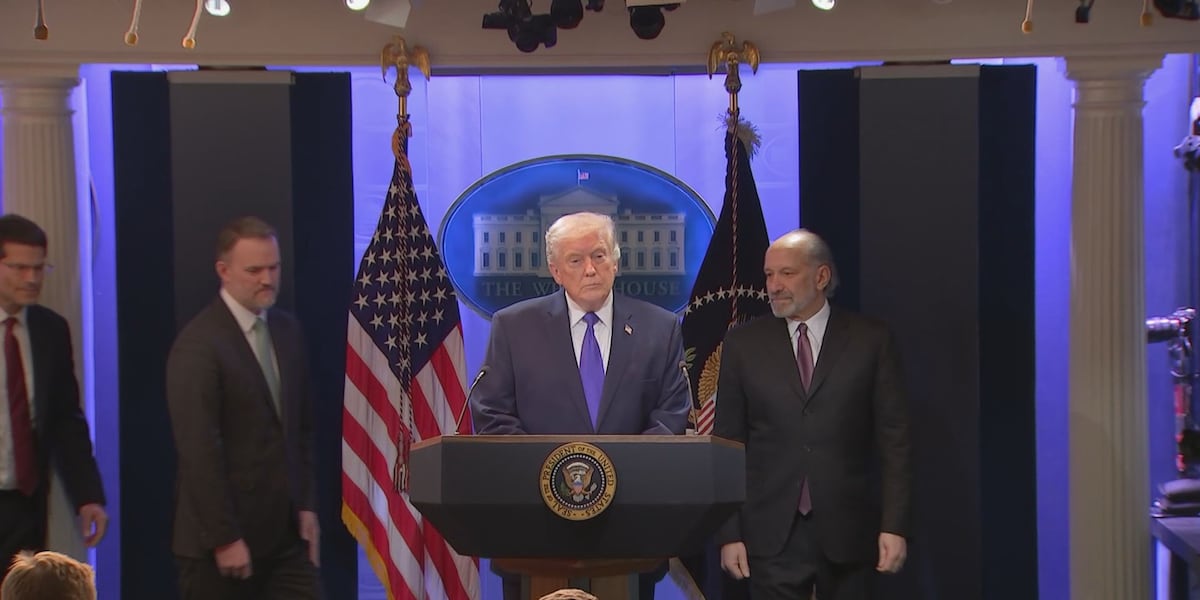
Trump sharply criticized the decision and the conservative justices he appointed to the high court.
“I’m ashamed of certain members of the court, absolutely ashamed for not having the courage to do what’s right for our country,” Trump said in remarks aired by CBS News.
The ruling blocks one legal pathway used to implement the tariffs, but trade experts say the broader policy fight is likely to continue.
The decision could affect businesses that rely on imported goods, including vendors at Honolulu’s Kakaʻako Night Market.
Miguel Gutierrez, owner of Miguel’s Cocina, said fluctuating import costs and shipping delays influence what products he can sell.
“We get Peruvian soda called Inca Cola, and there are times where the price always fluctuates,” Gutierrez said. “Sometimes we order it and have to wait about a month or two because they hold it for inspection.”
Higher costs and supply delays have also affected Hawaii’s construction industry.
Abe Lee, a real estate developer and Realtor, said projects have faced rising expenses and shipping setbacks.
“We’re waiting for carpet to come in that’s three months behind schedule,” Lee said.
Trevor Benn, owner and principal broker of Forward Realty, said imported building materials contribute to rising costs for developers.
“We’re getting lumber from Canada, steel from all over the place,” Benn said. “It’s all embedded in material costs.”
Across the U.S., businesses have paid an estimated $165 billion in tariff-related expenses, and some are pushing for refunds following the ruling.
Economists caution that any financial relief may not quickly reach consumers.
“Even if refunds are ultimately issued, they’re not going to be issued to consumers,” said Natasha Sarin. “You’re depending on firms ultimately passing those back to the consumer.”
Experts say shoppers are unlikely to see immediate price changes, even as businesses seek reimbursement.
Trump has signaled he will continue pursuing tariffs through other authorities, including approving a temporary 10% global tariff under a separate national emergency law.
Related coverage:Experts call for bold moves in Hawaii housing market, welcome end to Trump’s tariffsHawaii congressional leaders applaud Supreme Court’s tariff ruling
Copyright 2026 Hawaii News Now. All rights reserved.