
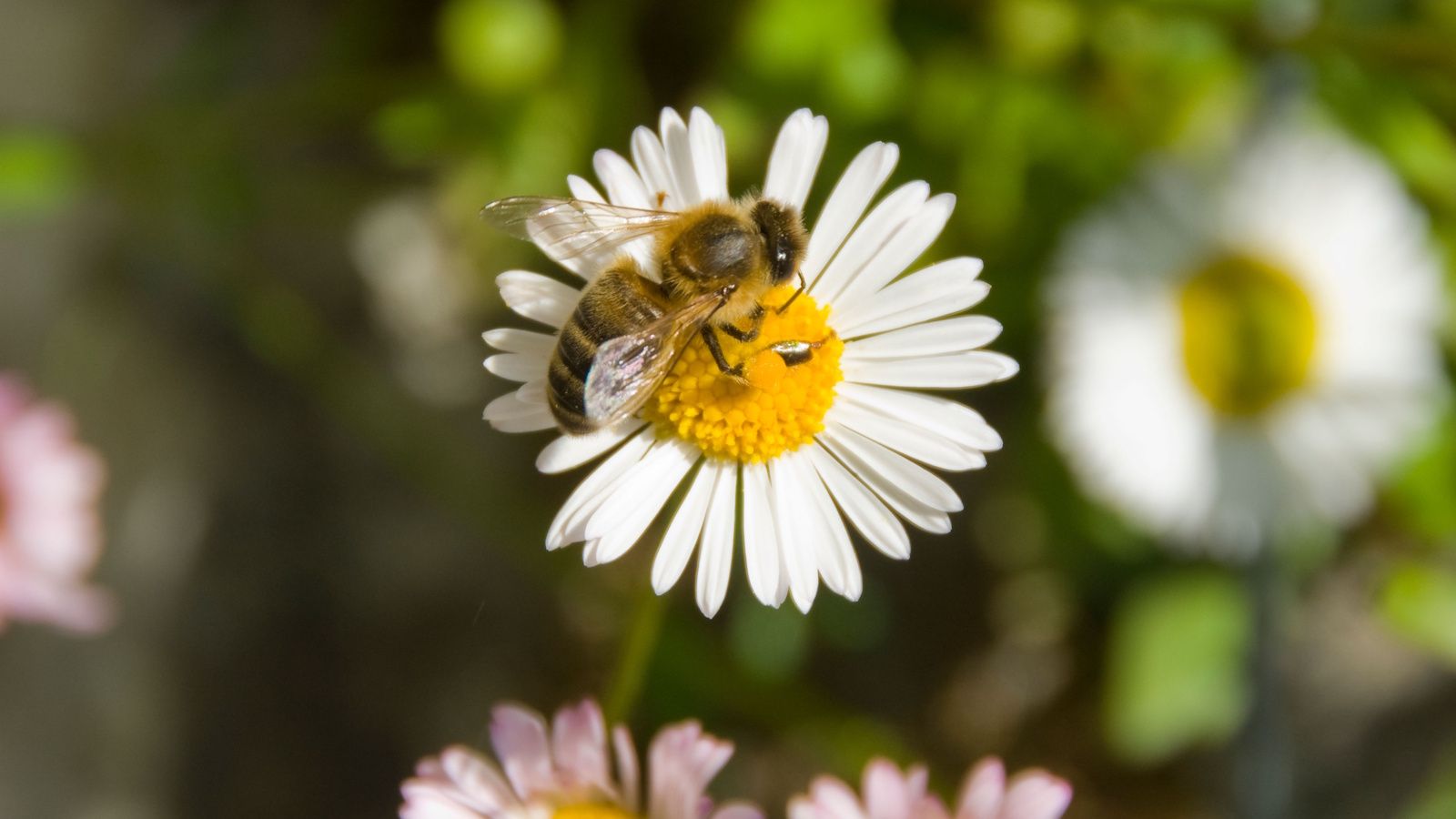
We’re on the cusp of spring now, and the one thing I’m most looking forward to is watching bees buzz around blooms in my yard once again. In particular, I’ll be keeping an eye out for my birth month bee this year.
Just like birth month birds, there are 12 different bees associated with the 12 months of the year. It isn’t a definitive list (like birth month flowers), but rather our list of birth month bees is based on which bees can be spotted or need extra help each month.
You may like
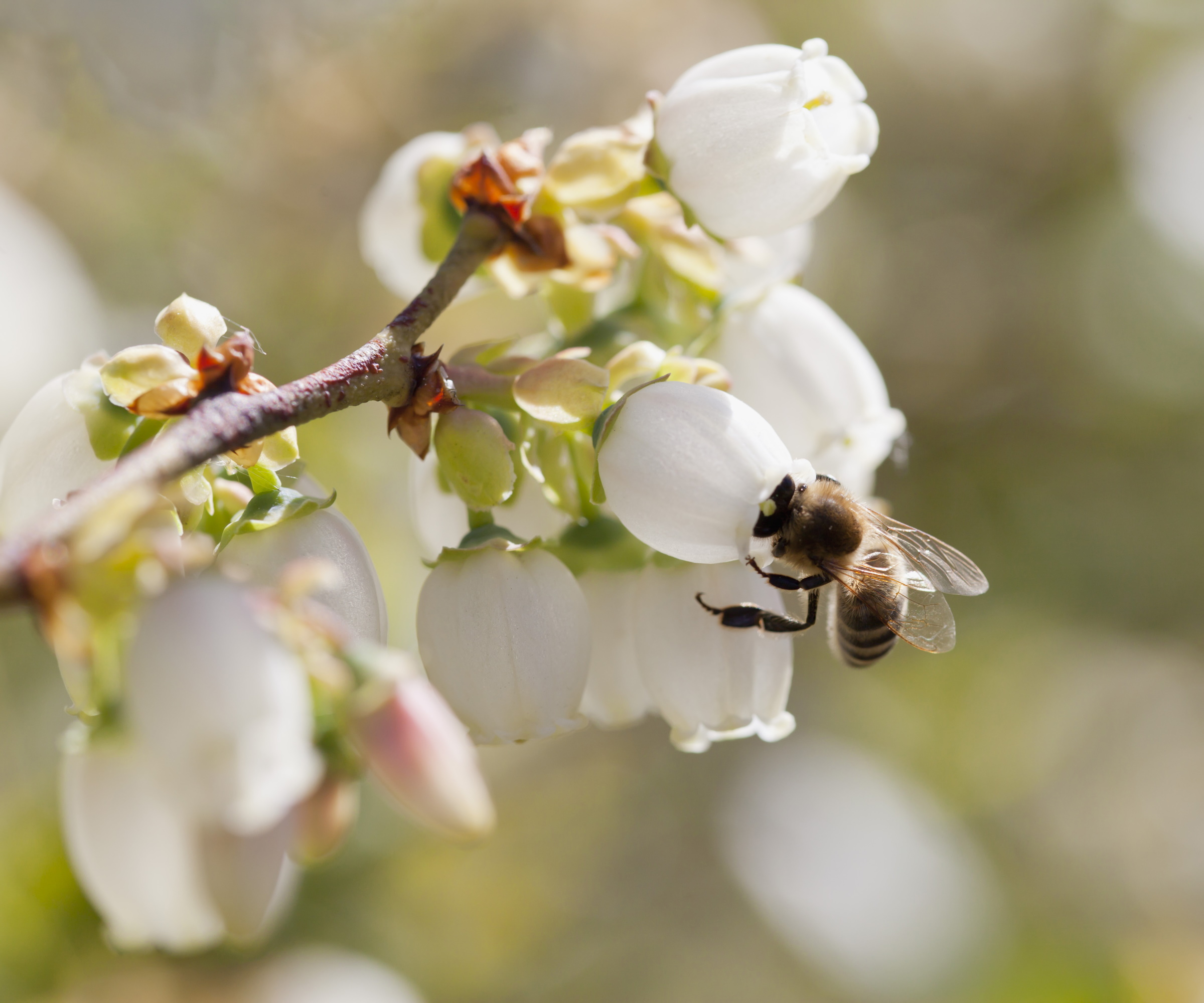
(Image credit: joannatkaczuk via Getty Images)
12 Birth Month Bees
No matter your birth month bee, there’s plenty you can do to attract bees to your garden year-round. This includes planting nectar-rich plants for all types of bees (you can even sprinkle this pack of wildflower seeds for bees from Amazon).
January: Honey Bee
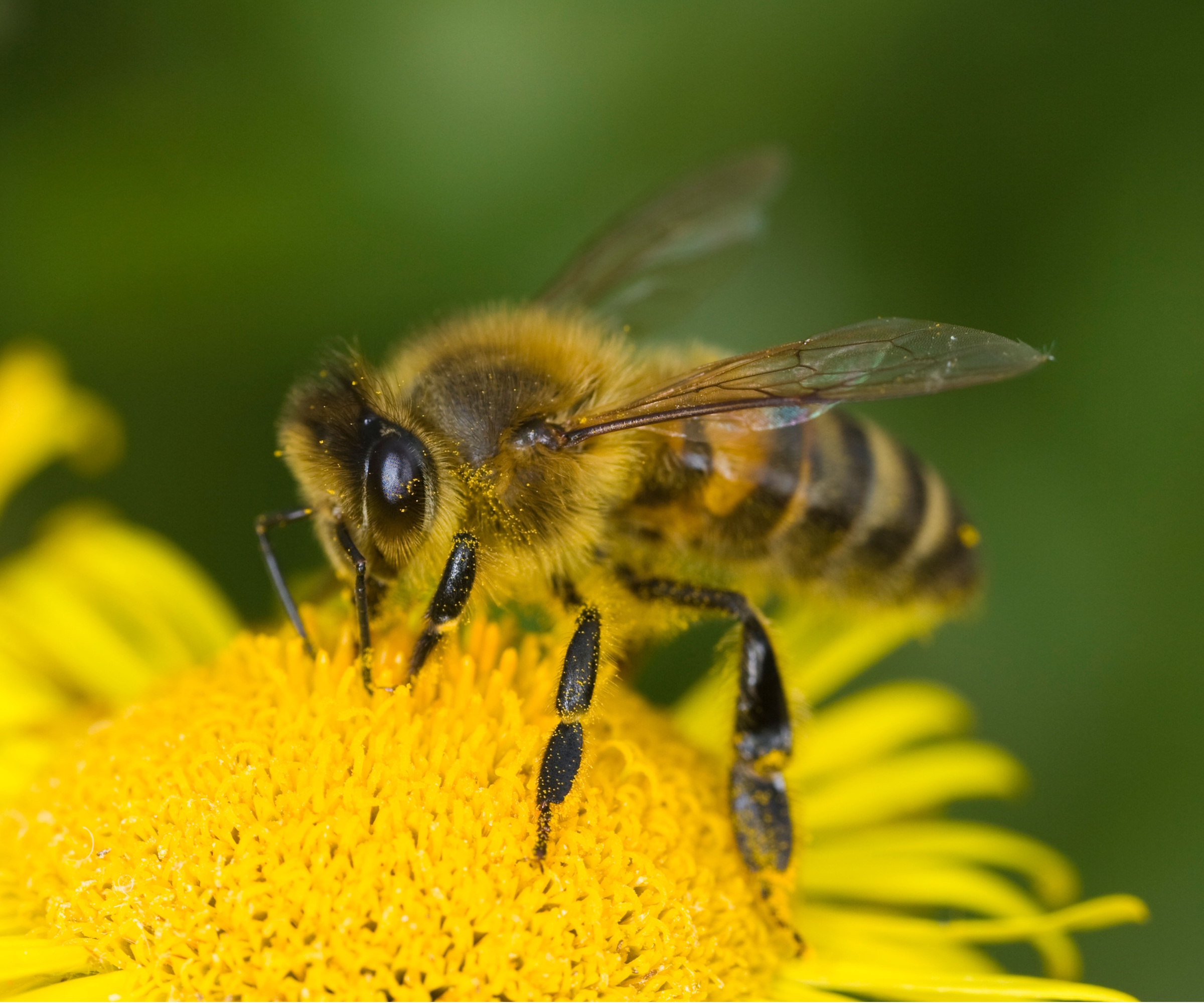
A single Honey Bee produces 1/12th of a teaspoon of honey in their lifetime
(Image credit: Ray Wilson via Alamy)
There’s no better birth month bee for January than the adorable Honey Bee.
While you’re unlikely to spot them in winter, these bees are one of the few species that don’t hibernate.
Instead, they cluster together inside their hive to keep warm, even generating heat by vibrating their muscles. During this time, they survive by eating stored honey.
They will occasionally appear on a ‘cleansing flight’ where they leave the hive on warmer days to clean the hive and reset it.
The best way to support honey bees during this time is by leaving their hive undisturbed and ensuring it is safe, dry, and insulated.
February: Queen Bumblebee
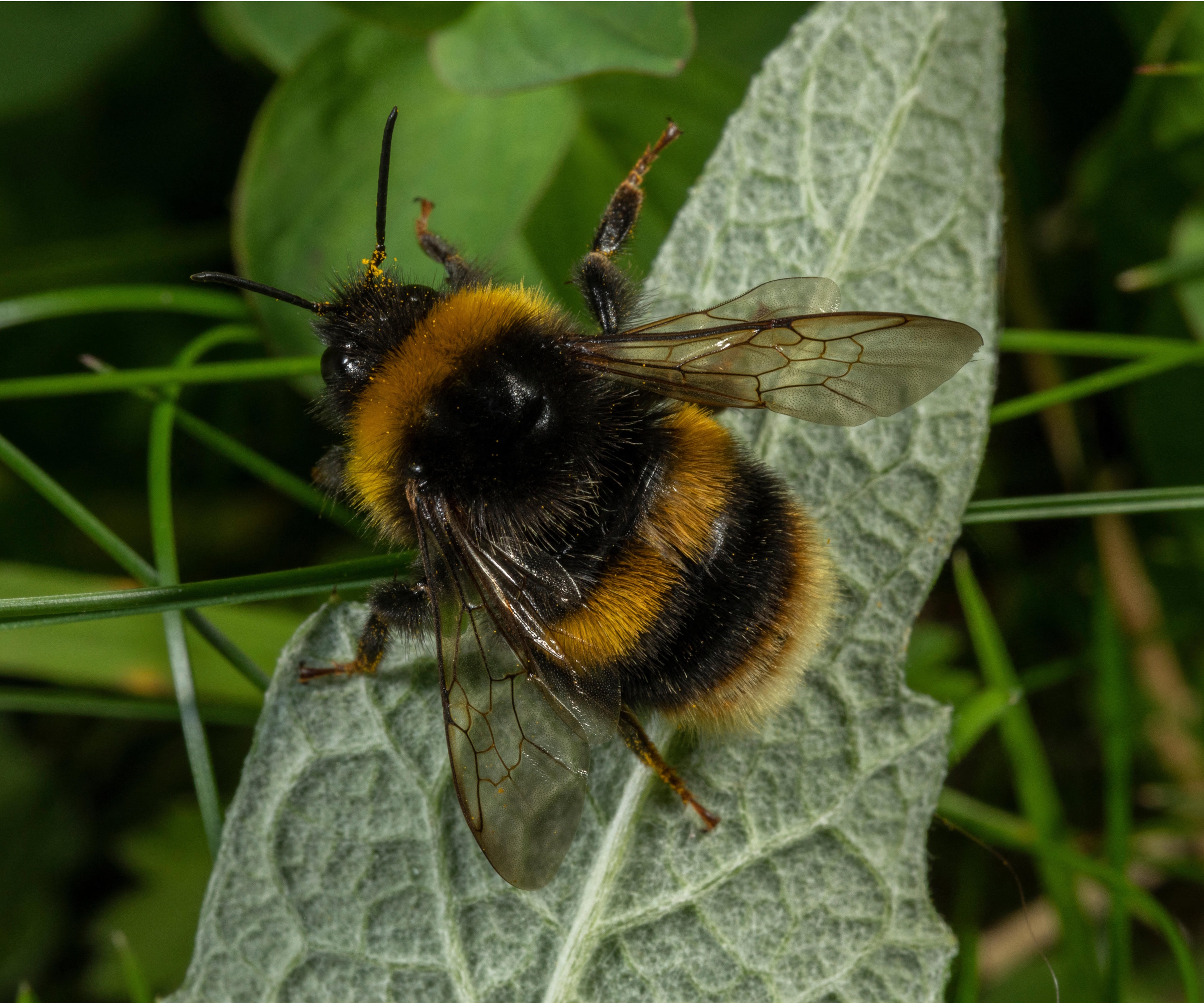
Queen Bumblebees overwinter in loose soil and under leaf litter
(Image credit: Bob Gibbons via Alamy)
In February, Queen Bumblebees are waking up from winter hibernation. As they emerge, their focus turns to searching for nectar to start colonies.
What to read next
You can identify a Queen Bumblebee as being significantly larger than a worker (usually between 18-33mm in length).
During this time, having early spring blooms in your yard will be a beneficial resource to them.
Some of the top picks include hellebores (pack of mixed seeds on Amazon), lungwort, mahonia, wallflowers, and flowering currant.
March: Mason Bees
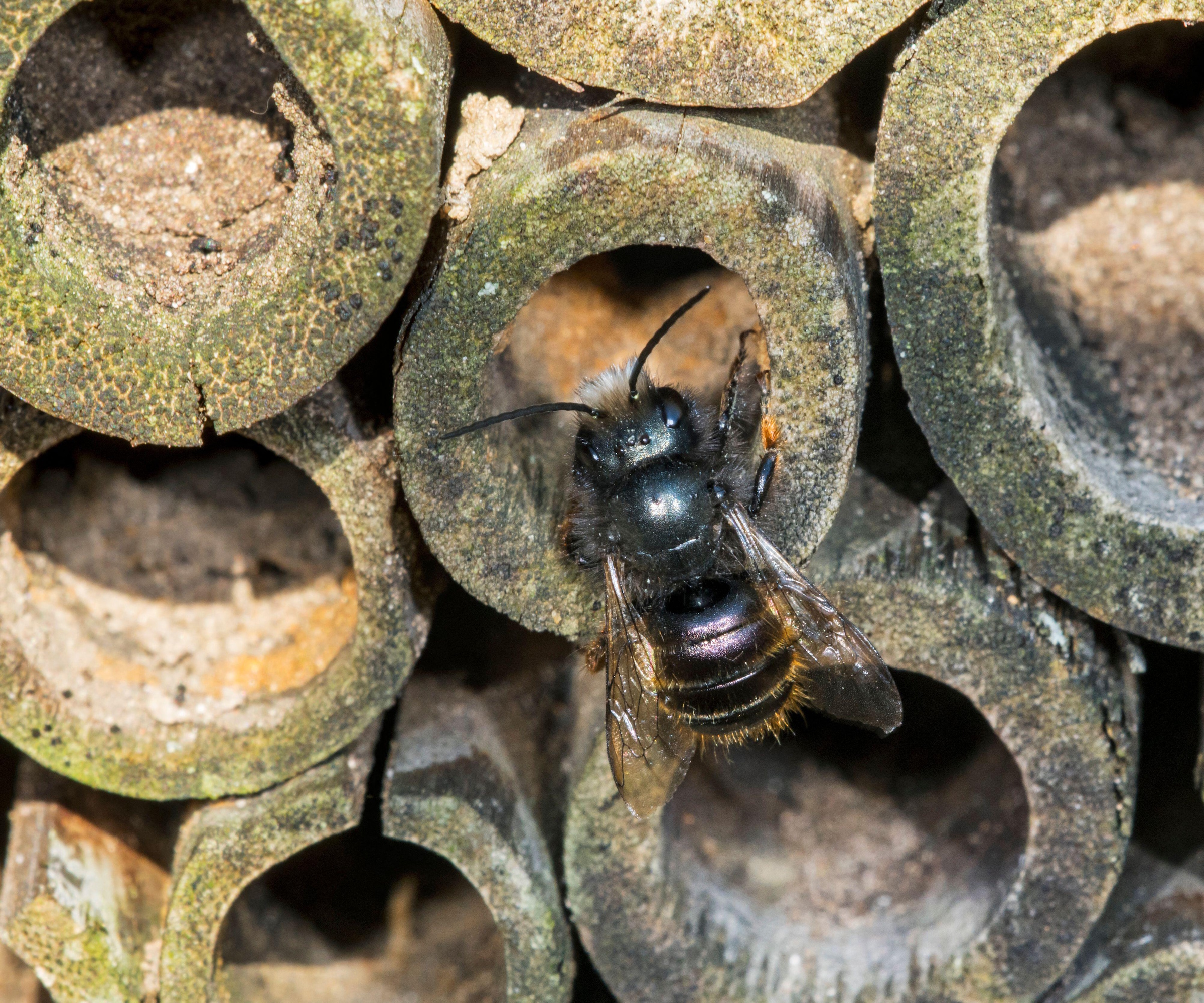
Mason Bees are solitary, meaning they don’t live in hives
(Image credit: Arterra Picture Library via Alamy)
As one of the first bees to emerge in spring, Mason Bees take the title of March birth month bee.
They typically appear when temperatures reach 55°F or warmer, and instantly search for nectar in spring flowers like crocus and dandelions.
Their appearance lines up with the blooming of fruit trees, too, with Mason Bees helping to pollinate them.
Having blossoming fruit trees in your yard can therefore help these bees during this time, like plums and some cherries.
Having a bee hotel (like this from Amazon) also provides a safe shelter and a nesting spot for these pollinators.
April: Sweat Bees
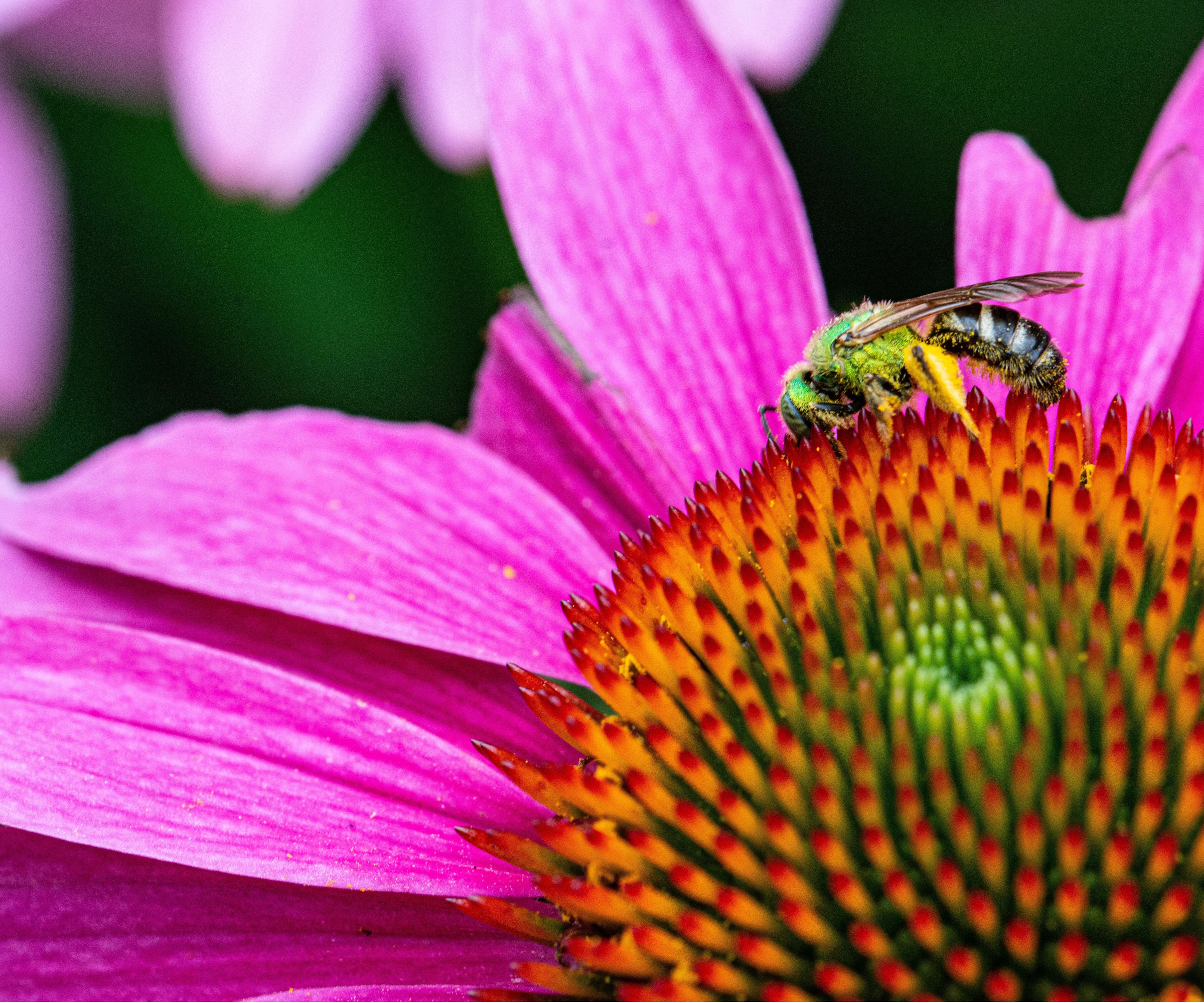
Sweat Bees earn their name for their attraction to human sweat
(Image credit: Maria Hoffman via Alamy)
As wildflower meadows bloom abundantly by April, the beautiful Sweat Bee can be spotted buzzing between flowers.
These bees have unique metallic bodies, often in green or dark blue, so they’re beautiful to spot.
The females nest in the ground in bare soil, which is why leaving some bare ground in your yard is one of the most valuable ways to help them.
Likewise, you can grow native wildflowers to provide a food source. From California poppies to black-eyed Susan, bright spring flowers like these provide lots of nectar for these bees. You can even use a bee wildflower seed mix on Amazon to add a variety to your yard.
May: Blue Orchard Bees
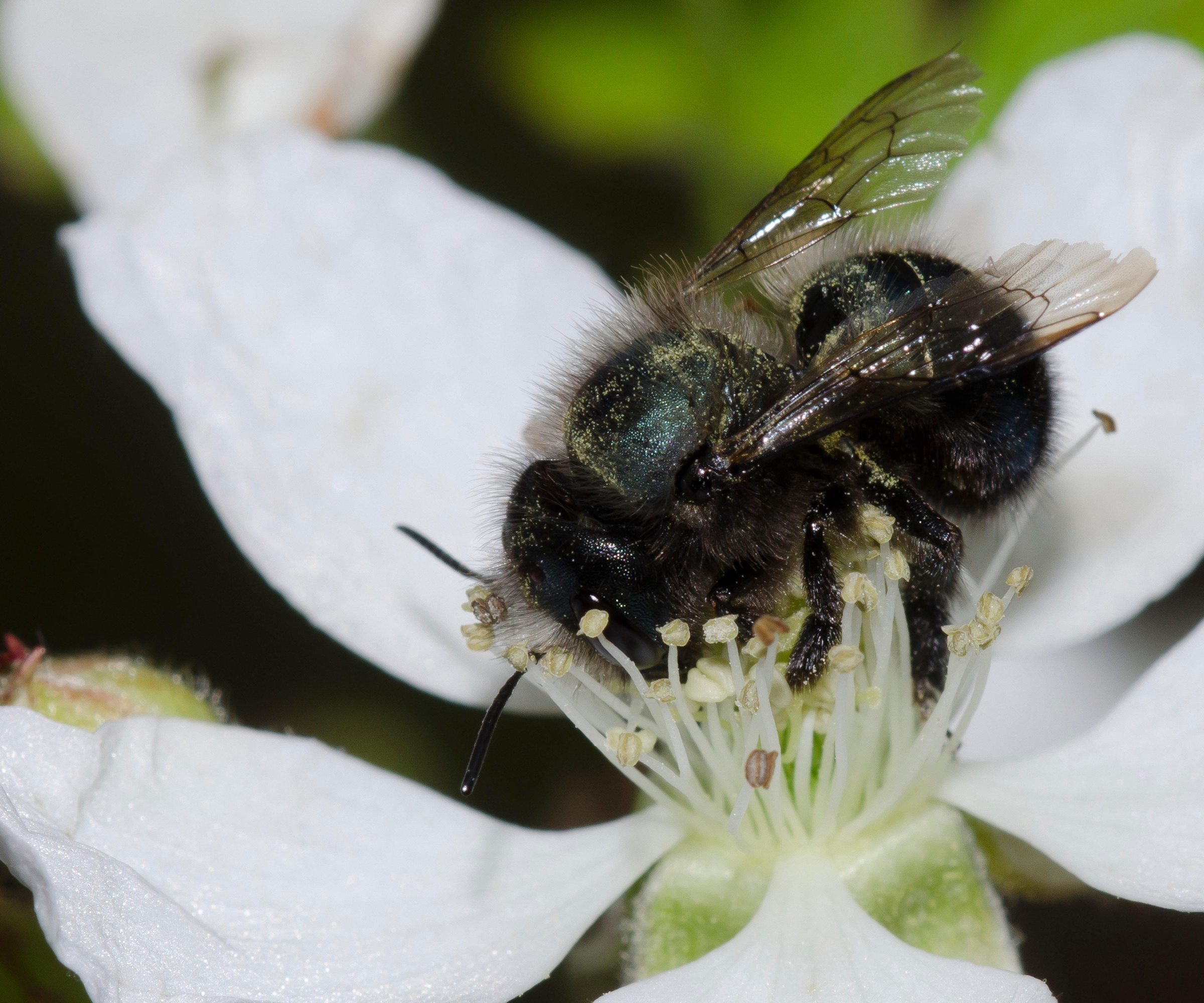
Blue Orchard Bees are non-aggressive, ideal for gardens
(Image credit: Bryan Reynolds via Alamy)
The stunning Blue Orchard Bee is identifiable by its metallic blue body. In May, they are at the peak of their 4-6 week lifespan, pollinating spring flowers (including fruit trees, hence their name) and establishing nests for offspring.
They’re solitary bees, so they don’t have hives. Rather, they nest in mud-sealed cavities, meaning they’re a type of Mason Bee.
For this reason, leaving some deadwood and hollow stems in your yard is beneficial to them.
Keeping bare soil for them to collect mud is one way to help them during this time, alongside providing sources of nectar with lots of flowering fruit trees and berries.
June: Long-Horned Bees
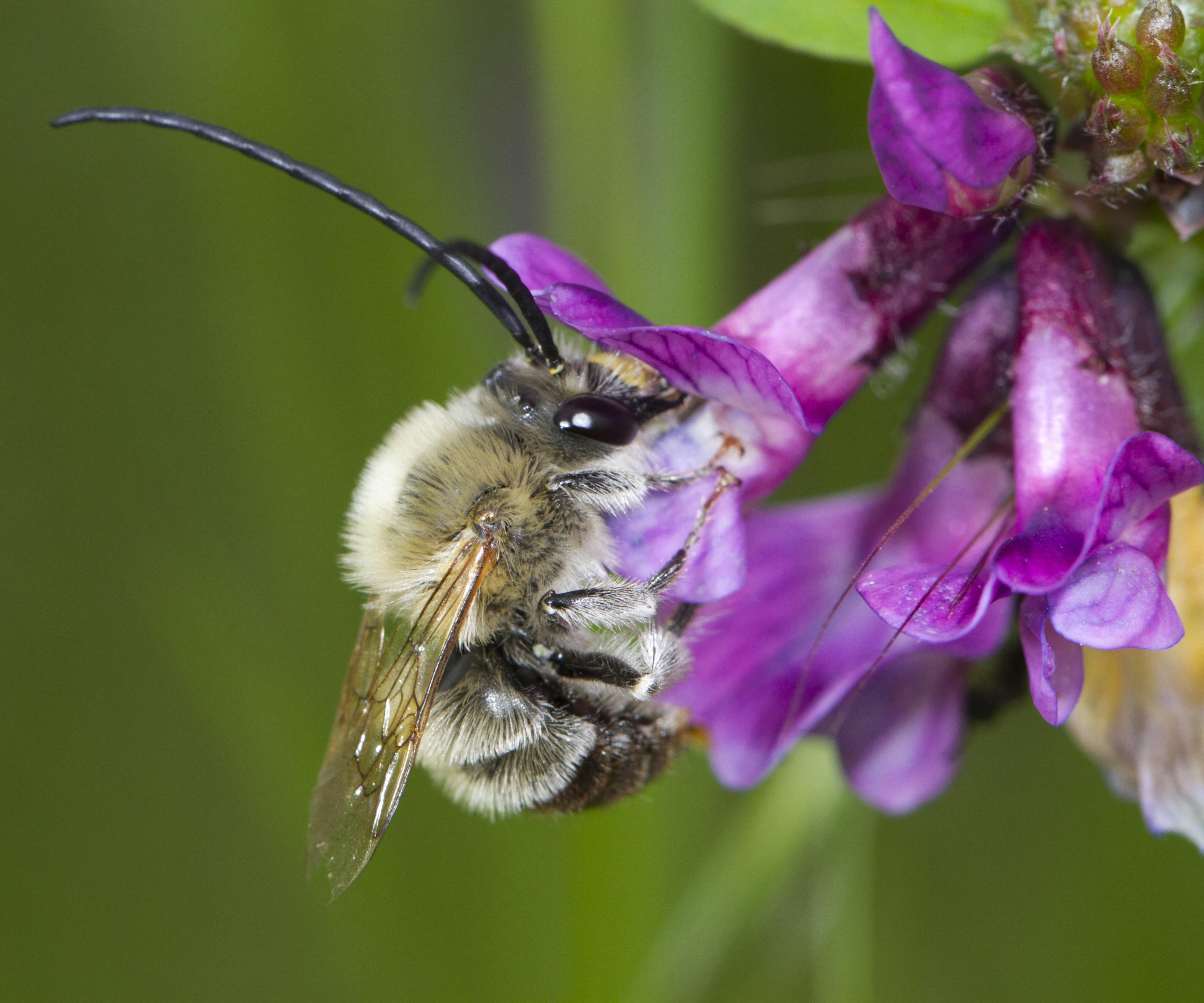
Male Long-Horned Bees have long antennae that can even be longer than their bodies
(Image credit: FLPA via Alamy)
In June, Long-Horned Bees can be found foraging for nectar on plants like sunflowers, lavender, black-eyed Susans, squash, and coneflowers, among others.
Their distinctive long antennae are hard to miss, often measuring 13mm long. It enhances males’ olfactory sensitivity (smell) during mating season to locate females.
The best way to support them in early summer is by leaving some undisturbed ground in your yard for nesting and using native planting to provide lots of nectar sources.
Yellow and purple blooms in particular attract these bees, so consider planting things like sunflowers (explore the range at Burpee) and asters (like this starter plant on Amazon), which will provide nectar through to fall.
July: Carpenter Bees
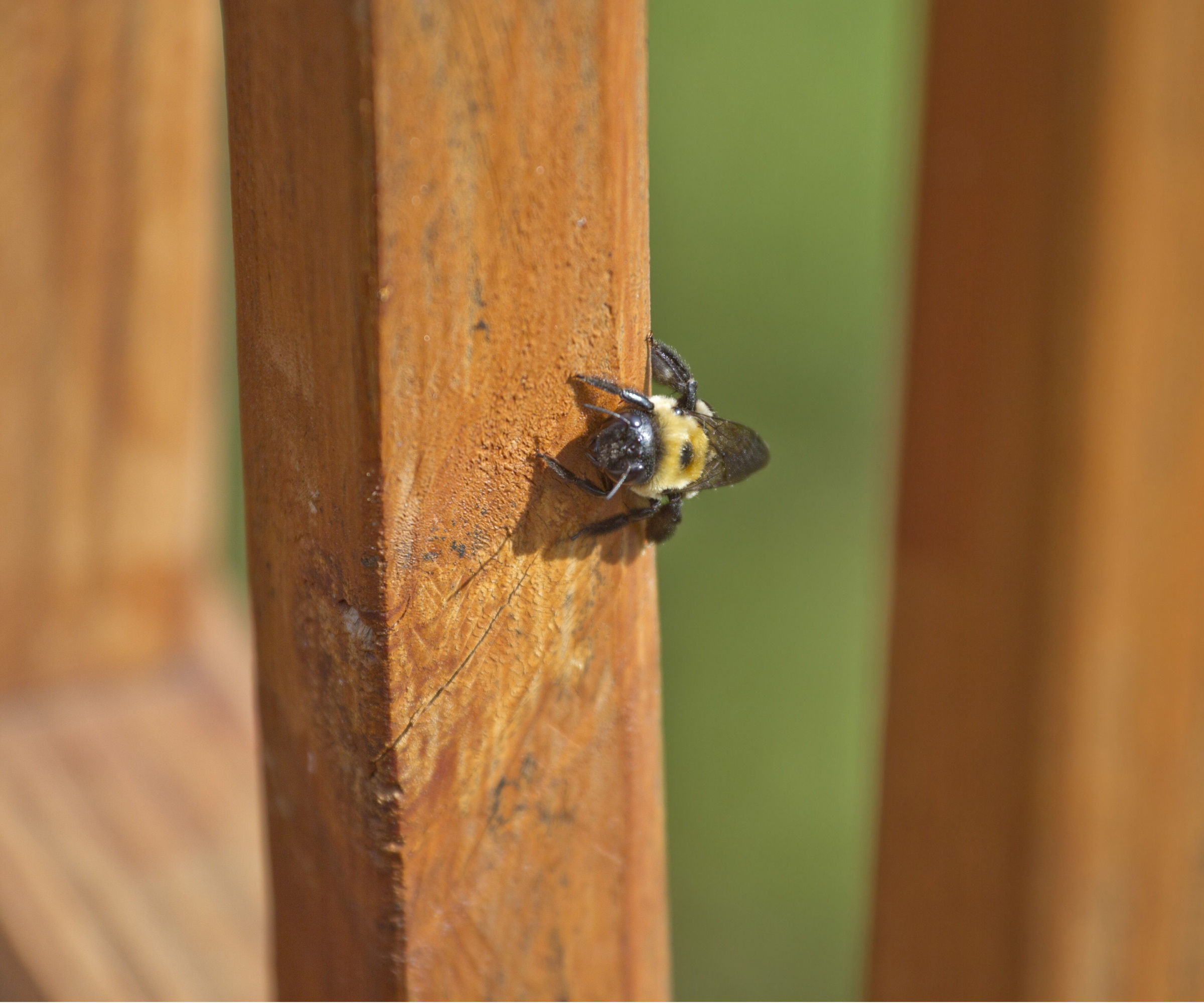
Carpenter Bees can create tunnels as long as 4-6″ in a single season
(Image credit: AwakenedEye via Getty Images)
Known to drill circular holes in wood to create nests, Carpenter Bees are out in full force in July.
They can be spotted near wooden structures during summer, locating nesting spots. This is just before adults come to the end of their lifecycle, leaving their larvae to develop in the wood galleries they create.
Of course, you may want to get rid of Carpenter Bees if they’re causing damage to your fencing, pergolas, decks, and more.
You can seal your wooden structures (like with this sealing wood oil from Amazon) to put a protective barrier in place and prevent carpenter bees from drilling into it.
Then, provide an alternative wood source, like leaving deadwood in your yard or even softwood blocks, like these cedar blocks from Lowe’s.
August: Leafcutter Bees
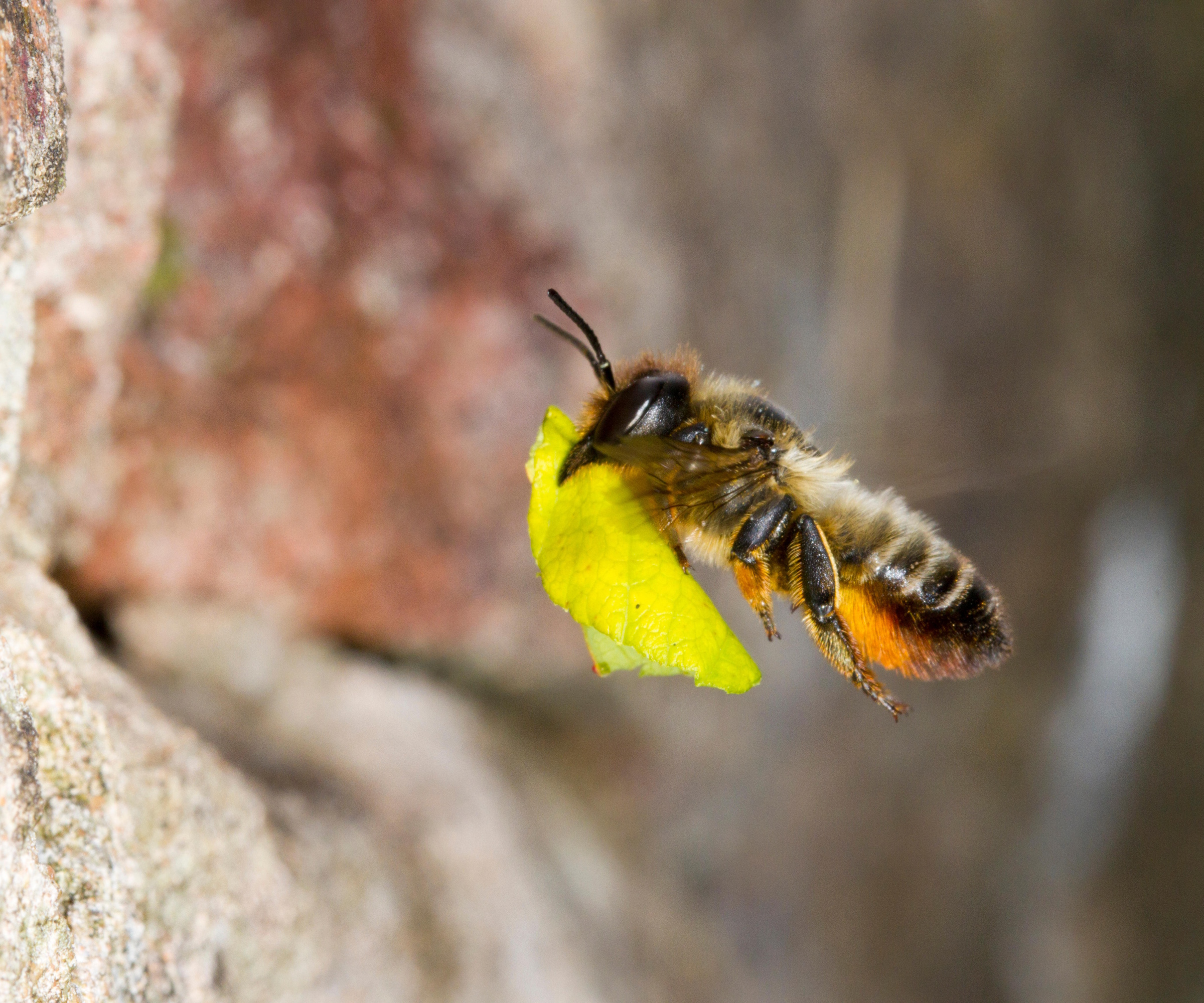
Solitary bees, like the Leafcutter Bee, are thought to be 2-3 more times effective at pollinating than Honey Bees
(Image credit: Richard Becker via Alamy)
Leafcutter Bees cleverly use their jaws to cut out circular discs from leaves, using them to create nests and keep their larvae warm.
By August, these bees are actively collecting leaf material for their nests. You don’t have to worry, though, as their activity doesn’t tend to harm the overall health of plants.
Some of the best plants to provide them with food during this time include roses, hostas, lilac, and ash. They prefer foliage that isn’t hairy and is soft to cut into.
September: Squash Bees
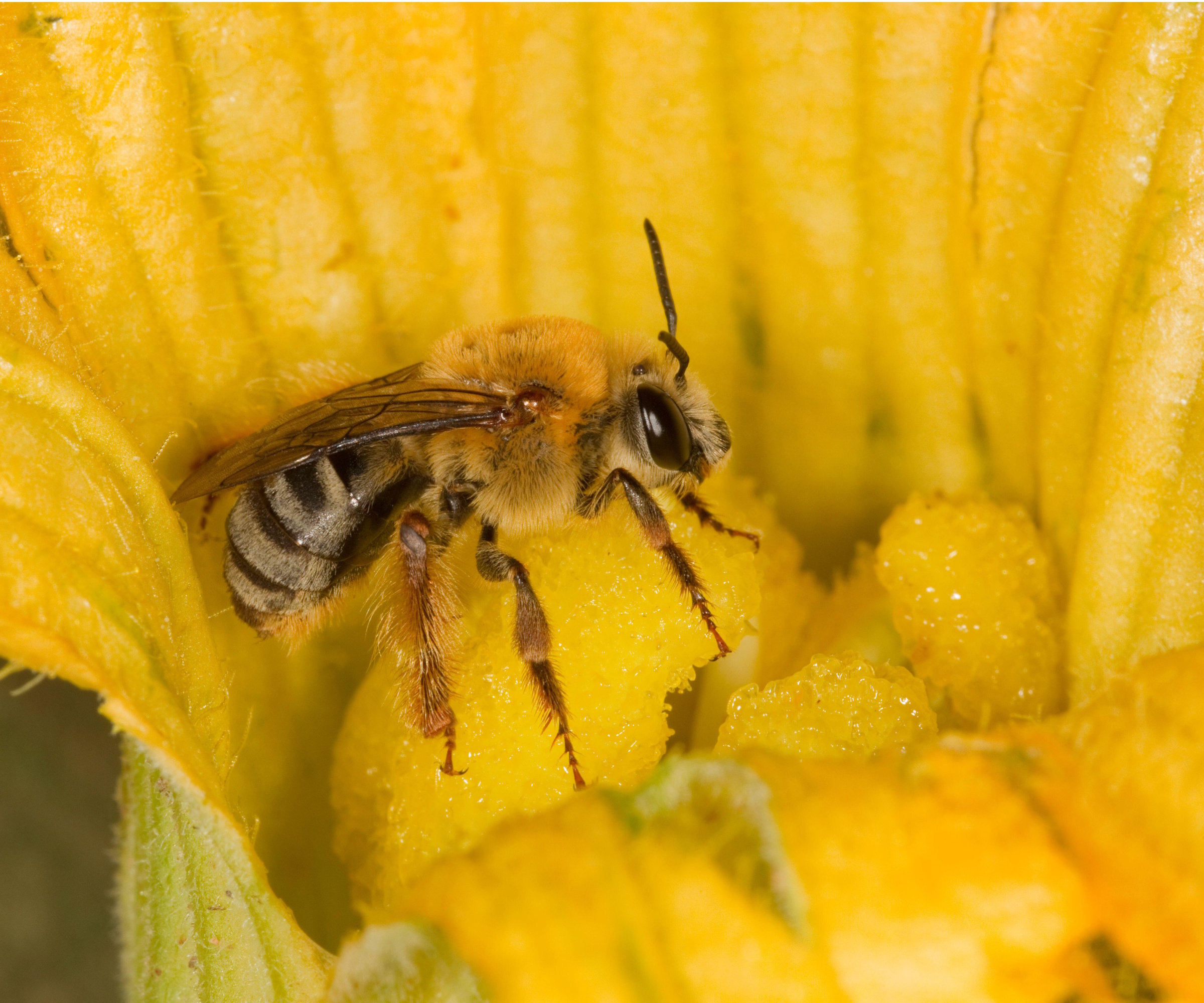
Squash Bees are ground-nesters, so undisturbed ground is a valuable resource to them
(Image credit: Charles Melton via Alamy)
If you have a kitchen garden and love to grow squashes, then look out for the Squash Bee in early fall.
These bees are fundamental to the pollination of squashes, pumpkins, and gourds, as well as other Cucurbita crops. Their peak activity during this time aligns with the flowering of these crops.
They tend to forage for nectar early in the morning, before many other types of bees are active.
You can support them by planting plenty of squashes, and in return, they’ll pollinate the bright yellow blooms and aid an abundant harvest.
You can find squash seeds at Burpee and squash seeds at True Leaf Market.
October: Bumblebees
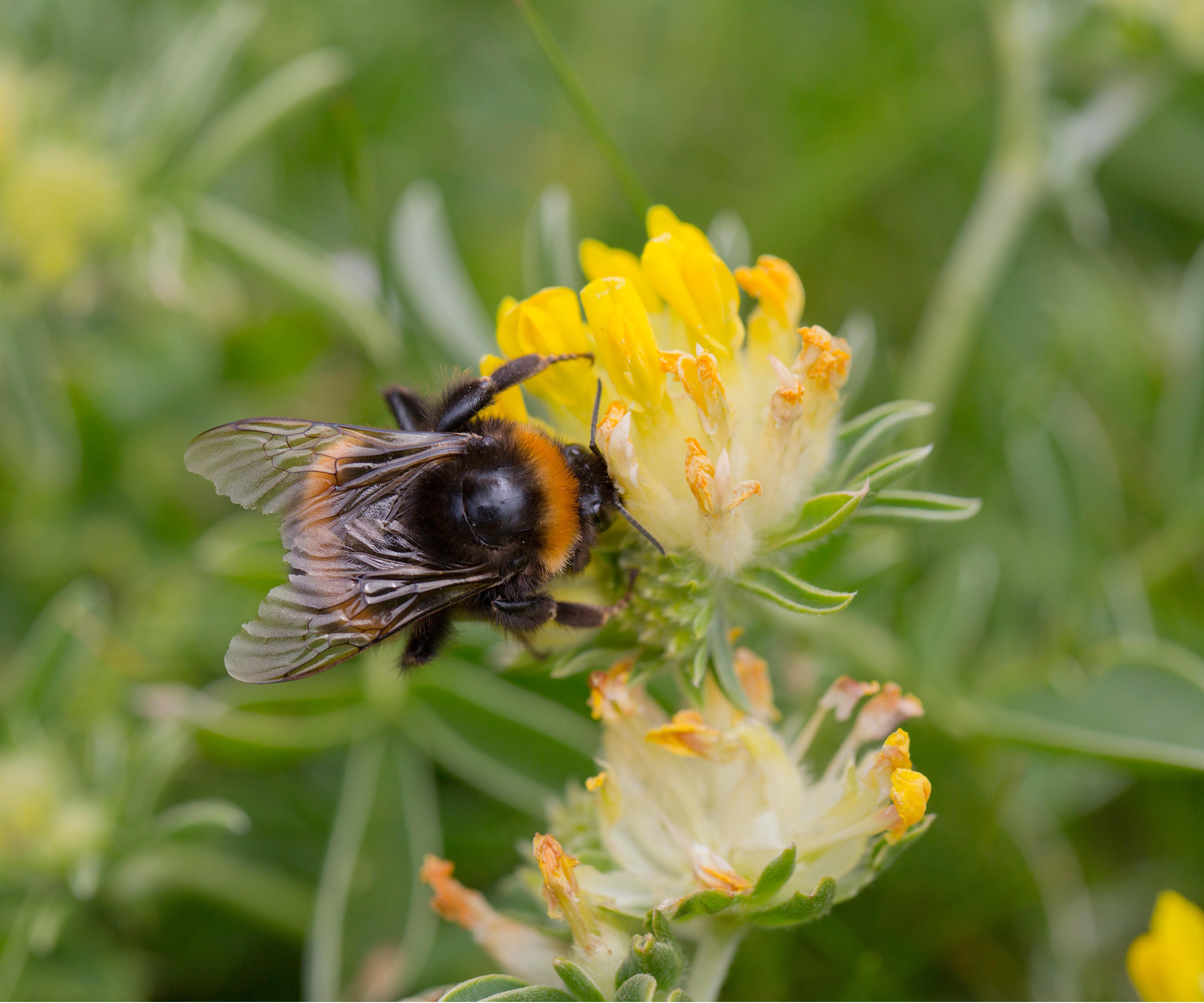
There are over 40 different species of Bumblebee found in the US
(Image credit: David Chapman via Alamy)
October marks a significant stage in the lifecycle of Bumblebees.
Worker bees are dying off in cooler temperatures during this time, and newly mated Queens are foraging to build up a reserve for the winter months.
During a mild fall, you may still spot some late season Bumblebee activity, which is why fall flowers are so valuable, providing nectar.
You can also help new Queens prepare for winter during this time by leaving fallen leaves on the ground for shelter. You should avoid over-tidying your yard in fall for this reason, offering safe shelter for overwintering beneficial insects.
November: Blueberry Bee
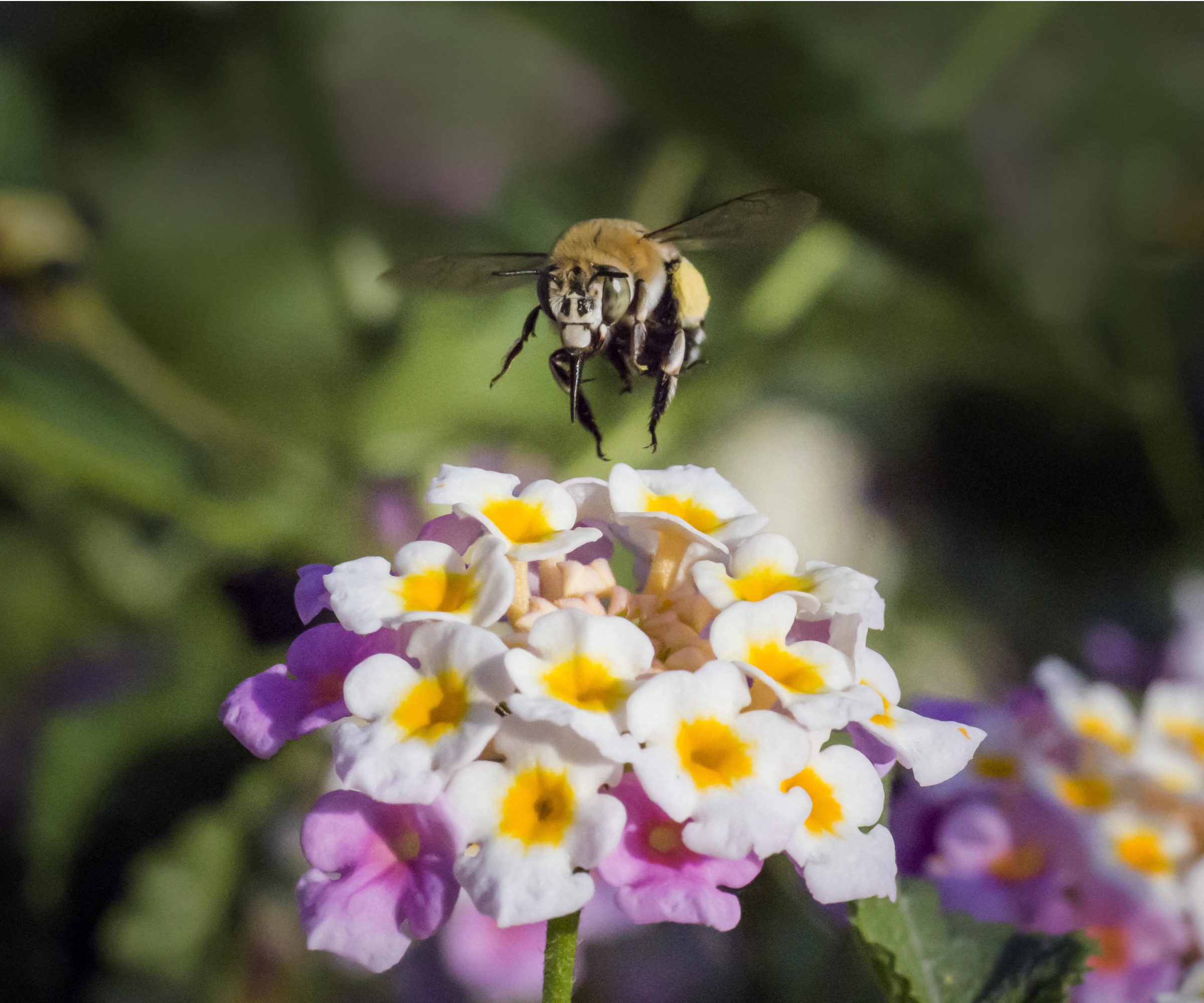
Blueberry Bees are primarily found in the southeastern US
(Image credit: Erik Karits via Alamy)
Blueberry Bees are one of the types of bee to hibernate, or ‘diapause’, once the coldest temperatures arrive.
During November, the larvae will be overwintering in underground tunnels created by the adults during the warmer months.
The best way to support pollinators in fall and winter is by creating undisturbed spaces in the yard, with bare ground for nesting.
For those living in USDA zones 3-10, you can get ahead on offering spring sources of nectar for these bees by planting a blueberry shrub, so long as the ground isn’t frozen.
Unsurprisingly, this is what Blueberry Bees heavily rely on once spring blooms arrive.
Find a blueberry shrub at Nature Hills.
December: Mining Bees
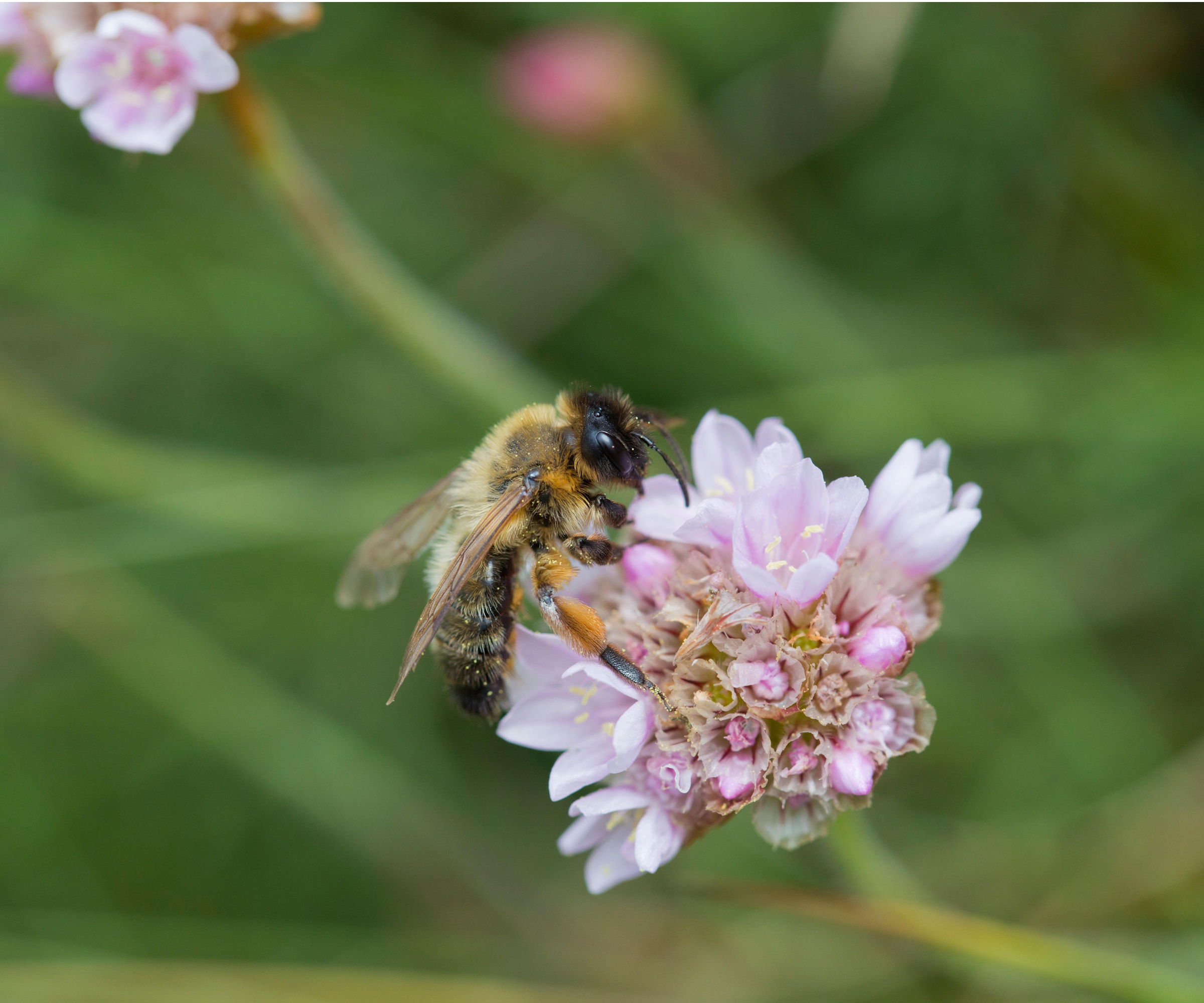
Mining Bees build volcano-shaped chimneys in soil when building nests
(Image credit: David Chapman via Alamy)
With the majority of bees being dormant in winter, there aren’t a lot to spot. But, Mining Bees are in an interesting stage by December.
In most US regions, these bees are inactive above ground this month, but below surface level, new Mining Bees adults are resting and waiting for spring at this time.
They’re often up to 8″ below the surface, safely nesting in individual chambers created by the parent bees.
The best way to support them in December is by leaving these nesting sites undisturbed and not removing fallen leaves, which are often used for insulation.
Now you know all 12 birth month bees, why not make some changes in your yard to enhance it as a wildlife garden? The accessories below can help you turn your yard into a garden for pollinators year-round.
Shop Pollinator Gardening Essentials
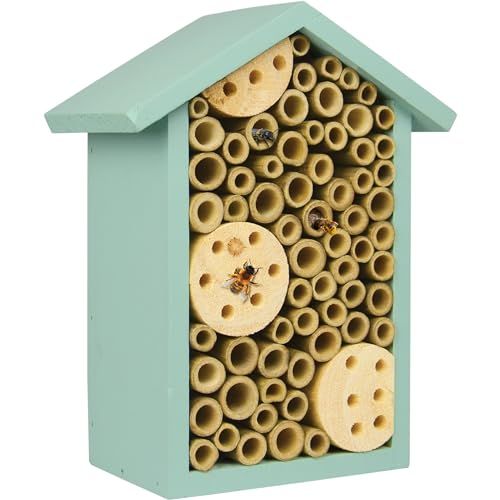
This charming bee hotel has lots of cavities for bees to nest and shelter in. It comes with a hanger to easily mount on trees and fences.
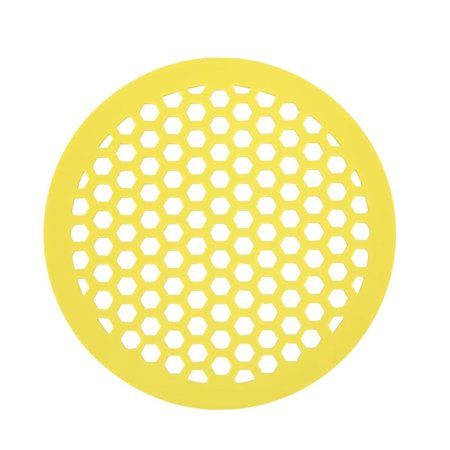
Place these floating bee islands in a bird bath to provide a landing spot for bees and butterflies. It makes fresh water more accessible.
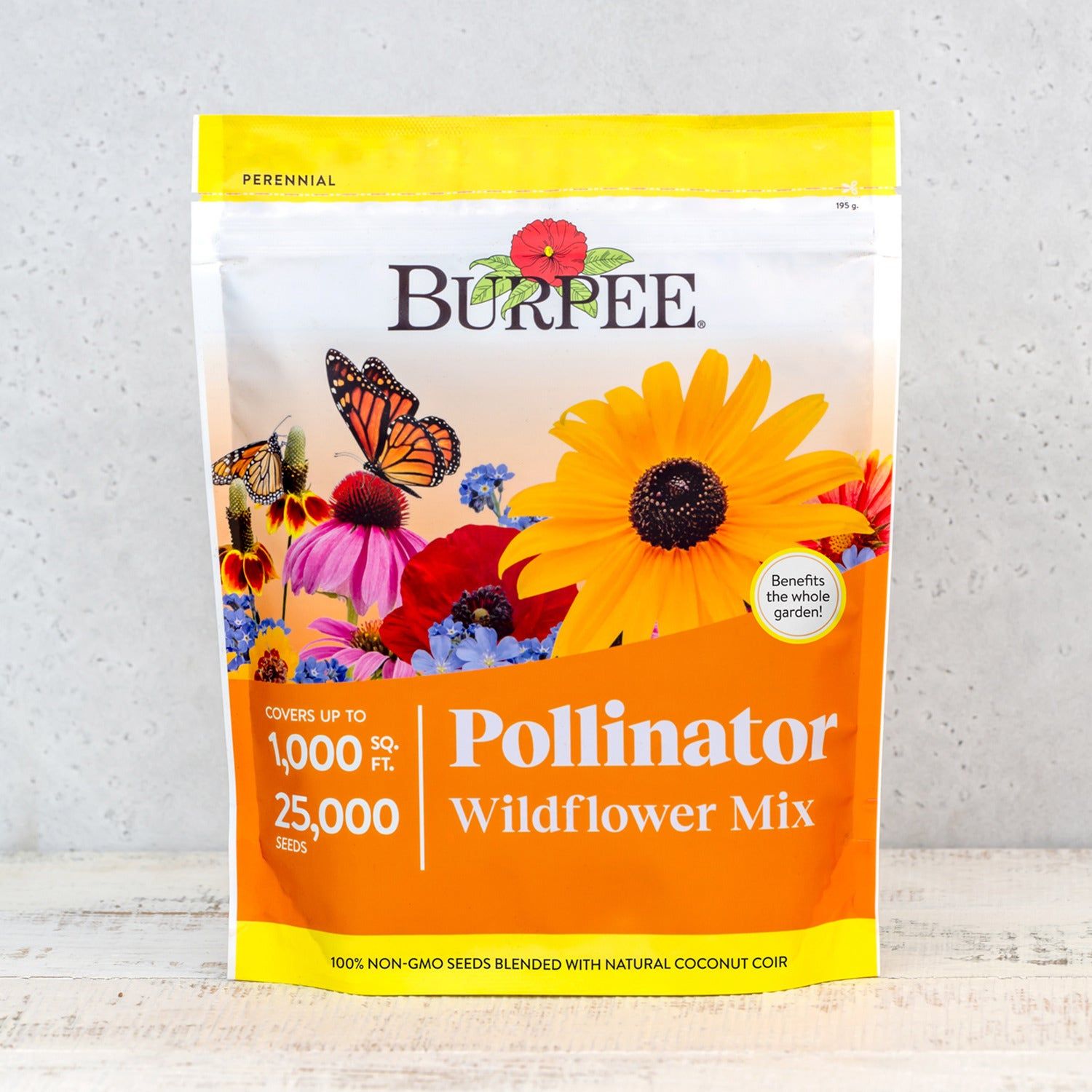
Pollinator Mix Wildflower Seeds
Sprinkle these wildflower seeds to grow a wide range of nectar-rich blooms for bees, butterflies, and other beneficial insects.