
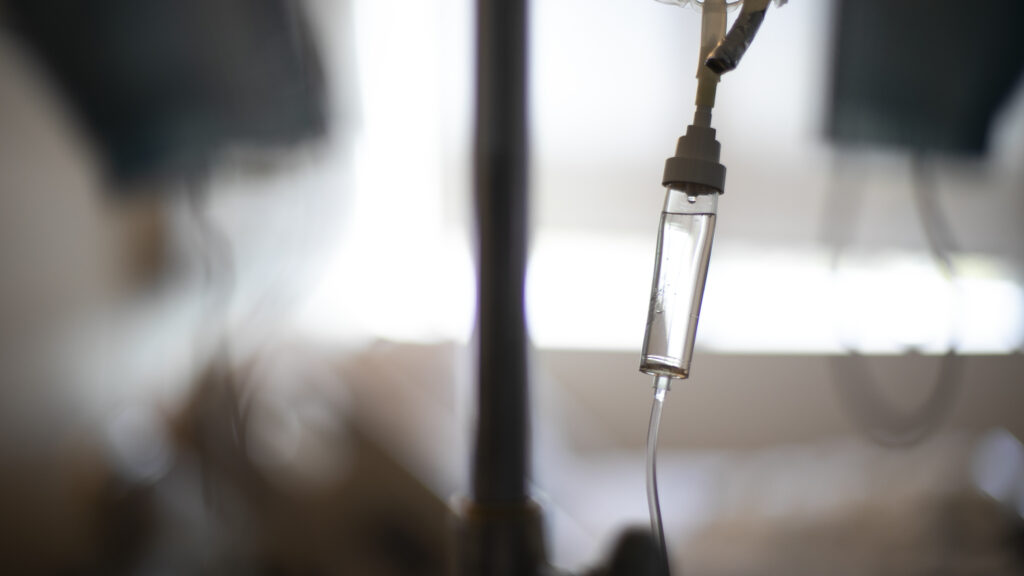
The notion that oncologists could boost immunotherapy responses simply by giving infusions in the morning, rather than late afternoon, is an attractive one. So when a clinical trial published in Nature Medicine this month showed that lung cancer patients treated in the morning had a massive reduction in the risk of progression compared to those treated in the afternoon, many scientists were intrigued, if skeptical.
Now that study is coming under fire, as multiple scientists and sleuths raise serious concerns about the data and point out inconsistencies in the trial.
These have called the study’s conclusions even further into question, which experts told STAT already lacked strong biological plausibility, and Nature Medicine appended a note on the study on Thursday that it is starting an investigation into the concerns.
STAT+ Exclusive Story
Already have an account? Log in

This article is exclusive to STAT+ subscribers
Unlock this article — plus in-depth analysis, newsletters, premium events, and news alerts.
Already have an account? Log in
Individual plans
Group plans
To read the rest of this story subscribe to STAT+.