

The competition
At the time of writing, a 256GB 8GB RAM Poco M8 will set you back €230/GBP 190/$290/INR 20,000 and a 512GB 8GB RAM will run you about €260/GBP 220/$370. Rather expectedly, that makes it a bit cheaper than the almost identical Redmi Note 15 5G.
Within Xiaomi’s own lineup, the Poco X7 Pro immediately comes to mind as a close alternative. Its standout feature is the powerful MediaTek Dimensity 8400 Ultra chipset, which, paired with fast UFS 4.0 storage, delivers performance on a completely different level. The X7 Pro also brings a larger battery and significantly faster charging. The M8, on the other hand, counters with a slightly bigger display.




Xiaomi Poco X7 Pro • Samsung Galaxy A36 • Motorola Edge 60 Fusion • Infinix Note Edge
Over in camp Samsung, the Galaxy A56 is just out of budget, even the base version, making the Galaxy A36 the right speed. Samsung offers arguably a better bill of materials and better build with its Gorilla Glass Victus+ back and front and IP67 ingress protection. You also get an ultrawide camera with the Galaxy. On the flip side, the Poco M8 wins in the display and battery departments. It also has a microSD card slot.
The Motorola Edge 60 Fusion fits right into the budget. It offers excellent build quality, a more powerful chipset, an ultrawide camera, and proper HDR support on the display.
The Infinix Note Edge is not necessarily a household name in many places, but the brand still enjoys quite a bit of popularity in certain markets. There is a lot of value to be had here. Some highlights include a higher resolution display and a large 6,500 mAh battery. However, that said, it does not have excellent battery life, as per our testing. You will also have to live with 1440p video capture.
Our verdict
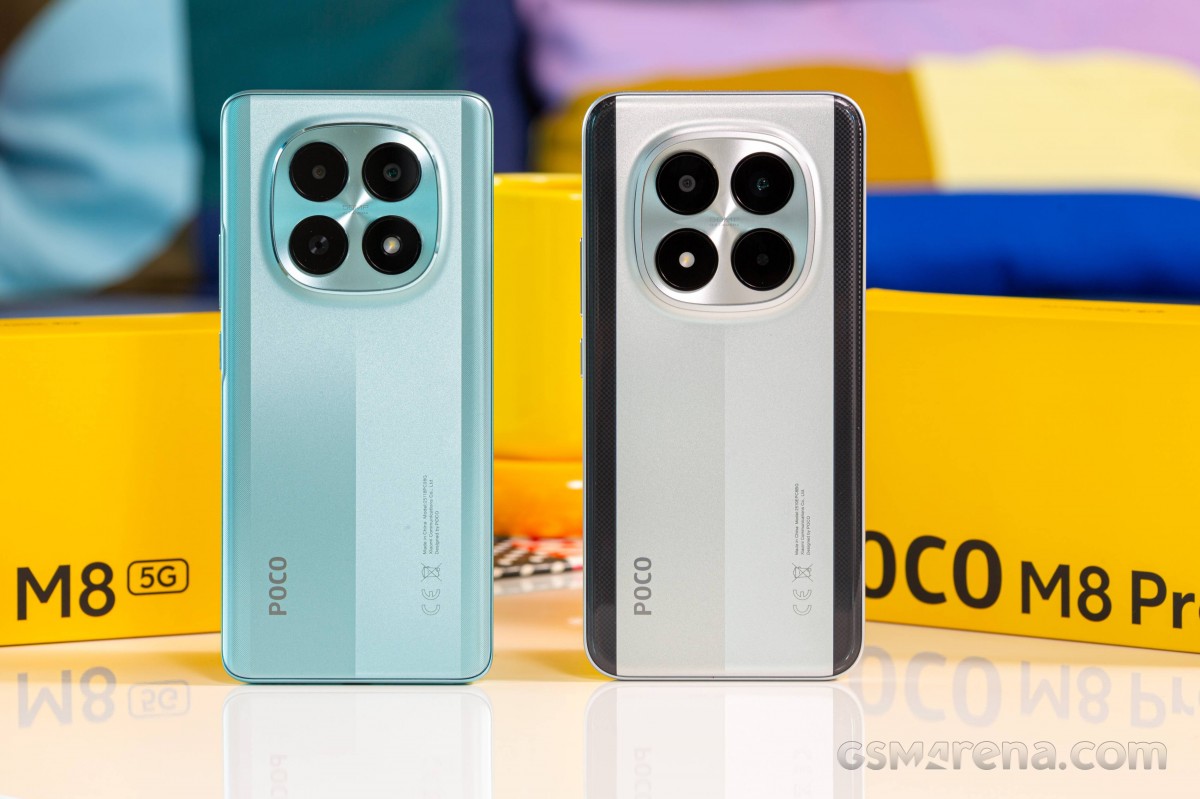
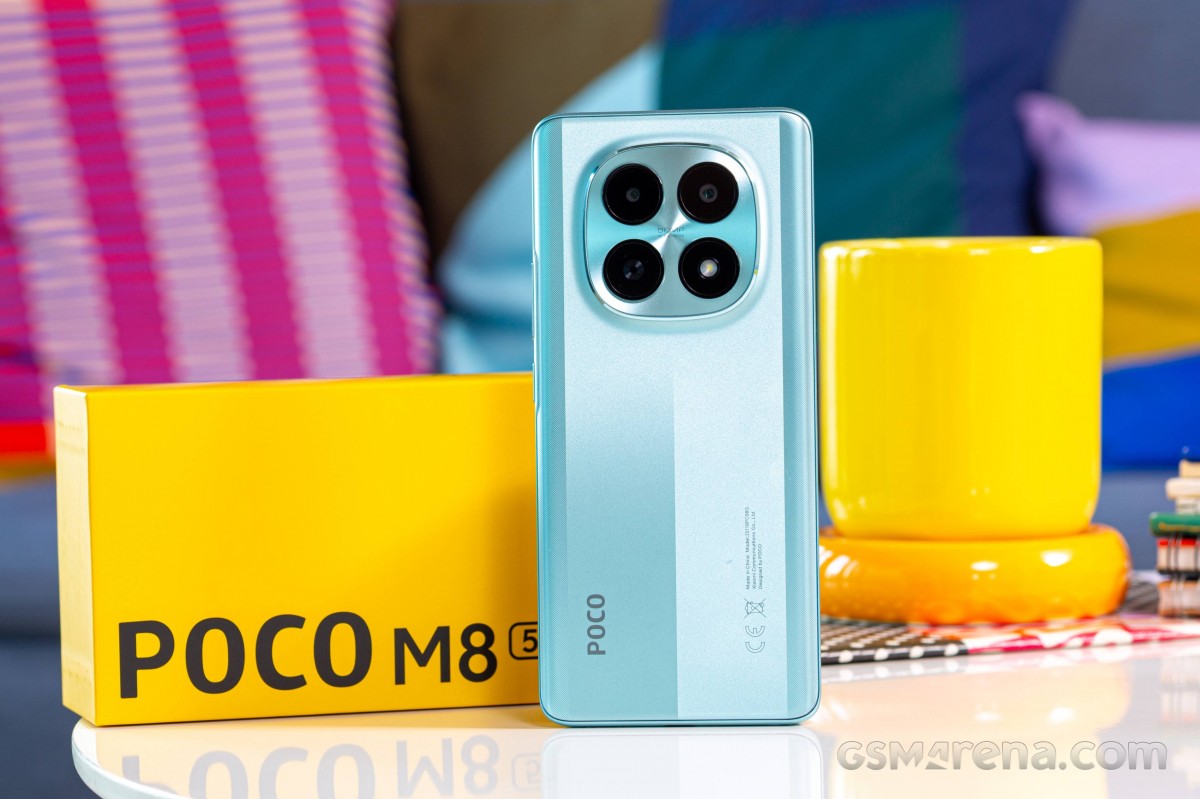
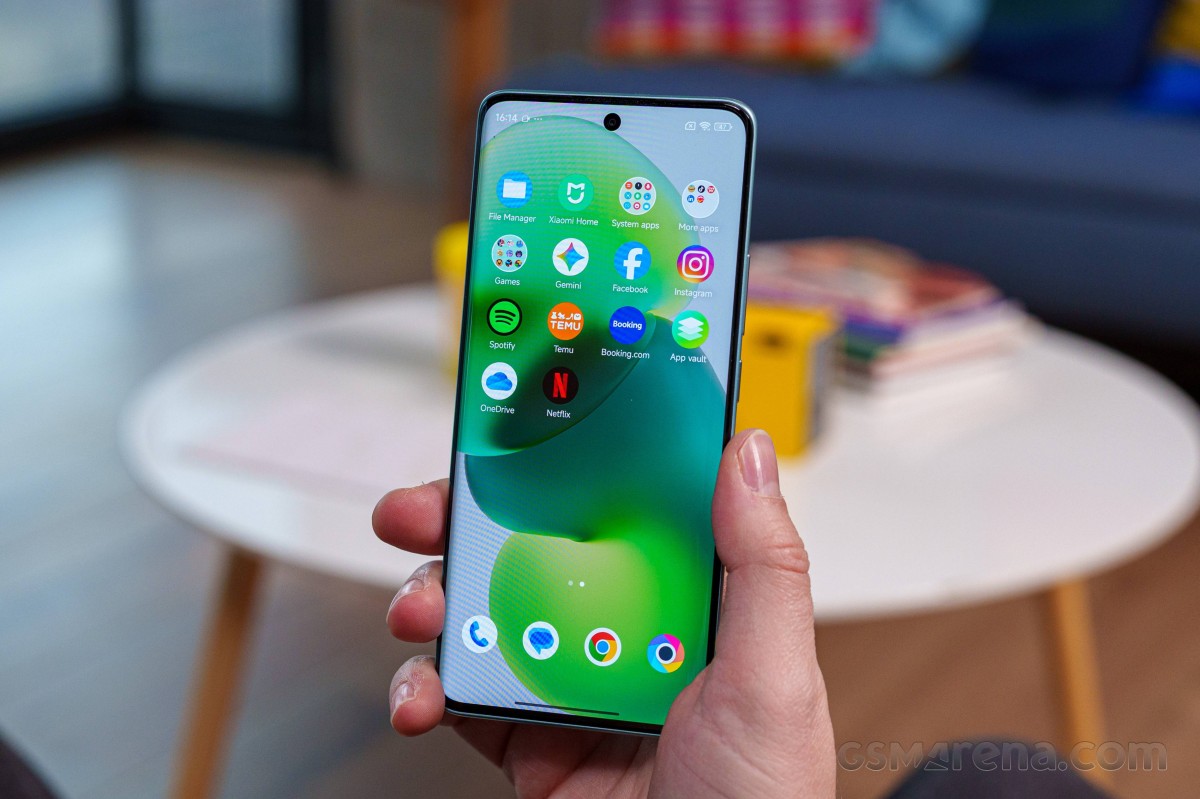
The Poco M8 is exactly what it sets out to be: a straightforward, no-nonsense budget all-rounder that focuses on delivering solid fundamentals at an aggressive price. It doesn’t try to reinvent Xiaomi’s formula, but it executes it well. You get a bright AMOLED display, dependable everyday performance, good thermals, long software support and respectable battery endurance, all wrapped in a durable and reasonably well-built package.
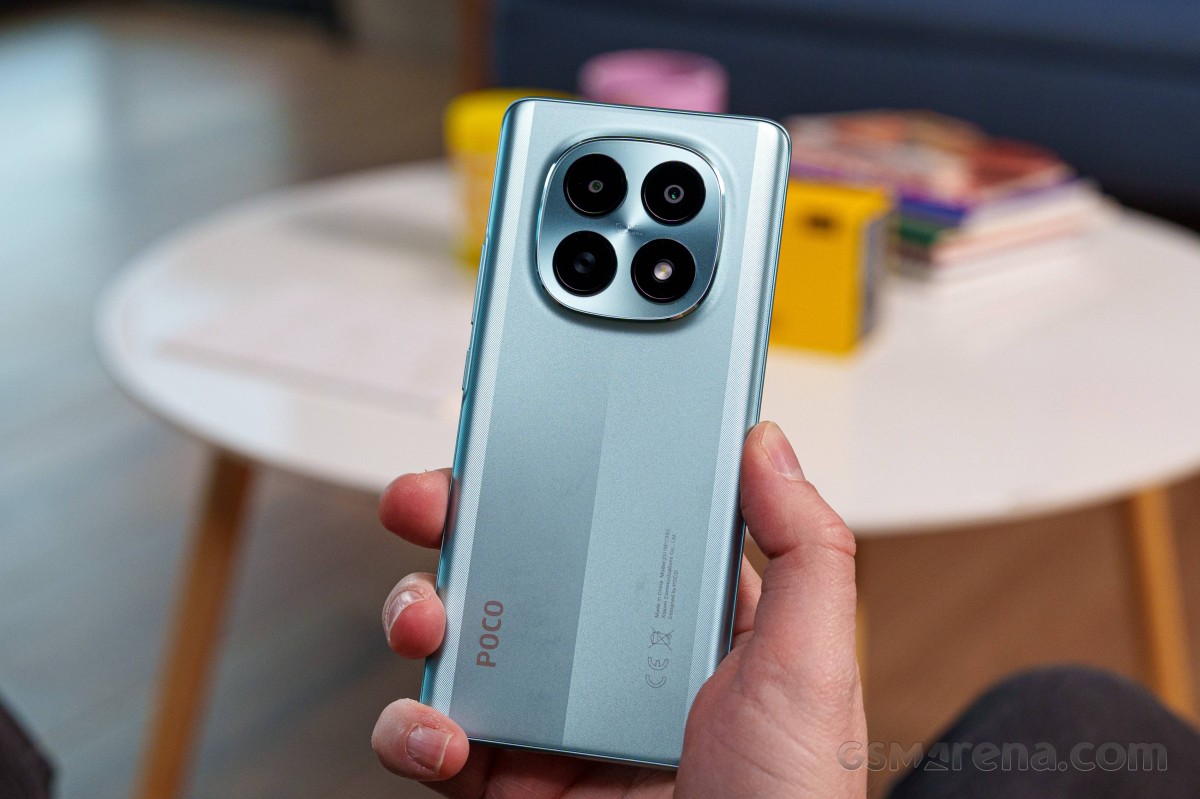
Naturally, there are compromises. The Snapdragon 6 Gen 3 is competent but hardly exciting in terms of pefrormance. The camera hardware is clearly trimmed down compared to some rivals and even Xiaomi’s own siblings, lacking both an ultrawide and any meaningful zoom versatility. HDR video support is also somewhat questionable in practice, and the charging speeds, while decent, are no longer class-leading.
Still, the Poco M8 is easy to appreciate. It delivers a consistent and predictable user experience with very few glaring flaws, and most of its limitations are understandable at this price point. If you’re after a reliable daily driver that prioritizes balance and value over standout features, the Poco M8 makes a strong case for itself.
Where things get a bit trickier is within Xiaomi’s own lineup. The Redmi Note 15 5G offers a more versatile camera system for a relatively small price premium, while stepping up to something like the Poco X7 Pro dramatically improves performance. Even so, if your priorities lean toward affordability and you don’t mind the trimmed-down camera setup, the Poco M8 remains one of the more sensible choices in its segment.
In the end, the Poco M8 isn’t the most exciting phone you can buy for the money, but it is one of the safest bets. It nails the basics, avoids major pitfalls, and delivers the kind of dependable experience budget buyers tend to appreciate most.
Pros
IP65/IP66-rated durability.
Bright 120Hz AMOLED display.
Solid everyday performance and excellent thermals.
Good battery life and decent 45W charging.
Long software support promise.
Expandable storage via microSD.
Cons
No ultrawide camera.
HDR video support is questionable in practice.
4K video lacks stabilization.