
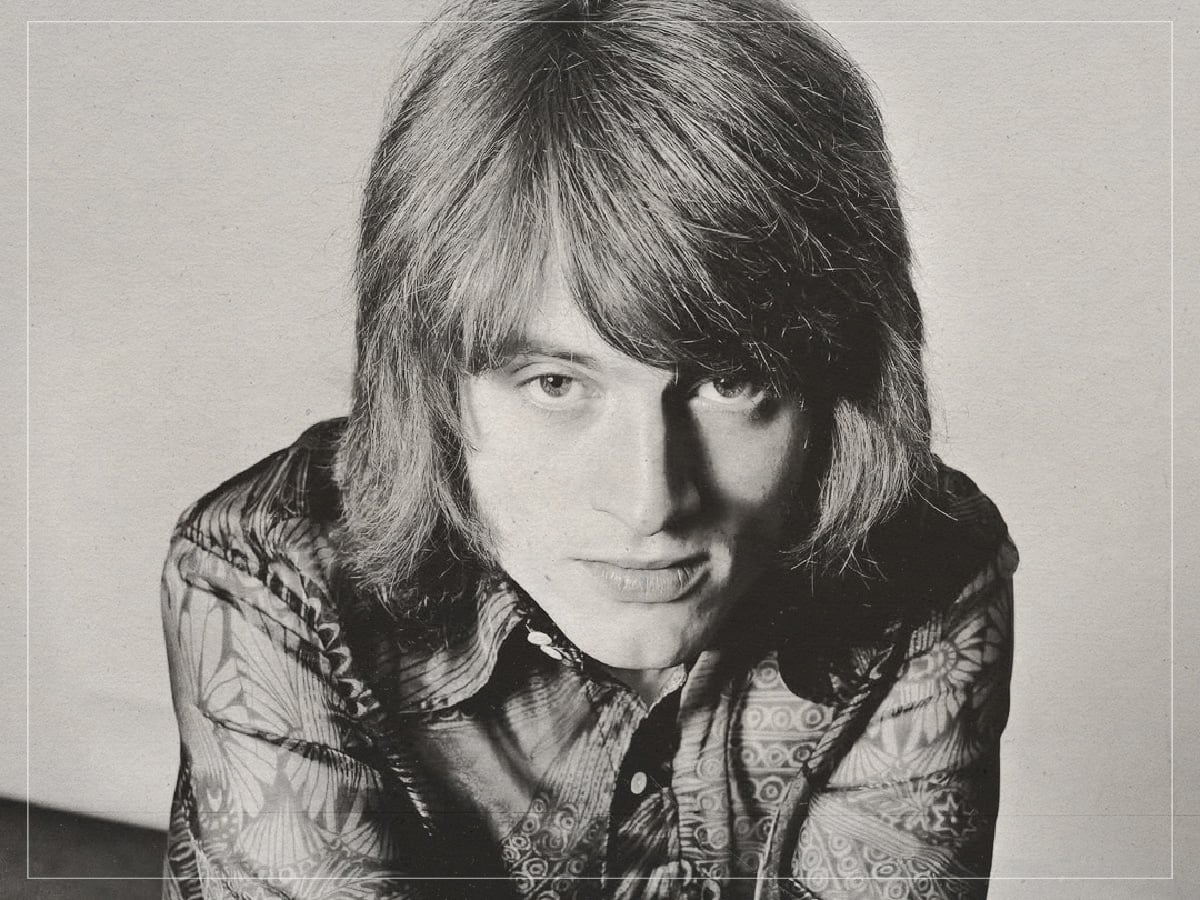
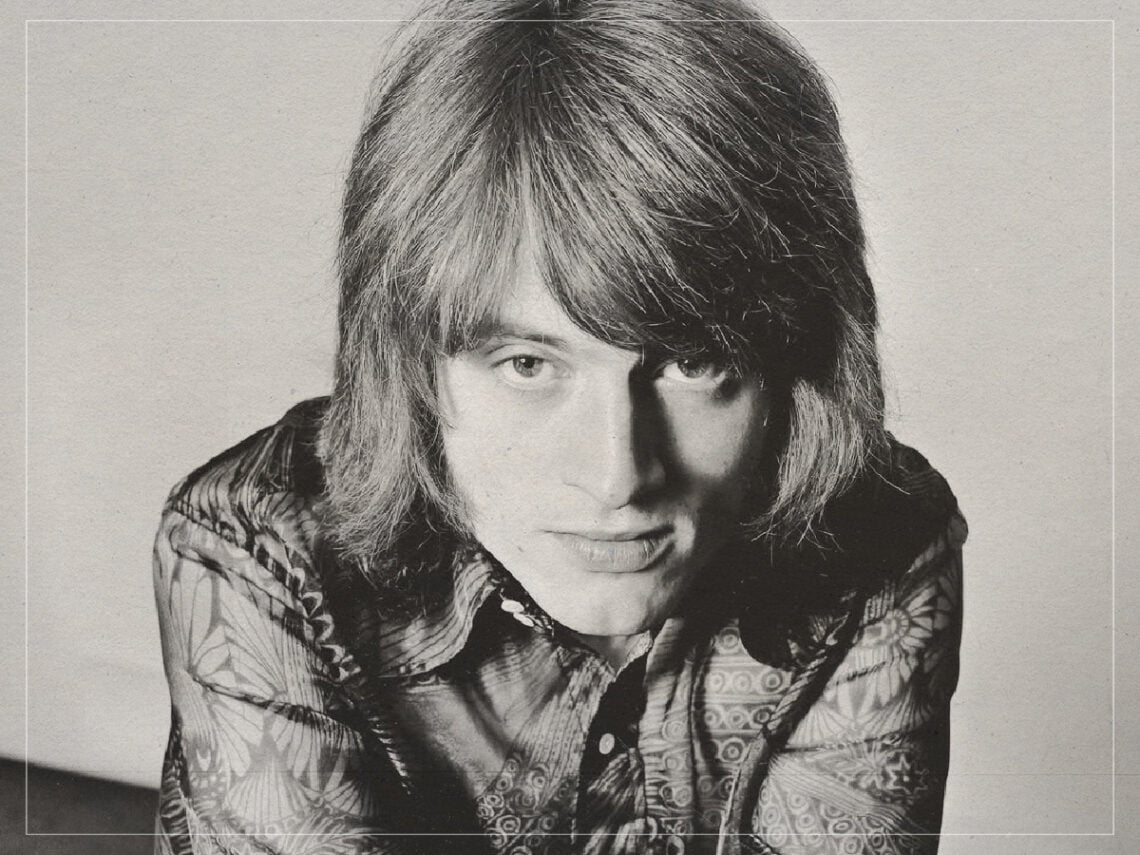
(Credits: Far Out / Dick Barnatt / Atlantic Records / John Paul Jones)
Mon 23 February 2026 14:58, UK
It might seem like the world spent most of its time allowing rock stars to do whatever they so chose. But that’s not quite true. In the glory days of rock excess, Led Zeppelin could never catch a break with critics.
Although the fans clamoured for what the next instalment from the band was going to be, critics lambasted their first record and thought that they were bottom-of-the-barrel rock and roll, despite making huge epics like ‘Stairway to Heaven’. As the band got to the end of the self-titled phase of their career, Houses of the Holy was when they started to switch things up.
Across its runtime, Zeppelin doesn’t get bogged down in blues traditions that often, instead focusing on expanding their musical palette through genres like funk and world music. Although songs like ‘Over the Hills and Far Away’ and ‘The Rain Song’ remain staples from this era, ‘D’Yer Ma’ker’ has never sat well with John Paul Jones.
The truth is, it never really stacked up against the group’s output. The band had displayed such a delicate ability to transfer between gentle style shifts that they probably thought shifting toward some gentle reggae would be a fairly simple and accepted process. But it would seem that the band misunderstood what their fans wanted, and the tune has been routinely lambasted ever since.
When stacked up against all the other tracks on the project, there’s something tonally off about the song, as Robert Plant does his best stabs at playing a reggae-influenced song. Though almost every single member of the band had a hand in this questionable song, Jones points the finger at John Bonham for the song’s wonky beat, discussing in Led Zeppelin FAQ (via Cheatsheet), “It would have been all right if Bonham had worked at the part. The whole point of reggae is that the drums and the bass really have to be very strict about what they play. And he wouldn’t be, so it sounded dreadful”.
 (Credits: Far Out / Alamy)
Now, taking on one of the greatest drummers to have ever lived is a bold course of action. But, aside from the fact that Jones shared a band with the band, so was legitimised in airing his grievances, he also may have had a point. Led Zeppelin were famed for their perfect balance of talents across the band’s instruments, so if one area dropped off, there’s a good chance the whole sound could fail.
Compared to his usual sound, Bonzo’s drumming feels out of place in this song. Since reggae music was always locked into a tight groove, Bonham’s tendency to play slightly behind the beat never worked on this song, almost as if the song is limping from one verse to the next without ever settling down. Granted, Bonham’s signature behind-the-beat style is what gave him his power in Led Zeppelin. Although not every drum hit that he made was on the grid perfectly, Bonham’s drum parts always gave the record ‘feel’, making the song sound like a living entity rather than something to be read off of sheet music.
The whole point behind Zeppelin’s power comes from that sort of off-kilter balancing it, as Jimmy Page always played in front of the beat while Jonesy led right up the middle throughout the song. The perfect example of their synergy done correctly is something like ‘Black Dog’, where every band member is firing on all cylinders in between Plant’s wails. If any other musician had been playing one of those parts, chances are the entire project would have collapsed.
Regardless of ‘D’yer Ma’ker’ striking out, the band were determined to move in bold new directions throughout the rest of their career. Every other song on Physical Graffiti was about expanding their horizons, which turned into epics like ‘Kashmir’. Even after their golden age, albums like In Through The Out Door gave fans a look at what Zeppelin could do with synthesisers, with Bonham laying back the beat even more on ‘Fool in the Rain’.
Despite its mixed reception both then and now, ‘D’yer Ma’ker’ sends a far greater message than Zeppelin not trying. Zeppelin were never going to be a one-trick pony, and they were never afraid to dip their toes into something new…even if it does end up being a terrible mistake.
The Far Out Led Zeppelin Newsletter
All the latest stories about Led Zeppelin from the independent voice of culture.
Straight to your inbox.