
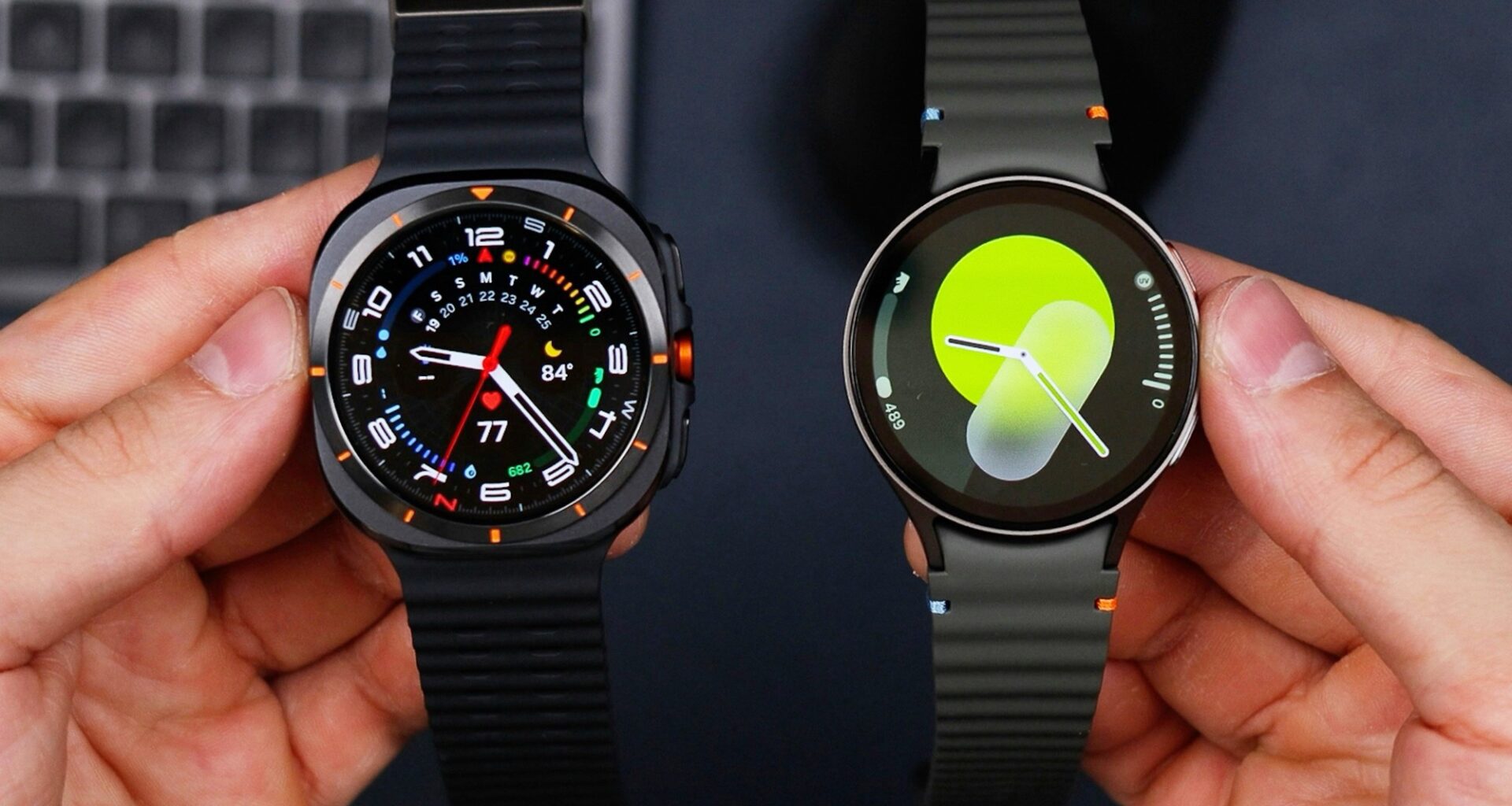
Rumors about the first smartwatch from Meta, the parent company of Facebook and Instagram, have been circulating for years. An initial model, equipped with two cameras, was reportedly scrapped as early as 2022. A year later, a leak finally revealed the design of a Meta Watch V2, a quite unusual model featuring a square display with heavily rounded corners, a selfie camera in a notch, and a camera on the back.
The idea was that the smartwatch could be magnetically detached from the wristband in order to use it as a camera. In early 2025, Bloomberg reported that Meta would launch a smartwatch the previous year. While the company didn’t quite manage to do so, according to The Information, it is expected to finally materialize in 2026. The focus is now said to be shifting away from cameras and towards health-tracking features and artificial intelligence.
This smartwatch, codenamed “Malibu 2”, is expected to hit the market before Meta’s next mixed reality headset. Meta has enjoyed particular success in the wearables segment with smart glasses such as the Meta Ray-Ban Wayfarer. However, the smartwatch market is much more competitive, as tech giants such as Apple, Samsung and Google have already established successful smartwatch series, while manufacturers such as Garmin offer more specialized products. Meta is said to be attempting to distinguish itself from these competitors with innovative AI features.

Since 2009 I have written for different publications with a focus on consumer electronics. I joined the Notebookcheck news team in 2018 and have combined my many years of experience with laptops and smartphones with my lifelong passion for technology to create informative content for our readers about new developments in this sphere. In addition, my design background as an art director at an ad agency has allowed me to have deeper insights into the peculiarities of this industry.
 Translator: Jacob Fisher – Translator – 2816 articles published on Notebookcheck since 2022
Growing up in regional Australia, I first became acquainted with computers in my early teens after a broken leg from a football (soccer) match temporarily condemned me to a predominately indoor lifestyle. Soon afterwards I was building my own systems. Now I live in Germany, having moved here in 2014, where I study philosophy and anthropology. I am particularly fascinated by how computer technology has fundamentally and dramatically reshaped human culture, and how it continues to do so.