
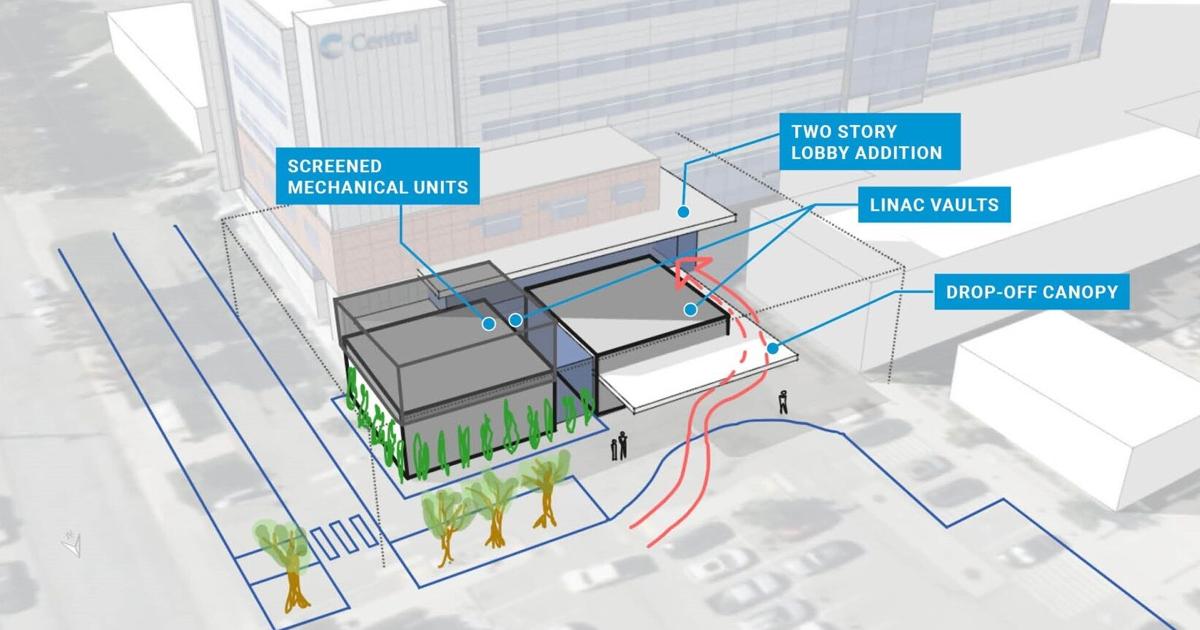
WENATCHEE — Two different open letters submitted by Confluence Health physicians and former leaders continue to raise concerns about the health system’s planned cancer center.
The letters, submitted to the Wenatchee World and shared to NCWLIFE, come after the Wenatchee Valley Medical Group called for a pause on the $60 million cancer center project last week. The group said physicians were excluded from the initial planning of the cancer center, and called on Confluence Health leadership for a seat at the table.
Drs. Nicholas Kummer, Mitchell Garrison and Julie Smith
The first letter was written by medical group oncologists Drs. Nicholas Kummer, Mitchell Garrison and Julie Smith, who echoed similar claims.
“Our concern is that a substantial portion of limited health care capital has been committed to building a second cancer center without input or meaningful engagement with the cancer physicians who have served this community for decades; we and our physician colleagues were not included in this decision nor the strategic planning phases,” the oncologists wrote.
The trio said they are speaking for themselves as “community members deeply invested in oncology care.” As physicians, the doctors say they “have nothing to be gained or lost financially that is dependent on the location of the cancer center.”
The doctors said Chelan County and surrounding Douglas, Grant, and Okanogan counties have access to a comprehensive, fully accredited program participating in the National Commission on Cancer. However, the oncologists wrote that Confluence Health’s cancer program can be improved, as patients are sent to Seattle or Spokane for imaging, procedures, and surgeries that are not available locally.
“At the same time, elements of the cancer ecosystem have contracted, including neurosurgical capacity, colorectal surgery, imaging, oncology mental health support, case managers, and interventional radiology resources,” they wrote. “This fragments care, erodes trust, and disproportionately harms the communities we serve, such as Okanogan and Grant Counties that deal with additional barriers to care. Our responsibility is to reduce these disparities and make care available to all.”
The medical group identified some needs to improve cancer treatment in the area, including advanced diagnostic imaging and interventional services that are not currently offered at Confluence Health. Those are not part of the new cancer center’s plans, which prioritize an increase in exam rooms and medical infusion chairs.
The Confluence Health Mares Campus, where there is an existing cancer center, houses other departments like urology, surgery, radiology, gastroenterology, primary care, which the doctors say frequently interact with the oncology department.
“A new center two miles away risks disrupting the daily collaboration that makes this possible. We are concerned that directing $60 million, (plus potential financing costs), toward a second center may further contract services and ultimately weaken the system supporting cancer care, diverting resources from services that determine clinical excellence.”
The second letter was written by former Confluence Health CEO Peter Rutherford and former Central Washington Hospital CEO Jack Evans, and highlights the worry over the affiliation between Confluence Health and the medical group, which is scheduled to end in 2027 unless it’s renegotiated.
Jack Evans and Pete Rutherford
In 2013, the Wenatchee Valley Medical Center and Central Washington Hospital affiliated to form Confluence Health. Rutherford and Evans say the partnership was built on a “deliberate and forward-looking vision” but now say “that foundation is under significant threat.”
Their letter says that in October, Rutherford was contacted by the Confluence Health Board for an interview related to an investigation it was conducting after receiving a letter from the medical group “that stated an overwhelming majority of their physicians had expressed a lack of confidence” in current Confluence Health CEO Andrew Jones.
Rutherford and Evans say the board determined there were no grounds for Jones’ removal.
“However, the broader question remains: how does a health system function effectively when the vast majority of its physicians feel unheard and disengaged? And what is Confluence Health’s plan to repair this vital relationship?” the letter asks.
Rutherford and Evans said the approval of the cancer center project “without significant strategic input or appropriate vetting further underscores the importance of collaboration and transparency.”
“Major capital investments must be evaluated not only for their promise, but also for their opportunity costs. In healthcare, every dollar allocated to one initiative limits investment elsewhere. Robust physician engagement and clear communication are essential to maintaining trust — both internally and with the community.”