
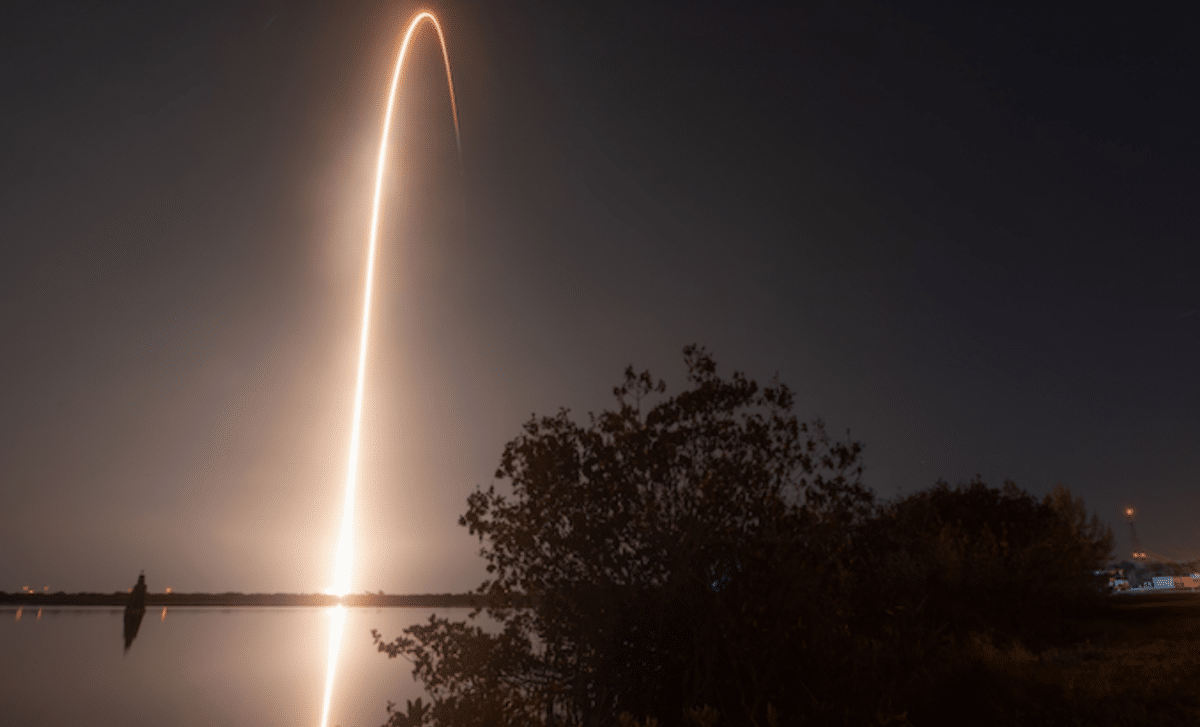
On February 25, 2026, SpaceX achieved an extraordinary milestone, launching its 500th Starlink satellite of the year. This momentous achievement was part of the Starlink 17-26 mission, which saw 25 new satellites added to the growing Starlink constellation. As reported by Spaceflight Now, the mission was launched from Vandenberg Space Force Base, adding another layer to SpaceX’s ambitious vision of global broadband coverage.
SpaceX’s Starlink Constellation: Revolutionizing Global Connectivity
SpaceX’s Starlink project has transformed the way the world views internet accessibility. By deploying thousands of satellites in low Earth orbit (LEO), SpaceX is making significant strides in providing broadband internet to even the most remote and underserved regions. The 500th Starlink satellite launch, marking a major milestone for the company in 2026, is part of the ongoing effort to increase global internet coverage. The expansion of the Starlink constellation means that more people will gain access to fast, reliable, and affordable internet, regardless of their location on Earth.
The satellite constellation itself is designed to improve both speed and connectivity for users on the ground. It is particularly valuable in rural and developing regions where traditional broadband infrastructure is either insufficient or completely unavailable. This expansion makes it clear that SpaceX is not just a space exploration company; it’s a major player in the global communications industry, determined to provide equitable access to information.
By adding 25 more satellites in February 2026, SpaceX has continued its push to broaden the reach of Starlink, with nearly 10,000 satellites expected to populate Earth’s orbit within the next few years. As the constellation grows, more satellites will help ensure that there are fewer service interruptions and that the internet connection speeds will continue to improve. The ultimate goal is to cover every corner of the planet with a high-speed, low-latency internet connection, a feat that would significantly transform how people connect online.
Falcon 9 Rocket: A Monumental Achievement in Spaceflight Technology
The Falcon 9 rocket that launched the 500th Starlink satellite also marks an important technological achievement for SpaceX. According to Spaceflight Now, this mission utilized the Falcon 9’s first-stage booster with tail number B1093, which has now flown 11 times, including eight previous Starlink missions. This incredible reusability of Falcon 9 boosters is what sets SpaceX apart from other space organizations and reduces the cost of space travel. The ability to reuse rocket components not only makes launches more affordable but also plays a critical role in the sustainability of space exploration.
SpaceX’s reusable rocket technology has been instrumental in pushing the boundaries of what’s possible in space travel. With 577 total booster landings as of February 2026, SpaceX has proven the reliability and viability of its technology. After the Falcon 9 launched the Starlink 17-26 payload into orbit, the booster successfully touched down on the drone ship “Of Course I Still Love You” positioned in the Pacific Ocean, reaffirming the company’s ability to perform routine space missions with unprecedented reliability.