
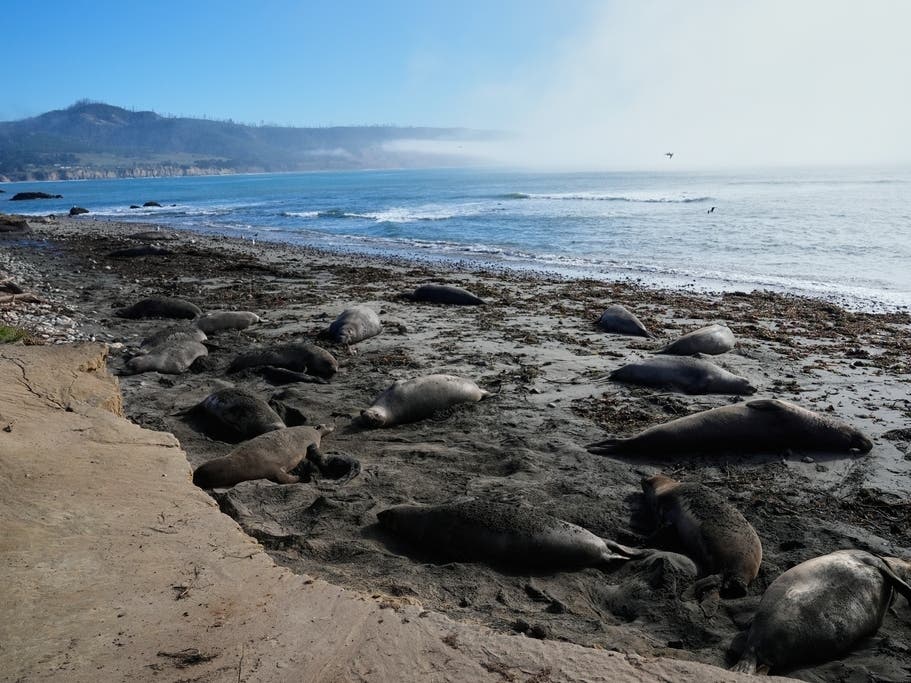
SAN MATEO COUNTY, CA — Scientists are concerned about a highly pathogenic avian influenza confirmed in northern elephant seal pups at Año Nuevo State Park in San Mateo County, marking the first detection of the virus in a California marine mammal, officials said Wednesday.
The outbreak was discovered on Feb. 19 and 20 when multiple weanling pups — recently separated from their mothers — were found dead. Also, live pups were seen exhibiting neurological symptoms, including tremors and seizure activity, according to the UC Davis’ Institute for Pandemic Insights.
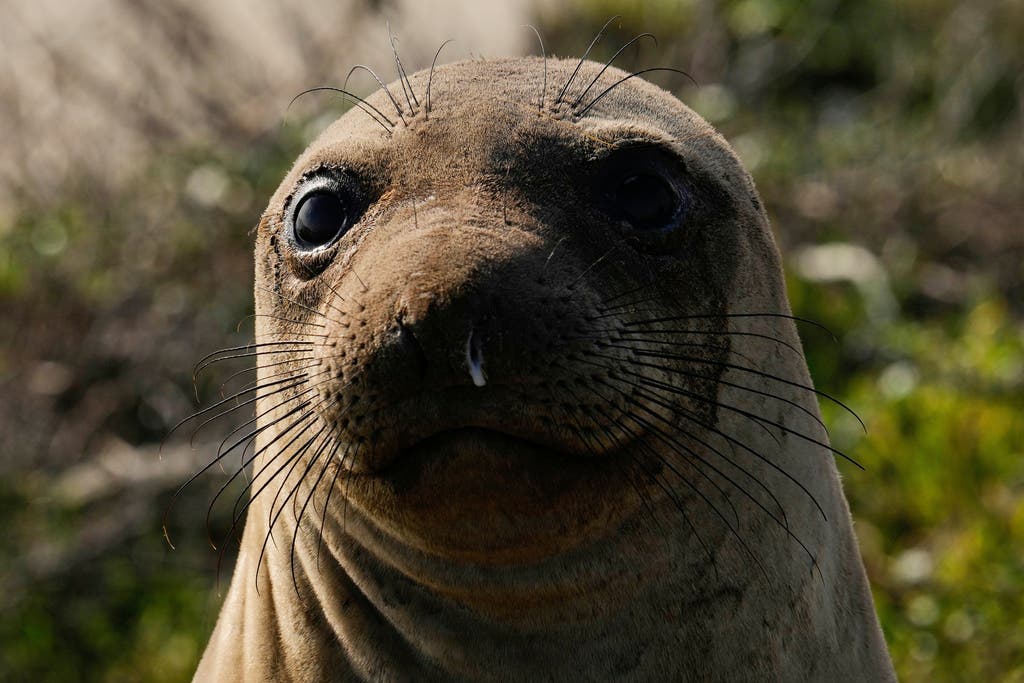 A female elephant seal watches visitors on a tour of Año Nuevo State Park, Friday, Jan. 16, 2026, in Pescadero, Calif. (AP Photo/Godofredo A. Vásquez)
Park officials have cancelled the park’s popular seal-watching tours for the remainder of the seal breeding season due to the outbreak.
According to Jordan Burgess, the deputy district superintendent of the California Department of Parks and Recreation, officials are prioritizing the health of both the elephant seals and the general public.
The department is not “panicking about human exposure at this point,” Burgess said. Instead, the proactive measure of restricting access is intended to prevent the potential spread of disease that could occur if people track through the areas where the elephant seals reside.
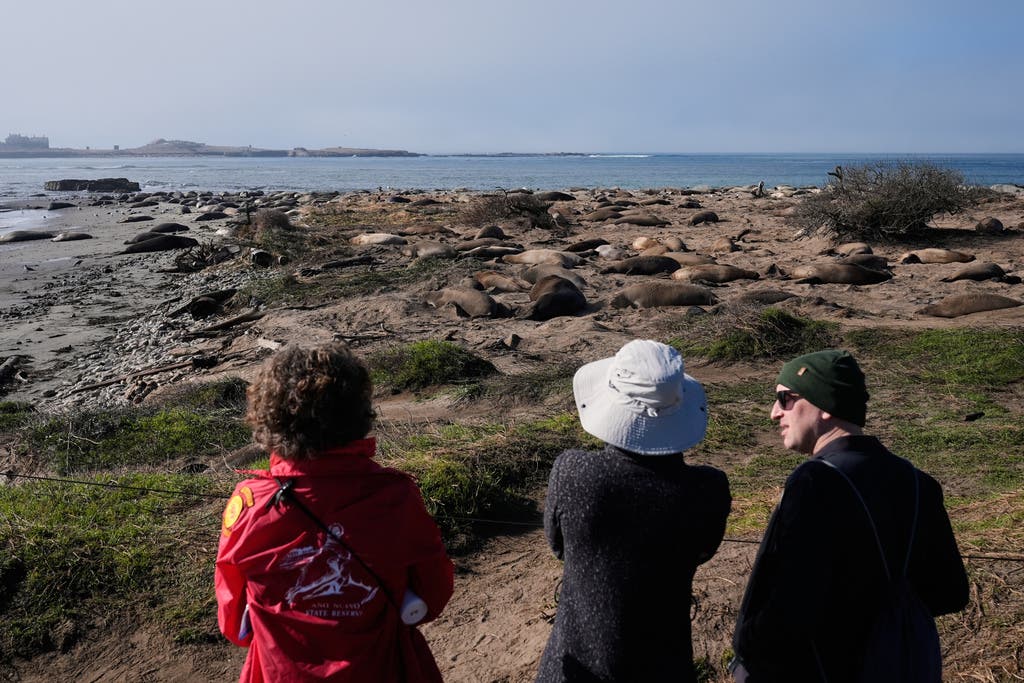 People watch as elephant seals rest on a beach at Año Nuevo State Park, Friday, Jan. 16, 2026, in Pescadero, Calif. (AP Photo/Godofredo A. Vásquez)
Scientists collected samples from seven sick and dead animals for testing at the California Animal Health & Food Safety Laboratory System at UC Davis.
Initial testing confirmed the samples were positive for influenza A, subtype H5. The infection was later confirmed as H5N1 by the USDA National Veterinary Services Laboratory, identifying it as the highly pathogenic strain.
While dead seabirds at Año Nuevo State Park and other locations across the California coast have tested positive for HPAI H5N1 during the winters of 2025 and 2026, this marks the first confirmed case in northern elephant seals or any California marine mammal to date, scientists said.
The worldwide bird flu outbreak, which started in 2020, has resulted in the deaths of millions of domesticated birds and spread globally among wildlife, with seals and sea lions appearing especially susceptible. In recent years, the virus has caused the deaths of thousands of sea lions in Chile and Peru, thousands of elephant seals in Argentina, and hundreds of seals in New England.
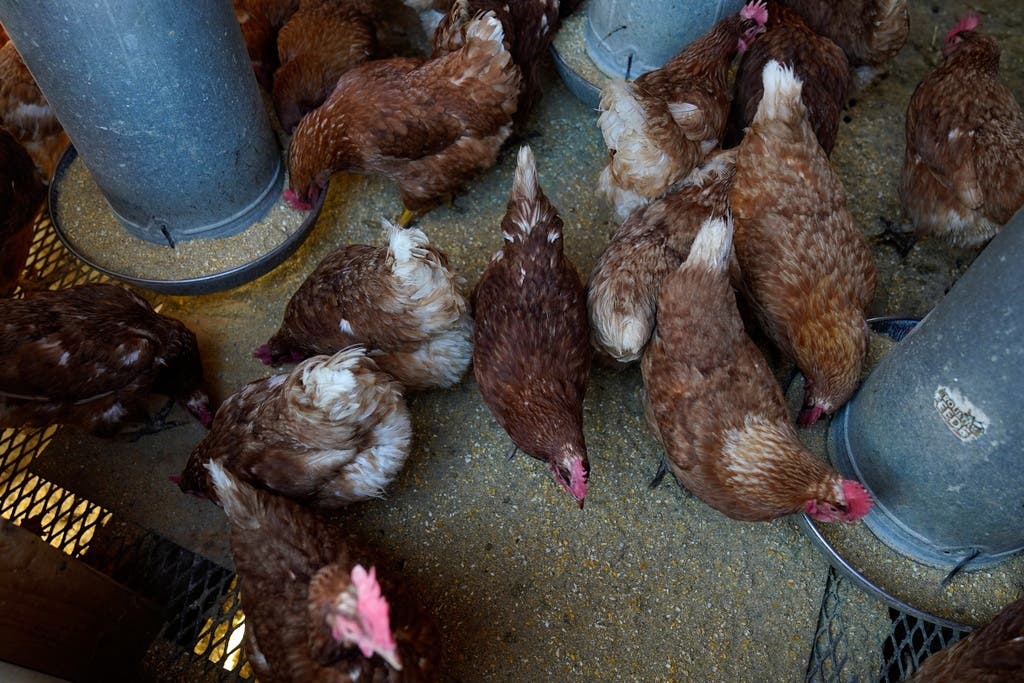 Red Star chickens feed in their coop, Jan. 10, 2023, at Historic Wagner Farm in Glenview, Ill.(AP Photo/Erin Hooley)
While the virus poses a low risk to humans, officials advised people to avoid approaching seals and to keep their pets away from the animals.
Año Nuevo is home to an elephant seal rookery with approximately 1,350 seals currently on site as the breeding season winds down. UC Davis researchers have been screening seabirds and elephant seals across the California coast since 2024, ramping up surveillance after the virus was detected in seabirds earlier this winter, officials said.
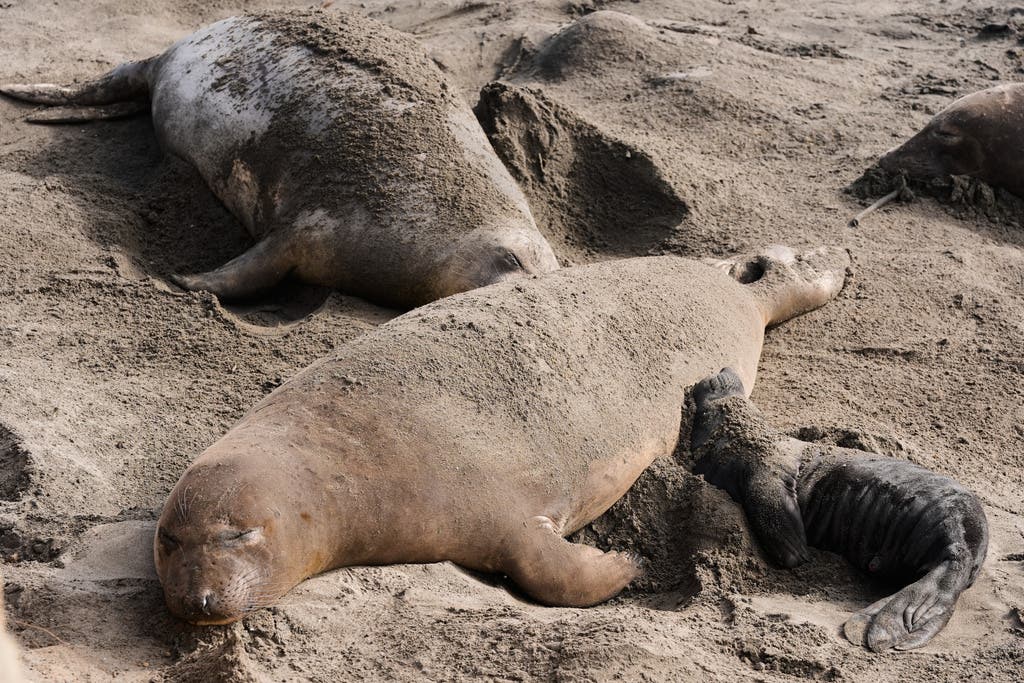 An elephant seal pup, right, rests next to female elephant seals on a beach at Año Nuevo State Park, Friday, Jan. 16, 2026, in Pescadero, Calif. (AP Photo/Godofredo A. Vásquez)
Currently, intensive monitoring is underway at Año Nuevo, which involves regular drone flights and surveys to assess animal health, collect samples, and screen for HPAI in both birds and mammals.
Out of an abundance of caution, Año Nuevo State Park has temporarily closed key areas and halted public elephant seal tours.
The detection of H5N1 in elephant seals is alarming because the strain has been linked to severe illness and large-scale mortality events in marine mammals around the world. The currently circulating HPAI strains first appeared in North American birds in early winter 2021 and were found in seals in Maine in 2022. Since then, the virus has spread widely among wild birds, wild mammals, poultry, and other livestock.
In 2023, HPAI caused large die-offs in southern elephant seals, sea lions, and other marine mammals in South America, according to a recent overview. Localized HPAI outbreaks in marine mammals have also been reported in the United States in Washington in 2023, Maine in 2022, and Florida in 2022.
While the severity of the infection varies greatly depending on the host species and viral strain, the priority remains safeguarding the health of both the animals and the public, California State Parks stated.
As of February 22, 2026, there have been 71 human cases of H5N1 in North America, with two fatalities, according to the Centers for Disease Control and Prevention. Nearly all these cases have occurred in individuals who had direct contact with infected livestock or poultry.
Additional reporting by AP News.