
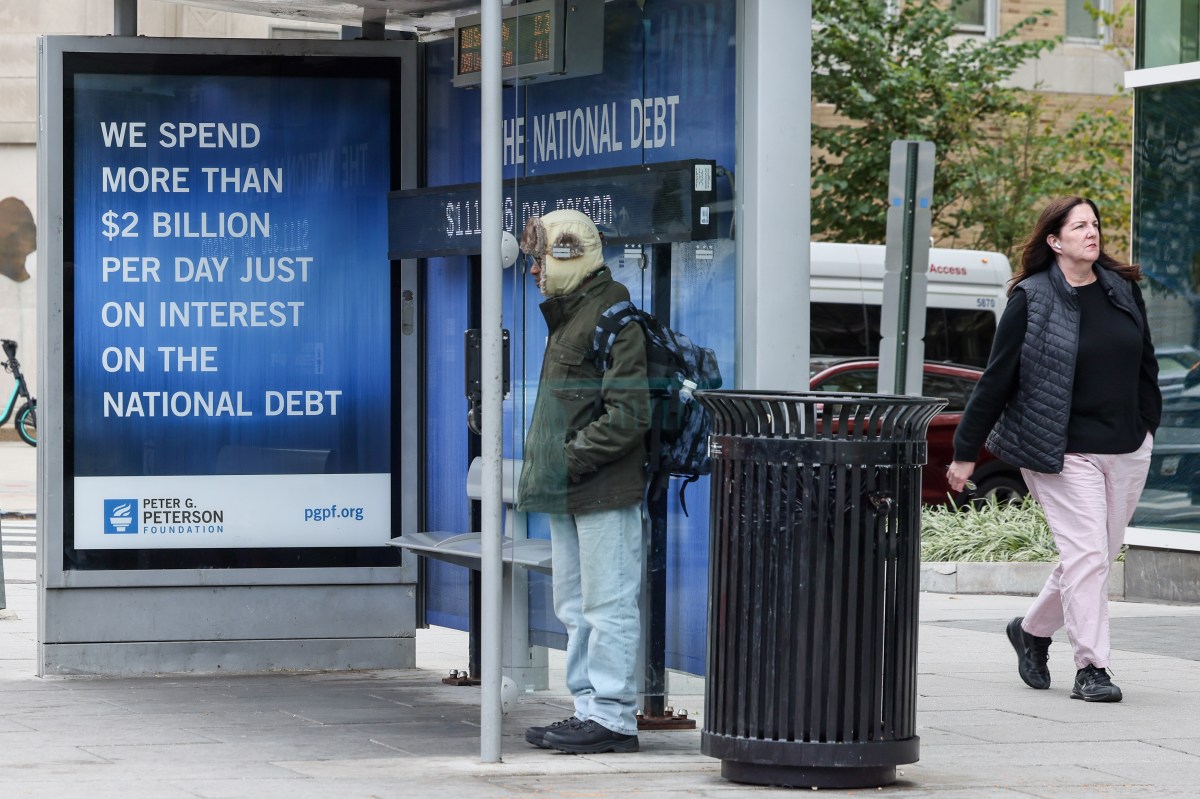
A new poll has revealed that voter confidence in the country’s economic trajectory is plummeting, as more Americans say lawmakers must address the ballooning national debt or risk deepening the nation’s inflationary struggles.
On Thursday, the Peter G. Peterson Foundation—nonpartisan economic think tank—revealed that 90 percent of voters are concerned that America’s $38-trillion debt is worsening the country’s cost-of-living difficulties, with 85 percent believing this has contributed to higher borrowing costs.
As a result, the group’s “Fiscal Confidence” index slipped to 48 in February from 50 in January, further from the neutral benchmark of 100 and down from 62 this time last year.
“Stabilizing the debt should be a core issue for any leader who wants to improve affordability and economic growth,” said Michael A. Peterson, CEO of the Peterson Foundation. “Voters understand that rising debt puts upward pressure on inflation and interest rates, and they are calling on candidates—and even looking across party lines—for solutions during this campaign season.”
Why It Matters
Budget deficits and America’s mounting debts have long been on the radar of economists and fiscally hawkish lawmakers, given the implications for economic growth and borrowing costs, as well as taxes and inflation if the government takes drastic measures to pare these down.
These concerns were heightened following the passage of the ‘One Big Beautiful Bill Act,’ signed into law by President Donald Trump in July and containing both spending increases and sweeping tax cuts.
And surveys are showing that the crisis could hold electoral consequences, with 72 percent of those polled by the group saying they would consider supporting a candidate from outside their usual party “if that candidate has a clear plan to address the debt.”
What To Know
Based on its online poll of 1,004 registered voters, conducted in mid-February, the group found bipartisan support for addressing America’s mounting fiscal challenges.
Fears over the inflationary impacts of the debt were highest among Democrats at 96 percent, though Republicans (87 percent) and Independents (85 percent) were nearly as concerned over the effects on prices for goods and services.
And 83 percent (including 84 of Democrats, 86 percent of Republicans and 78 percent of Independents) said whether a political candidate has a plan to address the national debt would be a “deciding factor” when casting a vote.
Meanwhile, 79 percent agreed that addressing the debt should be a top-three priority for the president and Congress.
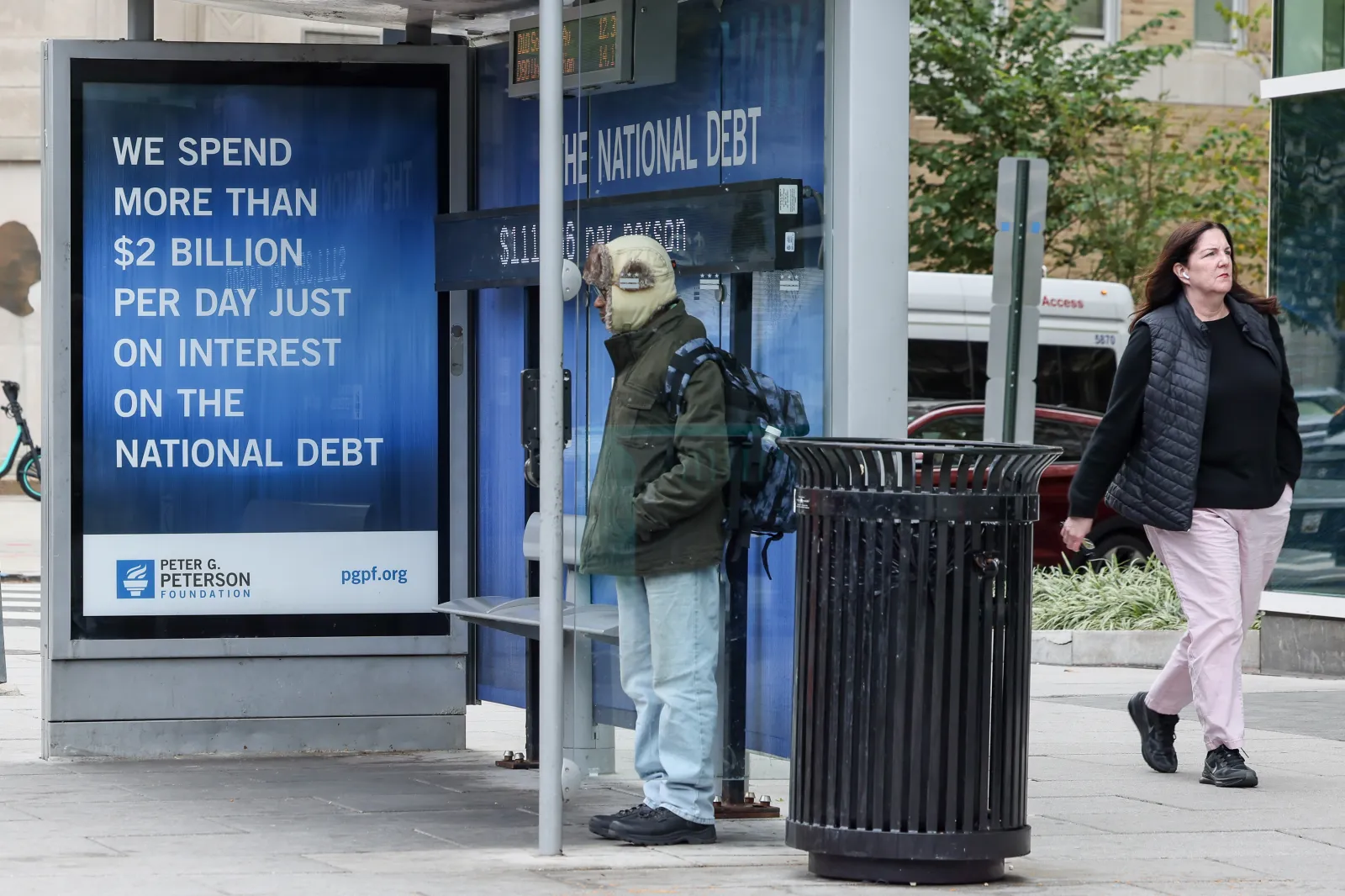
And there are signs of support for this on Capitol Hill. Last week, Republicans on the U.S. Congress Joint Economic Committee (JEC) released a statement calling to attention the “unsustainable” and “immoral” levels piling up under successive governments, and said this was “threatening the economic future of our children and grandchildren.”
“We continue to hit new record highs for our national debt, exacerbating an already economic threat our nation faces,” said Arizona Representative and JEC Chairman David Schweikert. “In this fiscal year alone, we have added more than $1 trillion, bringing the total to $38.647 trillion.”
This followed a report published by the Congressional Budget Office (CBO) earlier this month, which warned that deficits will push the amount of debt held by the public from nearly $31 trillion today to $56 trillion by 2036, with debt also increasing to 120 percent of GDP over this period.
The Peter G. Peterson Foundation said these findings were “an urgent warning to our leaders about America’s costly fiscal path.”
What People Are Saying
Michael A. Peterson, CEO of the Peterson Foundation, said: “Kitchen table cost-of-living issues are taking center stage this election year, and voters see that America’s rising national debt is making their own lives more costly. Whether it’s their car loans or grocery bills, Americans are rightly concerned about inflation, and the growing federal deficit is only making things worse. Stabilizing the debt should be a core issue for any leader who wants to improve affordability and economic growth.”
What Happens Next
In its annual outlook for the U.S. economy, released Wednesday, the International Monetary Fund (IMF) said federal debt is expected to reach 140 percent of the country’s GDP by 2031, from around 125 percent currently, adding that this represents “a growing stability risk to the U.S. and global economy.”