
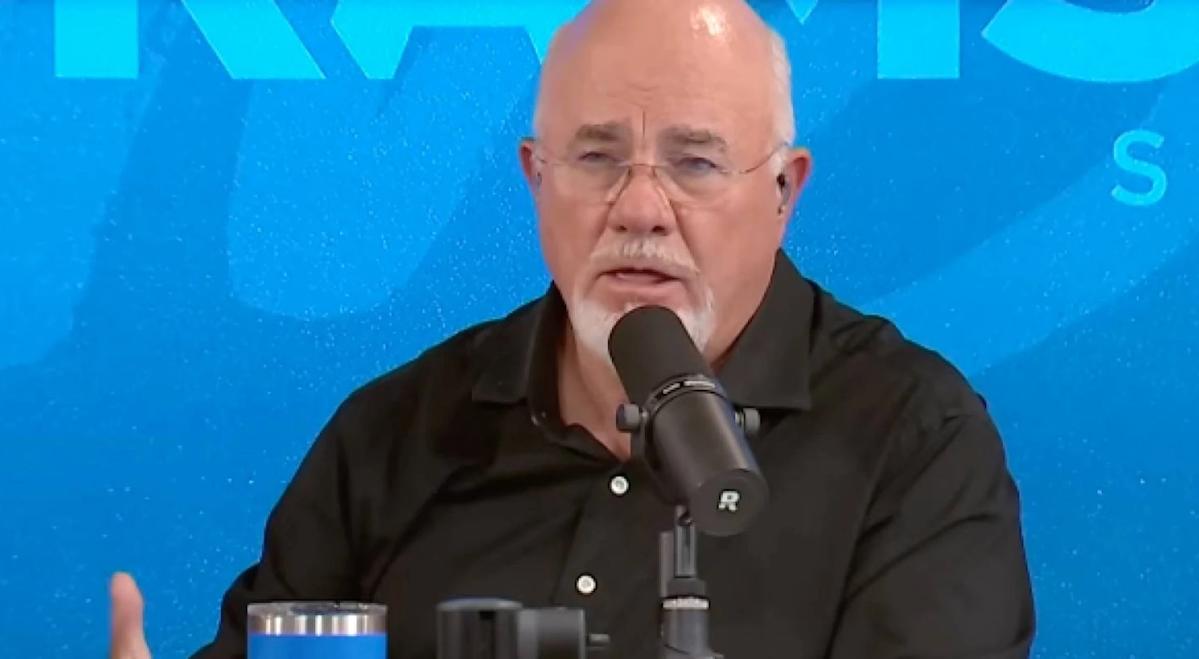
 Dave Ramsey
When 23-year-old Jackson called into The Ramsey Show, he wasn’t asking how to spend his inheritance. He wanted to know what not to do with it.
A few months earlier, he and his brothers had sold their parents’ home, leaving him with about US$450,000. He had no debt, had just graduated from post-secondary, earned about US$75,000 a year and was renting with his brother while planning a move from the suburbs into the big city.
But instead of feeling confident, he felt stuck.
“I’m just wondering what to do with it,” Jackson told the cohosts (1). “I have all of that money … just sitting in a GIC right now.”
It’s a feeling many adults would recognize. But coming into a large sum of money — especially in your early 20s — can actually make it harder to act, not easier.
Parking the money in a Guaranteed Investment Certificate (GIC) kept Jackson from making any rash decisions. Host Dave Ramsey praised that move, saying it stopped him from doing “something stupid with it.” He even said Jackson was “wise beyond his years” for not spending it.
But Ramsey also warned that waiting too long has its own price. Inflation slowly eats away at what your money can buy. And when you’re in your early 20s, time is one of your biggest advantages.
Ramsey pointed out that money invested in the stock market tends to double roughly every seven years, by historical average returns. By comparison, a GIC earns far less — meaning Jackson’s money could have grown much more if he had invested it earlier.
Let’s put that in perspective: according to Statistics Canada, the average net worth of Canadians under 35 is around CA$159,000 (2). Jackson is sitting on nearly four times that amount, before he’s even hit his mid-20s. But that head start only means something if the money is actually growing.
Read more: Here are 4 major investments worth making right now to help your net worth skyrocket
One option Jackson was considering was using the inheritance to buy property in a big city. Ramsey shut that down quickly. Here in Canada, even with CA$600,000, buying a home outright in a big city such as Toronto or Vancouver isn’t realistic — and taking on a mortgage without strong, stable income adds stress, not security.
繼續閱讀
The same thinking applies to lifestyle upgrades or lending money to friends and family too quickly. Ramsey’s advice was simple: keep your inheritance separate from your everyday life.
“Leave it alone. Pretend like you don’t have it and just live off your income,” he said.
That aligns with guidance from financial planning professionals, who warn that sudden wealth can disappear faster than people expect — especially without a clear plan and proper advice.
Ramsey’s core advice wasn’t about finding the hottest investment. It was about slowing down, educating yourself and working with someone you trust.
He recommended Jackson find a vetted financial advisor, learn how investing works, put the money in diversified growth investments — then leave it alone. For Canadians that may mean looking at options like index funds held inside a Tax-Free Savings Account (TFSA) or a Registered Retirement Savings Account (RRSP), which can help shelter growth from taxes.
Ramsey was also clear that Jackson shouldn’t invest just because an expert told him to, “But because you start to understand it.”
That’s backed by research. Studies on investor behaviour show that having a plan— and sticking to it — often matters more than chasing high returns. Panic-selling during a market dip, for example, is one of the most common ways people lose money.
Cohost Ken Coleman put it plainly: “This is a massive head start for you. Just leave it alone.”
In Canada, inherited money can have tax advantages, depending on how the estate was structured. But once you sell investments and pocket gains, those are generally taxable. Getting proper tax advice early can prevent costly mistakes down the road.
An inheritance creates opportunity, but it doesn’t protect you from bad decisions. Jackson is sitting on barely four times the average net worth of Canadians under 35, before he’s even hit his mid-20s. That’s a remarkable head start.
But a head start only means something if the money is actually growing. The best move a young person with a windfall can do is slow down, get informed, find a trusted financial professional and let time do the heavy lifting.
-With files from Melanie Huddart
We rely only on vetted sources and credible third-party reporting. For details, see our editorial ethics and guidelines.
YouTube (1); Statistics Canada (2)
This article provides information only and should not be construed as advice. It is provided without warranty of any kind.