
Canadians now need $1.7 million to retire
Headlining the latest in retirement income planning news, on average, Canadian couples say they need $1.7 million in savings to be able to retire comfortably, BMO’s Annual Retirement Survey says.
You might remember this figure is up from $1.54 million in last year’s survey that I highlighted here.
How much do you need to be “Set for Life”?
But do you really need this much??
For a “comfortable retirement” maybe that’s not too far off depending on:
how old you are, but more importantly, what you intend to spend…
Determining Your Financial Independence Number
Canadians now need $1.7 million to retire
References to this latest BMO survey can be found here via Global News and other recent media posts.
Mind you, this $1.7M figure is actually the same (not adjusted for inflation) if you go back to 2023.
Surveys and people answering them can be fickle – go figure!
Of note from the most recent Global article related to things I’ve always been aligned to when it comes to saving and investing:
“This figure only represents an average of what respondents said and the actual goal may be different depending on the kind of life you want to live in retirement….”
and
“With the growth compounding over the long term, you may not need to save the entire goal amount — the growth in your investments will do part of the job for you…”
The latter reminds me of a recent dinner conversation I had with a friend about how to get started with investing. Our friend knew of My Own Advisor and wondered how to get started. I asked our friend about “starting small” and any form of automatic savings plan to date, to which she largely replied she hadn’t thought about that due to other priorities, until now.
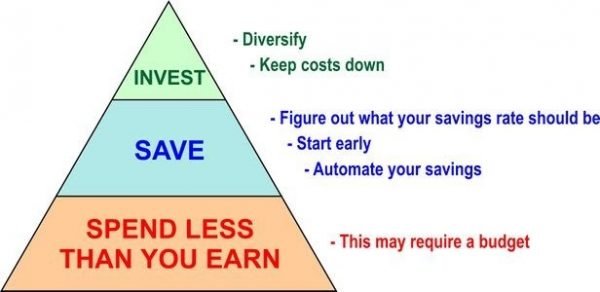
The ability to save and invest for any retirement, in my opinion, starts with understanding where your money goes today and taking clear inventory of where you money goes, to whom, and when, and how much – which may require a budget.
Your ability to spend less than you earn, while simple conceptually, can be very difficult in real-life if you’re busy working hard, raising kids and trying to enjoy life along the way. Life gets in the way of tracking and planning. But, that tracking concept is the foundation upon which all retirement income planning exists.
The next logical step once you figure out you can save for retirement is to automate your savings, even if you didn’t start early in life, so that you can set aside savings for investing purposes on a routine schedule. Your ability to pay yourself first just like other routine bills or expenses around the household, while not a novel concept, creates a powerful savings habit that can build momentum.
Finally, as that consistent weekly or monthly savings rate is established, you can progress on your retirement income planning path towards actual investing. This means you select investments that deliver returns matched to your investing timeline, risk-level, and ability to stick to any investment protocol you choose. Generally speaking, investing in diversified equities while keeping your costs down paid to people or products as part of equity/stock investing is likely going to make you very successful over time.
The principles of saving and investing can be distilled into the following graphic with thanks and attribution to Canadian Financial Wiki – an outstanding, free resource.
Here is how we invested to reach financial freedom around age 50.
You can take the same boring but very successful steps too if you want. 🙂
For further reading and FREE case studies on retirement income planning, I’ve produced dozens of articles here:
Beyond Canadians now need $1.7 million to retire
Ben Carlson from A Wealth of Common Sense wrote about Rich Old People.
Fans of this site, MoneySense, shared some tips about portfolio rebalancing. On my way to financial independence, I didn’t really bother with this…rebalancing our portfolio. Rightly or wrongly over the years I just bought more stocks or ETFs when I had the money to do so.
That said, some sensible guidance – even once per year is fine which means not much rebalancing at all:
“Keeping turnover as low as reasonably possible remains sensible. The goal of rebalancing is risk control and allocation discipline, not constant activity. If annual adjustments achieve that objective, trading more often may simply introduce additional friction without materially improving outcomes.”
How often do you rebalance your portfolio amongst stocks or bonds or other asset classes?
I’ve read some articles of late about equity glide paths, go-go spending years and other related subjects so I will gather my thoughts on those things in the coming weeks to put something together on this site.
As always, I welcome your contributions or suggestions on site material. Do leave those in a comment below.
Last but not least, lots of wealth and asset managers love CNQ. Here is a good example. A great watch/listen.
All my saving and investing best!
Mark

My name is Mark Seed – the founder, editor and owner of My Own Advisor. As my own DIY financial advisor, I’ve reached financial independence. Now, I share my lessons learned for free on this site. Join the newsletter read by thousands every week.