
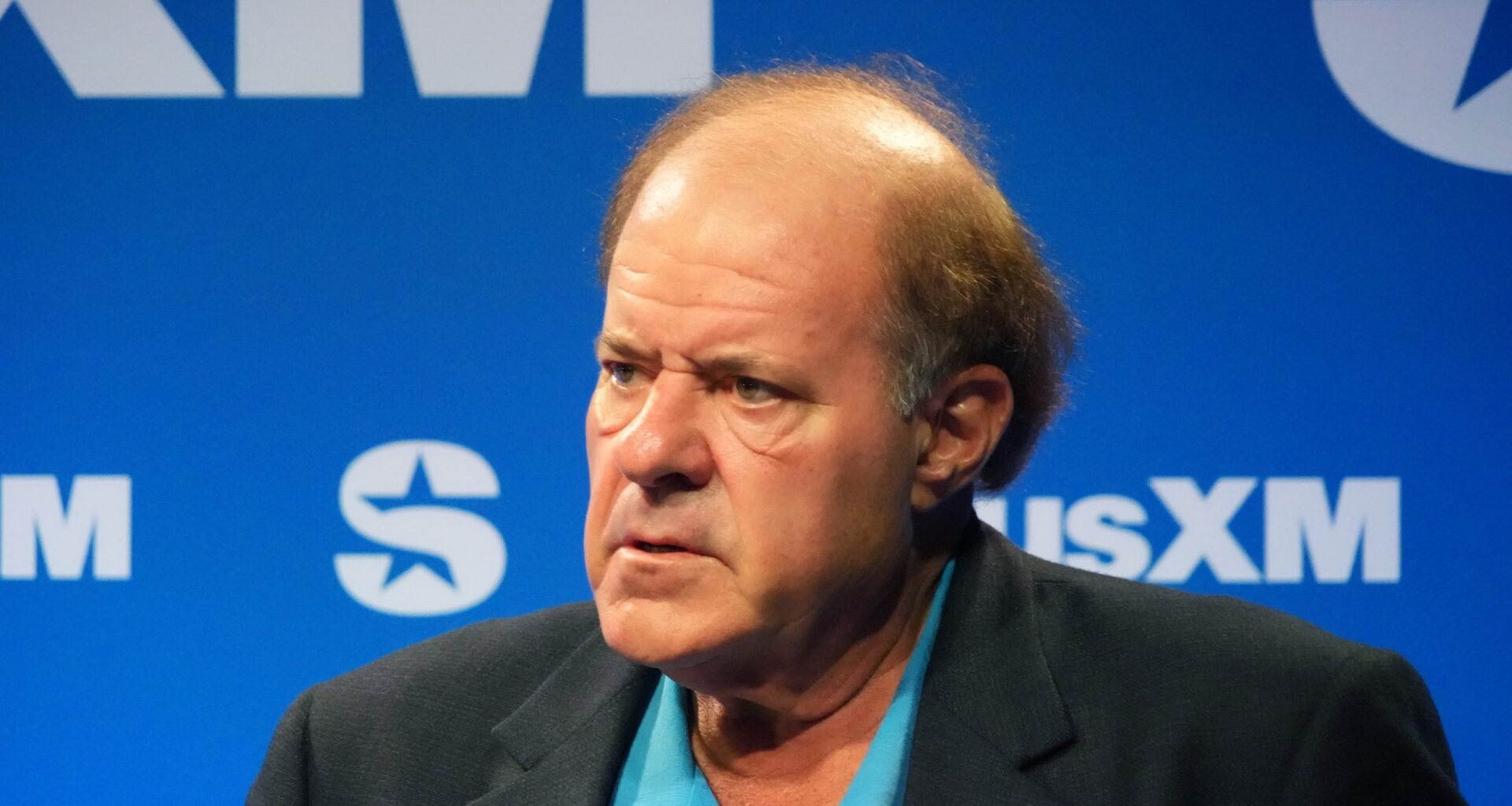
Chris Berman spent decades as the face of ESPN. He has more reason than most to think carefully about what it means for the NFL to now own a piece of the place he built his career. Speaking with CNBC Sport’s Alex Sherman, Berman was asked whether the NFL’s 10 percent equity stake in ESPN — the most consequential sports media deal in recent memory — creates a conflict of interest for the network’s journalism.
“Hard to believe,” Berman said, before dismissing the concern. “I don’t think so.”
“Ten percent, what does that mean? I don’t think the NFL — OK, if we’re gonna own 10%, here’s the handbook,” Berman added, pushing back on the idea that a 10 percent ownership stake would translate into any real editorial pressure. “Here’s the three pages that thou shalt not, thou shalt. I don’t think that happens. And if it did, I’d be really disappointed in the league as much as I am our place for agreeing. But that’s not the way it goes.”
Berman wasn’t dismissive of the broader concern, and he didn’t pretend the question was an unfair one. The deal is, by any measure, unlike anything the sports media industry has seen before. No major North American professional sports league has ever taken an ownership stake in a broadcaster that airs its games, and the questions about what that means for day-to-day journalism at ESPN aren’t going away anytime soon. Berman acknowledged as much.
“The lines have been blurred,” he said, “in a lot of ways.”
He didn’t dispute that the structure of the deal raises eyebrows, or that someone looking at it from the outside would have every reason to wonder. There’s an inherent strangeness to a situation where the entity being covered has a financial stake in the outlet doing the covering, and Berman seemed to understand why people are uneasy about it. It’s a question that has followed ESPN since the moment the deal was announced, one that has prompted responses from everyone from ESPN president Jimmy Pitaro to Roger Goodell to a former ESPN executive who wrote that the network had sold its soul to the league.
“This is an obvious, ‘Whoa, ESPN, NFL, 10 percent?’” Berman said.
But despite that acknowledgment, he landed firmly on the side of confidence that the arrangement wouldn’t actually change anything in practice. The concern, in his view, assumes a level of direct interference that he doesn’t believe the NFL would ever exercise, namely that someone in the league office would call Bristol with instructions on how to frame a story or what not to say about a player. He finds that scenario implausible, and said so plainly.
“I don’t think that has a stake at all,” he added. “I’d be shocked if it was any dictation of that way.”
The deal Berman was reacting to was finalized in August 2025, when ESPN agreed to acquire NFL Network, the linear distribution rights to NFL RedZone, and NFL Fantasy in exchange for a 10 percent stake in the company. Regulatory approval came far faster than expected — clearing in roughly six months rather than the projected one to two years — and the integration of NFL Network into the ESPN ecosystem is now underway ahead of the 2026-27 season, which will culminate with ESPN hosting its first-ever Super Bowl, something Berman never imagined would happen at the Worldwide Leader.
For Berman, who anchored NFL Primetime for two decades and has been synonymous with ESPN’s football coverage longer than most of its current employees have been alive, the idea that a formal set of editorial restrictions would ever materialize seems almost laughable. But the deal he’s defending is also one that nobody in sports media has ever had to navigate before.