
Updates on local, state and national News are detailed by the News10NBC Morning Team, along with traffic, sports and the weather forecast.
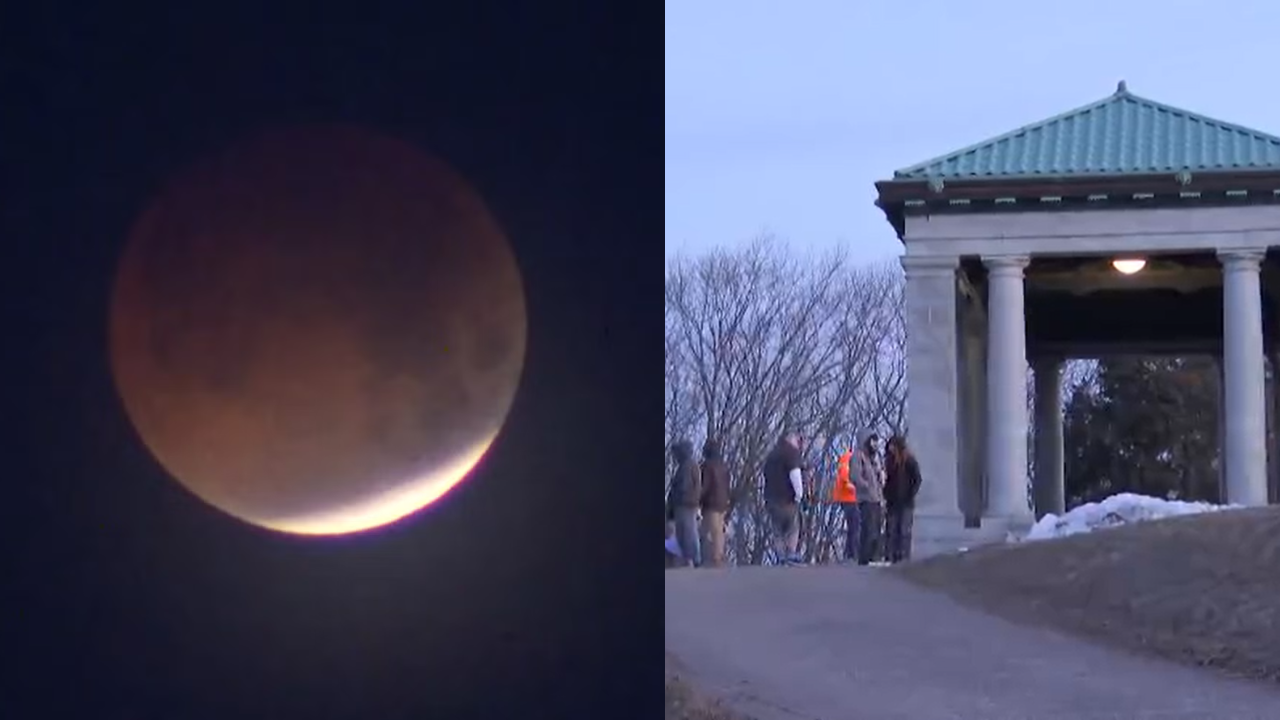
ROCHESTER, N.Y. — Did you wake up early on Tuesday morning to see the moon’s fiery red colors during the total lunar eclipse? Dozens gathered at Cobbs Hill Park to see the moon as it passed across the Earth’s shadow.
The eclipse was visible across several continents, including North and South America. The next total lunar eclipse won’t be until December 2028, so people in the Rochester area took plenty of photos. You can see photos from viewers here.
The eclipse started around 4:50 a.m. and reached its peak around 6:33 a.m. Eventually, the sunrise made the moon invisible. The moon turns red because only red and orange light can make it through Earth’s atmosphere, due to the Earth’s and the moon’s angle. Craig Kaplan with the Rochester Astronomy Club explained the science behind the lunar eclipse.
“The full moon will move into the Earth’s shadow. Now, it doesn’t happen every month because the moon has a bit of a tilt around the Earth,” Kaplan said. “Sometimes the full moon is above the shadow, sometimes below the shadow. But this time it’s going to move into the shadow. It’s a very safe event. It lasts for about 3.5 hours.”
Kaplan said he hopes seeing the eclipse will get more people interested in astronomy. You can see upcoming Rochester Astronomy Club events here.
“That’s one of our goals of the club, to involve the community in astronomy. We call it sidewalk observing, just set up a telescope on the sidewalk and attract people. We have public observing at our observatory down the alley,” he said.
Unlike the 2024 total solar eclipse in Rochester, you didn’t need eclipse glasses to protect your eyes from the moon.
See News10NBC’s photos
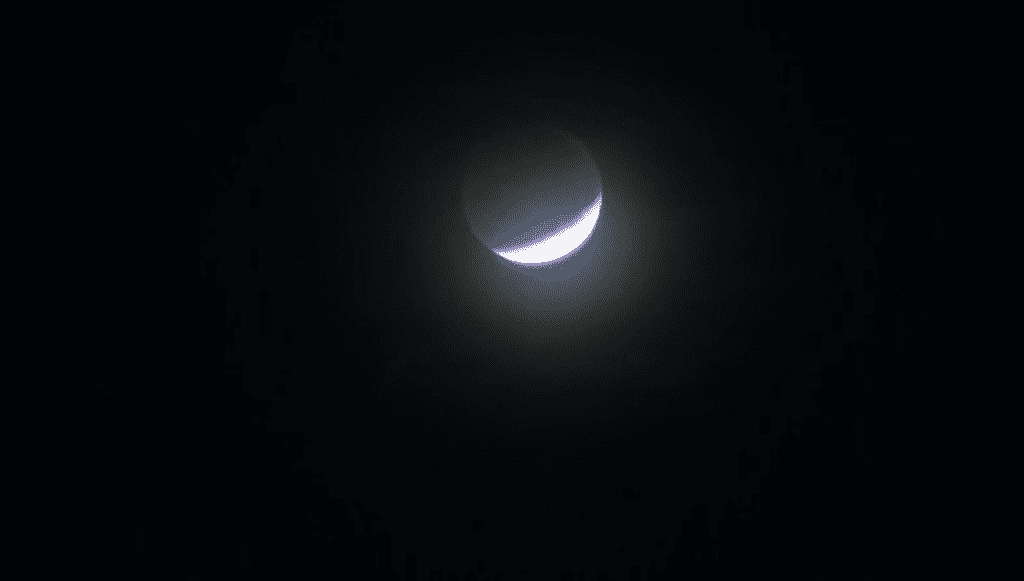
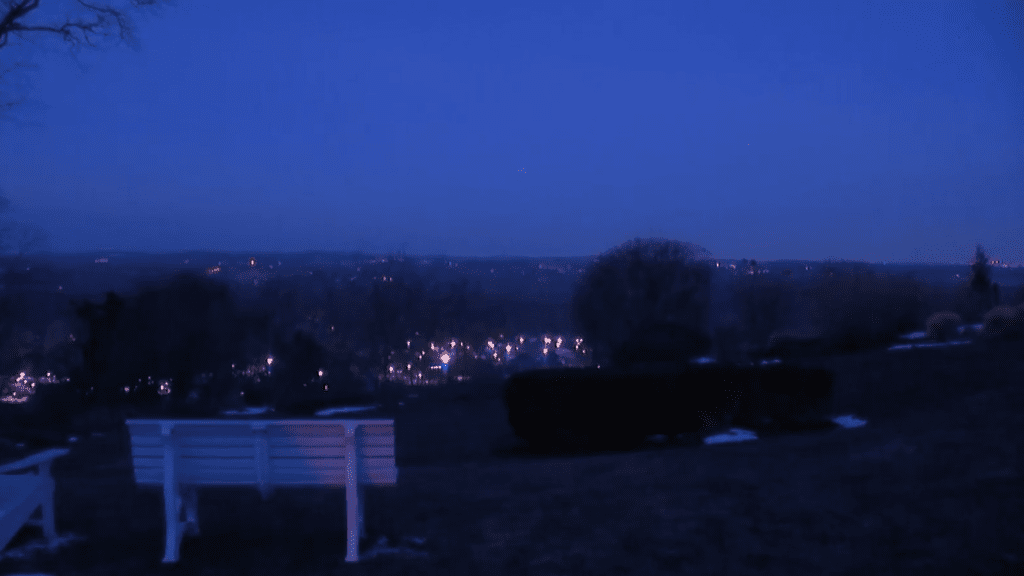
Here’s what our crew saw at Woodcliff in Perinton as we tracked the lunar eclipse:
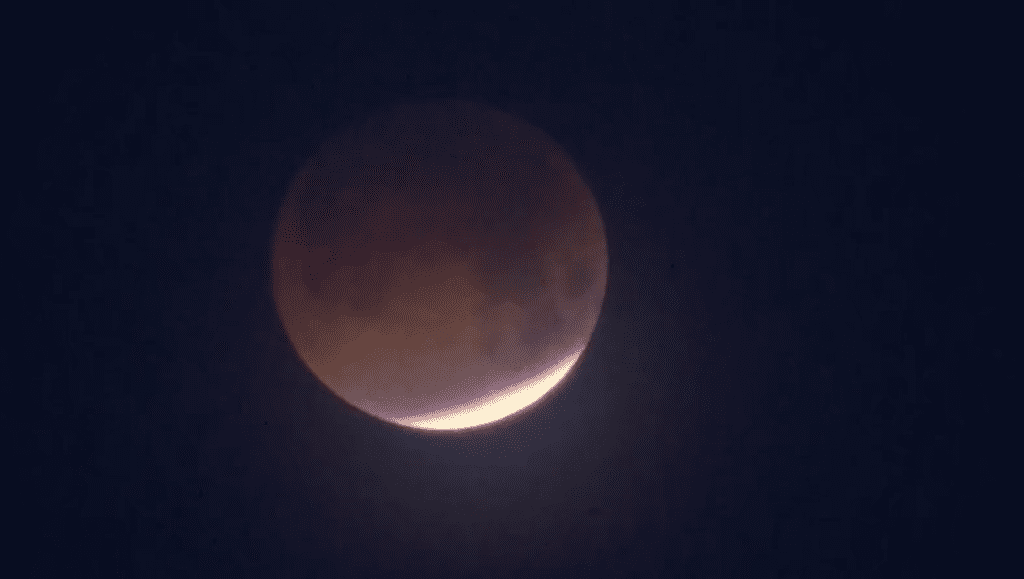
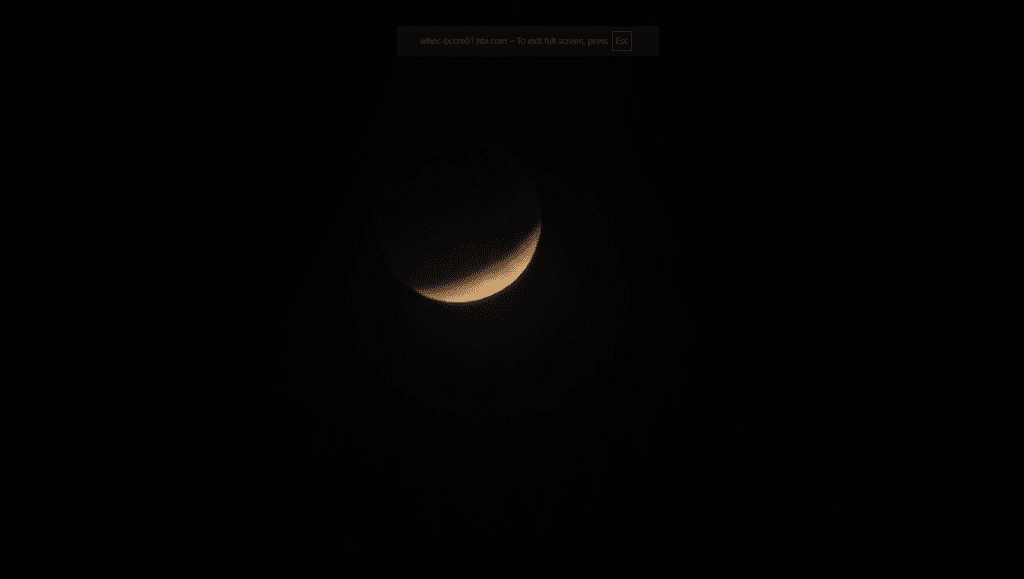
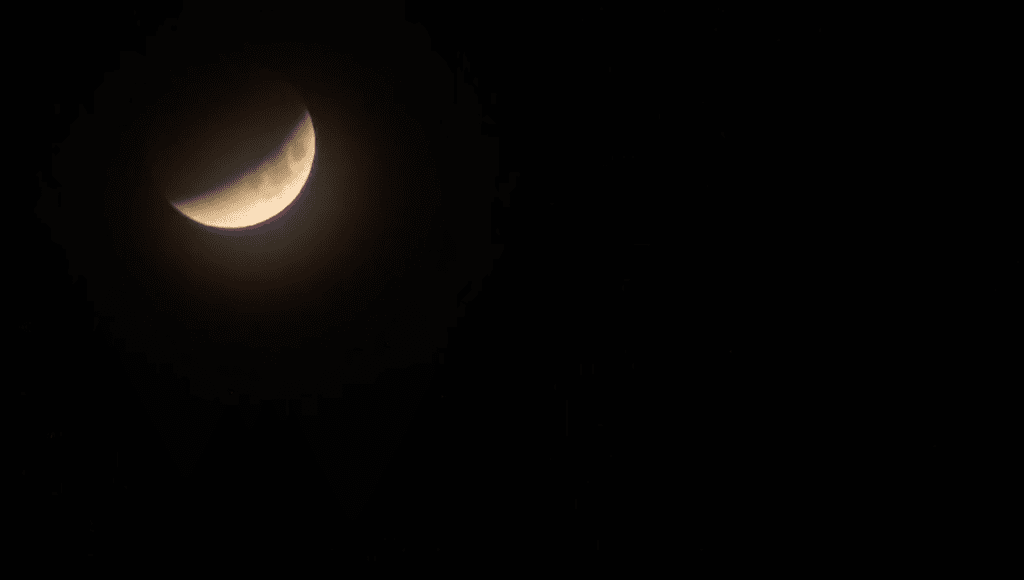
Here’s what our crew saw at Cobbs Hill Park:

 More about the science of the lunar eclipse
First Alert Meteorologist Nate Morris goes in-depth on what gives the moon those red hues as the Earth passes between the sun and the moon. He explains how the Earth’s atmosphere creates an illusion through a process called refraction:
For Related Stories: lunar eclipse Cobbs Hill