
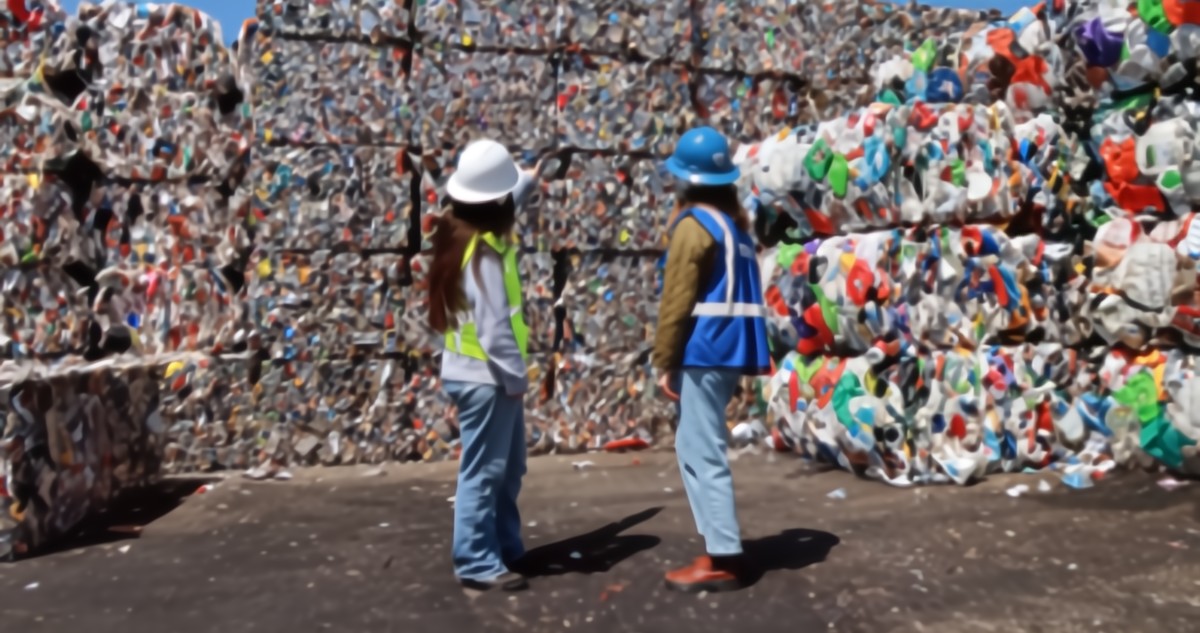
Image from the Recology 2025 Sustainability Report
If you’ve been tossing your berry containers, coffee cups, and restaurant takeout trays into the recycling bin feeling good about it, Frank Nelson has some news for you: none of that is getting recycled.
Nelson, general manager of Recology Humboldt County, spoke with Redheaded Blackbelt in January about the state of recycling on the North Coast — what’s working, what isn’t, and what residents can do to actually make a difference.
The Contamination Problem
About 23 to 25 percent of what goes into Humboldt’s recycling bins doesn’t belong there, according to Nelson. The biggest offenders are plastic to-go containers, coffee cups, berry clamshells, and anything from a restaurant drive-through. None of it is recyclable in Humboldt — or most anywhere else.
“Pretty much anything you get from a restaurant, and especially a restaurant with a drive-through, is not recyclable,” Nelson said. “None of that stuff is recyclable, and we see a ton of it come through.”
Beyond wishful recycling, Nelson said the Samoa facility deals daily with a mountain of tires, car batteries, televisions, and DVD players dumped into recycling bins–items that have never belonged there.
According to an LA Times article, of all the plastic yogurt containers sold in California in 2023, only 2% were recycled. Colored shampoo bottles came in at 5%, and no plastic category in the report exceeded a 23% recycling rate statewide. The numbers reflect not just a contamination problem but a market problem–for most plastics, the recycling infrastructure and buyer demand to process them simply doesn’t exist, regardless of how carefully a consumer sorts their bin. As Nelson put it, recyclability isn’t universal: what can be recycled in Humboldt depends on how close the nearest processor is, whether there’s a market for that material, and whether selling it is cheaper than landfilling it. A technically recyclable item with no nearby buyer and expensive shipping costs may still end up in a landfill.
Why Recycling Got Harder
It wasn’t always this way. For decades, the U.S. shipped mixed recyclables to China, which bought the material cheaply and processed it overseas. That changed in 2018 when China implemented Operation National Sword–a policy that banned 24 categories of scrap imports and slashed the allowable contamination rate in recyclable bales from around 10% down to less than 1%.
Nelson described the shift as a turning point for the entire industry. Before National Sword, processors could bundle mixed material and ship it with minimal sorting. After, every bale of aluminum had to be 99% aluminum, every bale of paper 99% paper. That required new sort lines, new equipment, and significantly more workers at the Samoa facility, raising the cost of processing recycling.
“We’ve seen recycling go from a profitable model to a cost model, where it costs money to recycle,” Nelson said. Even so, he said stopping recycling entirely would cost more, and that landfills would suffer. Additionally, Nelson said, “[Recycling is] the right thing to do.”
COVID, Buyback Centers, and What Really Happens to Your CRV
The National Sword transition was still reshaping the industry when COVID hit, dealing recycling on the North Coast another significant blow. Recology had operated buyback centers in Redway and Fortuna before the pandemic, and HWMA ran one in Eureka. Facing a combination of chronic insolvency, volatile scrap markets, and the real health risk of processing high volumes of material from households and hospitals during a pandemic, the decision was made to close them. For residents already navigating an uncertain time, the closures sparked a common frustration: why keep paying CRV with nowhere to redeem it?
The California Redemption Value, the five cents per bottle or can paid at the register, doesn’t disappear when it goes unclaimed. According to Nelson, CalRecycle redistributes that money as stipends that fund curbside collection programs, buyback centers, and processing facilities like Recology’s Samoa plant. Recology claims CRV on material processed at Samoa and applies it directly to offset residents’ recycling and refuse costs.
“That CRV gets picked, it gets counted and audited here at Samoa… and then we bring it back in against the cost of processing that recycling, so it offsets your bill next year,” Nelson said.
Buyback centers themselves are rarely self-sustaining. They rely on scrap market values and state stipends just to break even. For residents who recycle through curbside service but never visit a buyback center, the CRV benefit shows up indirectly in lower processing costs. Even residents who pay CRV but don’t recycle at all are contributing to a system that helps keep refuse costs down countywide. For those who do want their deposit back directly, Hambro has reopened several buyback locations in Humboldt County with limited hours.
Three Things You Can Do Right Now
Nelson said recycling doesn’t need to be perfect; it needs to be accurate. The 5 to 10 percent of residents already rinsing every jar, peeling every label, and hunting for the next item to divert from their garbage can are doing great, but the bigger opportunity is the other 90 percent. The ask isn’t heroic. Nelson said it comes down to three things:
Remove Styrofoam and plastic inserts from boxes before recycling them. Throw those materials in the trash, flatten the cardboard, and put it in the bin.
Don’t bag your recycling. Open the plastic bag, dump the contents loose into the recycling cart, and put the bag in the garbage.
Rinse jars before recycling them. A jar full of spaghetti sauce that bursts in the truck will contaminate your neighbors’ clean paper, turning recyclable material into garbage.
How Recycling Can Lower Your Bill
Nelson also pointed out a financial incentive that many residents may not be aware of. Recology charges based on the size of the garbage cart, not the recycling cart–which is a standard 96-gallon bin included with all service. As households divert more material into recycling correctly, they can downsize their garbage cart and reduce their bill by potentially several hundred dollars a year.
Nelson said he and his wife made that switch themselves after moving to Humboldt, dropping from a 96-gallon garbage cart down to a 32-gallon and aiming for a 20-gallon by the end of the year.
Not Sure If It’s Recyclable?
The recycling system isn’t perfect and Nelson acknowledged that some material put into the blue bin with good intentions will still end up in a landfill, whether due to market limitations, contamination, or items that simply have no viable recycling outlet. But that doesn’t mean the effort is wasted. The gap between what residents intend to recycle and what actually makes it into the recycling chain comes down less to effort and more to education–specifically, knowing what belongs in the bin in the first place.
Keeping unrecyclable items out of the bin reduces the sorting burden at the Samoa facility, lowers contamination rates, and protects the clean material that does have a market. Conversely, a household that rinses its containers, breaks down its boxes, and keeps plastic bags out of the bin is directly contributing to more of its recycling actually reaching the recycling chain rather than a landfill.
Nelson recommended visiting whatbin.com before putting anything questionable in the cart. The Recology tool allows users to look up any specific item and find out whether it belongs in the blue, gray, or green cart–removing the guesswork that leads to contamination in the first place.


