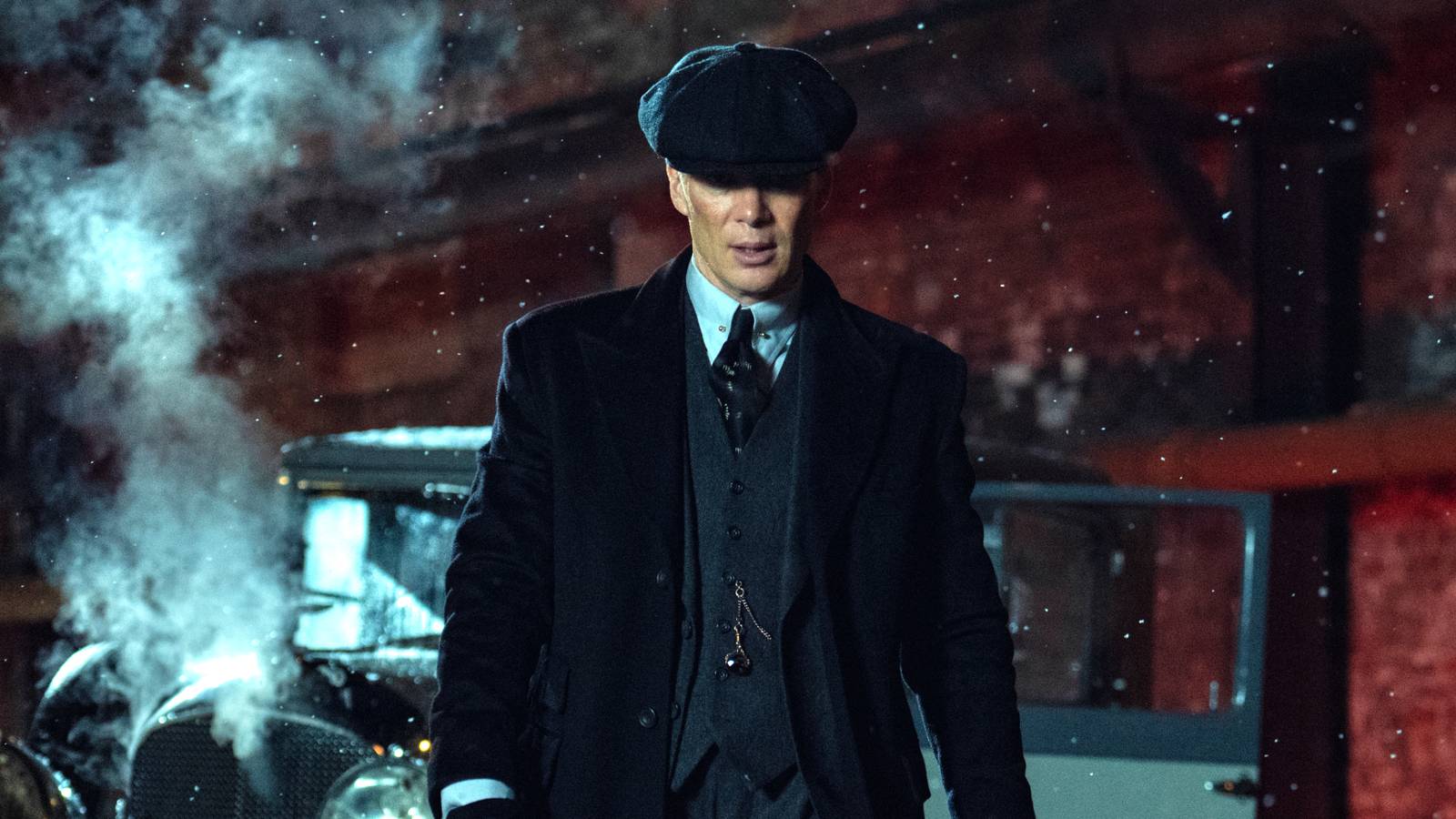
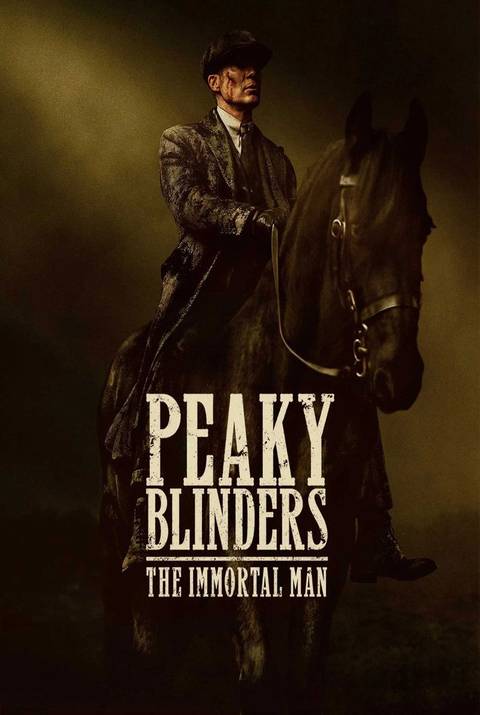
Tommy Shelby returns from his self-imposed isolation after several years to face the dark demons of his own creation. As triumphantly bone-chilling and entertaining as it is to see Tommy return to his abandoned realm as the Gypsy King, the big swings that Peaky Blinders: The Immortal Man takes with his deeply haunted reckoning are left needing more.
Picking up several years after Peaky Blinders’ season 6 finale, which concluded with Tommy saying his farewells to the Shelby family and naming his successors before leaving Birmingham, The Immortal Man finds Tommy living in isolation writing a book with only Johnny Dogs as his company. Throughout this time, Tommy has still been contending with being a cursed man, unable to escape the ghosts of those whose deaths he blames himself for continuing to haunt him at every turn.
In addition to those that originally sent him into isolation, Steven Knight’s The Immortal Man adds in some surprising new spirits – both dead and alive – that weigh heavy on Tommy’s conscience. However, The Immortal Man often stumbles to find the space to ruminate on how these tragedies impact Tommy and the few returning original characters. When the heaviest-hitting blows are thrown, the impact is often undermined by Tommy himself also being a quiet, sullen ghost of who he once was, as well as unevenly striving to balance the impact of these tragedies on Duke, a character we hardly knew in the series and still barely explore below the surface in the movie.
The Immortal Man Struggles To Balance Its New Cast & Conflicts With Tommy & The Peaky Blinders’ Equally Impactful History
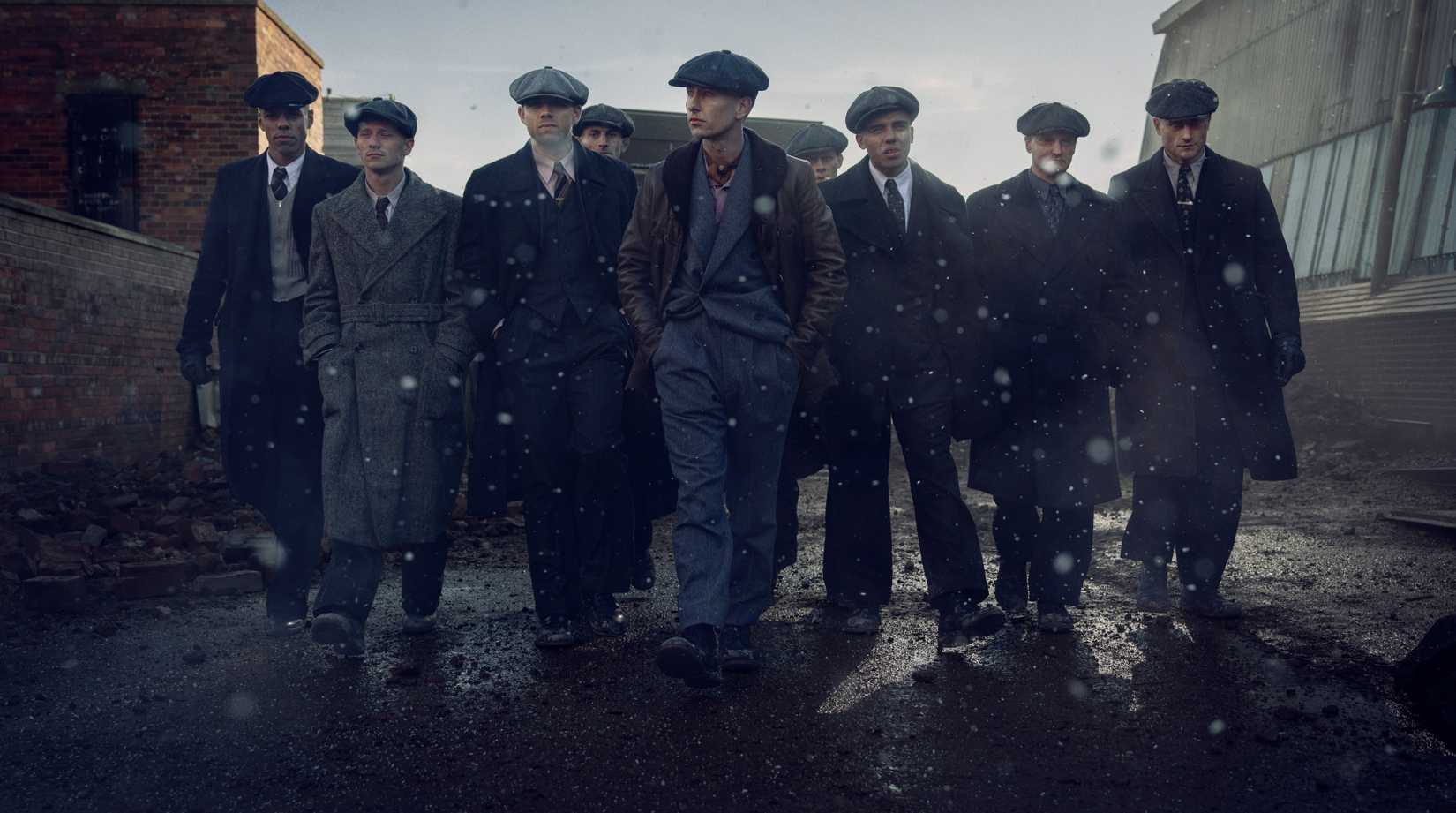
Barry Keoghan leading the Peaky Blinders in The Immortal Man (2026)
The Tom Harper-directed The Immortal Man plays more like a visually stunning, extended additional episode of season 6, but struggles to balance the weight of the entire original series’ history and story buildup with the final season’s late character introductions, the movie’s brand-new villains and anti-heroes, and new tragedies that happened off-screen. At the same time, the intensity of The Immortal Man being the final word on those arcs is undercut by so many integral loose ends and set-ups from the end of season 6 being completely ignored or resigned to a second thought.
The Immortal Man is stronger when dealing with the broader strokes of Tommy’s past and his demons catching up with him, with family members like Sophie Rundle’s impeccable Ada Thorne grounding him emotionally and bringing him back to reality socially. This is most effective in the first act, which primarily serves as a haunting, emotionally resonant ghost story before Tommy is called upon to help save his son Duke from truly becoming the monster he turned him into.
The dominant theme of a son suffering from the sins of his father is poignant and fitting for Tommy’s story, but isn’t completely effective, given Duke and Tommy’s relationship hardly even existed prior to The Immortal Man. The core instigator of the plot is the series’ notion that the darkness inside of Tommy was transferred to Duke, and the consequences of Tommy abandoning him with a kingdom to run on his own and the key original Shelby family being absent.
Barry Keoghan does exceptionally well portraying the anger and unpredictability that have defined Duke after being abandoned.
However, while Barry Keoghan does exceptionally well portraying the anger and unpredictability that have defined Duke after being abandoned, the focus needed to turn him into a compelling, emotionally-convincing character, like Michael Gray or even Tommy’s other son, Charlie, given their fleshed-out histories, wasn’t fully there to make the climax resonate as strongly as The Immortal Man required.
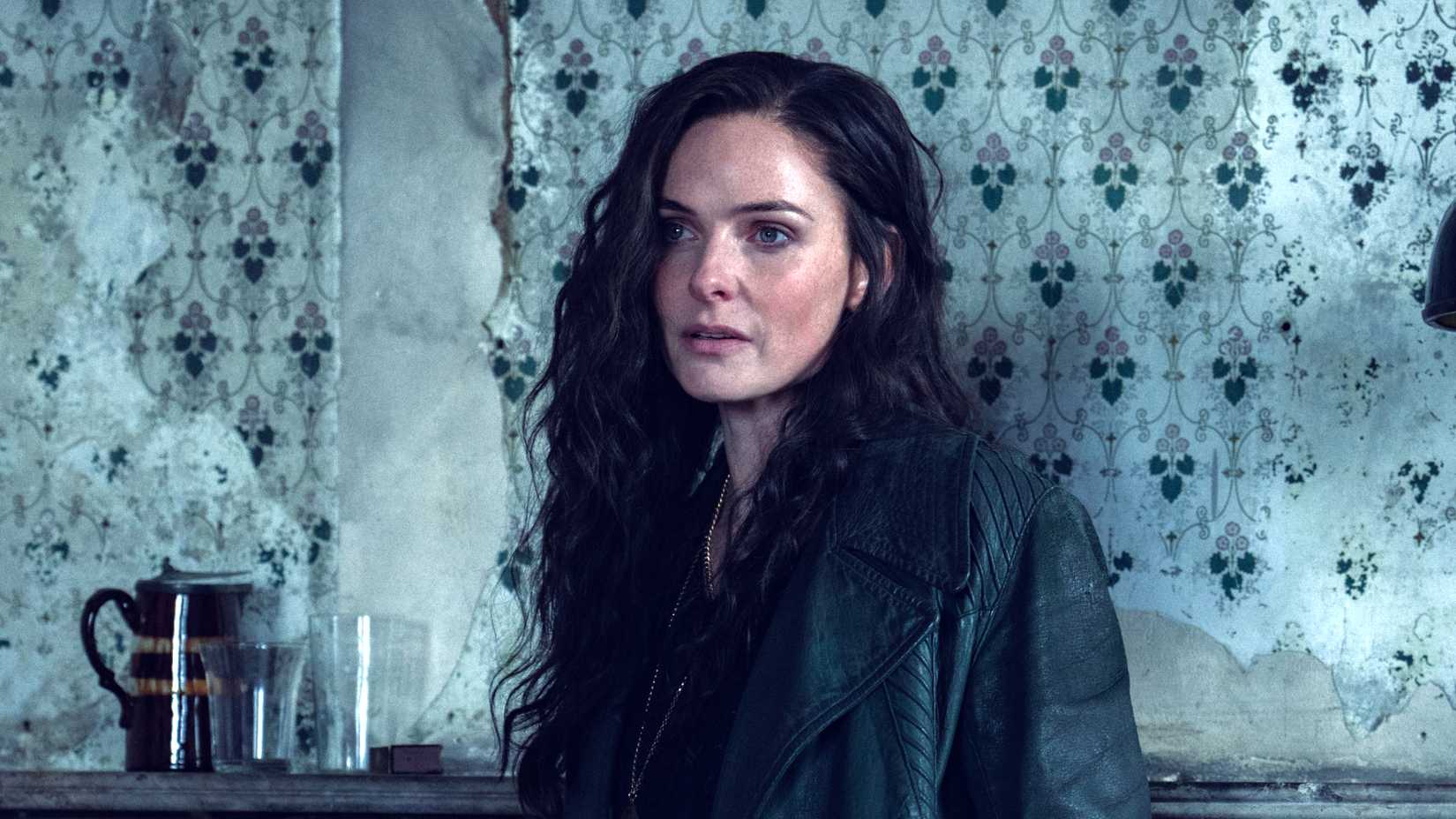
These issues also translate to Tim Roth’s new villain Beckett and Rebecca Ferguson’s Kaulo, who play different roles in getting Tommy to return to Birmingham. Peaky Blinders has a long history of engrossing, complex villains, but Roth’s character doesn’t get much room to go beyond the surface conflict of “Nazi sympathizer using Duke’s daddy issues and power-hungry drive against him to destroy Britain.” Similarly, there’s a lot of untapped potential in Ferguson’s role, which is well-cast and performed, but left feeling underdeveloped.
The Immortal Man’s Devastating, Intense Final Act Didn’t Fully Land With Its Emotional Stakes
This all culminates in the familiar Peaky Blinders tradition of an explosive, action-filled climax, but it’s left feeling more flat than such heavy, bold developments that Steven Knight introduces deserve. The final twists and turns play on themes that have defined Tommy Shelby and Peaky Blinders since the premiere in 2013, yet the emotional stakes never quite reach their required heights due to the lack of an established, flawed, yet lovable group like season 1’s bunch to hinge them on.
The Immortal Man suffered from simultaneously feeling overstuffed and undercooked… and may have benefited from the TV format.
The Immortal Man suffered from simultaneously feeling overstuffed and undercooked, not bringing enough of its eternally impactful history into play while being unable to strike the right balance with its new (and new-ish) characters. Perhaps The Immortal Man may have benefited from the TV format instead. With six hour-long episodes, the narrative could have more properly drawn out the tension, given its ensemble room to breathe and react to tragedies experienced and dark dilemmas to face, fleshed out villains and potential new character liabilities, and afforded more space to develop the internal complexities between Tommy, Duke, and Kaulo.
The Immortal Man Is An Exquisite Tribute To Tommy Shelby’s Greater Legacy Packed With Beloved Peaky Blinders Calling Cards
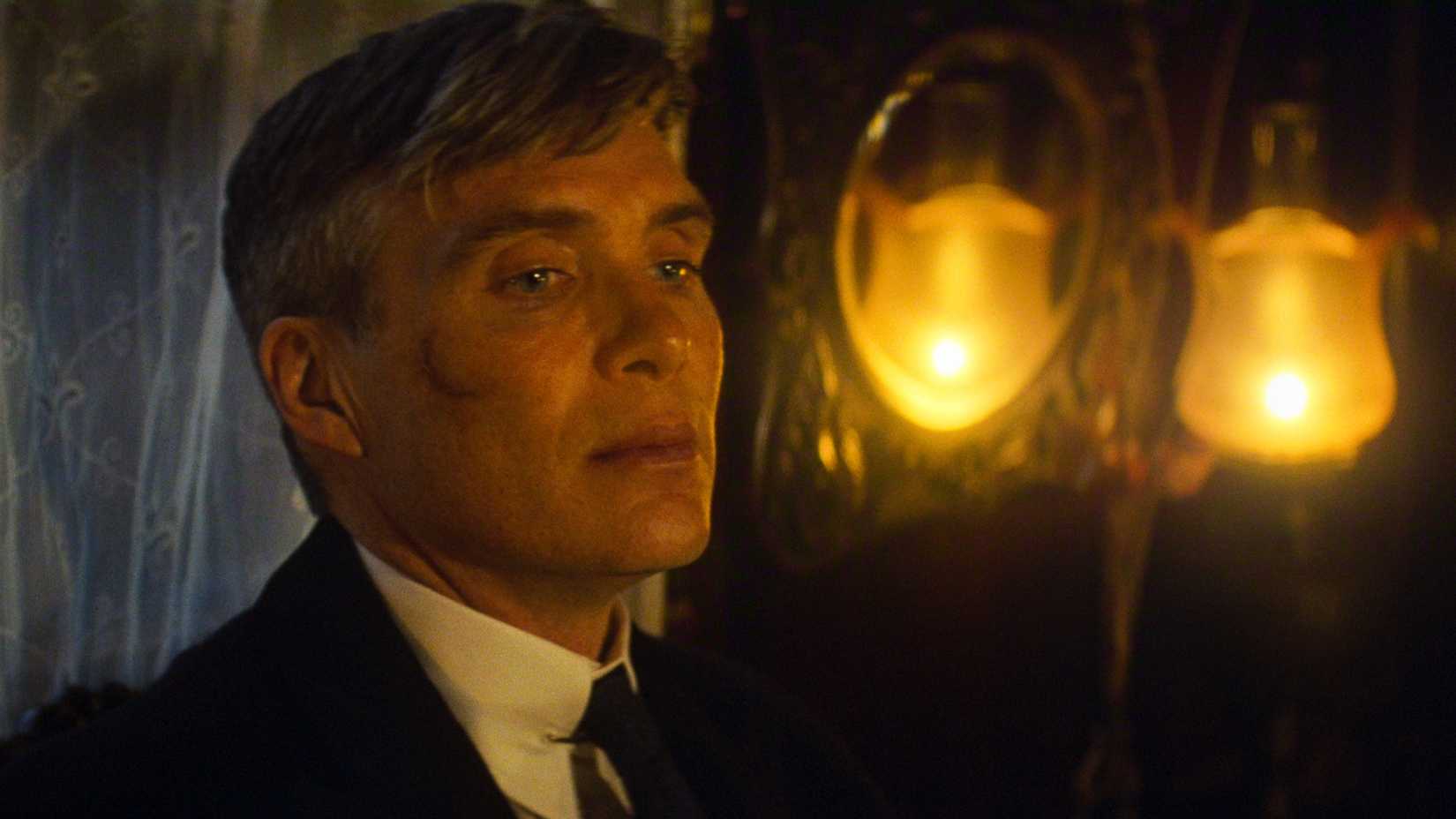
Cillian Murphy as Tommy Shelby in Peaky Blinders The Immortal Man
The story beats may falter given the massive swings the film takes, but it still feels incredible to be back in the world of the Peaky Blinders and the gritty, brooding shoes of Cillian Murphy’s Tommy Shelby. As he did in the series, Murphy commands every scene he’s in with the same masterful gravitas and tortured, tragic presence that turned Tommy into one of the most compelling anti-heroes in TV history.
Ultimately, The Immortal Man is at its best when following the original series’ classic beats: Tommy proving to his enemies or those who undermine him why he’s Birmingham’s most fearsome gangster, a swift “by order of the Peaky Blinders” after the gangsters cause trouble, a slow motion sequence showing off the gang’s impeccable fashion, an ominous focus on Romani culture and the Shelby family’s spirituality, twist reveals about loyalties, some light humor from the familiar faces around Small Heath or comically absurd fight scenes, and incredibly beautiful cinematography from start to finish.
The Immortal Man is a beautiful tribute to one of TV’s greatest gangsters, Cillian Murphy’s Emmy-deserving run in the original series, and Tommy Shelby’s ever-enduring legacy.
The Netflix outing’s strengths also lie in The Immortal Man being a beautiful tribute to one of TV’s greatest gangsters, Cillian Murphy’s Emmy-deserving run in the original series, and Tommy Shelby’s ever-enduring legacy. There’s one chills-inducing moment when Tommy finally returns to Birmingham and faces the people of Small Heath that most poignantly embodies this in particular, emphasizing that while Tommy Shelby may be a cursed man and gangster who brought numerous terrors to Birmingham, he’s always been their gangster, whose heart was never as cold as he believed.
After being left open by the series finale, The Immortal Man accomplishes its goal of truly drawing the curtains closed on an epic chapter in Peaky Blinders history. Though various endings may differ in effective execution or feeling deserved by the closing credits of the two-hour film, some of which among the Shelby clan are guaranteed to be divisive, Peaky Blinders: The Immortal Man is still an entertaining, action-filled, worthwhile return to the story for those who have been missing a recitation of “in the bleak midwinter” over the past several years.
Peaky Blinders: The Immortal Man premieres in a limited theatrical release on March 6 before debuting on Netflix on March 20.
Release Date
March 6, 2026
Runtime
112 Minutes
Director
Tom Harper