
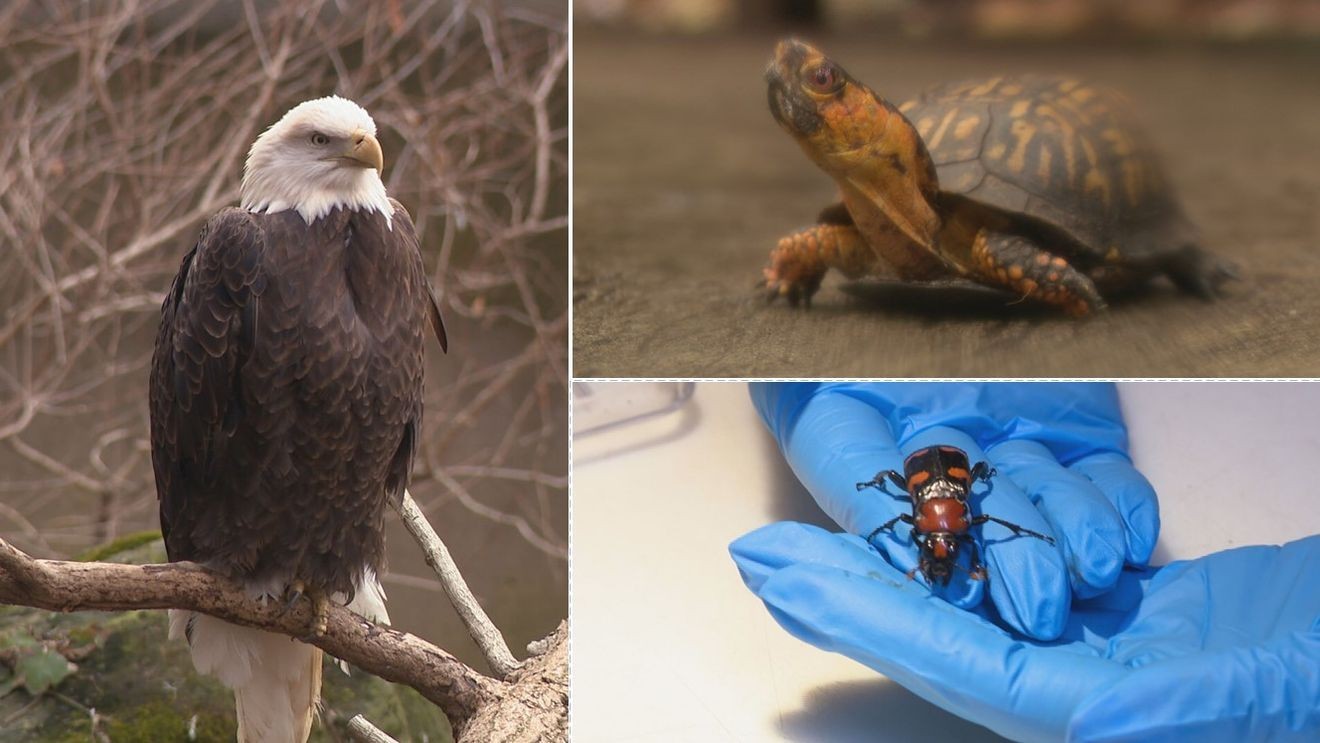
CINCINNATI (WKRC) – As America marks 250 years, conservation efforts are helping restore bald eagles, box turtles and even burying beetles across the Buckeye State.
While America’s landscape has changed dramatically over 250 years, wildlife experts say the comeback of these species proves that with the right protections, public awareness and sustained effort, recovery is possible. (WKRC)
250 years ago, when America was born, the land looked vastly different. Forests stretched for miles, rivers ran untouched and wildlife thrived without the pressures of modern development.
But decades of progress have come at a cost — especially for some of Ohio’s native animals.
Now, conservationists say there’s hope.
A Symbol Soars Again
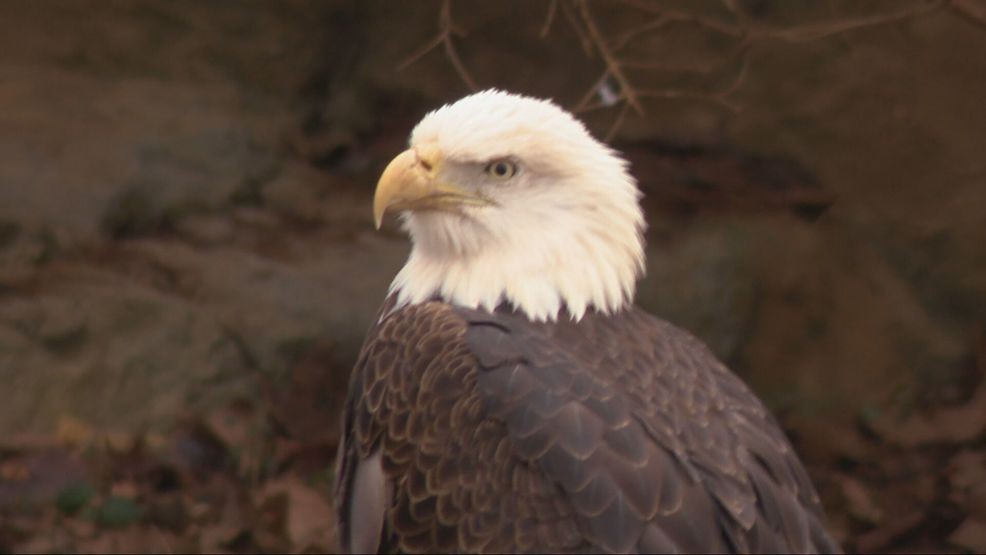
Perched proudly on a branch, the bald eagle is perhaps the most recognizable symbol of American independence. The bird was placed on the Great Seal of the United States in 1782 — but in Ohio, it nearly vanished.
“In 1979, there were only four nesting pairs of bald eagles in the state of Ohio, which is pretty dire,” said David Orban, Vice President of Programs at the Cincinnati Zoo & Botanical Garden.
Habitat loss, pollution and the widespread use of pesticides like DDT devastated eagle populations nationwide. But decades of environmental protections and wildlife management have helped reverse the trend.
Today, the story looks dramatically different.
While America’s landscape has changed dramatically over 250 years, wildlife experts say the comeback of these species proves that with the right protections, public awareness and sustained effort, recovery is possible. (WKRC)
“Now there are over 900 nesting pairs of bald eagles in Ohio,” Orban said. “A lot of them are monitored by the Ohio Department of Natural Resources.”
At the Cincinnati Zoo, visitors can see four rescued bald eagles up close and learn how to spot them in the wild. Orban says your best bet is near waterways — lakes, rivers and reservoirs — where the birds hunt for fish.
Their rebound is widely considered one of the nation’s greatest conservation success stories.
A Slow but Steady Comeback
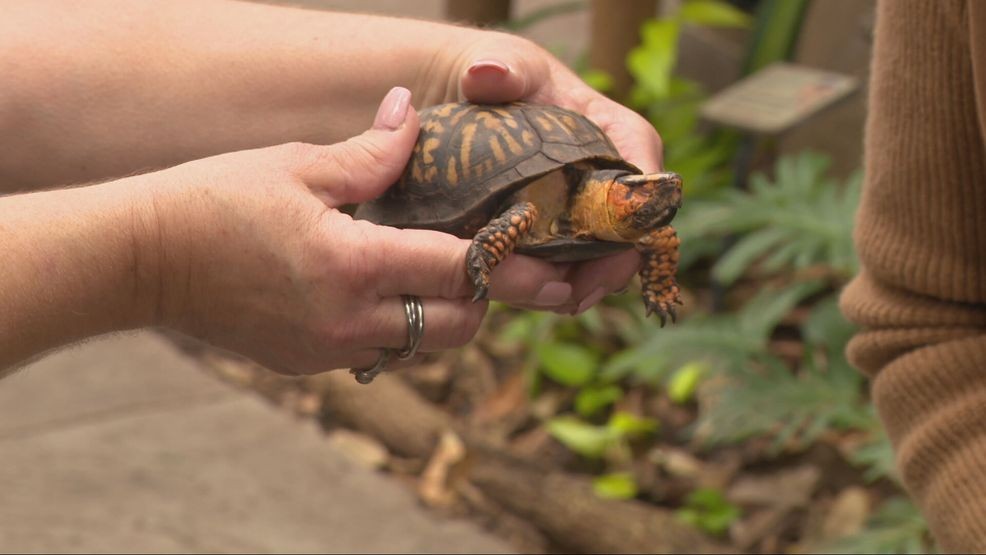
Not all recoveries happen as quickly. The eastern box turtle, a native Ohio species known for its domed shell and bright markings, is still considered a species of conservation concern.
“They are a species of conservation concern, meaning over time, their numbers are beginning to drop,” said Mollie O’Neil, a director at the Cincinnati Zoo.
Habitat fragmentation and road mortality pose major threats. And while the turtles may look like easy pets, taking one from the wild is illegal in Ohio.
Instead, O’Neil says the public can help in a simple but important way: if you see a box turtle crossing the road, move it in the direction it was already heading.
While America’s landscape has changed dramatically over 250 years, wildlife experts say the comeback of these species proves that with the right protections, public awareness and sustained effort, recovery is possible. (WKRC)
That small action could save a turtle on its way to find food or a mate and help reduce unnecessary deaths.
Nature’s Undertaker
Some conservation work is happening out of sight — underground, in fact.
In a secure area at the Cincinnati Zoo, staff are working to bring back the American burying beetle. Once native to Ohio, the species no longer exists in the wild in the Buckeye State.
“They are here to be nature’s undertakers and decompose material for us,” said Many Pritchard, the zoo’s team leader of insects.
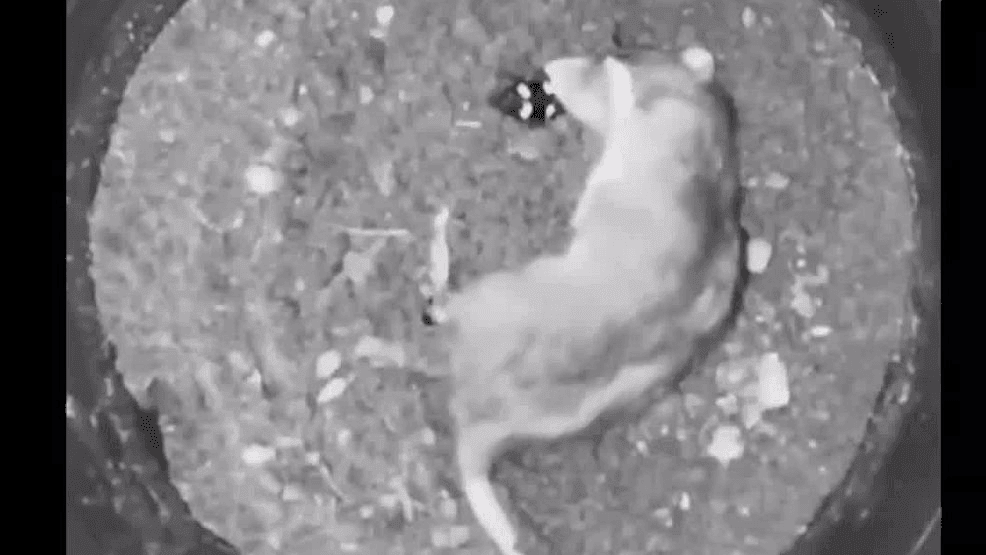
Inside black gallon buckets, zoo staff carefully breed the beetles. The process may sound unusual but plays a critical role in the ecosystem.
“So we put a rat carcass in there and we put a male and female in there,” Pritchard explained. “Eight hours later they bury the rat carcass, and then they are raising their young on it.”
While America’s landscape has changed dramatically over 250 years, wildlife experts say the comeback of these species proves that with the right protections, public awareness and sustained effort, recovery is possible. (Cincinnati Zoo)
The beetles help break down dead animals, recycling nutrients back into the soil — an essential but often overlooked environmental service.
A Story of Conservation
From underground — the burying beetle.From the land — the box turtle.From the air — the bald eagle.
Together, these three creatures help tell the story of conservation in Ohio.
While America’s landscape has changed dramatically over 250 years, wildlife experts say the comeback of these species proves that with the right protections, public awareness and sustained effort, recovery is possible.
And in Ohio, that recovery is already taking flight.