
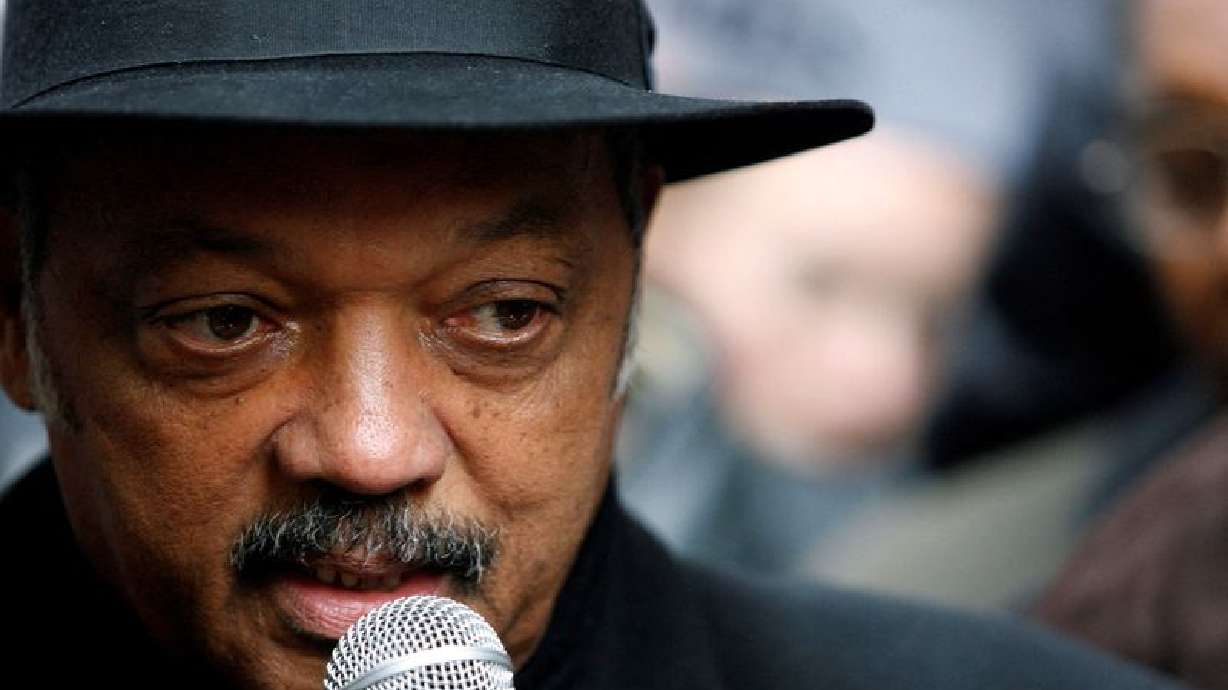
CHICAGO — Former Presidents Joe Biden, Barack Obama and Bill Clinton joined thousands of mourners at a public memorial service for Jesse Jackson in Chicago to honor the longtime civil-rights activist and Democratic political leader.
Jackson, who died last month at the age of 84, was a leading advocate for voting rights and desegregation.
The memorial on Friday at the House of Hope, a 10,000-seat venue on Chicago’s South Side, was celebratory, with a choir performing rousing gospel songs while attendees stood, clapped and sang along.
President Donald Trump did not attend due to his schedule and ongoing events, a White House official said.
“Rev. Jackson will be remembered for his oratory prowess, but in Chicago we knew him as a brilliant strategist, master negotiator and organizing savant,” said Chicago Mayor Brandon Johnson, who was slated to speak at the service.
In addition to the former presidents, former first ladies Jill Biden and Hillary Clinton, who also served as U.S. secretary of state, were present, along with the Rev. Al Sharpton, a prominent civil rights activist; Pete Buttigieg, former U.S. secretary of transportation; and Omarosa Manigault Newman, a reality TV star and former White House aide. Singers Jennifer Hudson, BeBe Winans and Pastor Marvin Winans were set to perform.
The service began with attendees chanting “I am somebody!” and “Keep hope alive!”, some of Jackson’s most well-known phrases.
Events in Chicago, South Carolina
Memorial events for Jackson began in Chicago last week, drawing elected officials, advocates and community members. Jackson’s body also lay in state in South Carolina, where he was born.
An inspirational speaker and longtime Chicagoan, Jackson helped lead the nation’s civil rights movement after the 1968 assassination of Martin Luther King Jr. Jackson spent more than half a century working to dismantle segregationist systems and broaden political participation for Black Americans and other marginalized communities.
His two presidential campaigns mobilized millions of new voters under the banner of the “Rainbow Coalition,” pushing the Democratic Party to address issues affecting working-class Americans, farmers and communities of color.
The Key Takeaways for this article were generated with the assistance of large language models and reviewed by our editorial team. The article, itself, is solely human-written.