
(Credits: Far Out / Alamy)
Sat 7 March 2026 0:00, UK
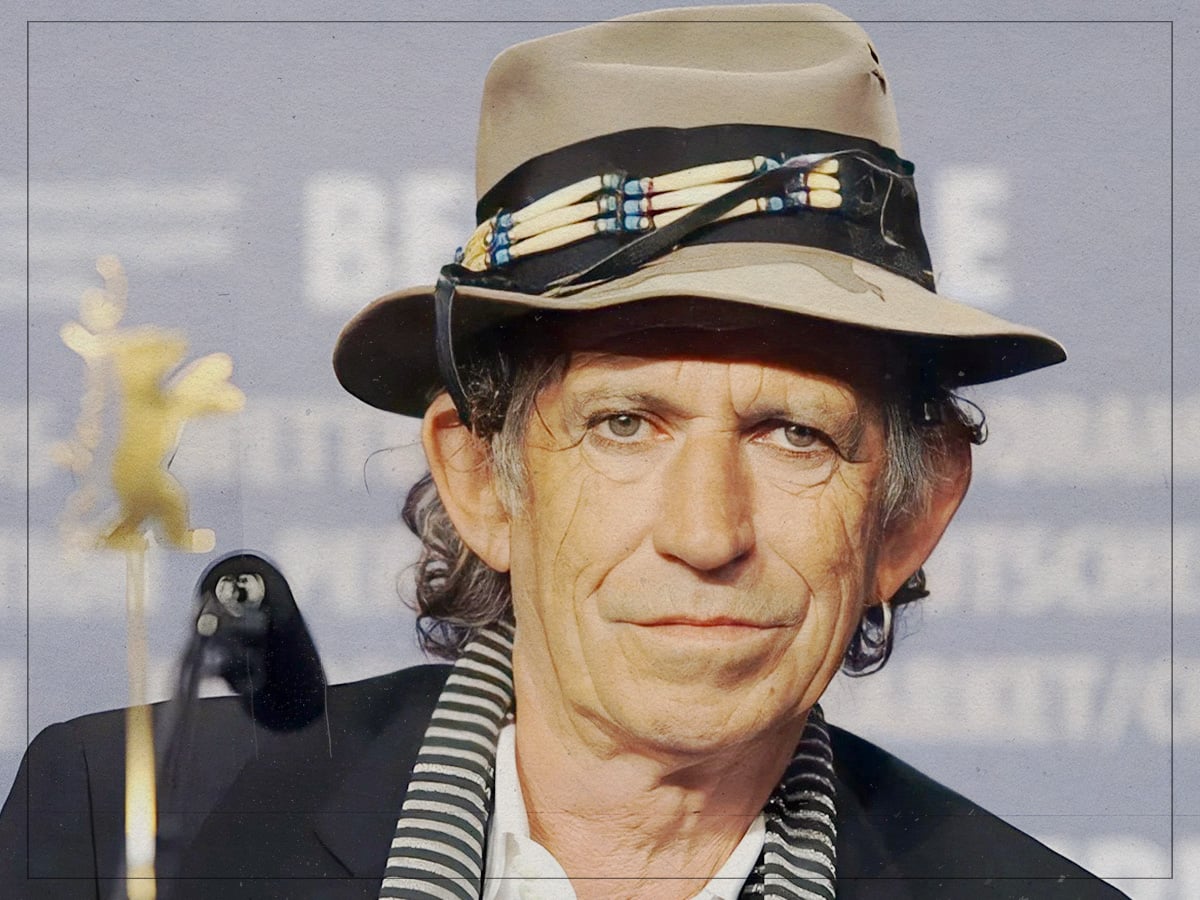
Keith Richards has never taken a single piece of music in his record collection for granted.
He was a rock star through and through, but he readily admitted that he would have never been able to reach the highest peaks of rock stardom were it not for some of the greatest blues musicians laying the groundwork for him and Mick Jagger years before rock and roll was invented. But when it comes to the greatest names in British rock music, Richards felt that the finest musicians who had ever lived were the ones who understood American culture much better than anybody else.
Because if you think about it, 90% of what The Stones were doing was taking the building blocks of American music and putting their own spin on it whenever they played. They were ones to make their best imitations of the songs that they heard, and while they did have a few beautiful ballads in their arsenal, a lot of their appeal came from the griminess in their songs rather than the pretty melodies.
But outside of the blues, Richards was more interested in all parts of American culture on one of their first major tours through the States. He wanted to see some of the places that he had heard about with his own eyes, and while the legends might not have been there anymore, he did get an education when it came to everything from blues to rock and roll to the most heartbreaking country music that anyone ever heard.
People like Gram Parsons were certainly a guide for him in that respect, but there were also people who didn’t seem to really fit into one box when he heard them playing. It was fairly clear that someone like Robert Johnson had a gift when he first began making his masterpieces, but there were also songwriters like Tom Waits that sounded like they crawled out of a swamp the minute that they started playing.
Nothing that Waits ever played was supposed to be pristine by any stretch, but Richards was more than happy to collaborate with him when he first heard what he could do. Half of Waits’s greatest songs were written in collaboration with his wife, but this kind of gutter-rat style of performance was something that Richards seemed to know like the back of his hand before he had even walked into the studio to help on Rain Dogs.
There’s no set structure to the way that Waits writes music, but from the seedy characters that populate his songs to the strange vocal affectations that he puts into his work, Richards felt that few people could encapsulate the dark side of America like he could, saying, “He has a unique angle on just about everything, and it’s refreshing to hang around with him and join in. We kick around every subject under the sun, and then we get in front of the microphone and do something. Tom’s music is so American. Probably more folk-American than anything, but somehow modern. He’s a weird mixture of stuff; a great bunch of guys!”
And when you listen to the finished product, it’s not like Waits isn’t afraid to change things up. He was already blending into the singer-songwriter scene when he first started, but there’s no clear reference point for how someone lands on an album like Bone Machine, especially when he started making songs that felt like pieces of sound design with very little melody, like ‘The Ocean Doesn’t Want Me’ and ‘What’s He Building’.
It takes an artist on a certain kind of wavelength to truly understand what Waits is trying to do, but considering everyone from Richards to Les Claypool to even Flea has worked with him in some spots, it’s not like he was averse to working with new people. He just needed to find the kind of musicians that were a bit left-of-centre, like he was whenever he started to play music with them.