
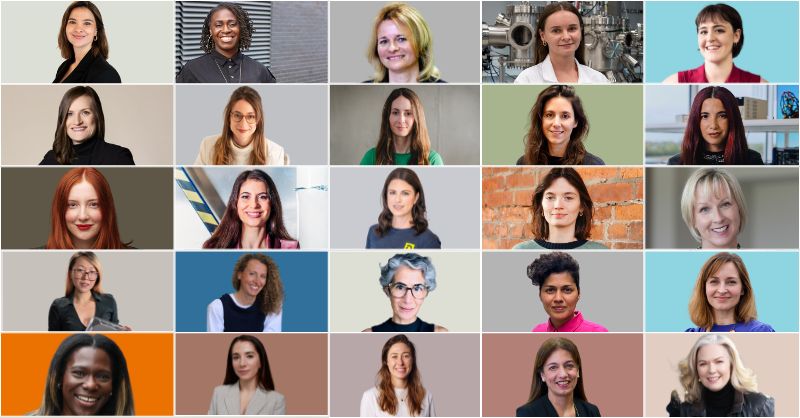
The fervor around deep tech and artificial intelligence has buoyed the venture capital market and is having a welcome effect on female founded-startups: they are raising more money.
Over 1,307 European female-founded startups raised €7.5B in 2025, representing a 19% increase on the year prior, according to the Female Foundry’s Female Innovation Index 2026. Such companies, which include both female-only and mixed gender founding teams, inched higher than broader market rise of 18% for capital raised.
Deeptech took the lion’s share of female-founded raises, at 34%, a slight increase from 2024. Of that, drug discovery accounted for 20%, reflecting Europe’s strength in research and development.
AI is the megatrend that every investor is piling into, however. It represented 25% of the rounds raised by female-founded startups and 22% of all venture capital. Female-founded startups specifically building at the application layer, security, health, robotics and fintech caught investor attention.
Amongst the largest rounds were Synthesia’s $180M round in January, Quantexa’s $175M raise in March, and Dexory’s lure of $165M in October. Einride also inked a $100M deal in October.
The sectorial successes show how teams with scientific or engineering backgrounds are breaking through in traditionally male-dominated fields. Historically, female-founded teams have been associated with consumer tech and sustainability.
They are not just raising more cash at the earliest stages: five European female-founded companies clinched unicorn status in 2025, bringing the total of female-founded unicorns in Europe to 29, the report noted. Meanwhile, RedCloud, Appear, and MEDS went public in 2025.
While mixed-gender teams have made gains in recent years, female-only founded teams remain underrepresented and didn’t earn a breakout mention.
Female-only teams make up 6% of the venture capital market but the amount of cash they raise has stagnated since 2016, per Atomico’s State of Europe Tech Report, which was published in November. These companies are critically underfunded, it said.
To mark International Women’s Day, Tech Funding News is celebrating tech’s female founders, leaders, and rising stars, as well as those who cut cheques.
Here they are, in alphabetical order:
Adèle James, co-founder and CTO at Phagos
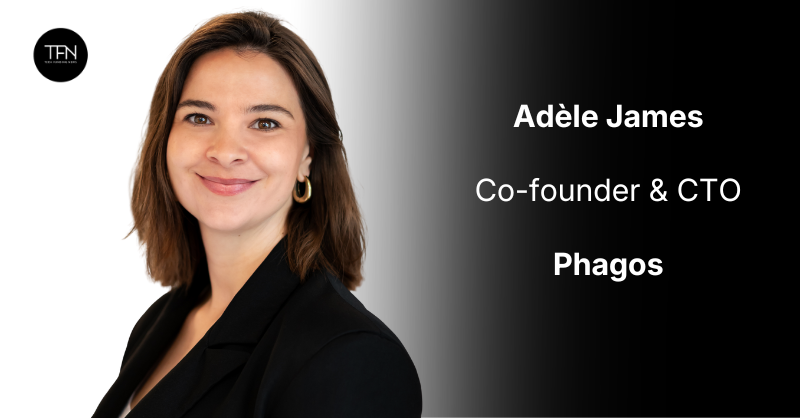
Adèle James is the co-founder and CTO of Phagos, an Entrepreneur First-founded startup working on personalised phage therapy to tackle antibiotic resistance.
A seasoned researcher with a PhD in molecular microbiology, James transitioned to entrepreneurship and founded Phagos in France in 2021. She is dedicated to replacing toxic silos private cliques often found in science with a human-centric, collaborative leadership model — she wants cutting-edge science to be both rigorous and compassionate, which she found wasn’t the case in previous roles.
Ann Fisher, CEO and founder of Women4Tech

A serial entrepreneur, Ann Fisher is passionate about high-growth startups. She has been recognised as a connector, networker and catalyst for the Cambridge technology cluster in particular as the founder of Cambridge Tech Week.
Fisher launched Women4Technology back in 2008, a leadership forum designed to tackle the challenges and inequality faced by senior women in the tech ecosystem, which she scaled across the UK.
Outside of tech, she is a member of the Campaign Board at Cambridge Cancer Research Hospital to assist in raising funds for the new hospital.
Annette Joseph, founder and CEO at Diverse & Equal
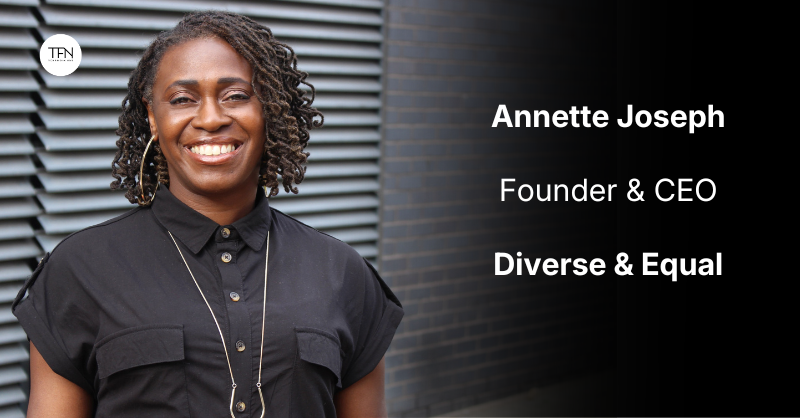
As CEO and Founder of Diverse & Equal, Annette Joseph is on a mission to increase the number of talented Black people and people of colour in the tech industry. She is working with UK BlackTech on a venture builder for women’s health in northern England cities of Leeds and Manchester, which is designed to help innovators get their ideas off the ground and to scale.
Joseph is a self-professed problem solver and Agile Coach; she sees agility as a key driver for diversity and inclusion in the workplace, she previously said.
Anu Adebajo, CEO of Newton Venture Program
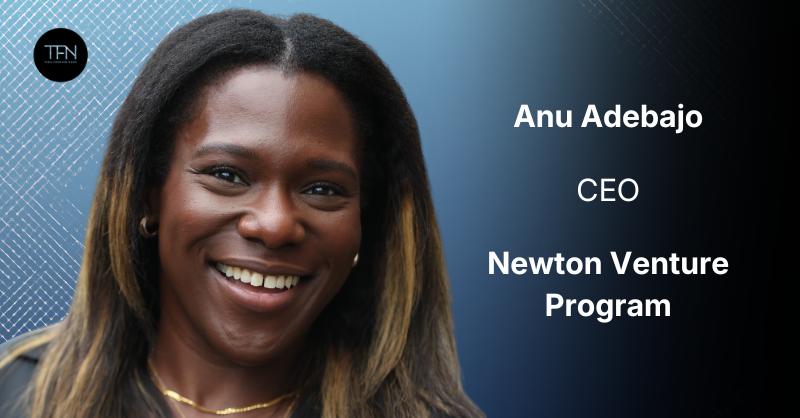
Anu Adebajo is a leading limited partner (LP), having overseen £300M of investment into UK VC funds through roles at the British Business Bank and British Patient Capital. She was previously a partner at venture capital firm Atomico, whose portfolio includes Stripe and Klarna.
Today, Adebajo is the CEO of Newton Venture Program, the UK’s training programme to increase access and advance careers in venture capital. The initiative helps to broaden the venture capital talent pool and make the sector more inclusive and representative.
Carmen Palacios-Berraquero, founder and CEO at Nu Quantum
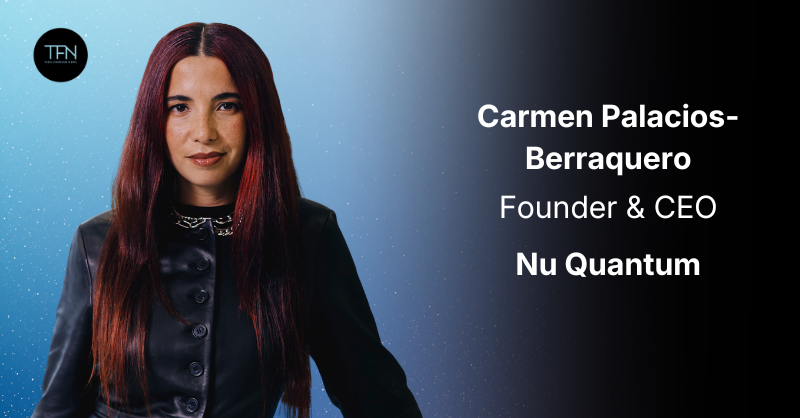
Carmen Palacios-Berraquero is an award-winning quantum physicist and inventor, author of papers and a book based on her doctoral research. Her company, UK-based Nu Quantum, raised a $60 million Series A round in 2025 to build the future of distributed quantum computing through quantum networking.
Palacios-Berraquero is dedicated to leading the industry. She launched the Quantum Data Alliance to foster industry collaboration, is a founding member and director of industry group UKQuantum, and is a member of the Technical Advisory Group to the UK’s National Quantum Computing Centre.
She has also been the leader of several pro-equality and LGBTQIA+ visibility groups, and initiatives in STEM.
Chelsea Williams, co-founder and CTO at Mater-AI
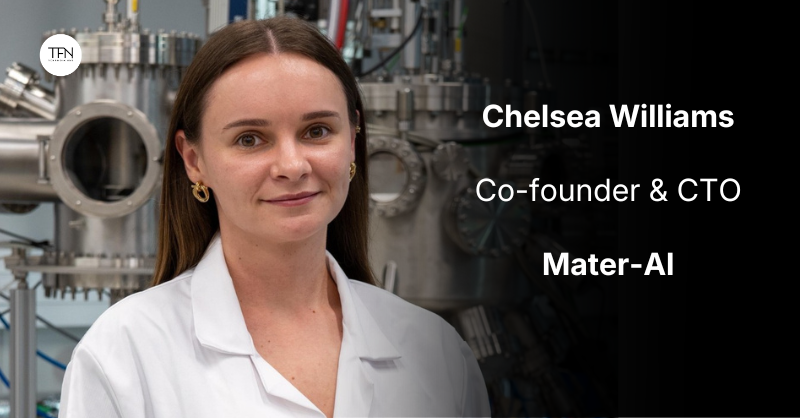
Chelsea Williams, co-founder and CTO of UK-based Mater-AI, is an expert in physics, mathematics and AI with a PhD in quantum computing. She drives Mater-AI’s mission to develop an AI-accelerated and physics-informed materials discovery engine, focused on finding materials that convert heat into electric energy to combat the water heat problem.
Williams grew up on a council estate to teenage parents, she told Tech Funding News, and was eager to follow a different path. This led her to study physics, into investment banking, and then back into academia before joining the startup world.
Being a woman in these traditionally male-dominated deep tech and STEM fields, she is committed to increasing visibility for underrepresented founders.
Chloe Coleman, co-founder and CEO at Vouchsafe
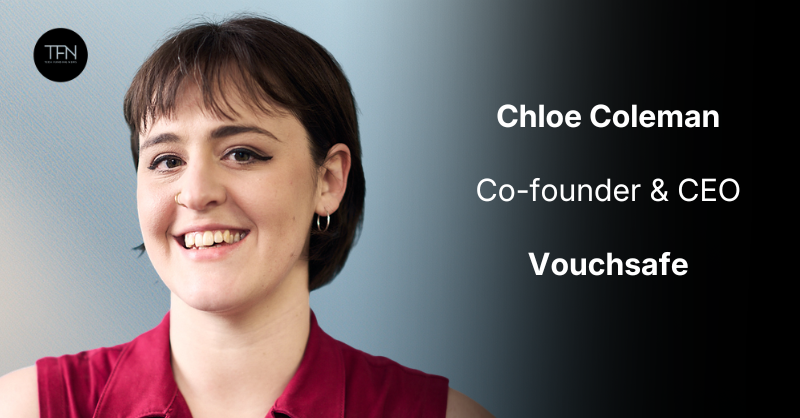
Chloe Coleman an experienced researcher and expert on digital verification. In her previous role as a civil servant, she led research on how best to deliver Universal Credit and worked for TPXImpact delivering technology projects for large public sector clients. This experience brought her to co-found Vouchsafe, a digital ID-ready trust platform, in the UK.
Coleman is also vocal about the challenges that exist in the venture capital industry, particularly for female founders.
Erica Beavers, co-founder of Alpic
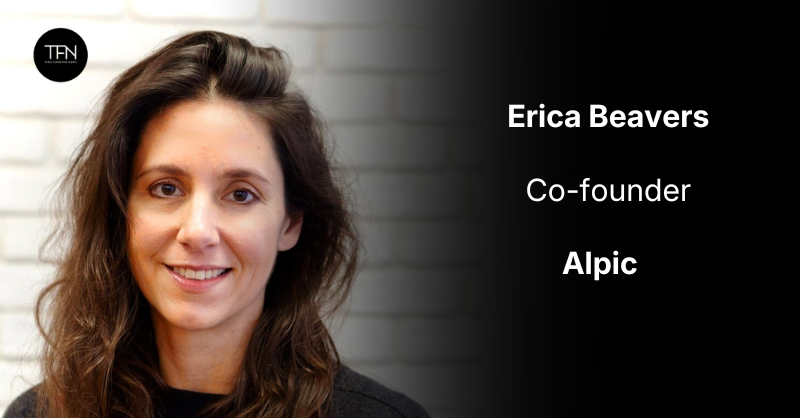
Erica Beavers is the co-founder of Alpic, an AI infrastructure startup helping companies build AI-native interfaces, which is based in Switzerland.
She is vocal about gender equality in entrepreneurship and tech, having seen its disparities since she joined the ecosystem in 2012. Over that time, she has held roles across product, operations, marketing and to-go-market strategy for B2B tech companies.
Beavers combines analytical rigor with creative execution to help businesses adopt AI-first workflows, scale products, and build innovative solutions from the ground up.
She also is a mentor and investor in the tech ecosystem.
Evangeline Atkinson, co-founder and CEO of Noggin HQ
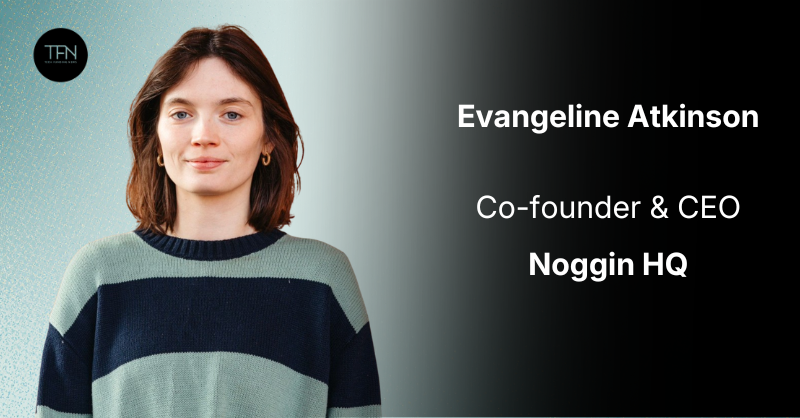
Evangeline Atkinson has experience spanning data engineering, political campaigning, and researching for international human rights cases. Since 2022, she has been focused on building fintech products to enable access to affordable credit for people who were previously denied it. Her company, Noggin HQ, is on a mission to improve access for this excluded group, disproportionately made up of young people, recent immigrants and renters.
Evoléna de Wilde d’Estmael, co-founder and CEO of Faircado
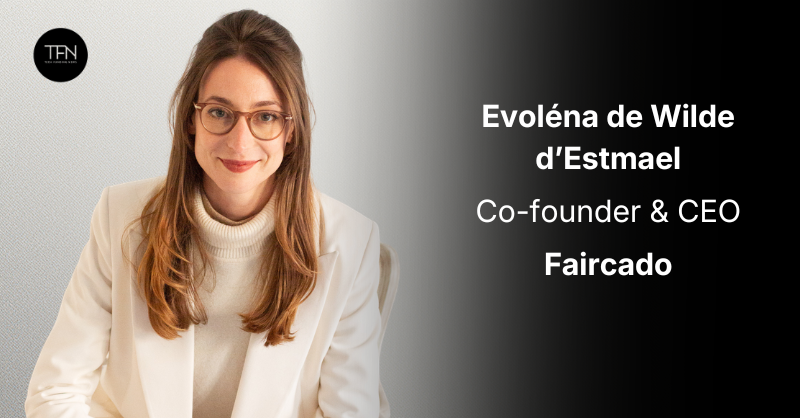
Evoléna de Wilde d’Estmael is a co-founder and CEO of Faircado, a German startup building an AI-driven second-hand shopping assistant to accelerate circular consumption. She is a EU Climate Pact Ambassador and has co-founded Solidartsy, a non-profit tackling gender disparities in the art world.
In all, de Wilde d’Estmael work sits at the nexus of AI, sustainability, and consumer behaviour change. Her thought leadership on circular-economy adoption and her awards in social enterprise underscore her role as a disruptor.
Joanne Hosker, leader of NG Innovation Services, Northern Gritstone
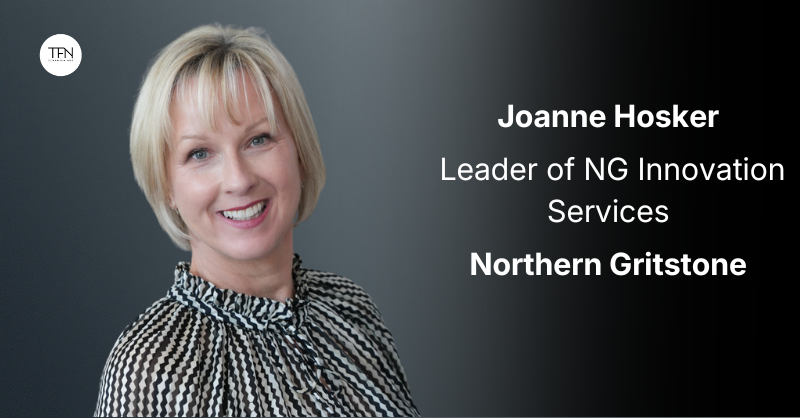
Joanne Hosker heads up NG Innovation Services, Northern Gritstone’s business unit that helps to accelerate the growth of IP-rich early-stage science and technology companies. Northern Gritstone was set up to fund university spinouts from universities in the North of England.
Working at the intersection of research, capital and people, Hosker advises and connects academic founders, universities, investment colleagues and partners. She is passionate about building an interconnected ecosystem across northern hubs, and helping companies with northern roots scale internationally.
Lia Li, founder and CEO of Zero Point Motion
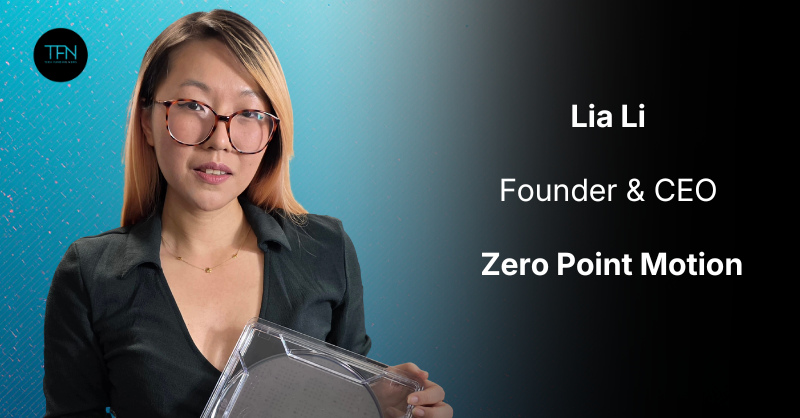
Lia Li is the founder and CEO of Zero Point Motion, which is developing chip-scale sensors for advanced navigation. She holds a PhD from University College London and gained experience at Imperial College London and BAE Systems, consistently pushing the boundaries of precision sensing.
Li has four patents, three pending, and has won major awards including the Institute of Physics Clifford Paterson Medal (2021), the Innovate UK Women in Innovation Award (2022), and Sensors Converge Woman of the Year (2023), positioning herself as trailblazer in the UK semiconductor industry.
Lilian Schwich, CEO and co-founder of Cylib
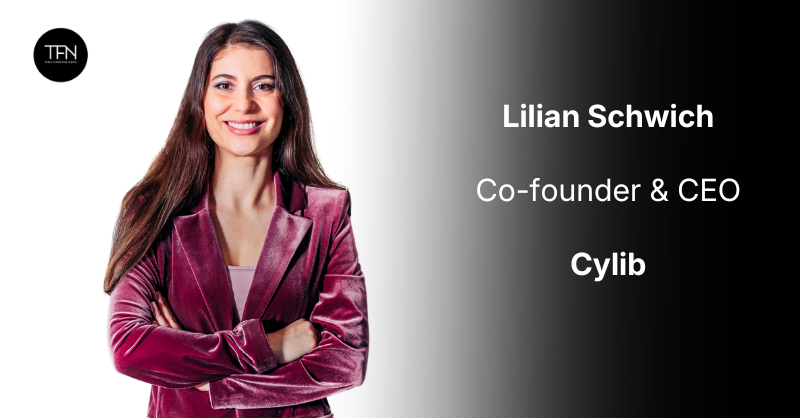
Lilian Schwich is CEO and co-founder of Cylib, a deep tech startup developing lithium-ion battery recycling technologies, built on her doctoral research in battery recycling and materials engineering at RWTH Aachen University.
Schwich’s career spans advanced engineering research, deep tech commercialisation, and industrial innovation. As a woman leading a hardware-focused climate tech startup — a field still heavily male-dominated — she brings critical diversity to climate tech leadership.
Lisa Haycox, CEO of Explore Learning
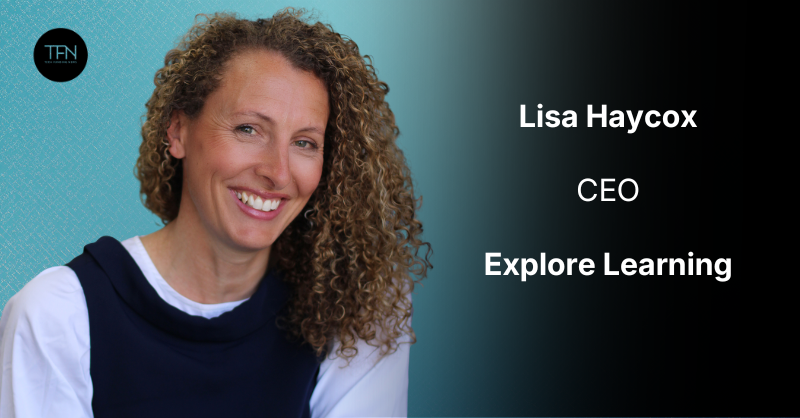
Lisa Haycox is the CEO of tutor platform UK company Explore Learning, which targets school-aged learners and is designed to raise attainment and increase long-term impact.
She joined the company back in 2002 as a tutor and worked her way up, earning the chief operating officer title before moving to CEO. Haycox is committed to shaping the future of education by providing high-quality, personalised tuition that will better shape how children learn and how families understand progress.
Lourdes Agapito, co-founder of Synthesia and University College London professor
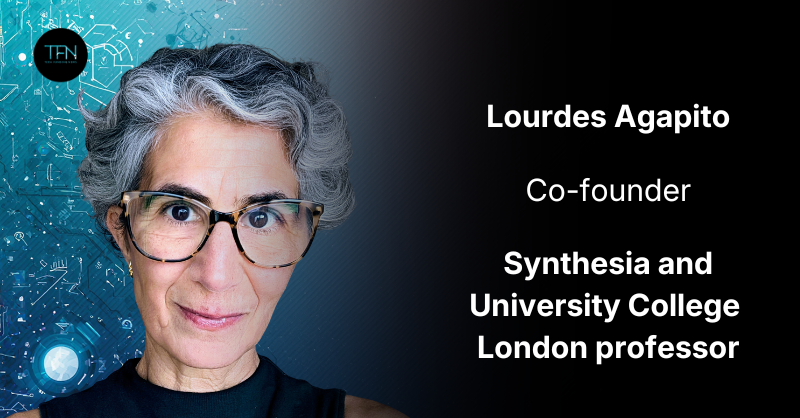
Lourdes Agapito is the co-founder of UK company Synthesia, which was last valued at $4 billion, and a professor of computer science at University College London. Prior, she held roles at a range of top universities including University of Oxford and Queen Mary University of London.
Her research in computer vision has made her a top expert in the field, and she regularly serves as the chair for renowned academic conferences.
Manjul Rathee, co-founder and CEO at BFB Labs
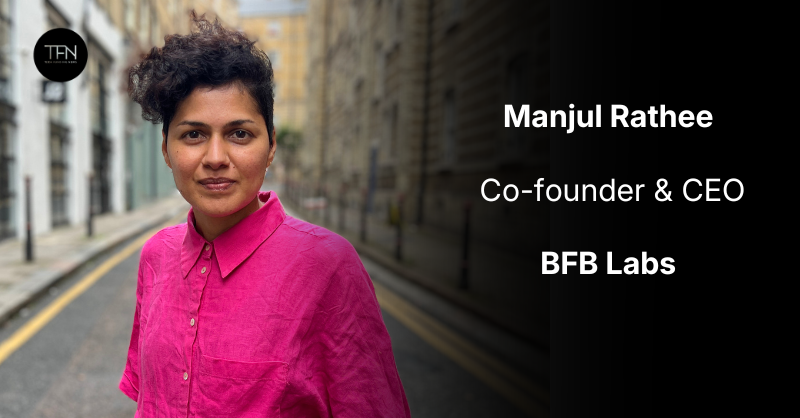
Manjul Rathee has a background in building impact businesses, including a child-led campaign to tackle avoidable blindness. Today, she leads the UK’s BFB Labs, a social enterprise she co-founded to create NHS-backed digital support for children’s mental health.
BFB Labs’ “hero” intervention, which is called Lumi Nova, has been used by 15,000+ children across the UK and has particularly strong outcomes amongst children from ethnic minority communities and children with special education needs and disabilities.
BFB Labs’ leadership team is ethnic minority led.
Melanie Hayes, managing partner at Bethnal Green Ventures
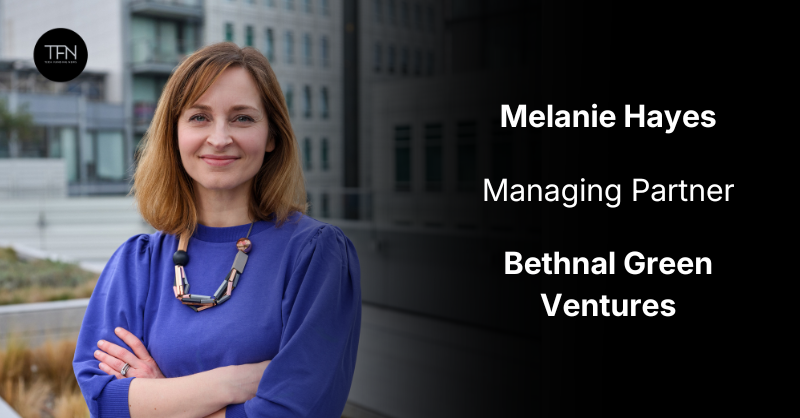
Melanie Hayes is a managing partner at Bethnal Green Ventures, an early-stage tech-for-good venture capital firm, making her one of few women at that level in the UK tech ecosystem.
With over 18 years of early-stage investment, M&A and corporate venture experience, she is known for her skills in negotiation and problem solving. Hayes is her team’s go-to for all financial and operations questions as well as more difficult elements of startup life.
She’s laser focused on integrity and equity, further evident through her work as a scout for climate and gender-focused non-profit FiveThirteen.
Morgan Sheil, head of impact at World Fund

Morgan Sheil’s role at the intersection of climate strategy, technical impact evaluation, and investment distinguishes her in VC. Prior to joining World Fund, Sheil worked at Energy Impact Partners and KKR on sustainable investing, portfolio value creation, and technical and impact diligence.
She began her career as an engineer at ExxonMobil and has worked on developing and authoring industry-wide impact methodologies and frameworks with Project Frame and the Venture Climate Alliance. With experience across corporate, consulting, and investment environments, she brings technical rigour and strategic insight to climate impact measurement.
Nadine Geiser, principal at World Fund
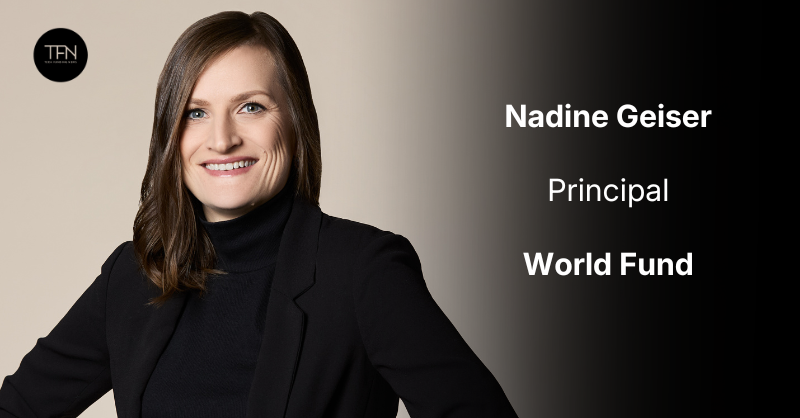
Nadine Geiser is principal at World Fund who has emerged as a key player in the climate venture ecosystem. She has biotechnology PhD from ETH Zurich and prior investment experience at Redalpine and others, equipping her with scientific training and investment insight to back breakthrough tech that can reduce emissions and bolster resilience.
Her profile bridges biotechnology research and venture capital, a combination that enriches climate tech investment decisions with deep domain understanding. Geiser’s international education and cross-sector experience bring a multifaceted lens to climate tech investing.
Oana Jinga, co-founder and chief commercial officer at Dexory
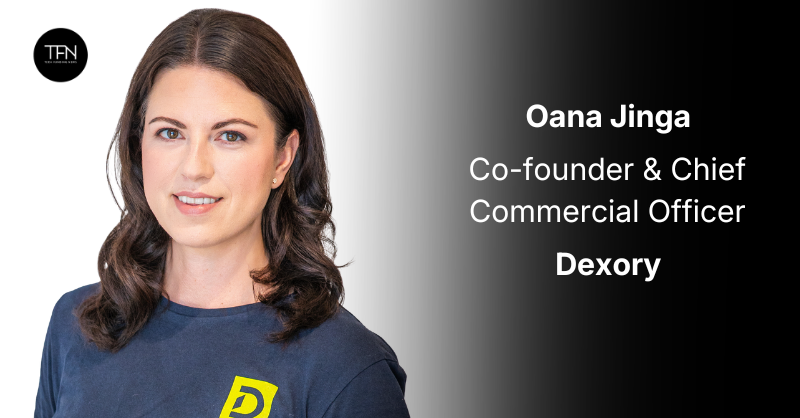
Oana Jinga, who previously managed European partnerships at Google, has had a career spanning telecommunications, product leadership, and scaling deep-tech ventures. It culminated in co-founding Dexory, a British autonomous robotics and AI startup for warehouses, which is built on digital twin technology.
Jinga’s role involves translating complex robotics and AI into commercially scalable solutions that transform physical industries. She is a Romanian founder in industrial automation, bringing both cultural and sector diversity, and is committed to democratising AI beyond traditional tech hubs, she told Tech Funding News.
Sara Marquart, co-founder and chief technology officer at Planet A Foods
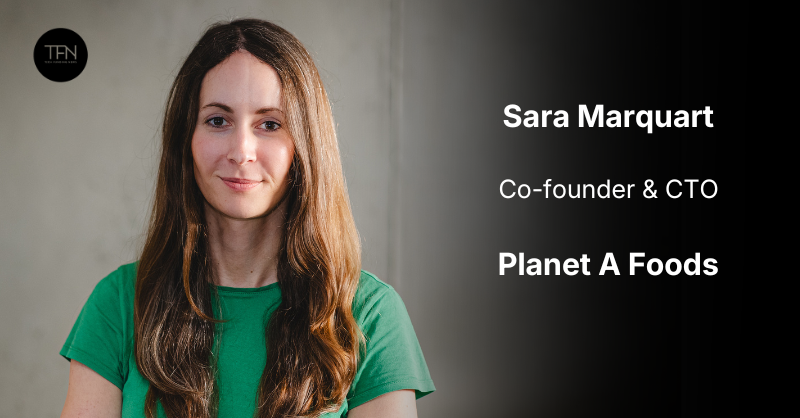
Sara Marquart is a co-founder and chief technology officer of Planet A Foods, a German food-tech startup developing cocoa-free “chocolate” alternatives to tackle traditional supply chain risks and costs.
With a PhD in food science, Marquart brings a rare mix of scientific research, industrial fermentation expertise, and entrepreneurial leadership to the industry. Her work blends flavour science with environmental impact, highlighting how traditionally academic skill sets can drive commercial climate tech solutions.
Shirin Krall, founder and CEO of Marbl
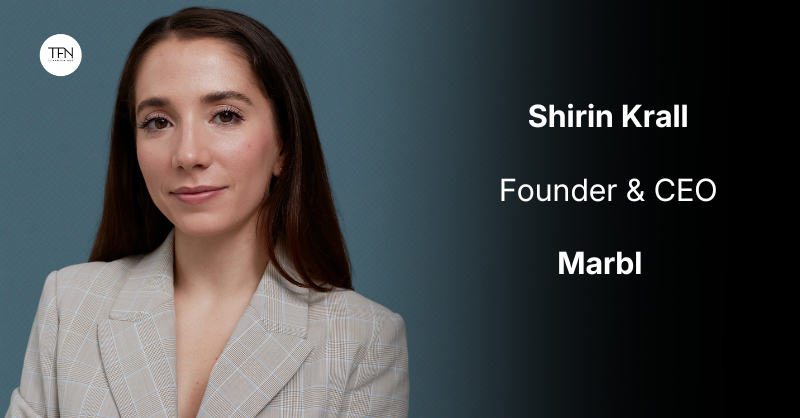
Shirin Krall is the founder of Marbl, an AI-driven marketplace designed to improve safety and transparency in medical aesthetics. Previously, she helped scale Revolut from 10 to 30 million users and had her start at McKinsey.
With experience across consulting, fintech, and healthcare, Krall brings intersectional and international perspective to her work. It echoes her personal life too, as the daughter of a Turkish mother and German father who straddled the two cultures. That early experience shaped how she thinks about systems, belonging and opportunity, she told Tech Funding News.
Krall built career across the US and UK as an immigrant and queer woman, frequently one of the only women in senior leadership roles. That perspective also informs how she leads and thanks about trust and access, she added. Marbl is based in the UK.
Sophie Winwood, CEO and co-founder of Unlock VC
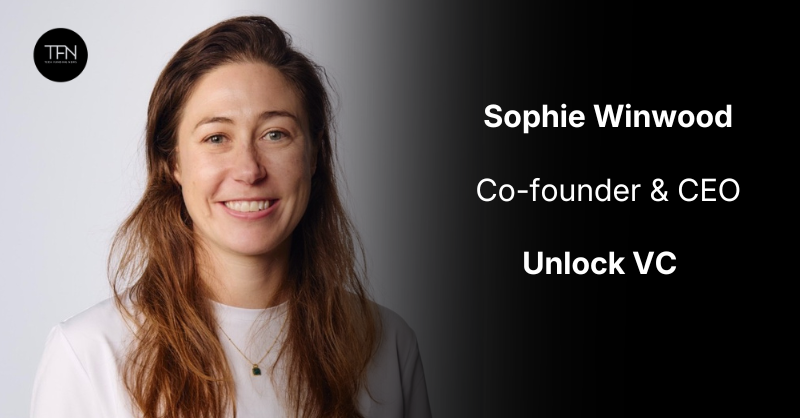
Sophie Winwood is focused on increasing diversity in Europe’s venture capital funding ecosystem. After seven years investing in early-stage fintech, she co-founded Unlock VC, which is based in the UK, now the leading platform for women in European ventures with a 1,200-strong community.
Her work has helped more women reach partner level, supported the creation of women-led funds, and influenced institutional policy. Bridging finance, research, and ecosystem-building, Winwood is reshaping who controls capital and expanding opportunity across the innovation economy.
Tanya Suárez, founder and CEO of IoT Tribe
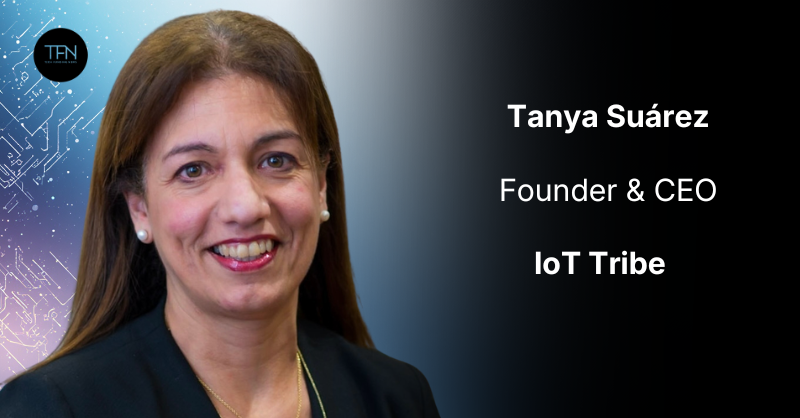
Tanya Suárez is the founder and CEO of IoT Tribe, a UK-based equity-free deeptech accelerator with programmes including space and defense tech. Suárez also leads BluSpecs, an advisory firm that covers the intersection of advanced technology development, business and policy.
She is dedicated to championing the industry and does this through various board seats, including the Quantum Industry Consortium and Trinity College Dublin’s Business School. Suárez has also been a jury member for the European Innovation Council (EIC) and is now a jury member for STEP scale up, a new initiative co-investing in strategic technology scaleups.
Zoe Peden, partner at Ananda Impact Ventures
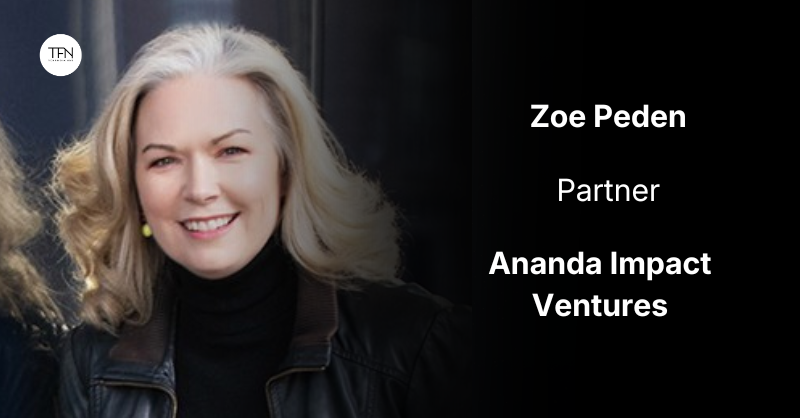
Zoe Peden has over 25 years under her belt as an experienced and VC-backed tech entrepreneur and now partner at Ananda Impact Ventures, which is based in Germany. She was always driven by impact; as a young teen, she imagined life on Wall Street as a means to make money to help solve social inequality.
Today, Peden doesn’t shy away from speaking about the disparities of social mobility in the VC and tech industry. She co-runs a community called FutureWorld VC, which aims to help female investors to build their social capital and connections to aid them becoming partners.
This article is part of our editorial partnership with World Fund, Female Foundry and Dealroom.