
 The Ramsey Show
Moneywise and Yahoo Finance LLC may earn commission or revenue through links in the content below.
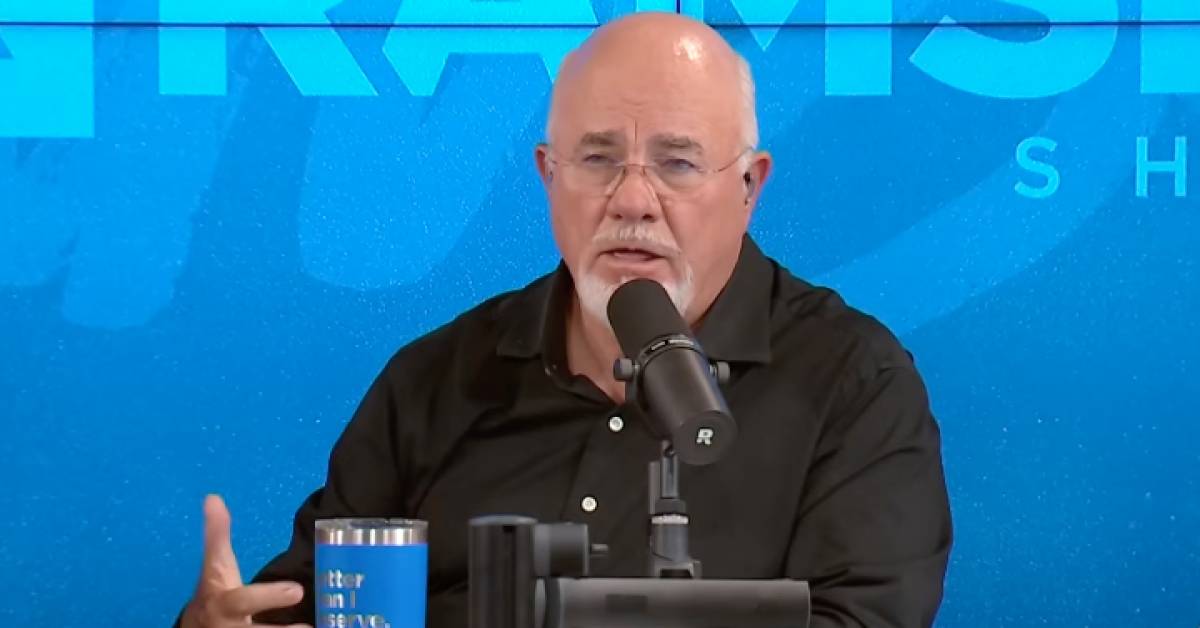
When 23-year-old Jackson from New York called into The Ramsey Show, he wasn’t asking how to spend his inheritance — he was asking what not to do with it.
A few months earlier, he and his brothers had sold their parents’ home, leaving him with about $450,000. He had no debt, had just graduated from college, earned about $75,000 a year and was renting with his brother while planning a future move from Long Island to New York City.
Yet instead of feeling empowered, he felt stuck.
“I’m just wondering what to do with it,” Jackson told host Dave Ramsey and cohost Ken Coleman (1). “I have all of that money … just sitting in a CD right now.”
It’s an understandable reaction. Sudden wealth — especially at a young age — can create decision paralysis.
Large inheritances at a young age are both rare and risky. Without experience managing six-figure sums, many people either spend recklessly or worry about making the “wrong” move, resulting in no move at all.
Parking the money in a certificate of deposit allowed Jackson to avoid impulsive purchases, and was something Ramsey praised as preventing him from doing “something stupid with it.”
He even said Jackson was “wise beyond his years” for not tapping that $450,000.
But Ramsey also warned that letting the money sit too long comes with its own price. Freezing can be just as damaging as rushing, especially when inflation and missed investment years are at play.
Inflation erodes purchasing power, and time — especially starting in your early 20s — is one of the most powerful drivers of long-term wealth.
Ramsey pointed out that if the inheritance were invested at long-term market rates, “it would double in about seven years.” He contrasted that with the low yield of a CD, saying the money “should have made five times as much” if invested instead.
This matters because young adults don’t just have money working for them; they have time working for them. According to the latest Federal Reserve data, the median net worth of Americans under 35 is just $39,000, compared with more than $364,000 for those aged 55 to 64 (2).
So, a $450,000 inheritance at 23 is a massive head start, but only if it can grow.
Read More: I’m almost 50 years old and don’t have retirement savings. Is it too late to catch up?
Read More: Non-millionaires can now invest in this $1B private real estate fund starting at just $10
One temptation Ramsey shut down quickly was using the inheritance to buy property in New York City. Even with $450,000, the math doesn’t work. “450 will not buy anything in the city,” he said. “Not paid for.”
Without the income to comfortably support a mortgage, Ramsey argued, tying the inheritance up in a home would add pressure rather than freedom. The same logic applies to lifestyle upgrades or helping others too aggressively, too soon.
Instead, Ramsey emphasized discipline and simplicity to get “the most lift,” and separating current income from inherited wealth.
“Leave it alone. Pretend like you don’t have it and just live off your income,” he advised.
That approach aligns with guidance from the Certified Financial Planner Board of Standards (3), which warns that people who receive sudden wealth can underestimate how quickly it can disappear without structure, guardrails and professional guidance.
But while buying a home in Manhattan is off the table for Jackson right now, that doesn’t mean he should steer clear of real estate entirely.
Investing in real estate can be a smart money move, providing a steady source of passive income. And with crowdfunding platforms, savvy investors can diversify into real estate without sinking all their capital — inherited or otherwise — into a hefty down payment and mortgage.
Consider Arrived, a real estate platform that lets you buy stakes in single-family rental properties, earn any dividends and skip the responsibilities of property management.
Backed by world-class investors like Jeff Bezos, Arrived’s easy-to-use platform offers SEC-qualified investments such as rental homes and vacation rentals for as little as $100.
Their flexible investment options allow both accredited and non-accredited investors to benefit from this inflation-hedging asset class with ease. You can start by browsing vetted properties, then simply select a property and choose the number of shares to buy.
And, for a limited time, when you open an account and add $1,000 or more, Arrived will credit your account with a 1% match.
Multifamily and industrial rentals offer another excellent entry point into real estate investing, especially considering the strong outlook for these asset classes in 2026 (4).
If diversifying into multifamily and industrial rentals appeals to you, you could consider investing with Lightstone DIRECT, a new investing platform from the Lightstone Group, one of the largest private real estate companies in the country with over 25,000 multifamily units in its portfolio.
Since they eliminate intermediaries — brokers and crowdfunding middlemen — accredited investors with a minimum investment of $100,000 can gain direct access to institutional-quality multifamily opportunities. This streamlined model can help reduce fees while enhancing transparency and control.
And with Lightstone DIRECT, you invest in single-asset multifamily deals alongside Lightstone — a true partner — as Lightstone puts at least 20% of its own capital into every offering. All of Lightstone’s investment opportunities undergo a rigorous, multistage review before being approved by Lightstone’s Principals, including Founder David Lichtenstein.
How it works is simple: Just sign up with your email, and you can schedule a call with a capital formation expert to assess your investment opportunities. From here, all you have to do is verify your details to begin investing.
Founded in 1986, Lightstone has a proven track record of delivering strong risk-adjusted returns across market cycles with a 27.6% historical net IRR and 2.54x historical net equity multiple on realized investments since 2004. All told, Lightstone has $12 billion in assets under management — including in industrial and commercial real estate.
As such, even if multifamily rentals don’t appeal to you, Lightstone could still serve you well as an investment vehicle for other real estate verticals.
Get started today with Lightstone DIRECT and invest alongside experienced professionals with skin in the game.
However, Ramsey’s core recommendation for Jackson wasn’t about picking stocks or timing the market. It was about education and behavior.
First, he urged the 23-year-old to meet with a vetted financial professional for guidance on putting his nest egg to work.
But since hiring an advisor can be a lifelong commitment, finding a reliable one is crucial.
That’s where Advisor.com can come in. The platform connects you with an expert near you for free.
Advisor.com does the heavy lifting for you, vetting advisors based on track record, client ratios and regulatory background. Plus, their network comprises fiduciaries, who are legally required to act in your best interests.
Just enter a few details about your finances and goals, and Advisor.com’s AI-powered matching tool will connect you with a qualified expert suited for your needs based on your unique financial goals and preferences.
Finding the right advisor isn’t always easy — there’s no one-size-fits-all solution. That’s why Advisor.com also lets you set up a free initial consultation with no obligation to hire to see if they’re the right fit for you.
Although Ramsey recommended working with an advisor to learn about investing, he cautioned against choosing investments solely based on the advice of others — including that of Ramsey himself.
Instead, the financial guru said to invest in something “because you start to understand it.”
After all, behavioral finance research shows that good investor habits — not market returns — are one of the biggest drivers of long-term outcomes (5). Having a plan, understanding risk and avoiding emotional decisions often matter more than chasing high returns.
It would be easy to frame $450,000 as life-changing money. But Ramsey and cohost Coleman were adamant about the importance of staying disciplined and remaining focused on the end point.
In other words, a windfall is not a guarantee.
“This is a massive head start for you,” Coleman said, adding that Jackson should “just leave it alone” after it’s invested. Ramsey echoed that advice, insisting that the young man keep his “hands off of it.”
IRS rules reinforce that point. While inherited assets can receive favorable tax treatment, including stepped-up cost basis in some cases, gains are still taxable once investments are sold, and missteps can create avoidable tax bills (6).
In other words, inheritance creates opportunity, not immunity from financial mistakes.
Join 250,000+ readers and get Moneywise’s best stories and exclusive interviews first — clear insights curated and delivered weekly. Subscribe now.
We rely only on vetted sources and credible third-party reporting. For details, see our editorial ethics and guidelines.
The Ramsey Show Highlights (1); The Federal Reserve (2); CFP Board of Standards (3); J.P. Morgan (4); CFA Institute (5); IRS (6)
This article provides information only and should not be construed as advice. It is provided without warranty of any kind.