
Key Takeaways
Meteor showers are best viewed in dark, clear skies away from bright lights.There are four key meteor showers to keep an eye out for in 2026.The Geminids may be the most impressive, with up to 120 meteors/hour.
Call us nerds if you must, but we love taking a gander at the night sky any chance we can get—especially when there’s an opportunity to see something out of the ordinary. We’ll never forget the experience of seeing the total solar eclipse in 2024, and this week’s blood moon lunar eclipse was also truly a sight to behold.
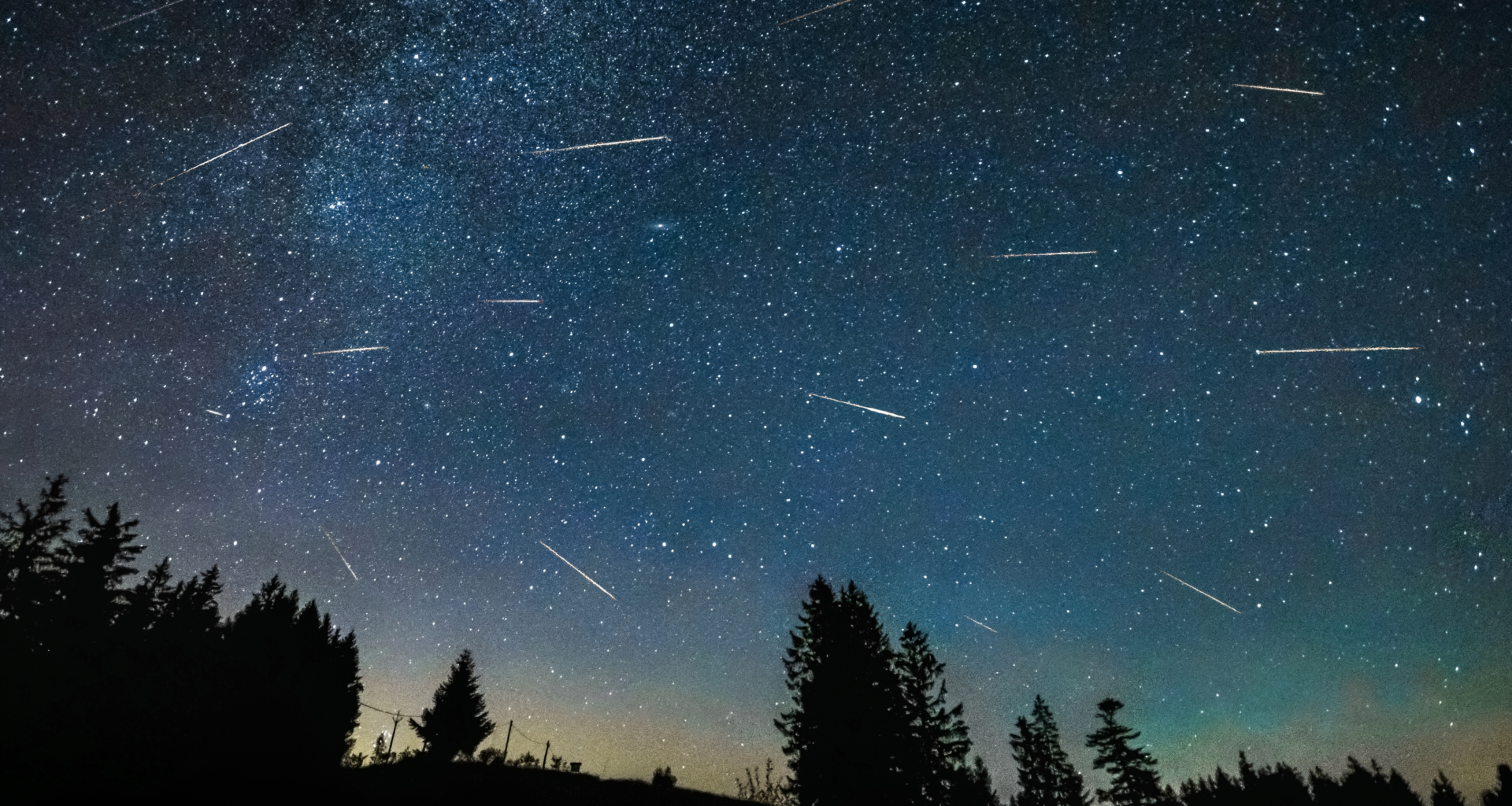
When it comes to astronomical events to add to your calendar, meteor showers—when Earth passes through a trail of debris left behind by a comet or asteroid and produces remarkable “shooting stars”—are near the top of the list. Although meteor showers aren’t necessarily rare occurrences, they don’t come as often as we’d like, so we’re highlighting the significant upcoming showers for your stargazing pleasure.
How to See Meteor Showers
You don’t need a telescope or binoculars to see a meteor shower, but you will need to do some planning and patience to get the best view of them. Before heading out to meteor gaze, be sure to check the forecast for cloudy weather, as this and the moon are the two biggest factors that could get in the way of an impressive celestial show.
You’ll also want to get away from bright lights and be sure to give your eyes at least a half hour to adjust to the night sky, which means no looking at your phone. You’ll want to be somewhere where you can see as much of the sky as possible, because meteors can appear anywhere, so it’s a good excuse to lie on your back and look up.
1. The Lyrids (April 22)
The Lyrid meteor shower will take place between April 15 and April 29, but will peak after midnight and before dawn on April 22, according to EarthSky. Under ideal conditions, you can expect to see between 10 and 15 meteors per hour, though sometimes the Lyrids surge to up to 100 meteors per hour.
2. The Eta Aquariids (May 5)
This meteor shower will be most impressive in the Southern Hemisphere, according to the Old Farmer’s Almanac. Though the shower takes place from April 15 until May 27, meteor activity will peak early in the morning of May 5 and can produce up to 60 meters per hour. Because the moon will be nearly full, the Eta Aquariids will be trickier to see this year.
3. The Perseids (Aug. 13)
The Perseids are the A-listers of the meteor shower world, at least when it comes to the Northern Hemisphere. The shower takes place from July 14 until Sept. 1, and will peak in the early morning hours of Aug. 13. You could see as many as 90 meteors per hour, and this year’s Perseids should be impressive as they’re peaking under a new moon, EarthSky notes.
4. The Geminids (Dec. 14)
This meteor shower tends to be one of the most impressive of the year in the Northern Hemisphere. This year, the Geminids will take place from Dec. 1 until Dec. 21, peaking early in the morning of Dec. 14. Under the best conditions, this shower can produce up to 120 meteors per hour. The peak falls near a first-quarter moon this year, which bodes well for another bright, impressive shower this year, per the Old Farmer’s Almanac.