
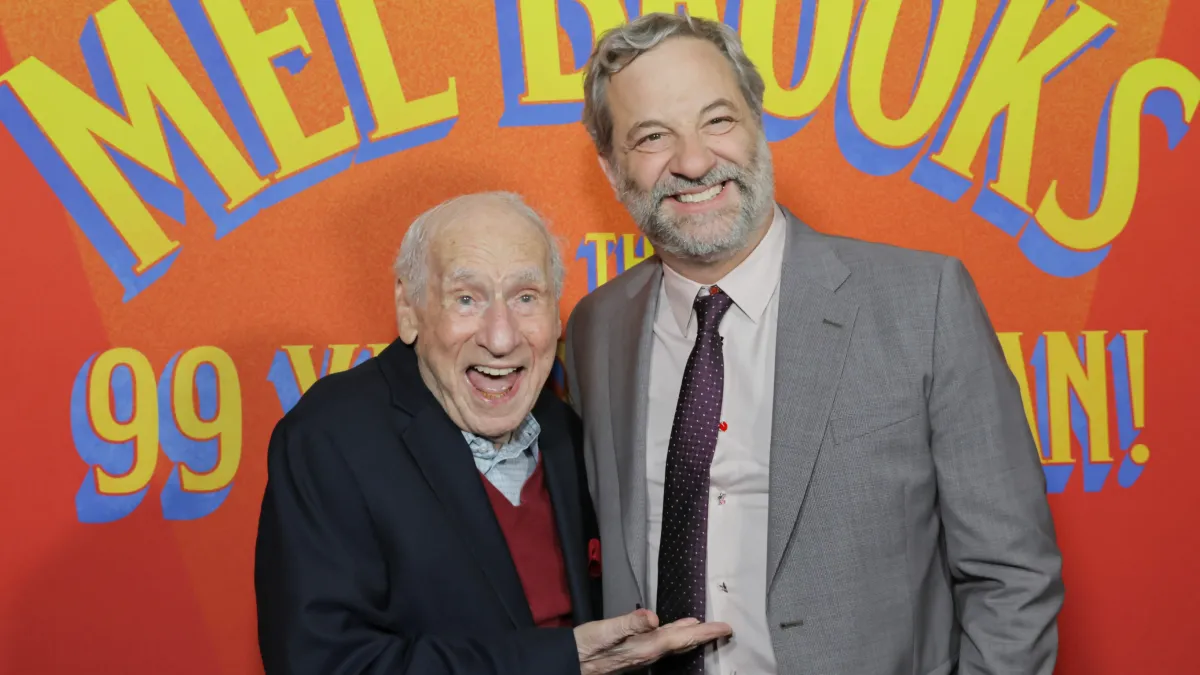
Judd Apatow is arguably the king of 21st-century comedy — an American whose films as writer, director and producer have taken almost $3 billion at the box office. He has a formula — broad and brash yet also rather tender, giving fans many of the biggest comedies of the past two decades: The 40-Year-Old Virgin, Knocked Up, Superbad, Bridesmaids and This Is 40.
“For me, comedy is everything,” he says. “I loved angry comedy as a kid. I must have been upset at school or when my parents got divorced, so I loved comedians who talked about how all systems are bullshit. It helped me to know those people were out there, so I don’t think there is any subject too difficult to be funny about. That’s been proven again and again and it is important to speak truth to power, about the dangers of authoritarianism. Comedians often say what others are hesitant to.”
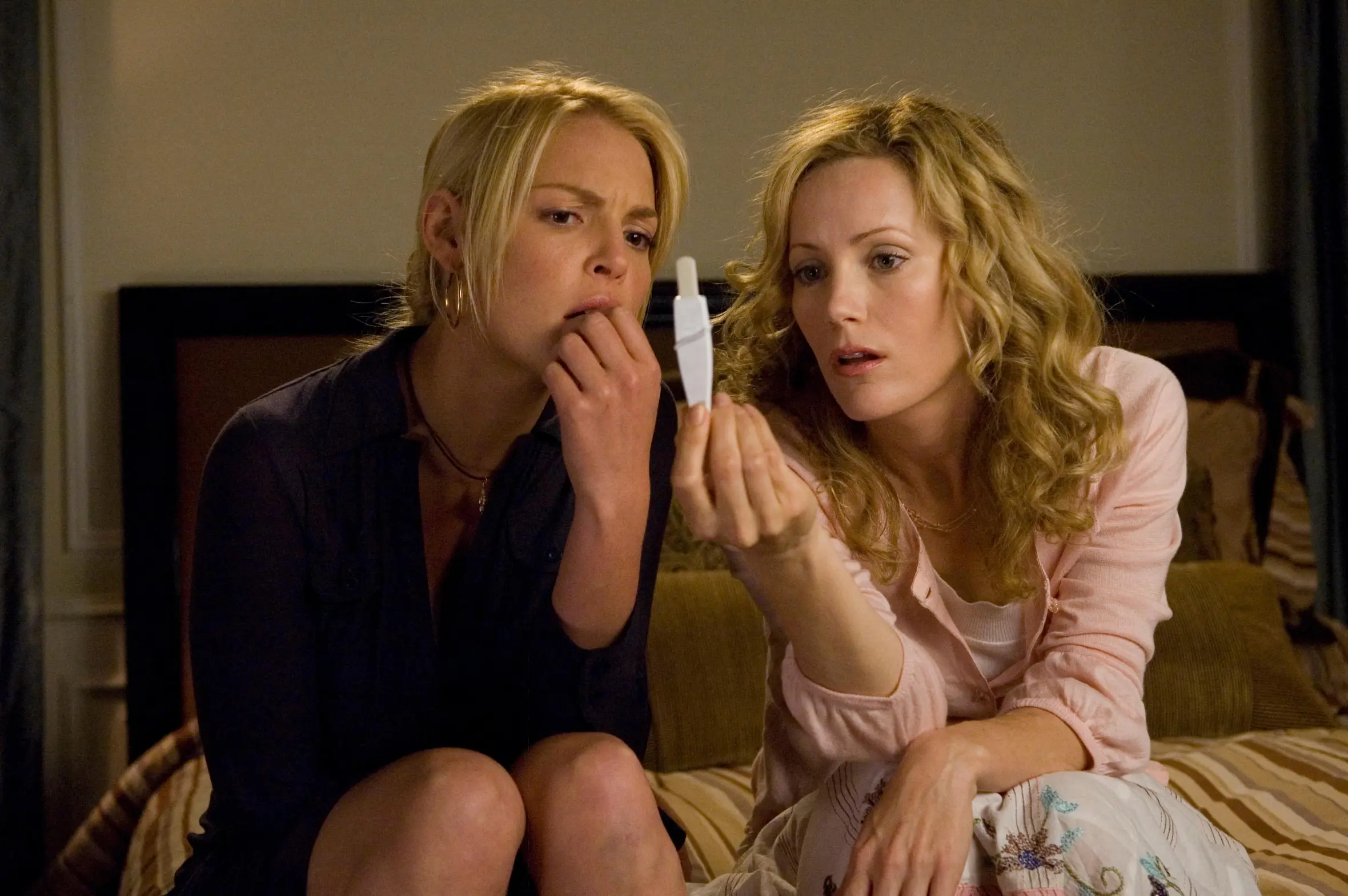 Katherine Heigl and Leslie Mann in Knocked Up, written, produced and directed by Judd ApatowAlamy
He has had an unparalleled run — even taking in political comedy, writing jokes for Barack Obama, and bringing satire into his stand-up shows. But something is bothering him, a sort of existential crisis that is leading him to question where, with everything that is going on in the world, we can find anything to laugh about.
“It’s much harder to do comedy right now,” he says, speaking to me last Sunday, as President Trump fired missiles at Iran. “If you look at what’s happening in the world, it’s stranger than Dr Strangelove. Characters in our country are more ridiculous than characters in Kubrick’s film, so what can comedy do? The Trump administration is hard to be exaggerated in a sketch, so it’s a difficult moment for political comedy.”
Essentially the parody is already happening. If you wanted to skewer the overreach of ICE, you could do a skit with those in charge wearing uniforms suitable for cosplaying Nazis, only for real-life chiefs in Minneapolis like Gregory Bovino to do just that.
“It’s very difficult and so cruel that there’s not a lot of humour in it,” Apatow agrees. “Indeed, sometimes I think things have become so serious that, maybe, it’s a moment for us not to joke about it and to instead have a bit more energy to fight for our values. It is important people have an outlet and an expression, but it doesn’t mean anything without action. And it’s certainly the time for that.”
Which leads us to Mel Brooks — a titan who lampooned racism, the Spanish Inquisition, antisemitism, Nazis and Hitler in a career that started in the late 1940s. From TV shows to Blazing Saddles and The Producers and an in-the-works sequel to Spaceballs, he is the subject of Apatow’s near four-hour epic documentary Mel Brooks: The 99 Year Old Man!. Split into two parts, it is a remarkably enthralling and moving deep dive, with a title that riffs on Brooks’s 2,000 Year Old Man sketch. Thanks to hours of conversation between Brooks and Apatow, plus clips, it paints the not exactly under-interviewed Brooks in more detail and nuance than ever.
“Mel feels like those are the subjects that you have to go after,” Apatow says of the need for comedy to keep on punching, but politics is not the reason for the documentary. “The point was to speak to him in a more serious way about his life. He’s been hilarious in interviews for 50 years — it was always said that he was the funniest man in the world, and every time I saw him anywhere, he seemed to prove it. But what I wanted to know was what it all felt like to live through.”
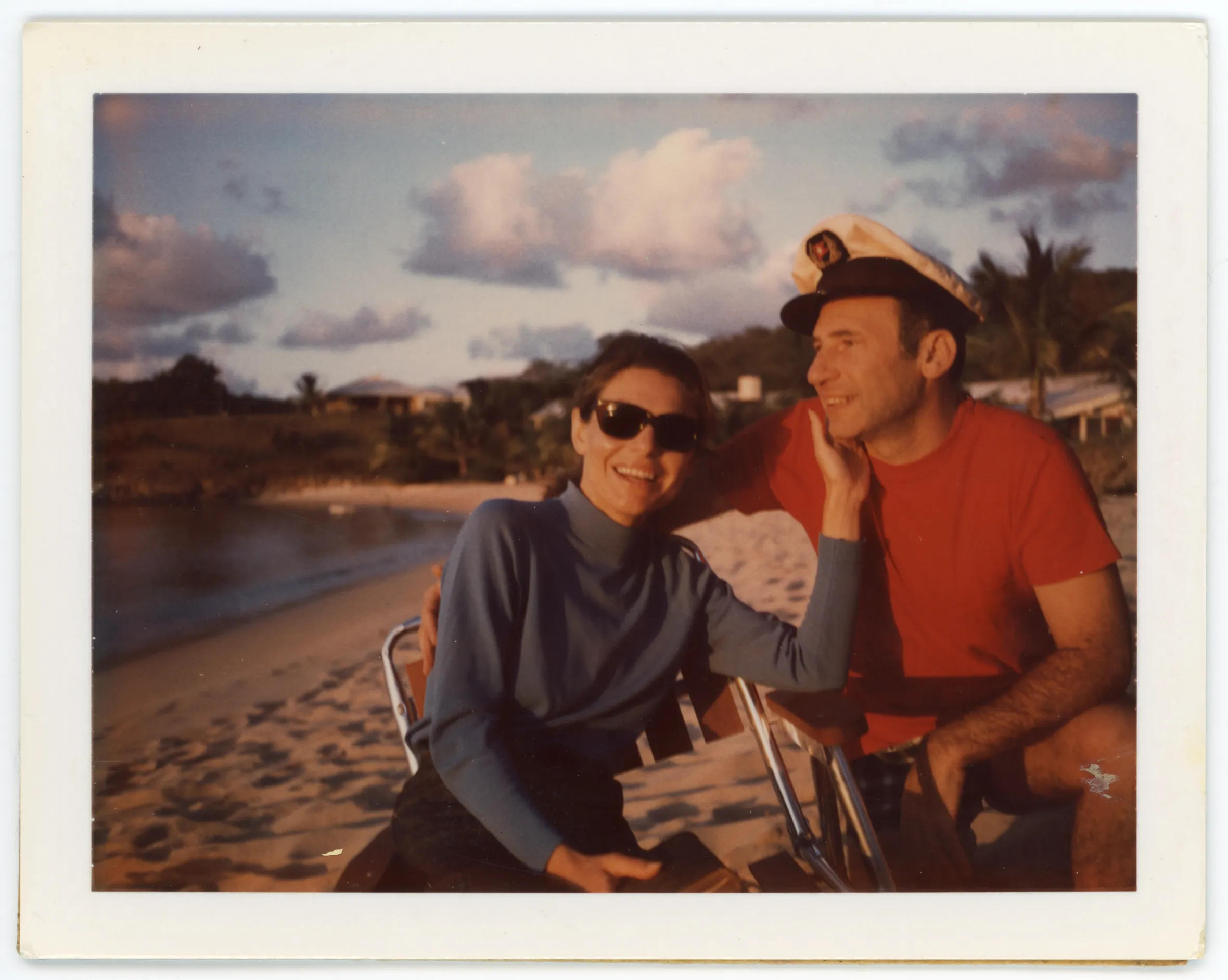 A younger Mel Brooks with his wife, Anne Bancroft
Brooks turns 100 in June. His beloved wife, Anne Bancroft, died in 2005 and his partner and best friend, Carl Reiner, in 2020. For added poignancy, Apatow’s documentary contains perhaps the last interview with Reiner’s son, the director Rob, before he was murdered last year. In it, Rob explains how, after his father died, Brooks would still pop over to the house for months to, in a way, stay close to his friend.
Yet Brooks keeps on going. “It is remarkable how sharp he is,” Apatow says. “He’s not even reaching for names from people from the 1940s. I reverse my kids’ names all the time, but he has tremendous recall. Still, I couldn’t get him to tell me how he takes care of himself. When I asked for his morning schedule, he just went into a skit, basically asking himself questions every morning to make sure that he doesn’t have dementia. He just sat there and invented a routine.”
Brooks claims he gave “little, short, funny-looking Jews who are trepidatious about entering showbusiness” a boost. At one point in the documentary, Adam Sandler says Brooks’s marriage to the beautiful Bancroft “opened the door for all of us”, pointing at Apatow and saying: “Especially you.” Apatow is married to the actress and his frequent collaborator Leslie Mann and they have two daughters.
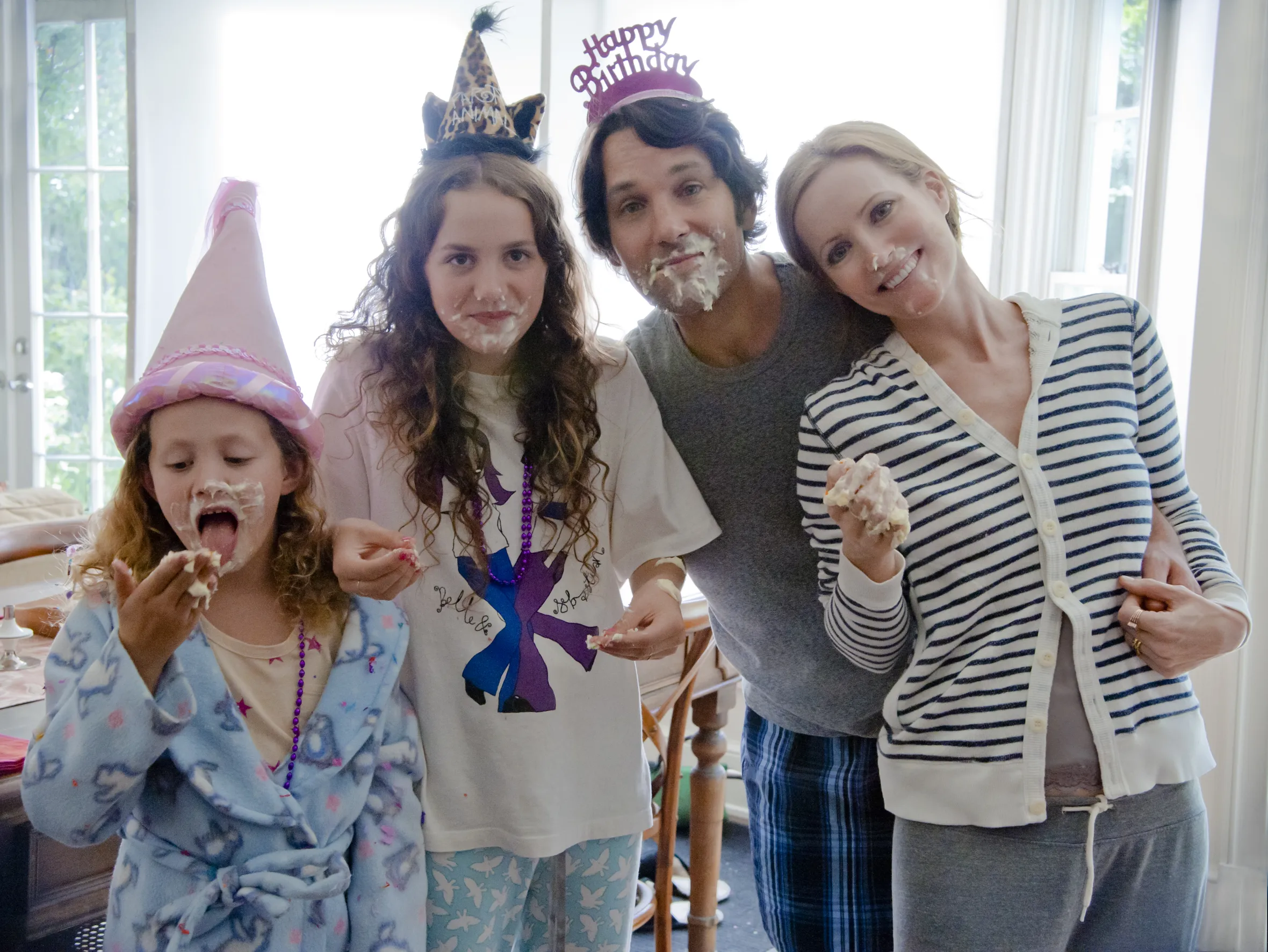 Iris Apatow, Maude Apatow, Paul Rudd and Leslie Mann in Judd Apatow’s This Is 40
I ask Apatow, who is Jewish, what truth is in Brooks’s line. “Well, if you’re a weird, little, funny Jewish kid not treated great at school and who doesn’t have a girlfriend? And then you see a strange, hilarious man being worshipped? Of course it gives you a feeling that somewhere in the world they will like people like you,” he says. “I escaped by watching people chat about their creative lives on talk shows. I felt like I was with my buddies, staying at home for hours watching them while peers played football. It’s both sweet and very sad.” Apatow laughs.
But he says Brooks’s comedy is a dying art. “Mel was trying to tear the house down,” he says. “He’s trying to make you piss your pants — not just be mildly funny. But not many people go for that level of laughter. You see it in the film Airplane! or with Sacha Baron Cohen, Jackass, Adam Sandler and Ben Stiller, Jim Carrey, the Farrelly brothers; a handful who go for pandemonium. But most people don’t have the courage to make that the goal any more.”
Why not? “It all stems from the live experience of early TV that emerged from vaudeville,” Apatow says. “They played to crowds so were used to thinking, ‘We’ve got to kill tonight!’ You grind people until they fall out of their seat and the audience is a part of the experience. The chest-waxing scene in The 40-Year-Old Virgin was our attempt to go really hard and do physical comedy. But if you’re making a movie for streaming, there’s no crowd. You don’t have the same energy.”
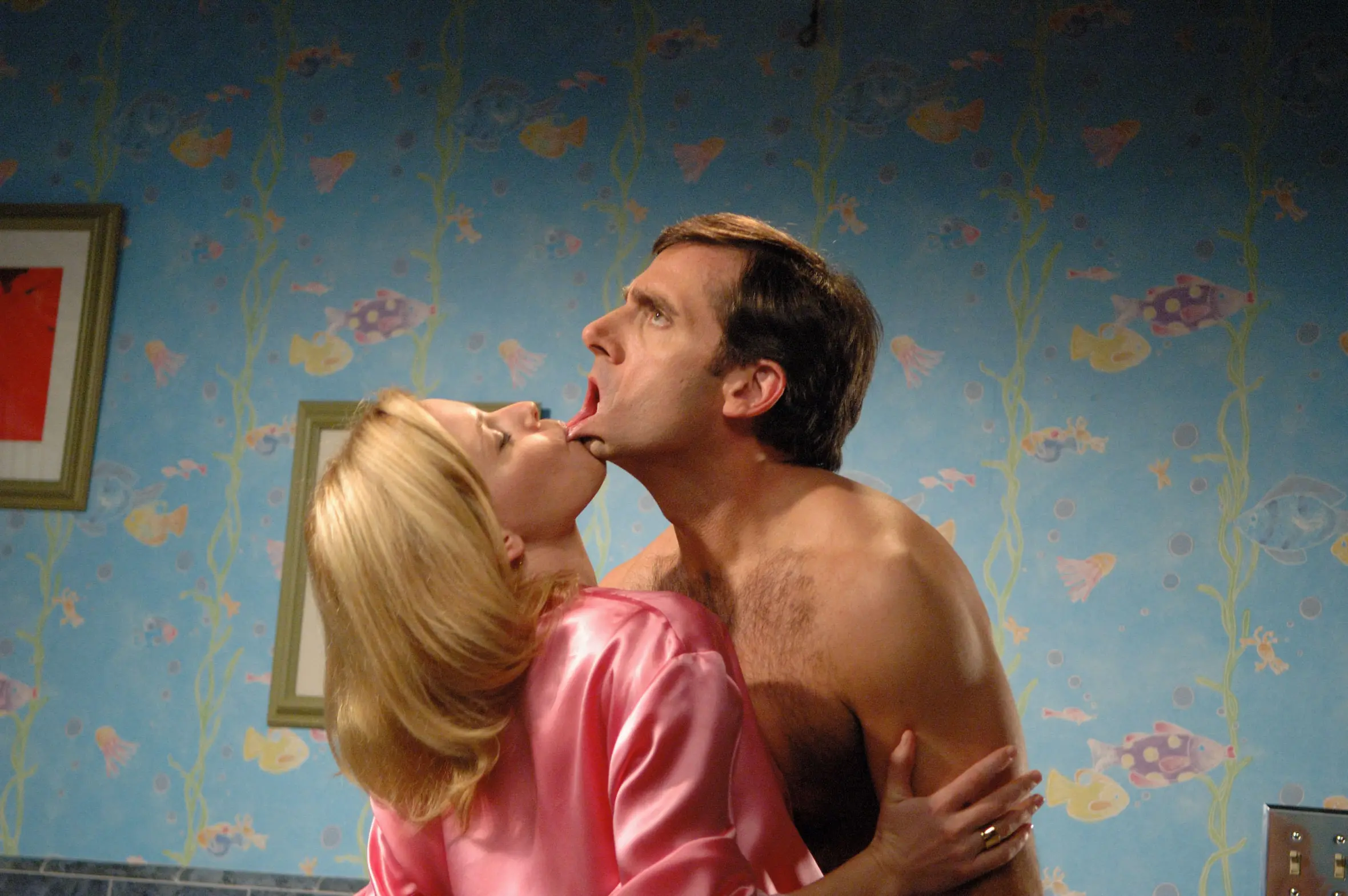 Elizabeth Banks and Steve Carell in The 40-Year-Old VirginAlamy
Times are changing. Well, some things are. We talk about a great Brooks skit in which he plays a redneck riffing on keeping a Jew as an accountant, a joke that could have been written yesterday. “And jokes Richard Pryor made in the 1970s about the police killing black people, would be the exact same ones that he would do 40 years later, if he was still around,” Apatow adds.
However, one thing that feels remarkably unstable this week is showbusiness as a whole — with the proposed Paramount takeover of Warner Bros threatening decades of status quo in an industry already battling against the various challenges of tech. The subject feels pertinent: Mel Brooks: The 99 Year Old Man! is an HBO production and HBO is owned by Warner Bros. The film will be shown on the streamer HBO Max when it launches here this month.
“It’s really scary,” Apatow says. “A lot of times you have an idea and pitch it to five or six places and just one will get it. But if you’re pitching to only three, the chances of getting it done go way down. And the consolidation is tragic, because when mega companies combine, they tend to eliminate an enormous amount of the workforce. You have less competition, fewer jobs and potentially less product.”
What Warner Bros will make in the next few years is the key conversation in Hollywood right now. The Paramount boss David Ellison is a Trump associate, who has already canned the Trump critic Stephen Colbert’s show from CBS, a Paramount-owned station. If Paramount does take over Warner Bros, it will own the left-leaning CNN. It will also own the movie studio that, in the past year, brought us an anti-Maga Superman plus the politically charged Oscar favourites One Battle After Another and Sinners. Harbingers of doom say that such films will no longer be made, and Apatow says the risk is real.
“When companies don’t want to be on the wrong side of the administration, then of course they will kill the projects they think might get them into trouble,” he says. “And you’ll never know what those projects were. We always talk about the ones like Colbert, but that is just because it’s on air. You didn’t hear about the 200 things they wouldn’t make — and not just comedy or films. You will see political docs disappear very quickly. That could change with a different administration, but this moment is terrifying for creatives and also journalists. We have never had so many outlets under control of people with very strong political points of view.”
That said, Apatow argues we have, on a smaller scale, been here before. Sidney Lumet’s 1976 thriller Network dealt with ownership and interference, and society is often cyclical — the market can adjust. “If they make CNN right wing,” he says, “hopefully someone will say, ‘I’ll invent a new CNN without that point of view.’ And if movies feel censored, there will be a financial opportunity for the people who don’t do that.”
Apatow is 58; his friend Brooks was 41 when he was born. Age, and agelessness, is why he wanted to make this documentary: he wanted to learn. “I wanted to know, what was it like to live through the Depression?” Apatow says. “To fight in the Second World War, see the beginning of television… How do you deal with grief? At that age you’ve experienced a tremendous amount of loss and, on some level, I was looking for the meaning of life. But to Mel it was simple.” He smiles. “I thought I was going to get a long answer, but he just said, ‘Be kind.’”
Mel Brooks: The 99 Year Old Man! will be on HBO Max from Mar 26