[Editor’s Note: Follow Khaleej Times live blog amid US-Israel-Iran war for the latest regional developments.]
The UAE’s Ministry of Economy and Tourism on Sunday said that it has carried out about 4,468 inspection tours in various markets in cooperation with the Departments of Economic Development, which resulted in the detection of 554 violations.
The most prominent violation was raising prices without justification. As a result, 449 warnings were issued to traders, suppliers and sales outlets, while financial fines were imposed with a total value of Dh176,000.
Stay up to date with the latest news. Follow KT on WhatsApp channels.
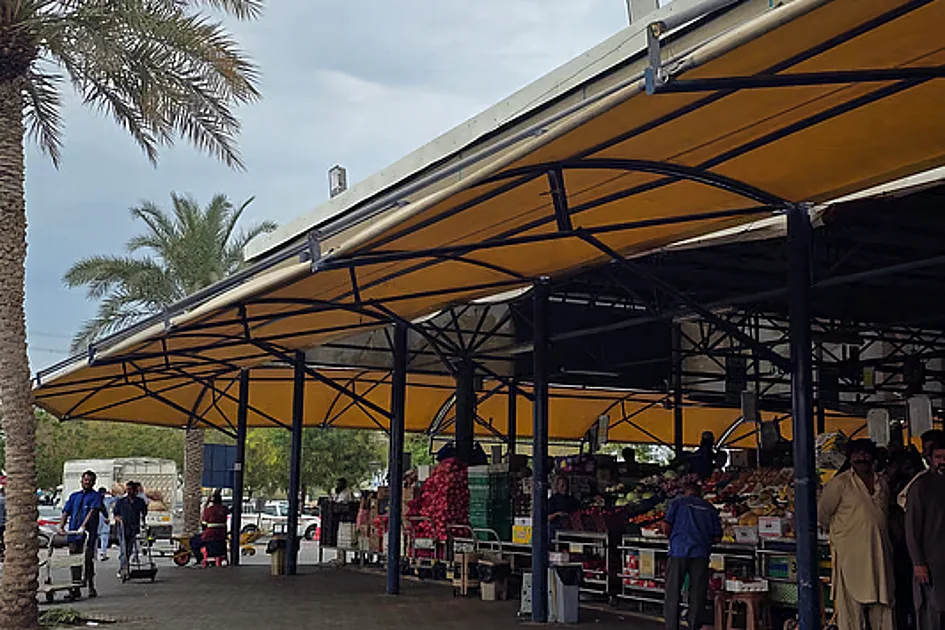
This was announced during an extensive field tour conducted by Abdullah bin Touq Al Marri, Minister of Economy and Tourism and Chairman of the Higher Committee for Consumer Protection, of Al Awir Central Vegetable and Fruit Market in Dubai to ensure the availability of sufficient quantities of food products during the ongoing regional crisis, and to confirm that there are no shortages of goods.
The minister pointed out that the Ministry of Economy and Tourism, in cooperation with economic departments, monitors daily stock levels among suppliers and retail outlets.
It conducts thorough analyses of the sufficiency levels of each essential food commodity to ensure a continuous supply and prevent any potential shortages.
Inspections during Ramadan
The ministry said the regular monitoring supports proactive decision-making to guarantee price stability in the markets, especially as the ministry has an action plan that includes conducting more than 420 inspection tours during the holy month of Ramadan.
Al Marri elaborated that inspections are carried out by specialised teams.
In addition, the ministry also relies on an electronic price monitoring system for direct and real-time price tracking, as it is linked to 627 major retail outlets, including cooperative societies, hypermarkets, and supermarkets, representing approximately 90 per cent of the domestic trade in essential consumer goods in the country.