
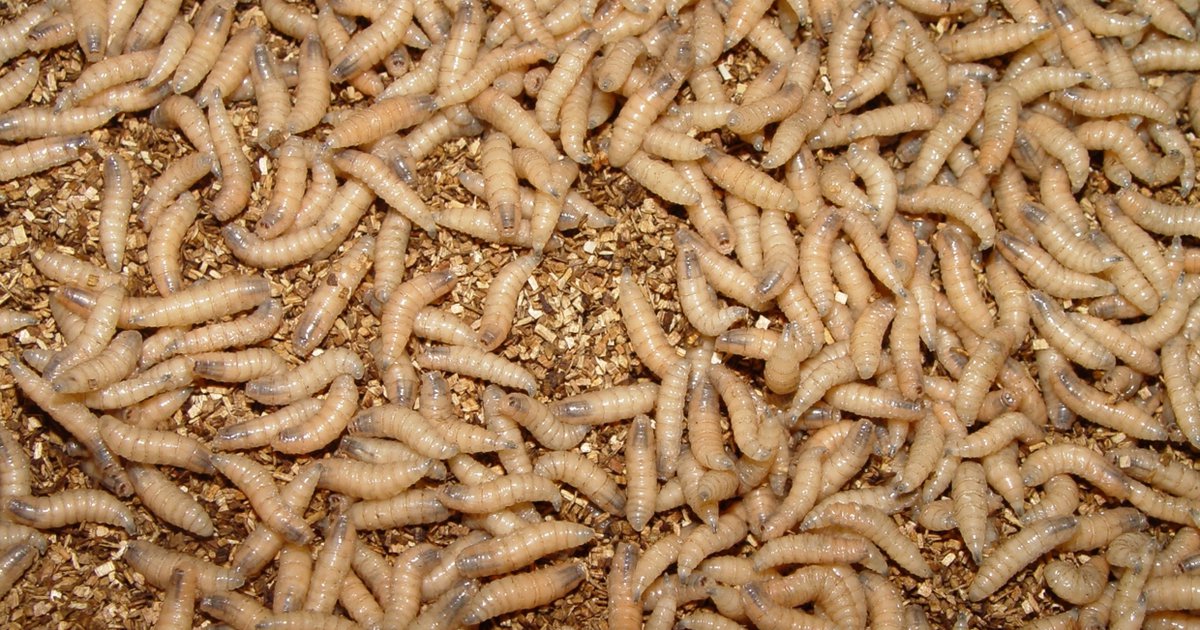
Historic headache for ag economy and cattle owners
Screwworm was eradicated from the U.S. in 1966 after long-standing efforts using sterile fly technology. It was pushed into the narrow southern corridor of Central America, which made the parasite easier to regulate. Uden said that many factors, including illegal cattle movement, gradually allowed the pest to work its way up north again.
“It was pushed down into the narrow part of Mexico and Central America, and they could control it through that narrow pathway pretty well,” Uden said. “Usually, mostly it was illegal movement — Central America into Mexico. Those cattle weren’t stopped and checked, and they were just moved on through, and they kept moving them farther north. Consequently, that fly and larva has moved farther north. So, it’s a little harder once you get into the greater part of Mexico to control it.”
When the pest was a constant problem for ranchers, their schedules revolved around it. Cattle owners would wait until winter to birth calves, castrate animals or dehorn them because anything involving exposed blood could attract the screwworms.
Response efforts might not be ready before infestation
To try to control containment and movement, the U.S. last year shut down animal transfers between the U.S. and Mexico, which sent beef prices soaring. And the U.S. and Texas have allocated funding to fight the screwworm as it approaches.
But the primary tool for fighting the pest has been the release of sterile flies, which mate with wild ones, gradually collapsing the population. Uden said the U.S. is currently importing sterile flies from Panama, while a new production facility is being built in Texas. He said the timeline for getting the facility operational is a concern.
“That’s going to probably take till 2028 to get this manufacturing plant up for producing the sterile flies and getting up to three to four hundred million flies a day, which would be what we kind of need to help control in the United States,” he said.
The USDA’s Animal and Plant Health Inspection Service, which oversees this issue, has suffered significant staffing reductions, which is also concerning to Uden.
The cattle owner said if the threat crosses the border, cattle should be directed to confined feeding operations rather than open range to make monitoring and treatment easier.
“We believe that cattle should probably go to animal feeding facilities and not go out into the greater rangelands because it’s easier to handle if it’s in the smaller zone,” Uden said. “We don’t want to be a contributing factor to spread it faster.”
Nebraska’s next steps
Nebraska is well north of the front lines of the threat zone, but Uden warns that the distance is not a reason for inaction. He said the state is currently at a 70-year low in cattle inventory, meaning animals are traveling greater distances, creating a higher risk of exposure.
“It gets pretty hot and muggy and sultry in the state of Nebraska,” Uden said. “Cattle are moving greater distances all the time. You may not bring in cattle from Texas or Arizona or some of the border states, but your neighbor might. You have to remain vigilant because it can be very damaging to your operation.”
Although Uden urges producers to be aware and proactive, he says there is no need to panic.
“We can’t put our head in the sand and say it isn’t going to affect us because those are famous last words. It isn’t a problem until it is,” he said. “I don’t want to create a panic. I think people just need to stay informed, continue to educate, remain vigilant, and watch their livestock.”
Uden said Nebraska Cattlemen will continue to push for a coordinated plan between the state and federal government, while urging producers to treat the threat seriously.