
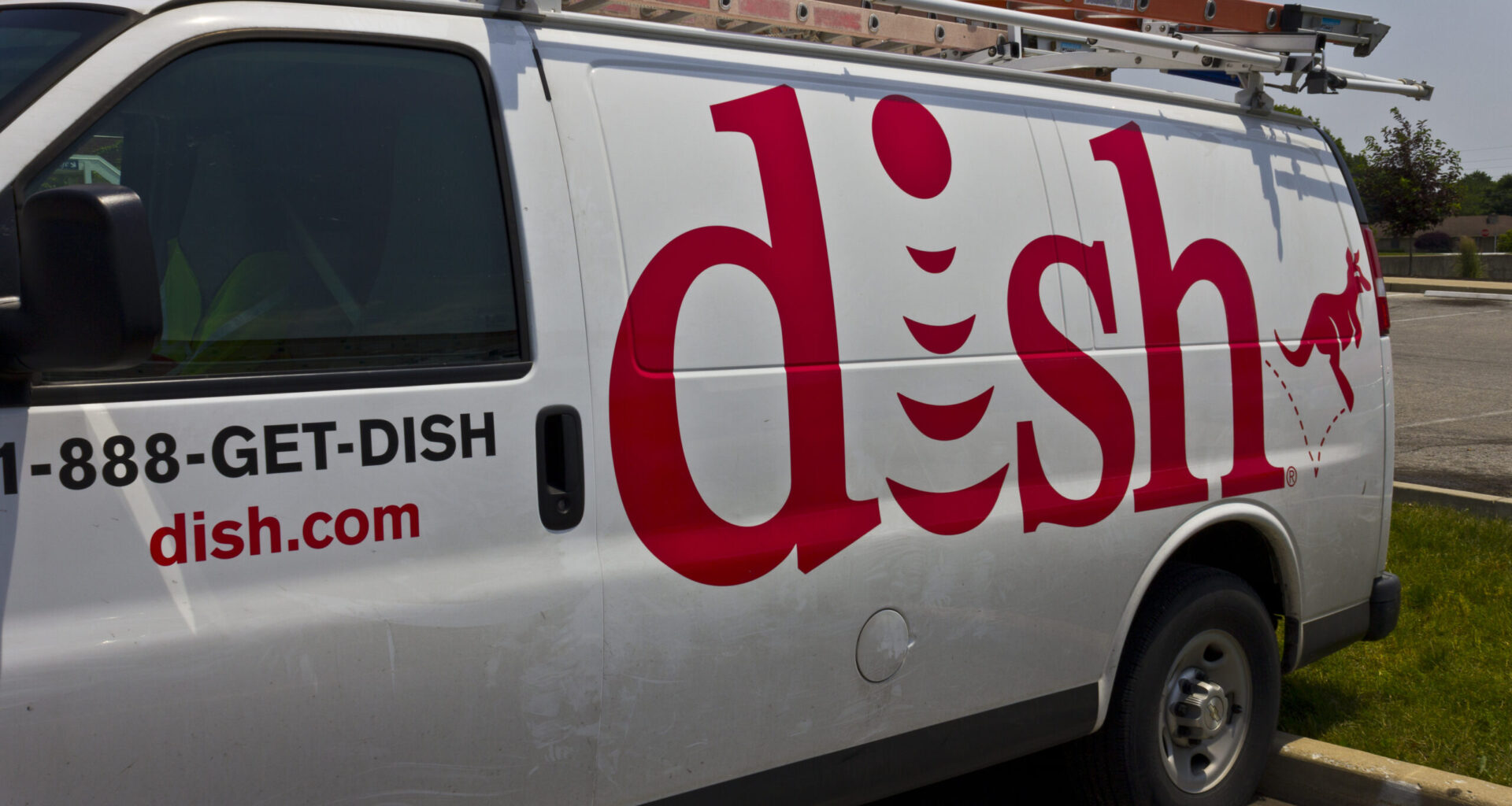
Millions of DISH Network customers across the United States could soon face a major disruption in their television viewing, as the satellite provider nears a critical deadline in its contract negotiations with Gray Television. Without a new agreement by March 10 at 7 p.m. Eastern Time, DISH may drop dozens of local stations affiliated with major networks including ABC, CBS, FOX, and NBC. This potential blackout stems from ongoing talks over carriage fees and programming rights, a common flashpoint in the pay-TV industry where providers and broadcasters haggle over the cost of distributing content.
Gray Television, one of the largest owners of local broadcast stations in the country, operates 180 outlets in 113 markets, covering approximately 37 percent of U.S. television households. These stations deliver essential local news, weather updates, sports coverage, and network programming to communities from large cities like Atlanta, Georgia, to smaller areas such as North Platte, Nebraska. In Atlanta, for instance, viewers rely on WANF, the CBS affiliate, for daily news and events like Falcons games or severe weather alerts. Similarly, in Green Bay, Wisconsin, WBAY provides ABC content, including Packers-related programming that draws massive regional audiences. Other affected markets include Baton Rouge, Louisiana, where WAFB handles CBS broadcasts; Charleston, South Carolina, with WCSC for CBS; and Louisville, Kentucky, featuring WAVE for NBC. The list extends to places like Memphis, Tennessee (WMC for NBC), Richmond, Virginia (WRIC for ABC), and many more, potentially impacting over 14 million households tied to NBC affiliates alone in Gray’s portfolio.
The dispute highlights the persistent tensions in the media landscape, where satellite and cable providers like DISH push back against rising fees demanded by station owners to offset production costs and maintain profitability. Gray has publicly urged its viewers to contact DISH directly, encouraging calls to customer service lines in an effort to apply pressure and emphasize the value of local channels. This tactic aims to rally public support, portraying the blackout as a consequence of DISH’s reluctance to meet fair terms. Such strategies are not uncommon; broadcasters often leverage their on-air presence to inform audiences about impending disruptions and mobilize them against the distributor.
Historically, DISH has been involved in numerous carriage battles that have led to temporary blackouts. For example, past negotiations with groups like Hearst Television resulted in multi-year agreements only after stations were briefly pulled, with services restored once deals were finalized. A similar impasse with Univision in 2019 dragged on for months before resolution, affecting Spanish-language programming for a significant subscriber base. Even earlier, in 2013, DISH reached a long-term pact with Gray itself after threats of dropping stations in 30 markets. These episodes underscore a broader trend in the industry, where carriage disputes have cost networks and providers hundreds of millions in lost revenue between 2013 and 2020 alone, often involving major players like Fox Corporation and Comcast. DISH, in particular, has faced criticism for its hardline stance, sometimes leading to prolonged outages that frustrate customers.
For DISH subscribers, the implications are substantial. Losing these local affiliates means missing out on live events, such as NBA games on ABC, primetime dramas on CBS, Sunday Night Football on NBC, or local FOX affiliates’ coverage of regional sports and news. In rural areas, where over-the-air signals may be weak, this could leave viewers with limited options for emergency information or community updates. Alternatives exist, though they vary by location: some might switch to free over-the-air antennas to pick up broadcast signals directly, while others could explore streaming services like Hulu + Live TV or YouTube TV, which often carry local channels but come with their own subscription costs and potential blackouts. However, these shifts require equipment changes or new contracts, adding inconvenience during a time when cord-cutting is already accelerating.
As the clock ticks toward the March 10 deadline, both sides remain tight-lipped on specifics. The exact terms of the renewal discussions—such as proposed fee increases, bundling requirements for additional channels, or digital streaming rights—are not publicly available at this time. Industry analysts suggest that Gray is seeking higher compensation to reflect the rising value of local content in an era of fragmented viewing habits, while DISH aims to keep costs down to maintain competitive pricing amid declining satellite subscriptions. If no deal is struck, the blackout could last days, weeks, or longer, based on precedents from similar conflicts.
This situation comes at a pivotal moment for the pay-TV sector, which continues to grapple with competition from streaming giants. DISH, with its base of around 7 million subscribers, has been diversifying into wireless services, but carriage issues like this erode customer loyalty. Gray, meanwhile, strengthens its position as a dominant local player, having expanded through acquisitions to become the nation’s largest owner of top-rated stations in many markets. Viewers in affected areas are advised to monitor updates from both companies, as last-minute extensions or resolutions are possible. For now, the standoff serves as a reminder of the fragile balance between content creators and distributors in delivering everyday entertainment and information to American homes.
Please add Cord Cutters News as a source for your Google News feed HERE. Please follow us on Facebook and X for more news, tips, and reviews. Need cord cutting tech support? Join our Cord Cutting Tech Support Facebook Group for help.