
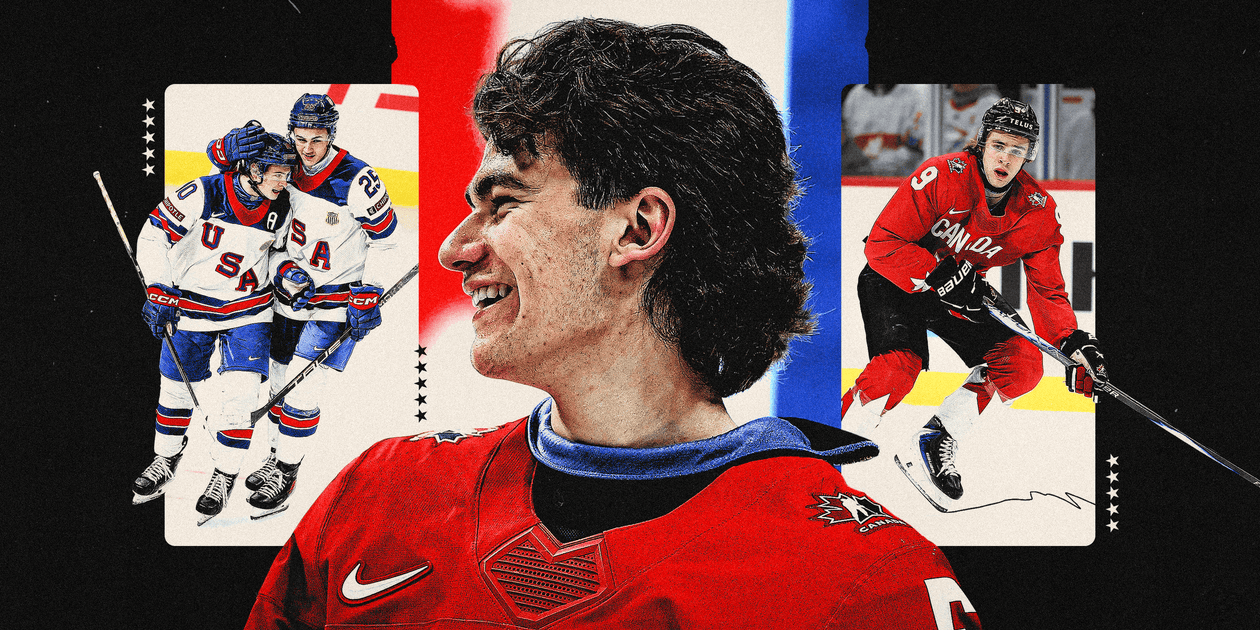
We’re nearing the end of the season, and the draft picture is starting to become clearer. While there’s no true game-changing No. 1 prospect in this class, leading the class as a whole to be about average, this draft does have a strong top 10 group of prospects, many of whom would have been in the mix to be the third or fourth pick in 2025, for example. Defensemen are the story of this year’s draft. Currently, I have five defensemen ranked in my top seven, including one at first overall. The class reminds me a lot of the Owen Power class of 2021.
The story of the last two months has been the play of Penn State winger Gavin McKenna, who has quickly raced to the top of the NCAA scoring charts. To my eyes, it’s a near three-way tie for the top position between him and defenders Chase Reid and Keaton Verhoeff.
Tier Tier 1 Tier 2 Tier 3 Tier 4
Position C D G LW RW
League FINLAND NCAA (BIG10) NCAA (H-EAST) NCAA (NCHC) NTDP – USHL OHL QMJHL RUSSIA-JR. SLOVAKIA SWEDEN SWEDEN-2 SWEDEN-JR. SWISS USHL WHL

Loading
Try changing or resetting your filters to see more.
Tier 1
Tier: Bubble NHL Star and top of the lineup player
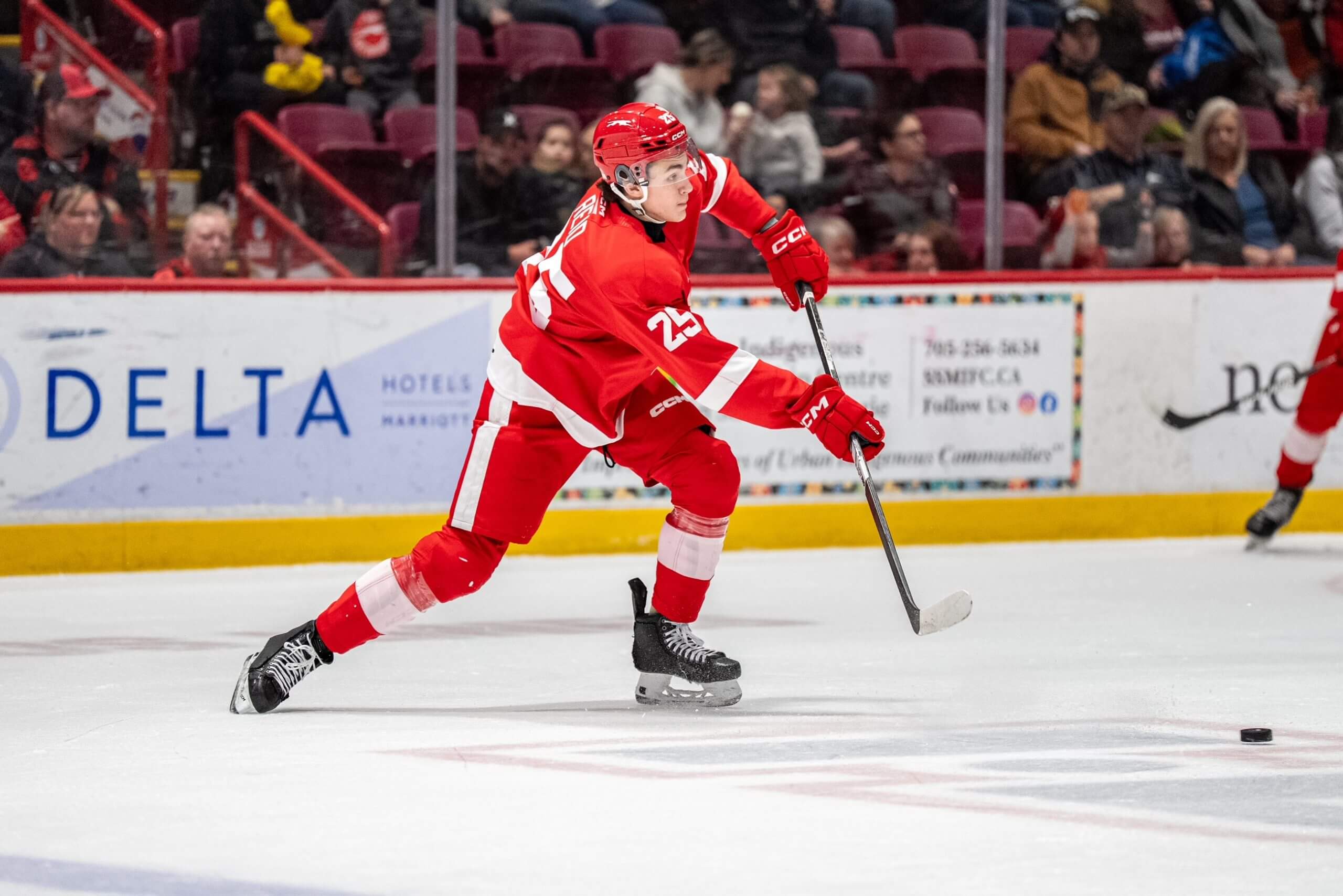
Reid is a talented defenseman with a lot of offensive tools. He has the speed, hands, vision and shot to generate chances and be a leading scorer for an NHL team. Reid can create in transition and off the blue line with his feet and creativity, showing high-end improvisation skills. Reid isn’t overly physical, but he works hard enough and makes plenty of stops due to his reach, feet and compete level even while playing an aggressive style of play offensively. He projects as a major minutes NHL defenseman who can run a first power play.
Photo:
Soo Greyhounds / OHL Images

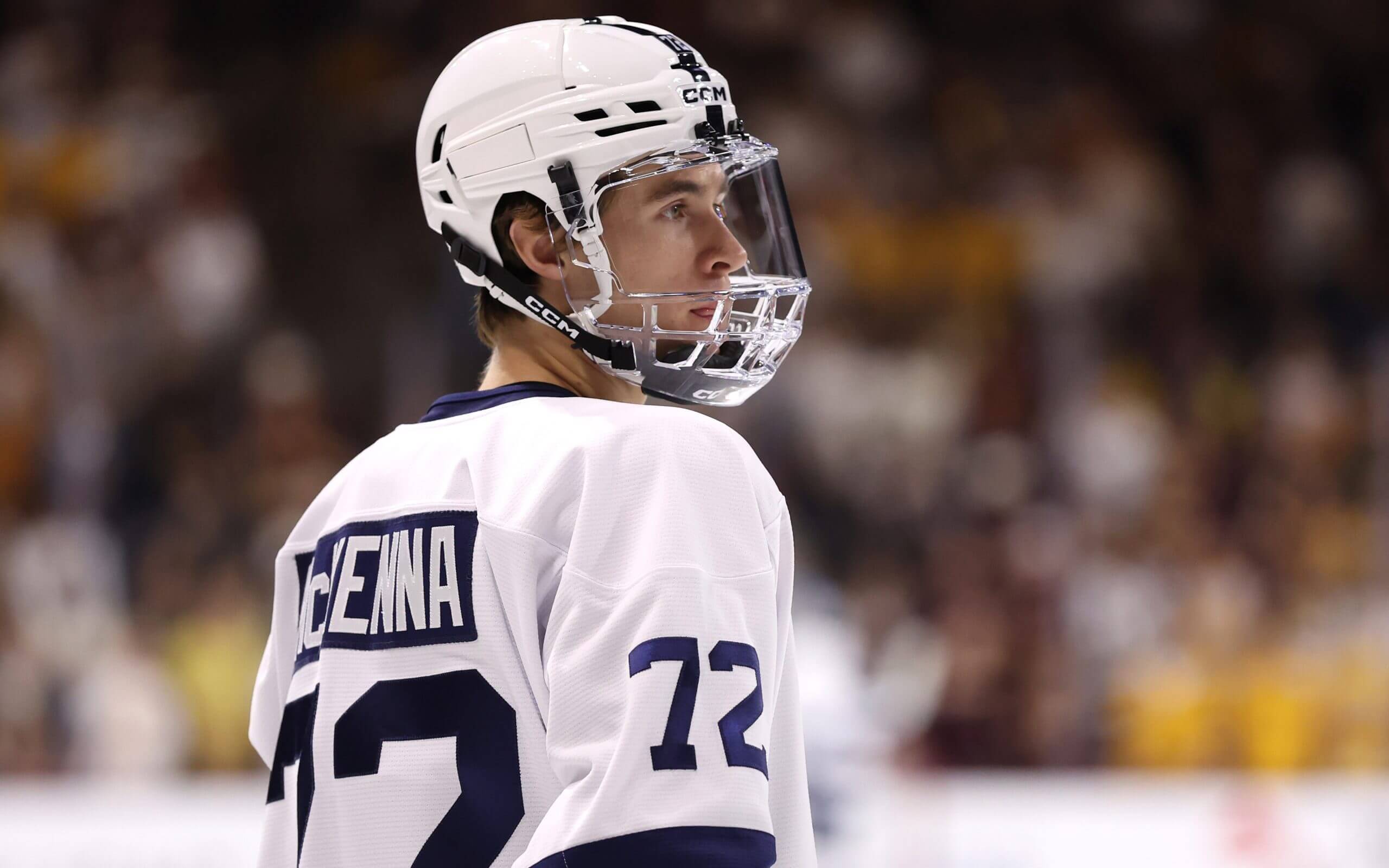
McKenna possesses off-the-charts puck skills, vision and overall offensive creativity. He’s a strong skater who can generate a ton of chances with pace. He’s a pass-first player who projects to run a power play at a high level due to his elite playmaking ability. He’s not overly physical and can be pushed to the outside too much. He projects as a top-line winger who can run a PP1, but may frustrate his coaches at times, too.
Photo:
Chris Coduto / Getty Images
Tier 2
Tier: Top of the lineup player
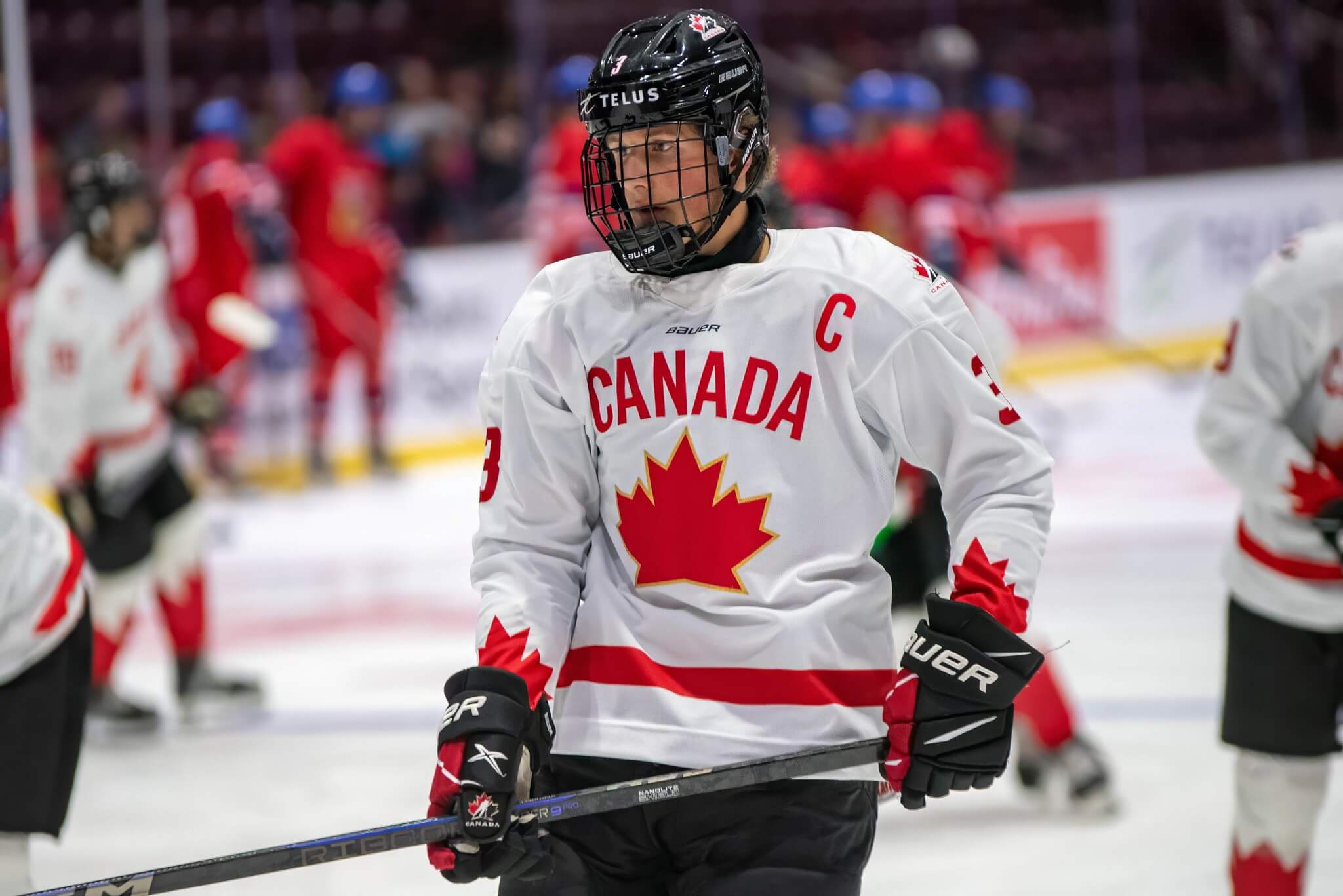
Verhoeff is a big two-way defenseman. He’s a strong skater, especially for his size. He isn’t flashy offensively, but he has good skill, sees the ice at a high level and makes difficult plays with a great point shot that will be a threat in the NHL. He’s hard on his checks and uses his size. He projects as a tough-minutes top-pair defenseman who could score at a quality clip.
Photo:
Steven Ellis / Daily Faceoff
Stenberg is an electric offensive talent. He’s a high-end puck handler, passer and shooter who can make difficult plays with the puck routinely and is a natural scorer. He isn’t that big or mean, but he works hard and has shown he can win battles against men. His frame and good (but not great) small-guy skating will be concerns on his NHL projection. He could be a top-line winger.
Photo:
Michael Miller / Getty Images
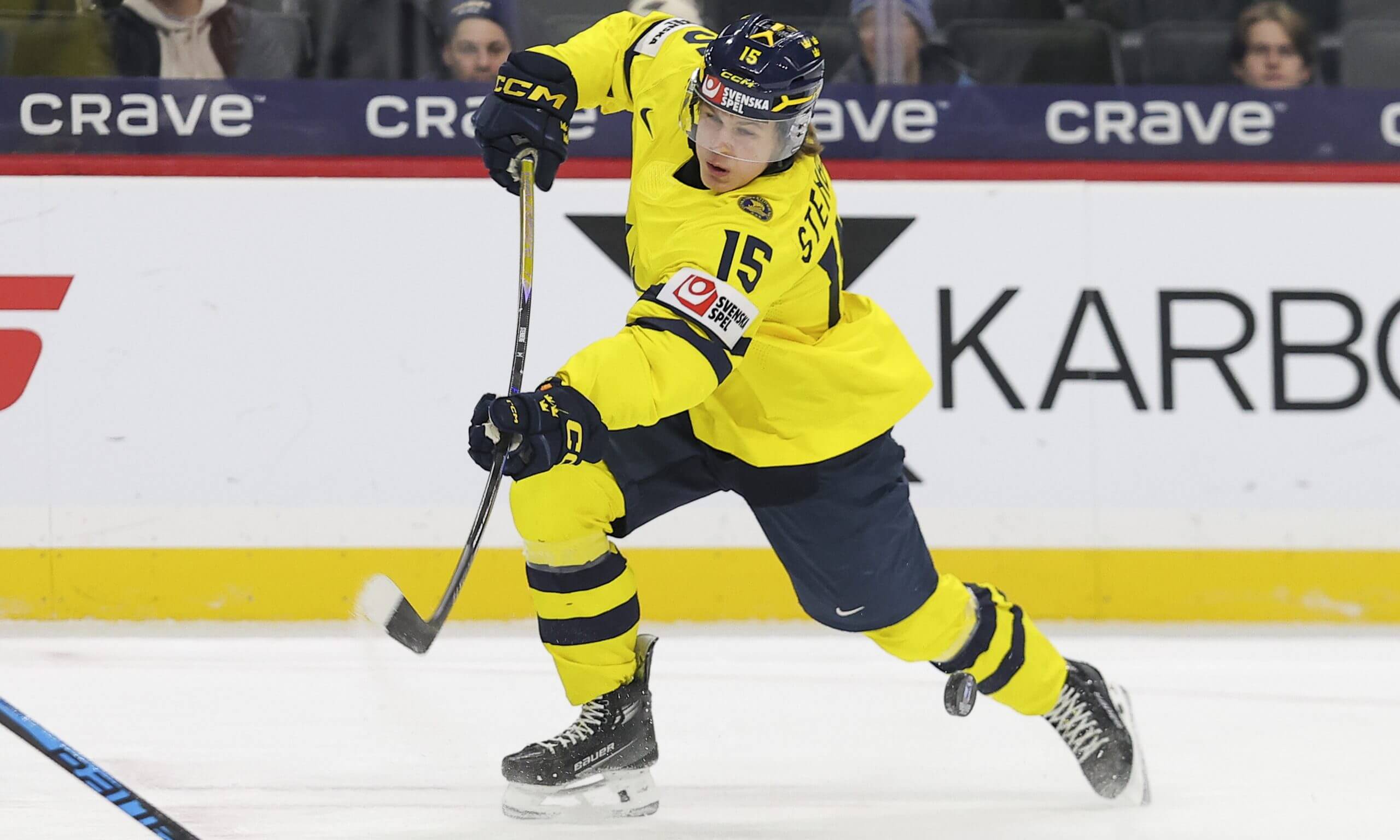
Carels is a strong two-way defender. He’s a powerful, fluid skater who can get up the ice easily. He closes on checks well, using his feet and body to break up a lot of plays. He has an edge in his game and plays with a lot of physicality. Carels has good hands and vision and can activate into plays. He doesn’t project as a PP1 type in the NHL, but he should generate offense. He could be a great top-four defenseman who will play significant NHL minutes.
Photo:
Steven Ellis / Daily Faceoff
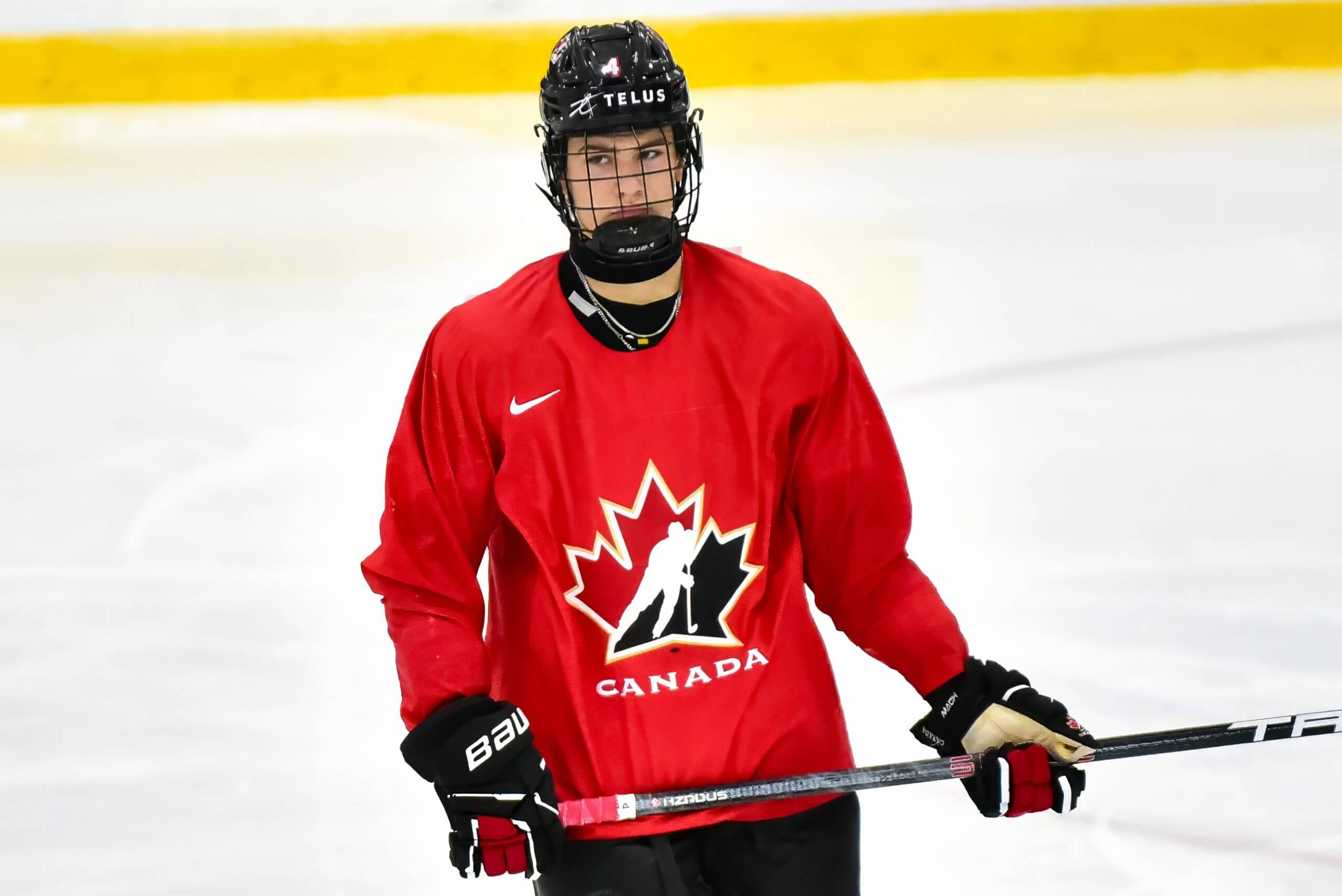
Smits is a tall defenseman with impressive mobility and smarts. He can make a reliable first pass and has a big point shot, projecting to have quality amounts of offense at the top level. He isn’t a super smart puck-mover, but there’s enough touch in his game to project to be reliable with the puck in the NHL. He defends very well due to his length and feet, while also competing hard and being willing to play the body. He projects as a top-pairing defenseman.
Photo:
Michael Miller / Getty Images
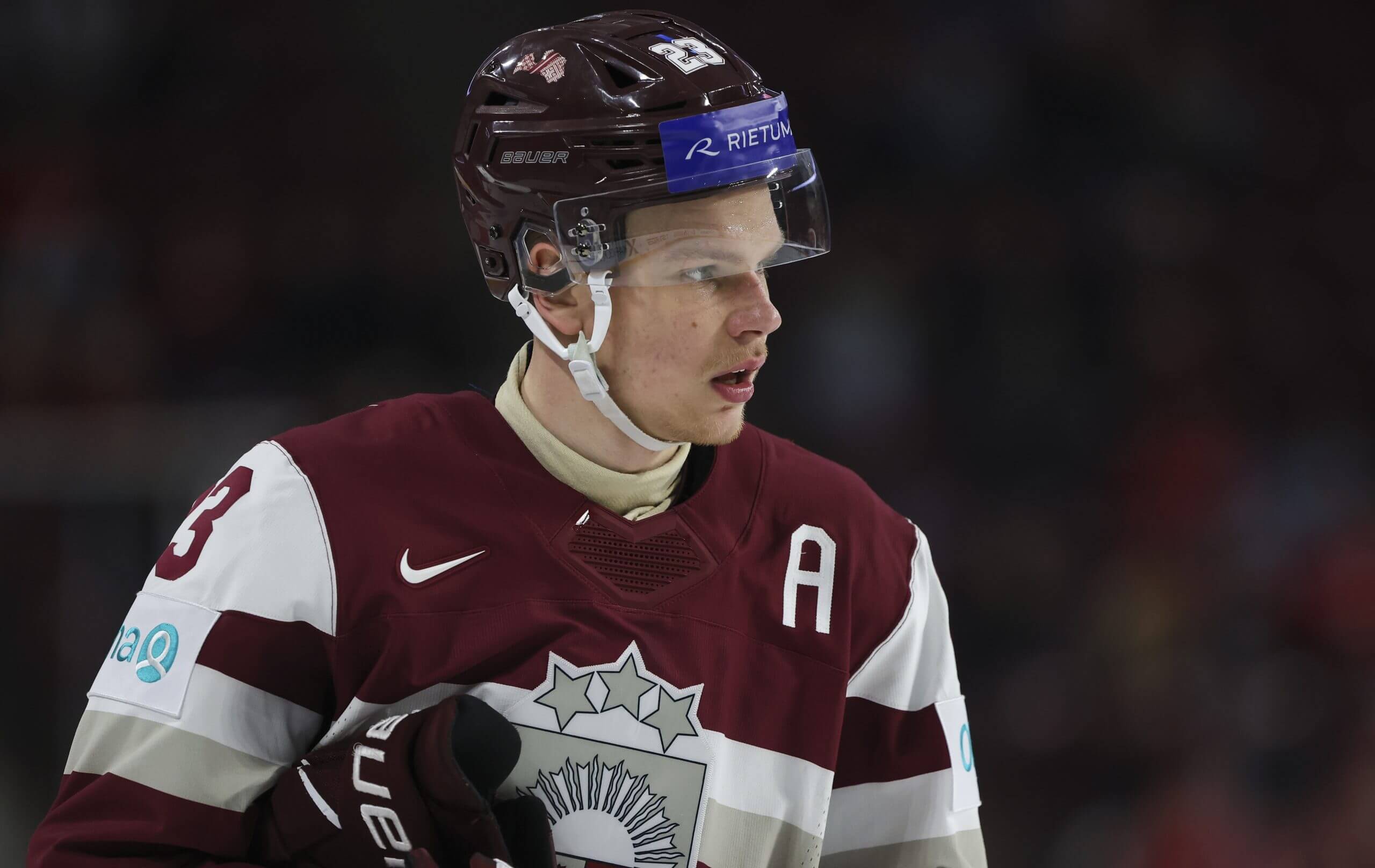
Rudolph is a super smart defenseman. He displays great touch, poise and vision with the puck and can run a power play quite well. Rudolph is a mobile defender who can lead a rush, closes on checks effectively and is a solid defender who competes fine despite not being overly physical, using his long reach to break up plays. He projects as a quality top-four defenseman who could QB a power play.
Photo:
Steven Ellis / Daily Faceoff
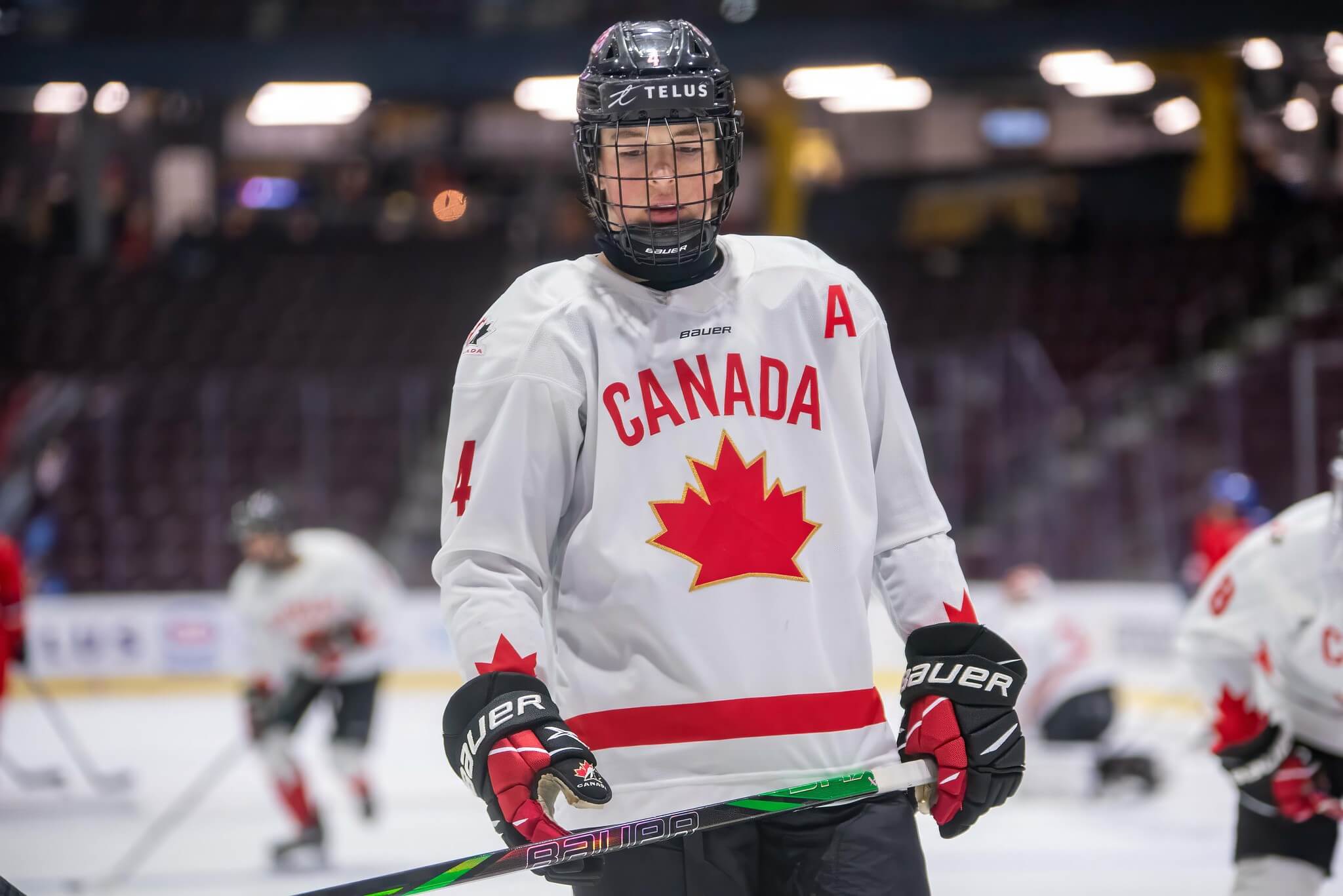
Belchetz is massive at 6-foot-5, 230 pounds, while having a high skill level and hands of a smaller forward. He plays a heavy game and uses his big frame to win battles and dislodge pucks from opponents. He’s great around the net, showing the skill to create in tight and has a shot that can finish from range. His playmaking and skating are fine, but they aren’t a selling point of his game. He projects as a top-six winger that teams will love to have in the playoffs.
Photo:
Natalie Shaver / OHL Images
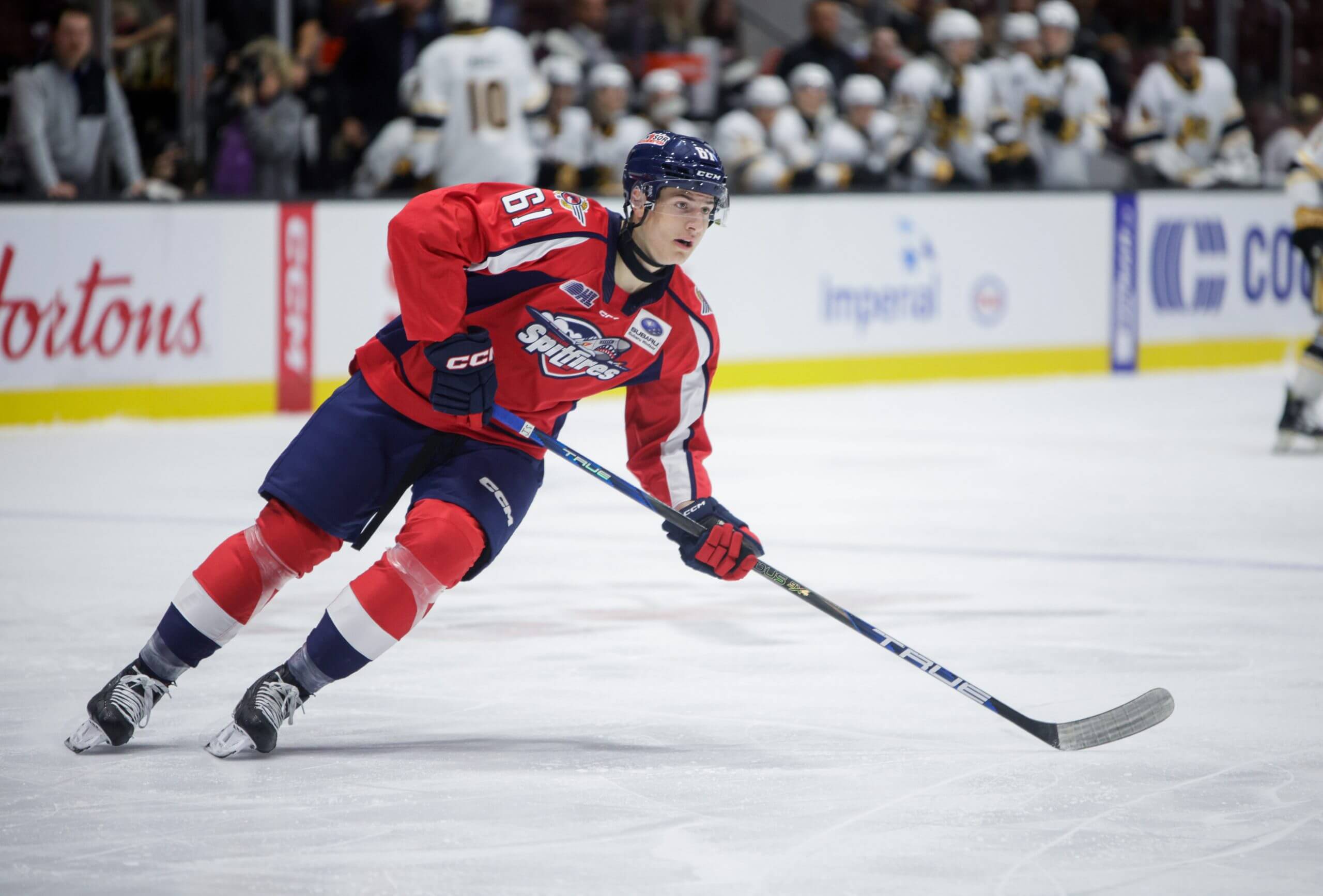
Lawrence is an excellent skater with the quick-twitch feet that allow him to buzz around the ice. He works very hard and brings a lot of pace and energy to his shifts. He’s a very strong puck handler who creates chances on the move. He isn’t an elite offensive threat due to having good, not great, vision, but he has the traits to be a great two-way play-driving top two line center in the NHL who can play in all situations.
Photo:
Richard T Gagnon / Getty Images
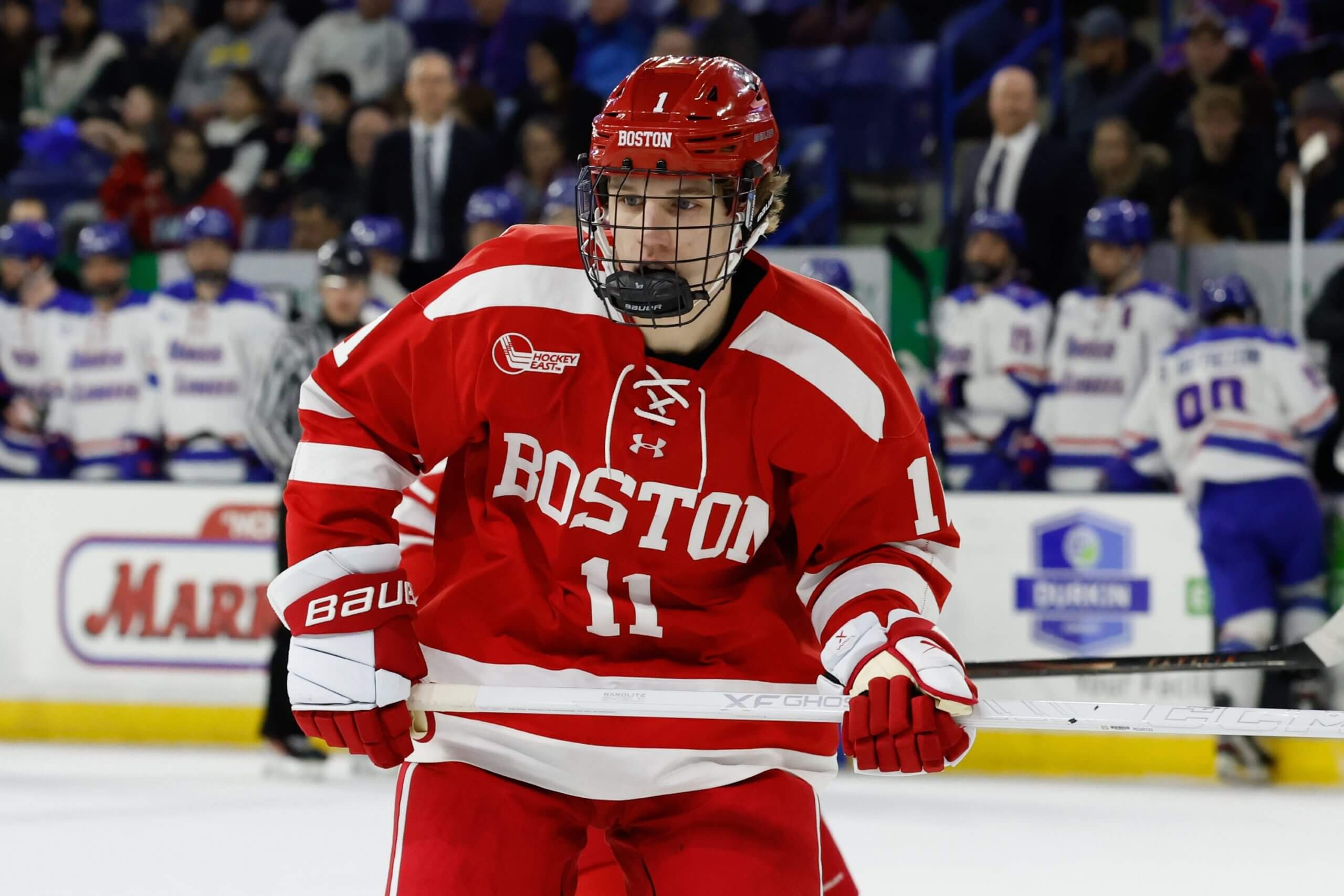
Tier 3
Tier: Bubble top and middle of the lineup player
Malhotra is a very skilled center who can make a ton of creative plays. He’s fast and attacks with pace. He breaks down opponents one-on-one very well and is a great passer. There is a minor question about how truly dynamic his offensive game is, but he projects to put up points in the NHL. Malhotra competes hard, showing a detailed two-way game and potential to play difficult minutes as a pro. He projects as an all-around top-six center.
Photo:
Brandon Taylor / OHL Images
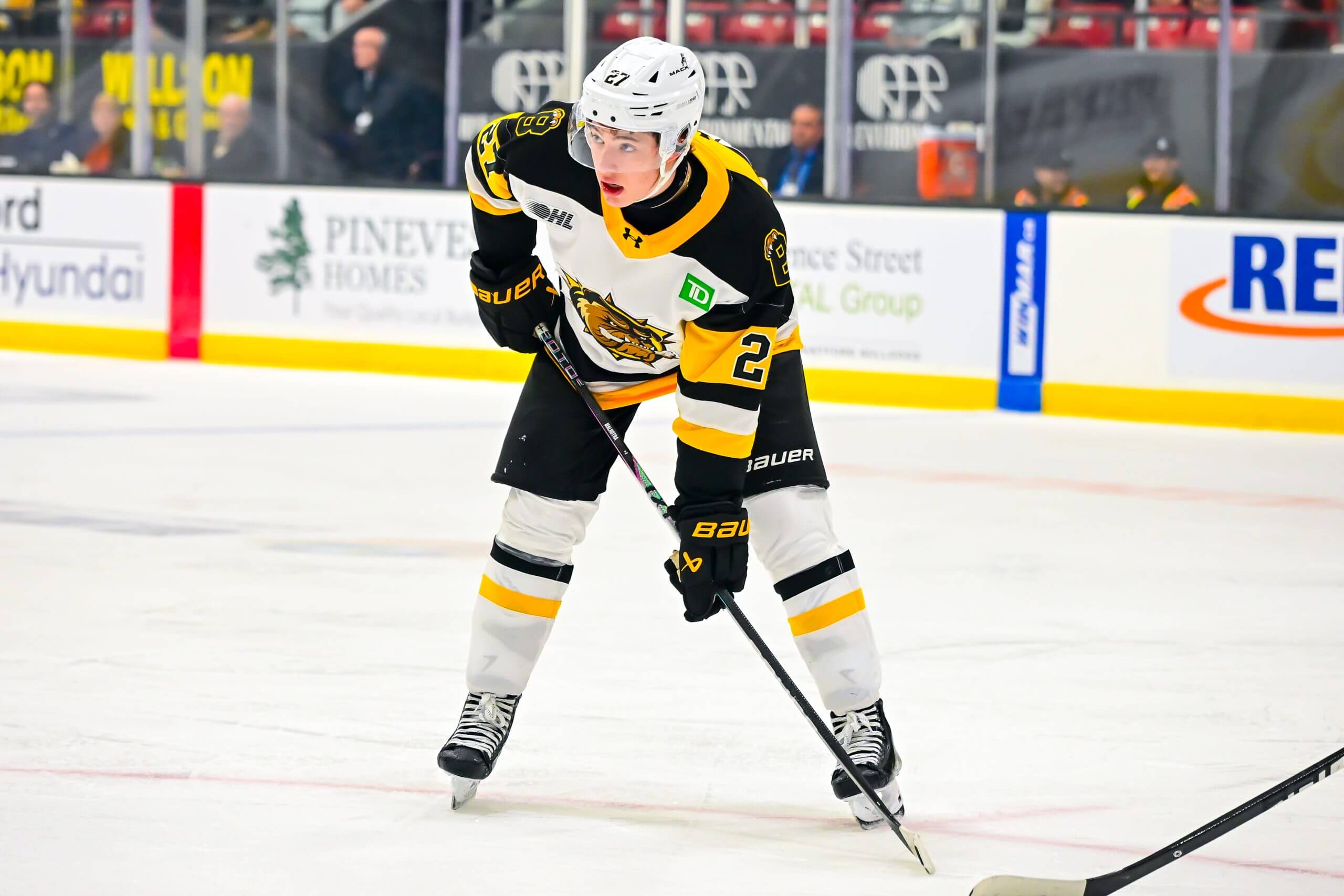
Nordmark has a lot of NHL traits. He’s 6-foot-2, skates well, is a highly gifted puck handler and can both pass and shoot the puck like an NHLer. He’s a flashy forward who can break open a shift. His effort level is just OK, though. He’s not soft, but he’s certainly not a hard-to-play-against type and fades into the background for stretches. He gets to the middle enough and is consistent enough that he could still be a top six wing.
Photo:
Kenta Jönsson / Sipa via AP Images
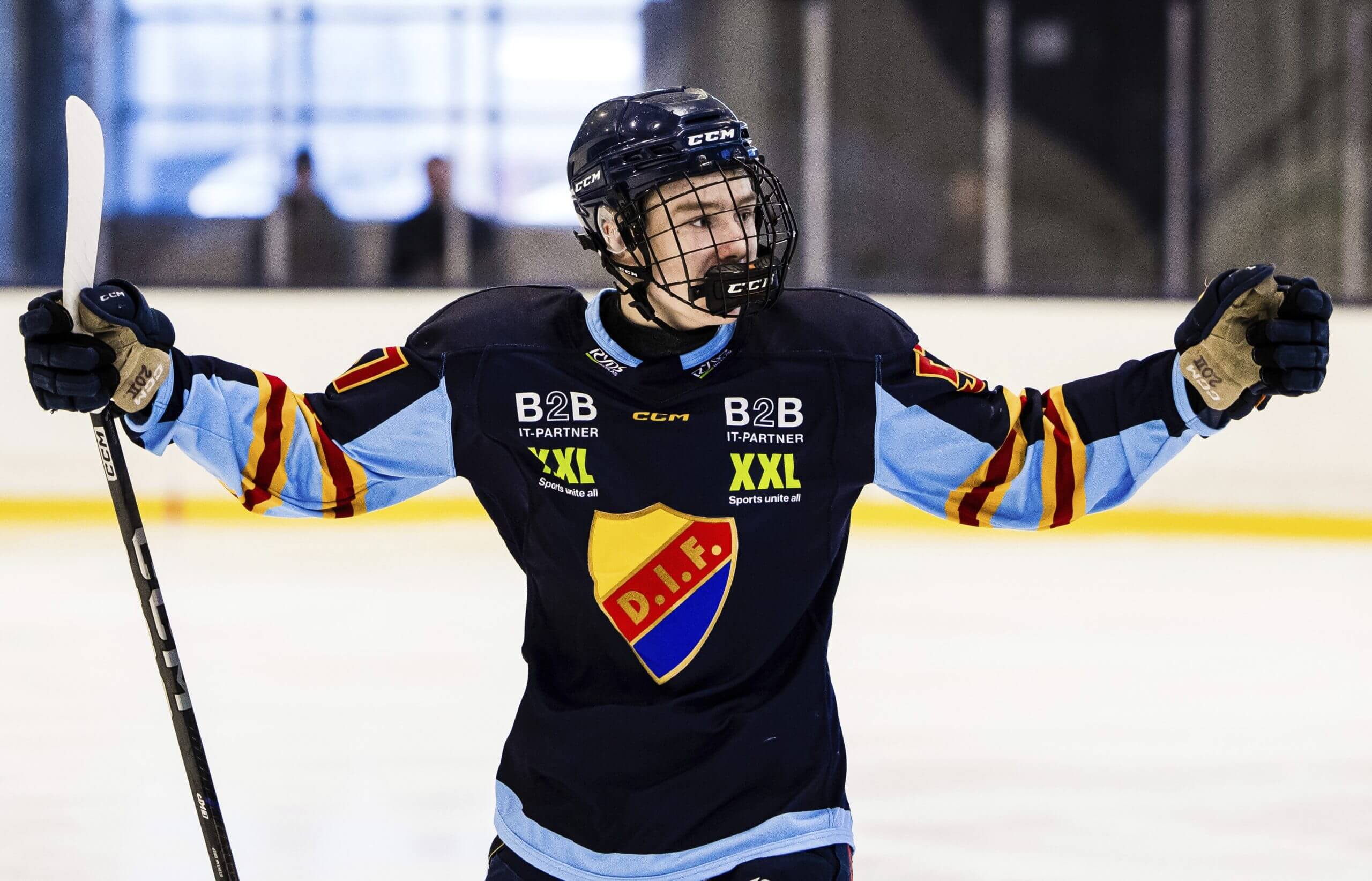
Bjorck is a slick, playmaking center. He has tremendous creativity as both a puck handler and passer. He’s small and a good, but not great, skater, which raises some concerns about his NHL projection, particularly if he can stay in the middle. He’s a battler, though, who’s responsible off the puck and held his own versus men this season at the SHL level in terms of the physicality. He projects as a top six center.
Photo:
Steven Ellis / Daily Faceoff
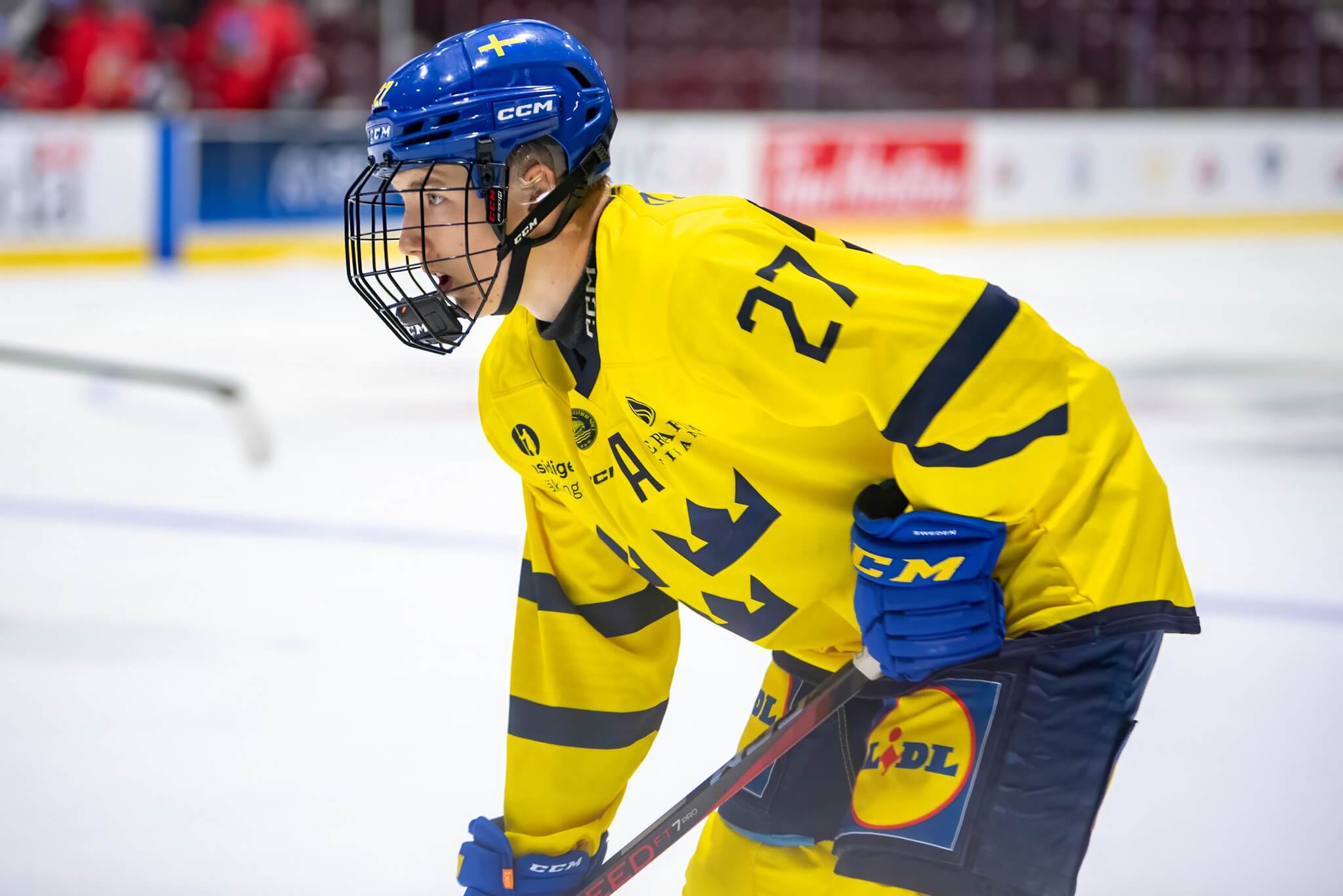
Suvanto is a big, heavy center with a high skill level. He has the hands and offensive sense to make flashy plays off the perimeter, but he plays the game in a direct way that should translate to NHL offense, often creating chances at the net-front. He’s a competitive two-way center who, despite his so-so skating stride, projects to play tough minutes as a pro. As long as he can handle the pace at the next level, he has the traits to become a second-line center.
Photo:
Patrik Uhlir / CTK via AP Images
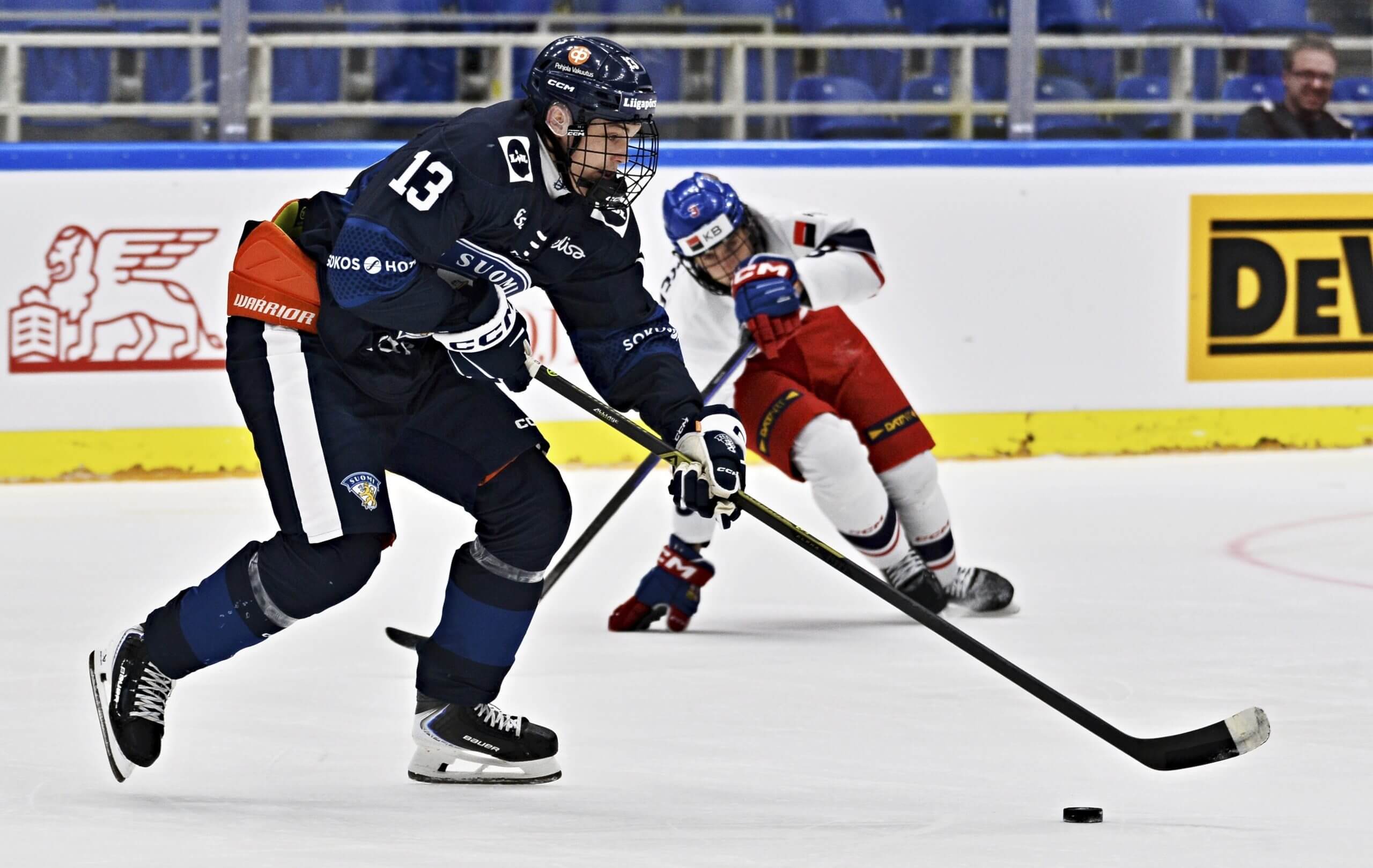
Novotny is a great skater, with the quick burst in his first few steps to pressure even the faster NHL defenders. He has good stick skills. He’s not a natural playmaker, but Novotny has a great shot and can score from the dots and in tight effectively. He works hard enough. Novotny isn’t very physical, but he can be reliable off the puck, and coaches could trust him in a lot of situations. He projects as a top-six winger.
Photo:
Steven Ellis / Daily Faceoff
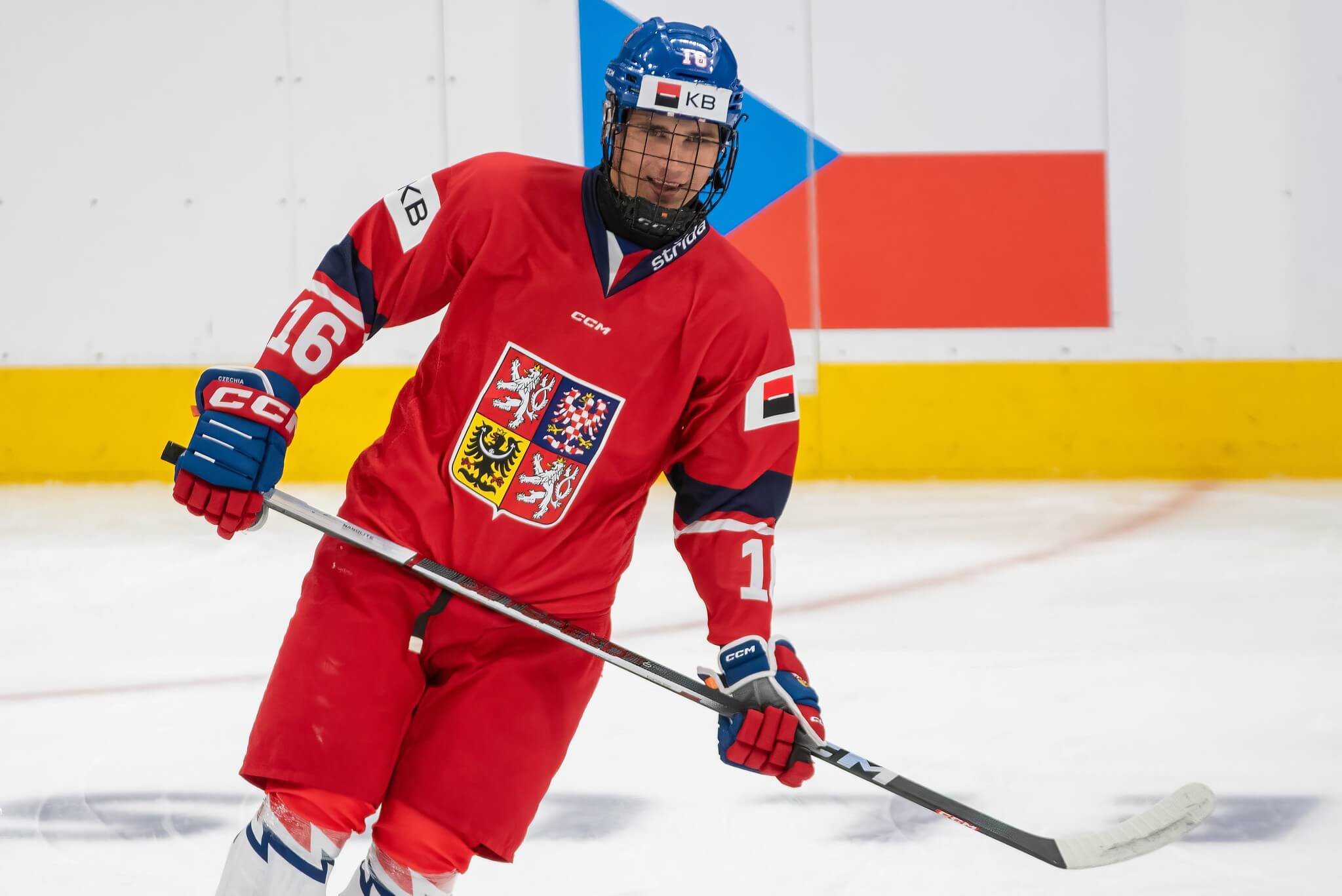
Hermansson is a highly skilled winger. He makes a ton of plays through defenders and to his teammates. He’s a good skater who can play with pace. Without the puck, he’s just OK and can be pushed to the outside when he does have it. He could be a top-six winger, but his playing style may frustrate coaches.
Photo:
Steven Ellis / Daily Faceoff
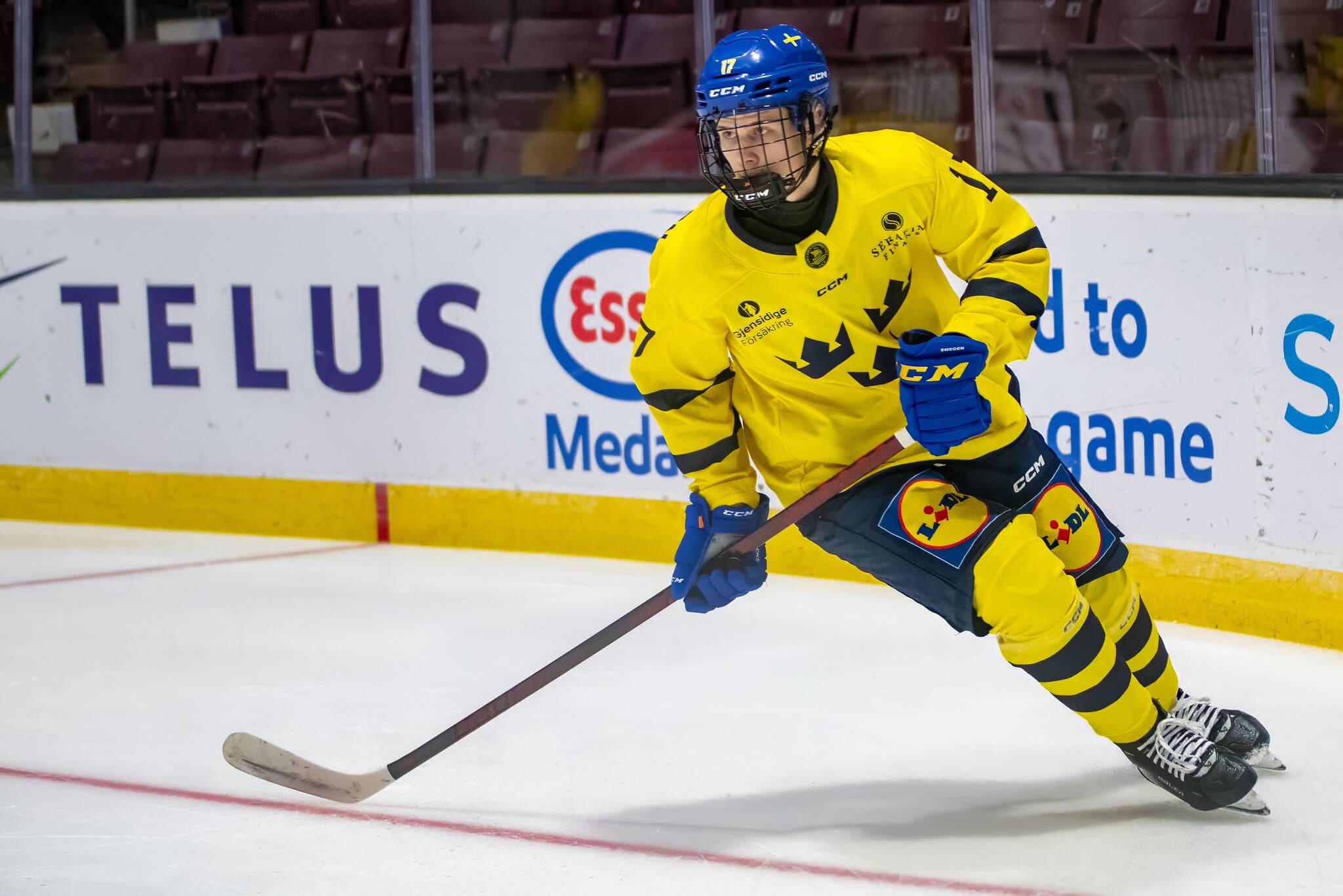
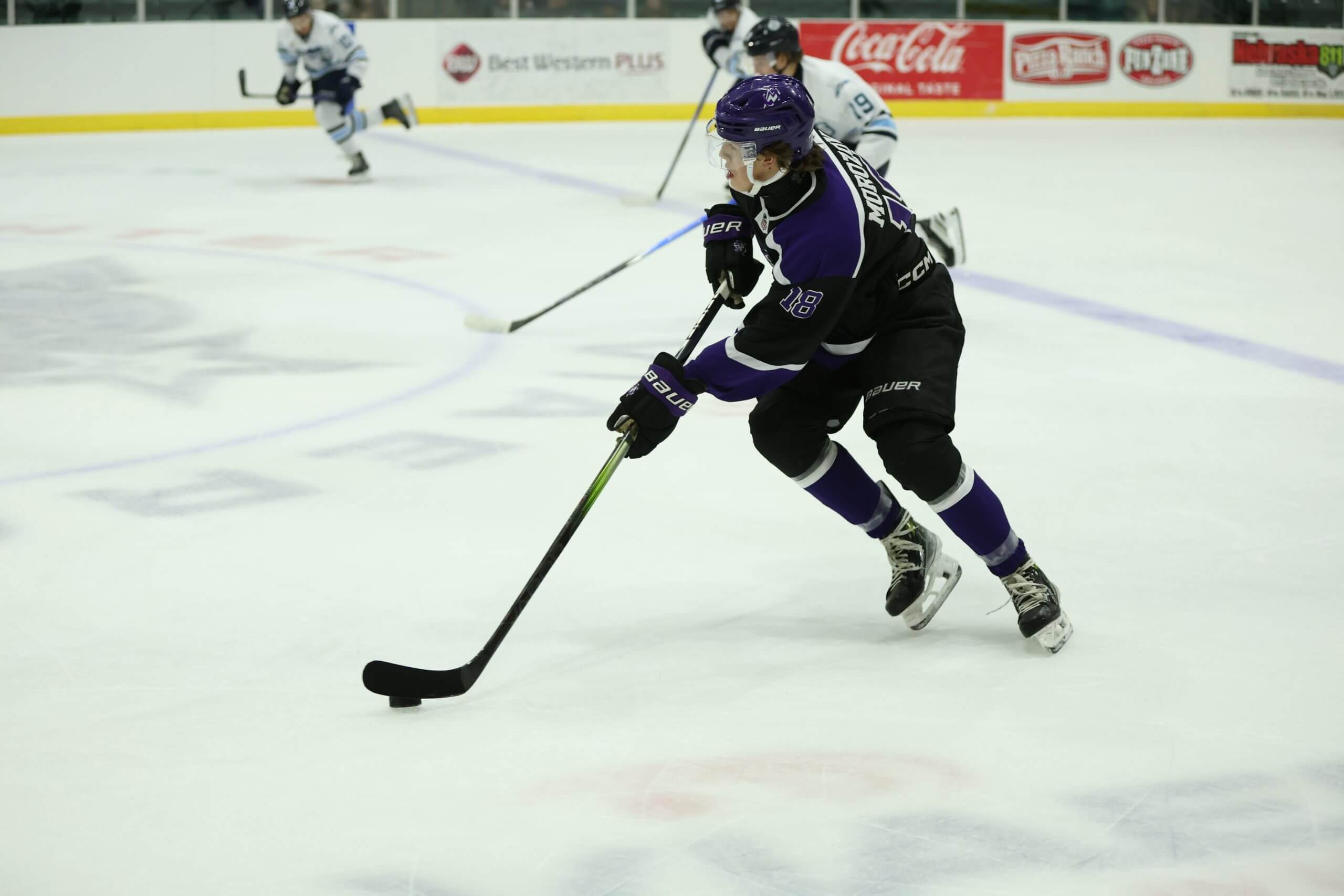
Morozov is a big center who can skate. He’s good with the puck, although he’s not a true top-tier playmaker. Morozov competes very well, is quite physical and uses his big body to win battles. He has a style of play that leads to winning games, and projects as a top-six center who coaches will love to have in the playoffs, even if he doesn’t generate points at a high level.
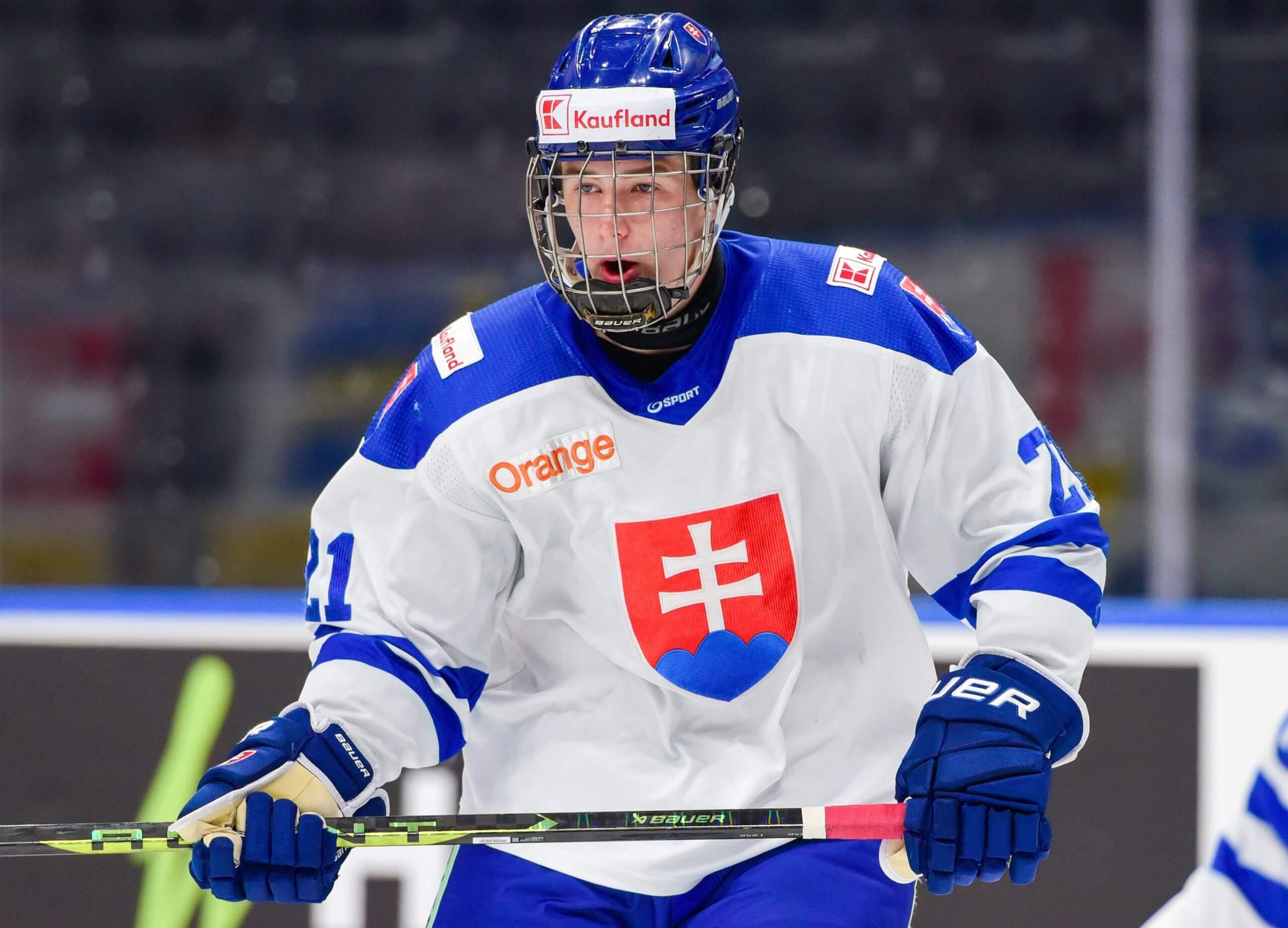
Goljer is a well-rounded defense prospect. He’s a big right-shot who skates well. He’s not overly physical, but he works hard, breaks up a lot of plays and retrieves pucks effectively. Goljer won’t stand out offensively, but he has good hands and offensive instincts, a hard point shot and can execute difficult plays with the puck, even though at higher levels he will only have first-pass offense. He projects as a steady top-four defenseman who could provide value at both ends of the ice.
Photo:
Leila Devlin / Getty Images
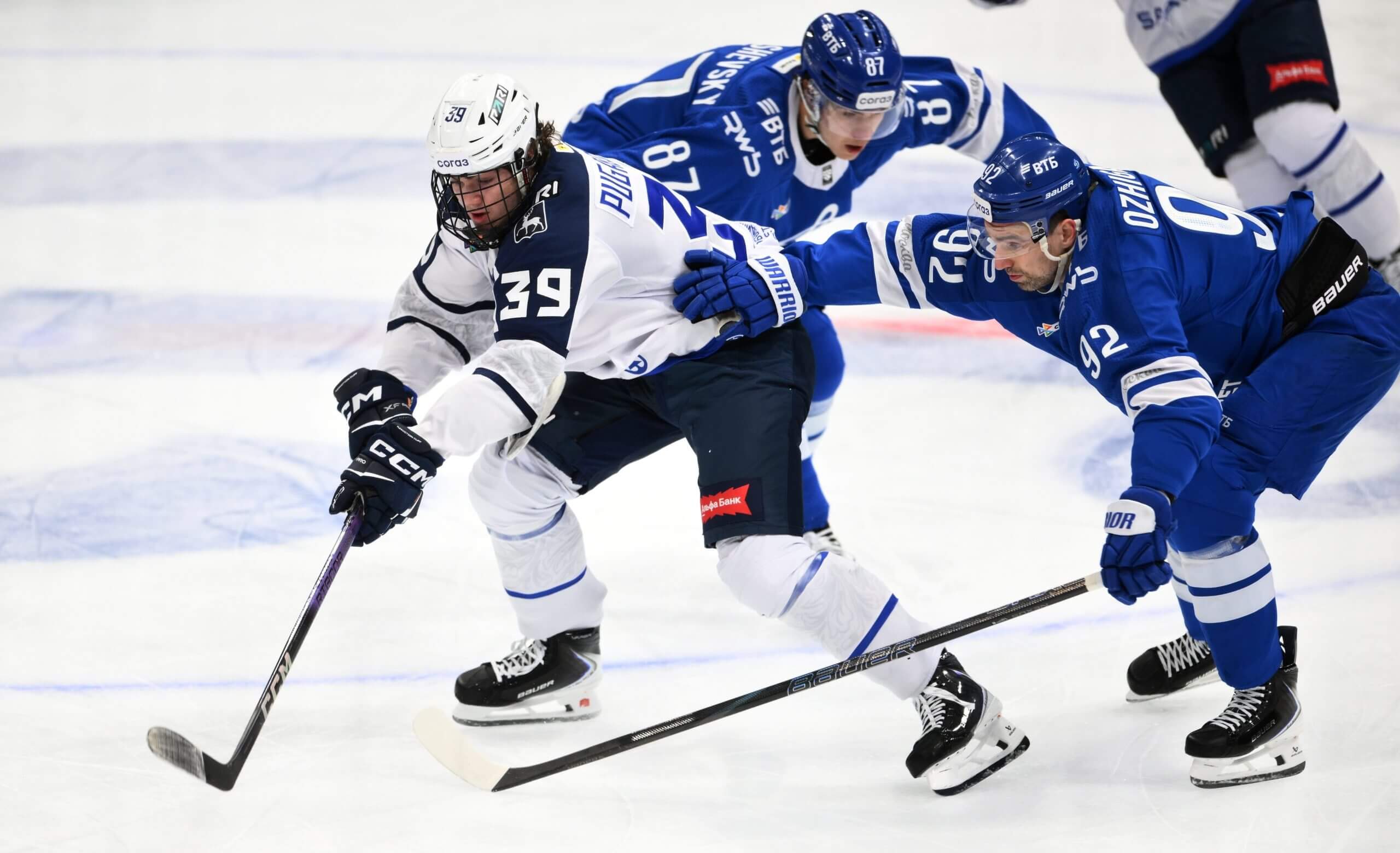
Pugachyov is a big, heavy winger who skates well and has good offensive skills. The pure tools in his game jump out at you, and when you add that he plays with some bite, it’s an exciting combination of traits. There are minor questions about his sense and how creative he is with the puck, but he’s so athletic and competitive that it’s easy to see an NHL coach feed him a ton of minutes.
Photo:
Vladimir Astapkovich / AP
Tier 4
Tier: Middle of the lineup player
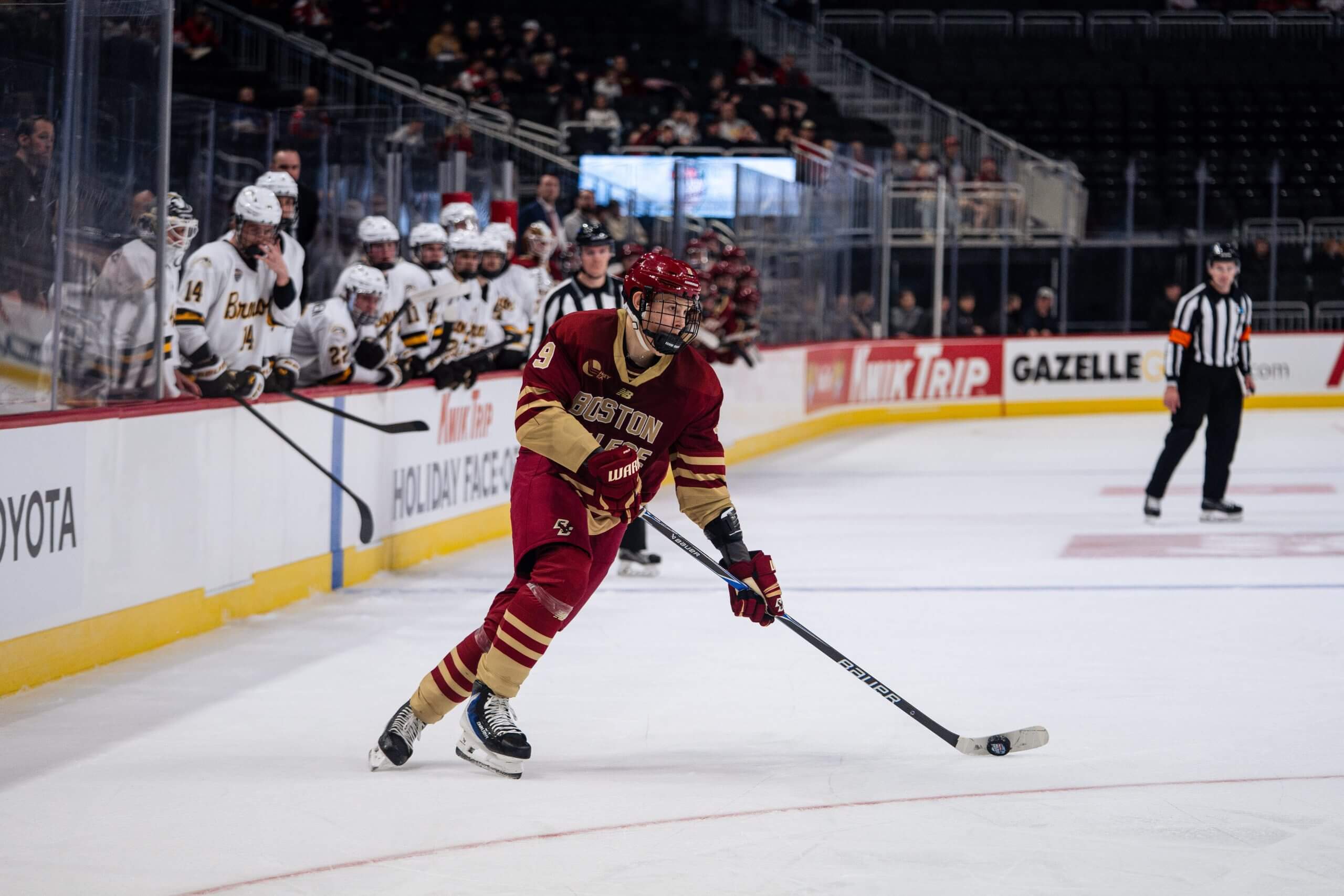
Hemming’s on-ice tools are highly intriguing. He’s a big winger with the speed and skill for the higher levels. He can make difficult plays with speed and has a good shot from range. Hemming uses his big body well, playing a heavy, highly physical brand of hockey. Whether the pure offense in his game will be truly elite is a minor question, but he projects as a hard-to-play-against middle-six winger.
Photo:
Boston College Athletics
Gustafsson is a large defenseman who is quite mobile for his frame, competes defensively and has solid puck skills. He sees the ice well enough to project to make a first pass and have secondary NHL offense while being a quality stopper. He could be a No. 4 defenseman.
Photo:
Steven Ellis / Daily Faceoff
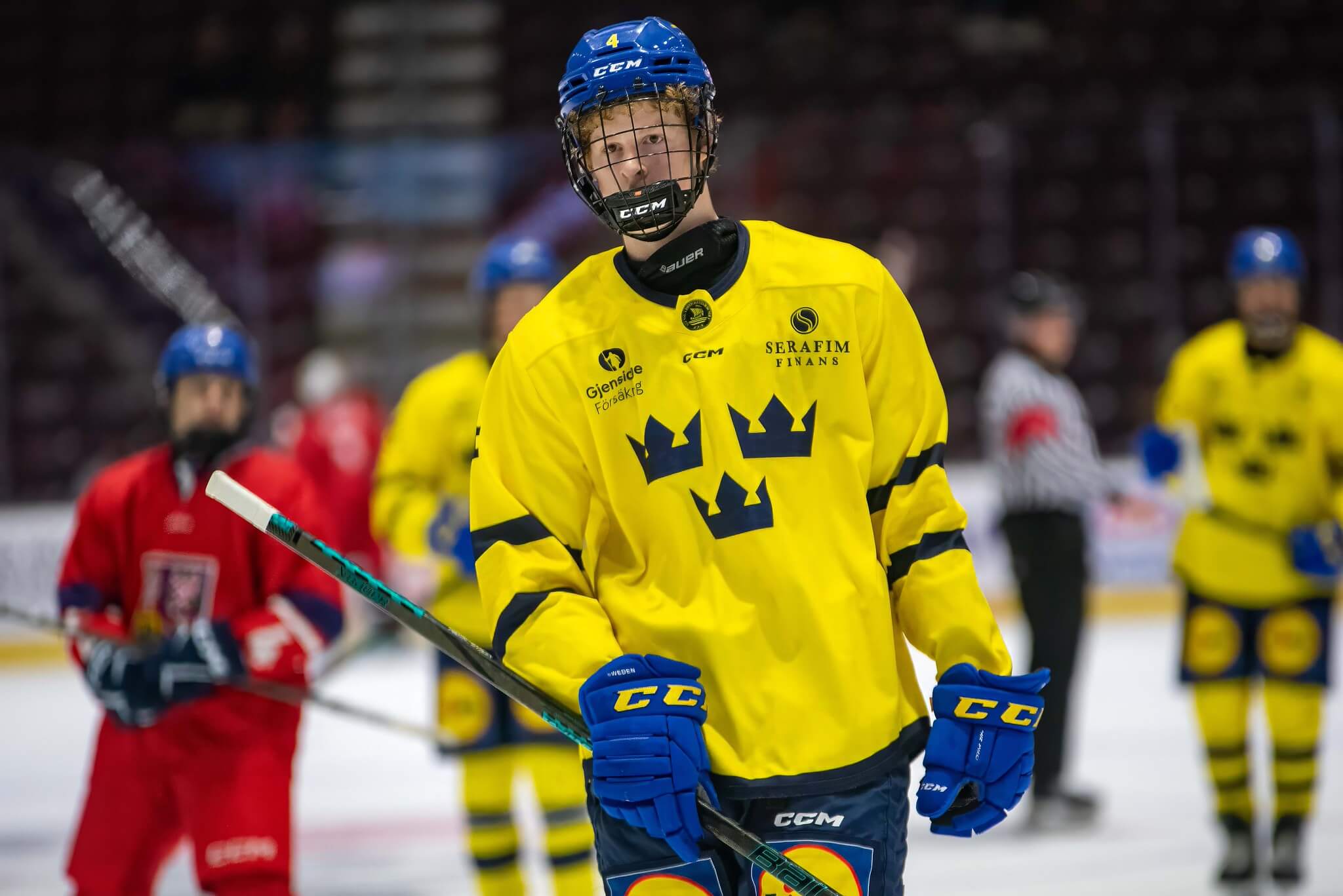
Villeneuve is a dynamic defenseman. He has excellent speed and edge work that allows him to evade a lot of pressure. His hands and vision are high-end, and he projects to score a ton in the NHL. He’s a small, light defenseman who doesn’t play the body, and his defense as a pro will be a significant question mark. His skating and skill combination is so good, though, that I think he will play in the league and run a first power play, but a coach may need to protect him at even strength.
Photo:
Blainville-Boisbriand Armada / QMJHL
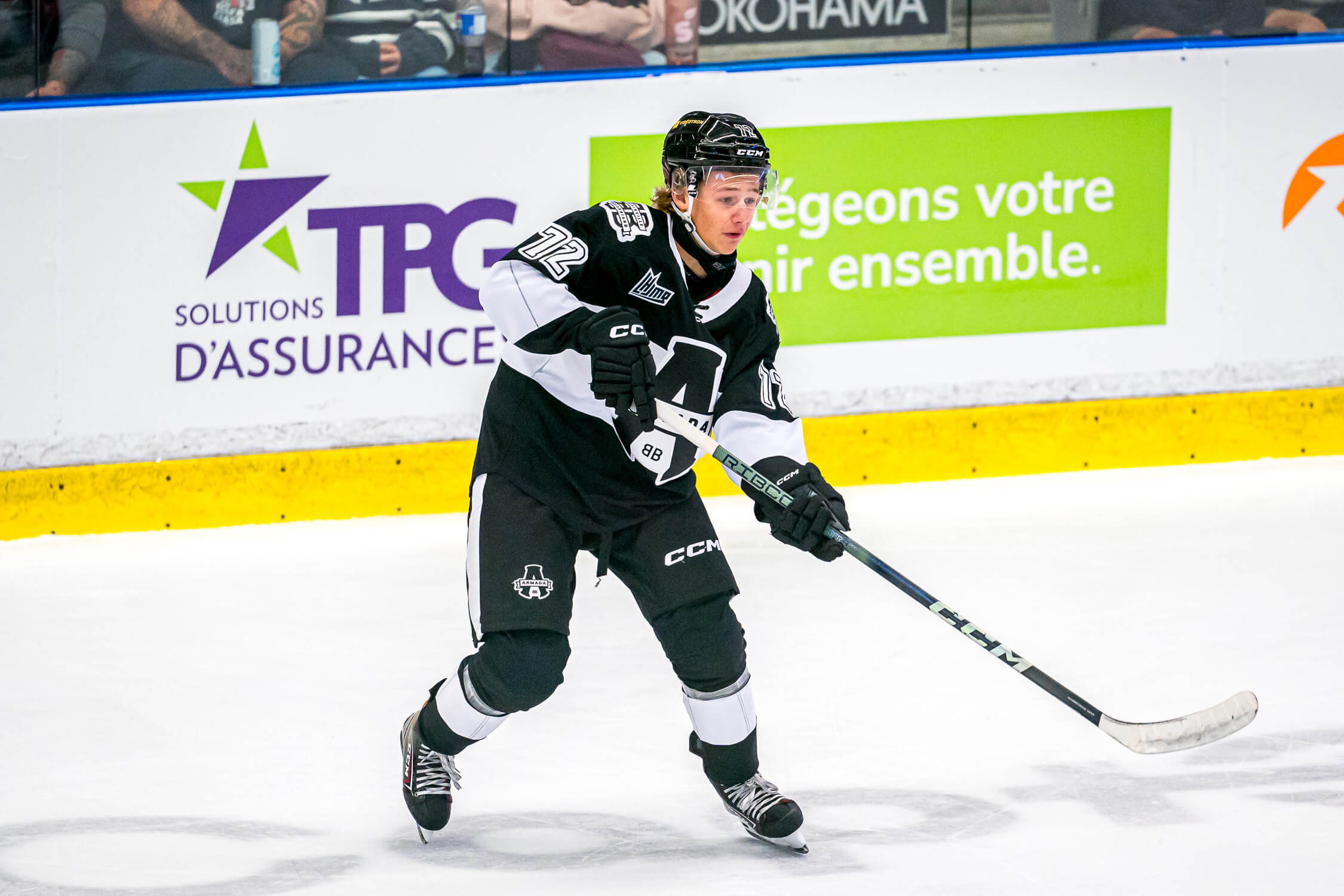
Lin is a very smart defenseman. He has the high-end vision and poise to run an NHL power play and makes difficult passes at both ends of the ice. He’s a smaller defenseman, but plays hard and wins a surprising amount of battles for his size. His skating is fine, but it’s an issue for his frame, and his defense at the next level will be a question. He projects as a No. 4/5 defenseman.
Photo:
Steven Ellis / Daily Faceoff
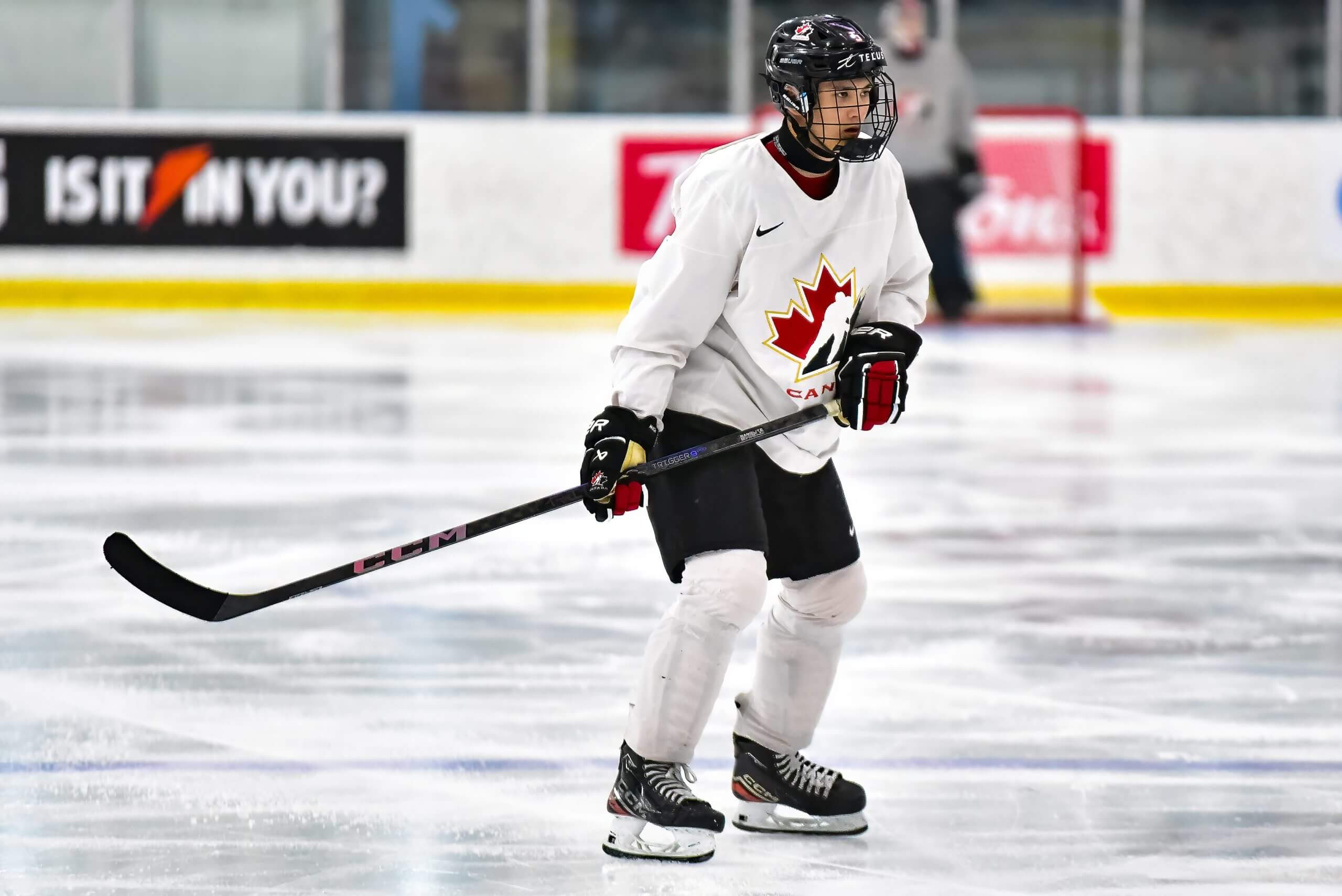
Hurlbert is a very skilled scoring winger. He’s very creative as a puck handler and passer while also having a good shot. With the puck, he looks like an NHL player, but his effort level and speed are average, and he can be pushed to the outside too easily. He projects as a middle-six winger who can help a team’s power play.
Photo:
Rena Laverty / USA Hockey’s NTDP
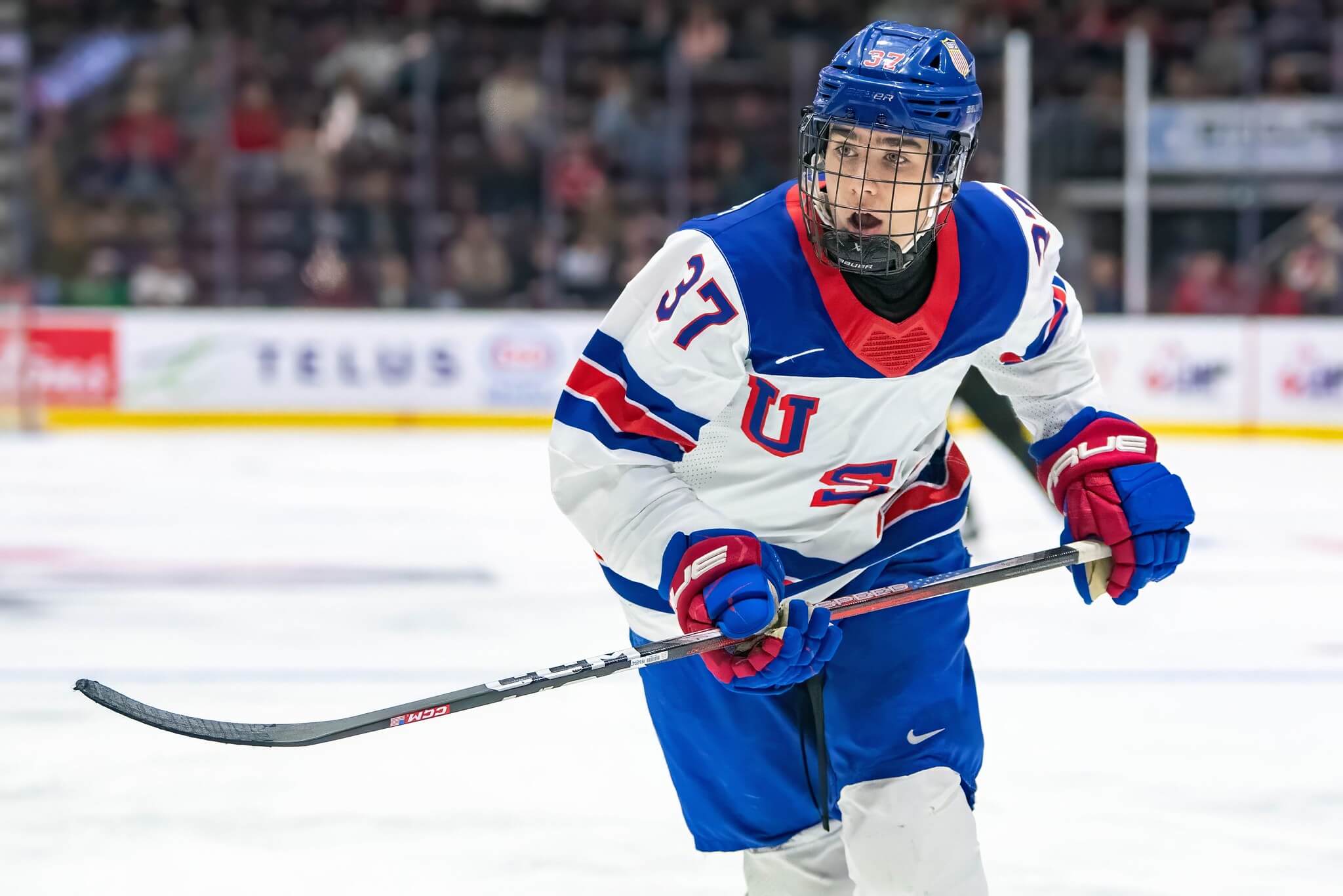
Aaram-Olsen is one of the best pure goal scorers in the draft class and has been a prolific scorer at the junior level. NAO is often a threat to score from the faceoff dot, and with his strong hands and vision, he’s great on the power play. He’s a good skater, too, who has the tools to transition pucks at even strength. His compete level is OK. He shows up and works, but he’s not overly hard to play against, and like a lot of shooters plays a bit too much on the perimeter. He’s athletic enough that even if he’s not overly hard enough with his skill, he can eventually find a spot in an NHL lineup.
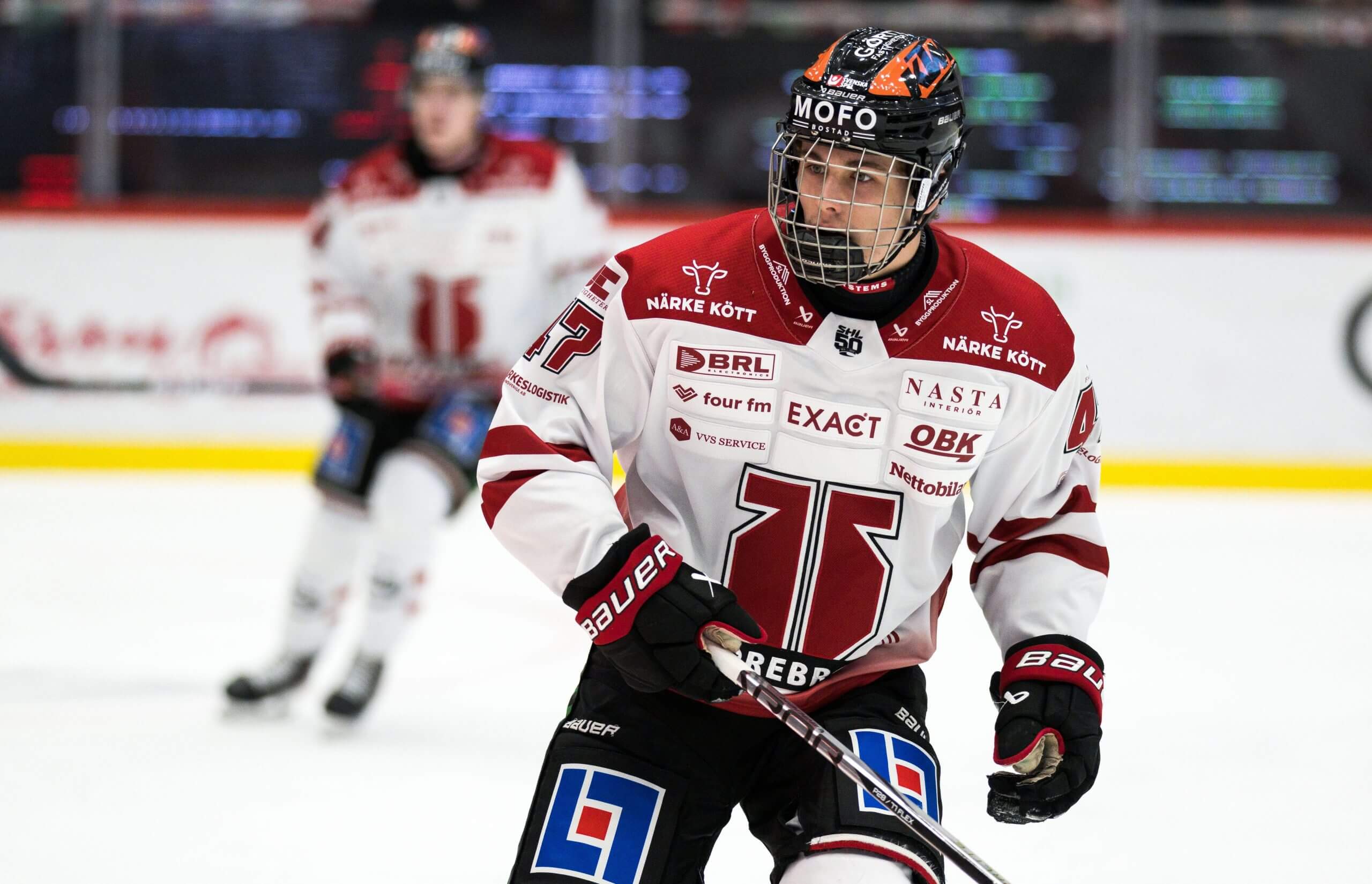
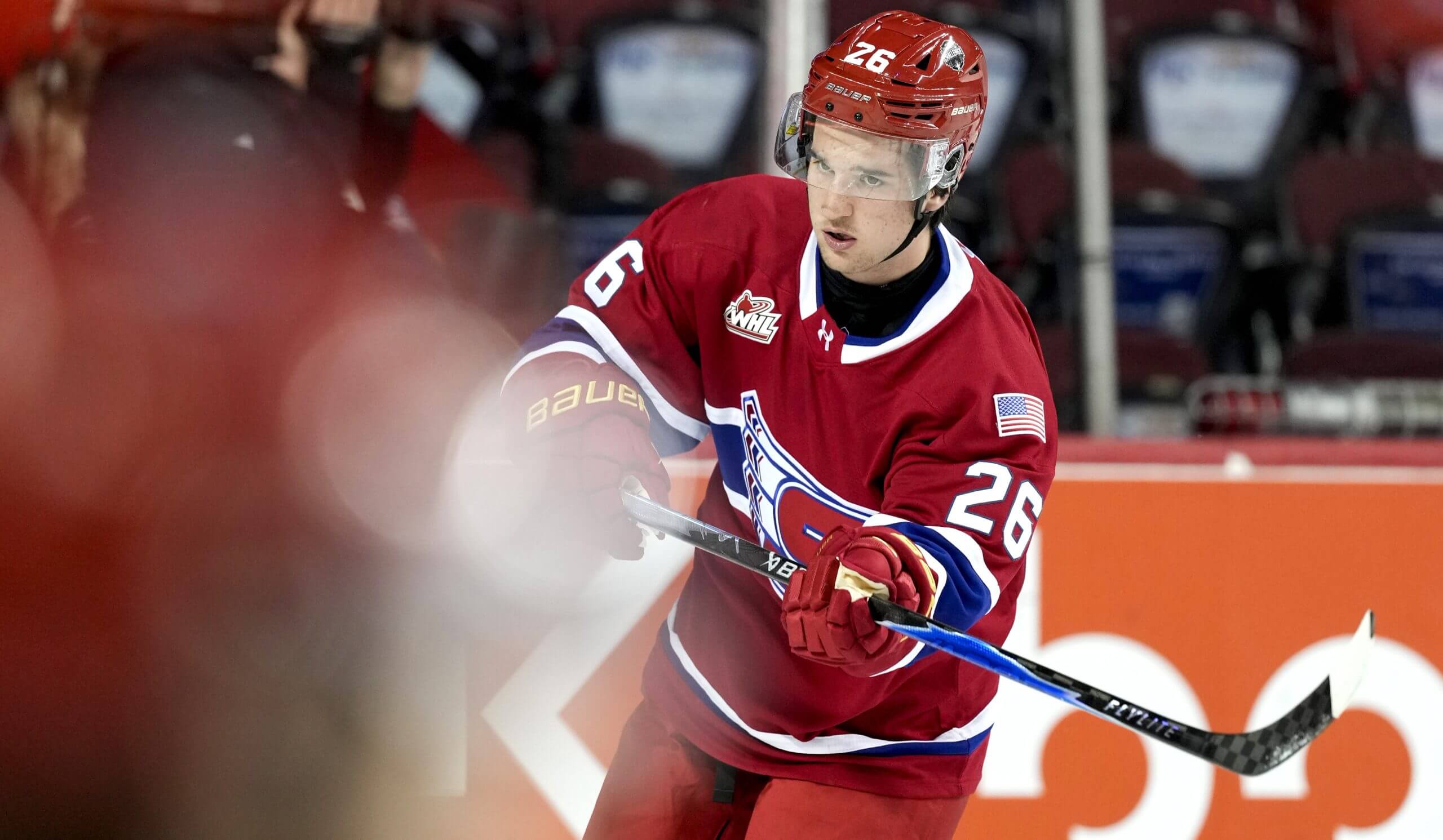
Harrington is a talented winger with NHL-caliber feet and hands. He shows flashes of high-end skill, but it’s not consistent in his game. Harrington, as a draft-minus-one, looked more like a pure skill type, but this season embraced a physical and agitating part of his game that, when combined with decent playmaking skills, could make him a useful middle-six winger.
Photo:
Leah Hennel / Getty Images
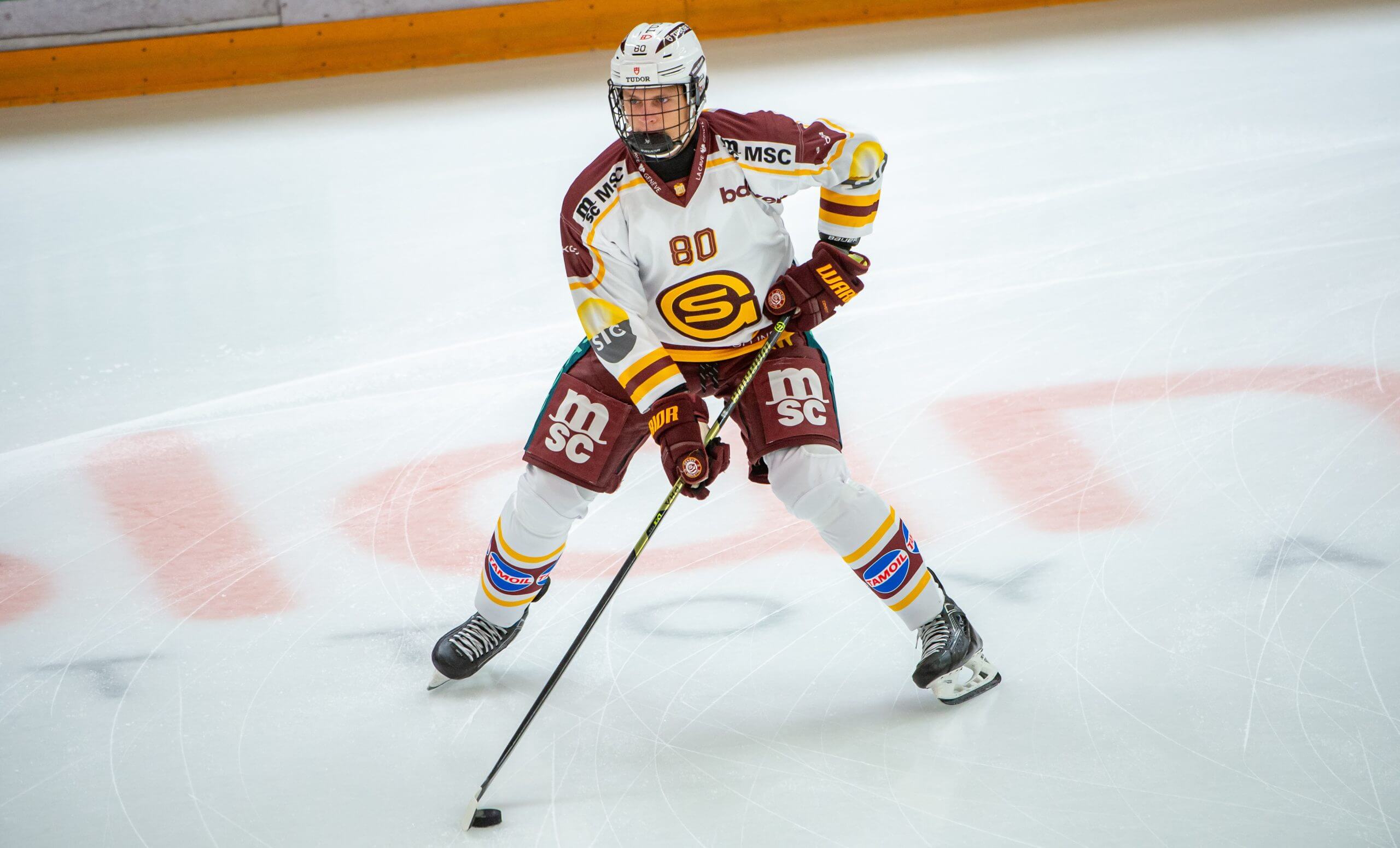
A U.S.-born player of Lithuanian descent who has played for their senior national team and at the pro level in Switzerland, Ignatavicius is a legit NHL prospect. He’s a tall, fast winger with very good hands who projects to play and create chances at an NHL pace. His vision is fine, and he’s not overly physical. His compete level is a minor issue on his projection, but the toolkit is so good that he could still be a middle-six winger.
Photo:
Robert Hradil / Getty Images
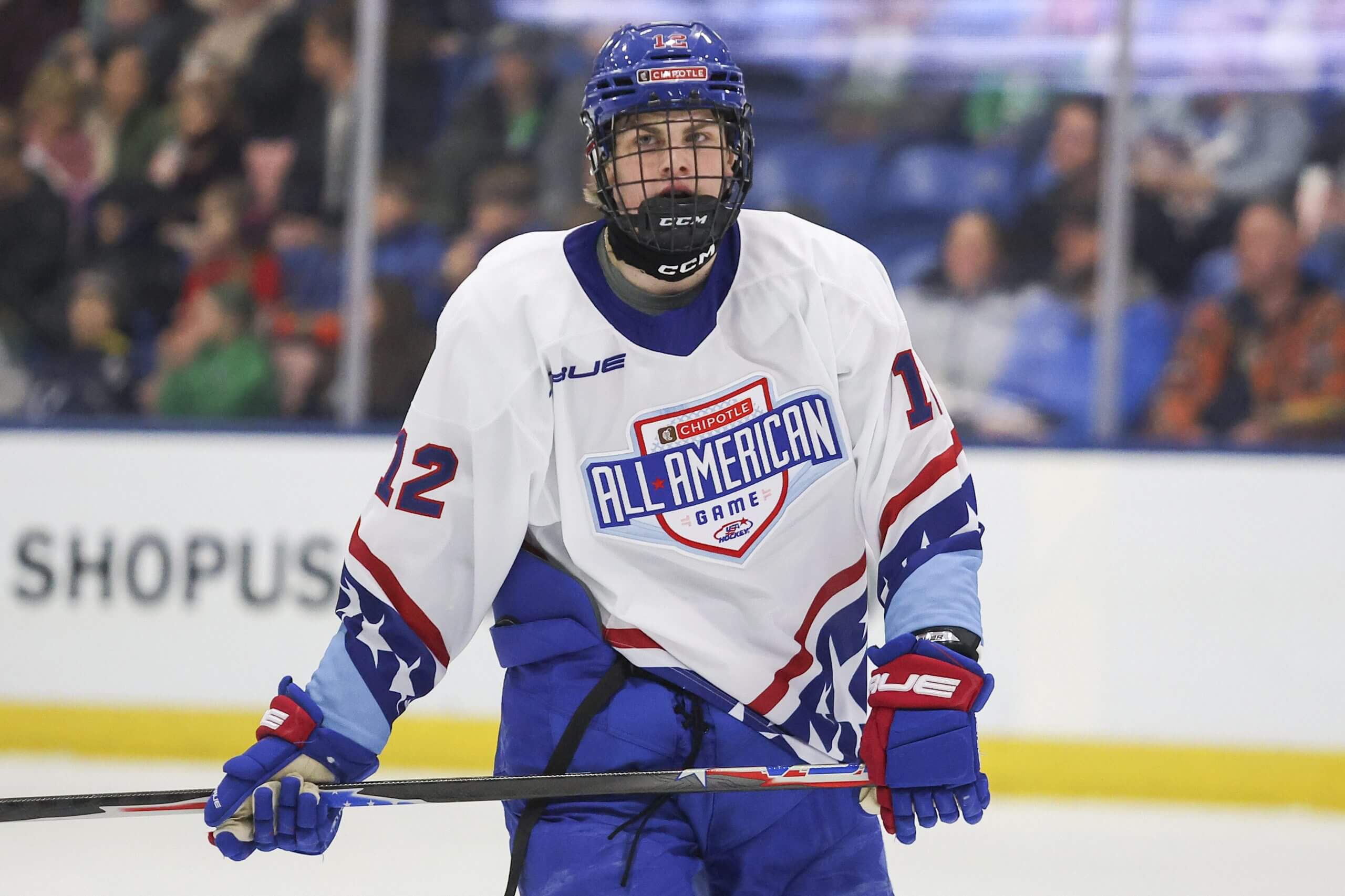
Mutryn is a hardworking, physical 6-foot-3 winger. He’s a good skater who can play at an NHL tempo and carry pucks up ice competently at the top level. His offensive game has developed more than expected. He has some puck skills and scoring touch. His pure playmaking won’t inspire, and he can play with his head down, but he sees the ice well enough and creates offense. He projects as a valuable middle-six winger that coaches can use in a bunch of situations.
Photo:
Michael Miller / Getty Images
Trejbal checks a lot of the boxes you want in an NHL goalie. He has size, quickness, technical skill and strong hockey sense. He’s efficient moving in the net and makes a lot of good reads, showing a smooth poise to his game. He can make difficult lateral saves, although that isn’t the strength of his game. He projects as a tandem goalie in the NHL.
Photo:
Michael Miller / Getty Images
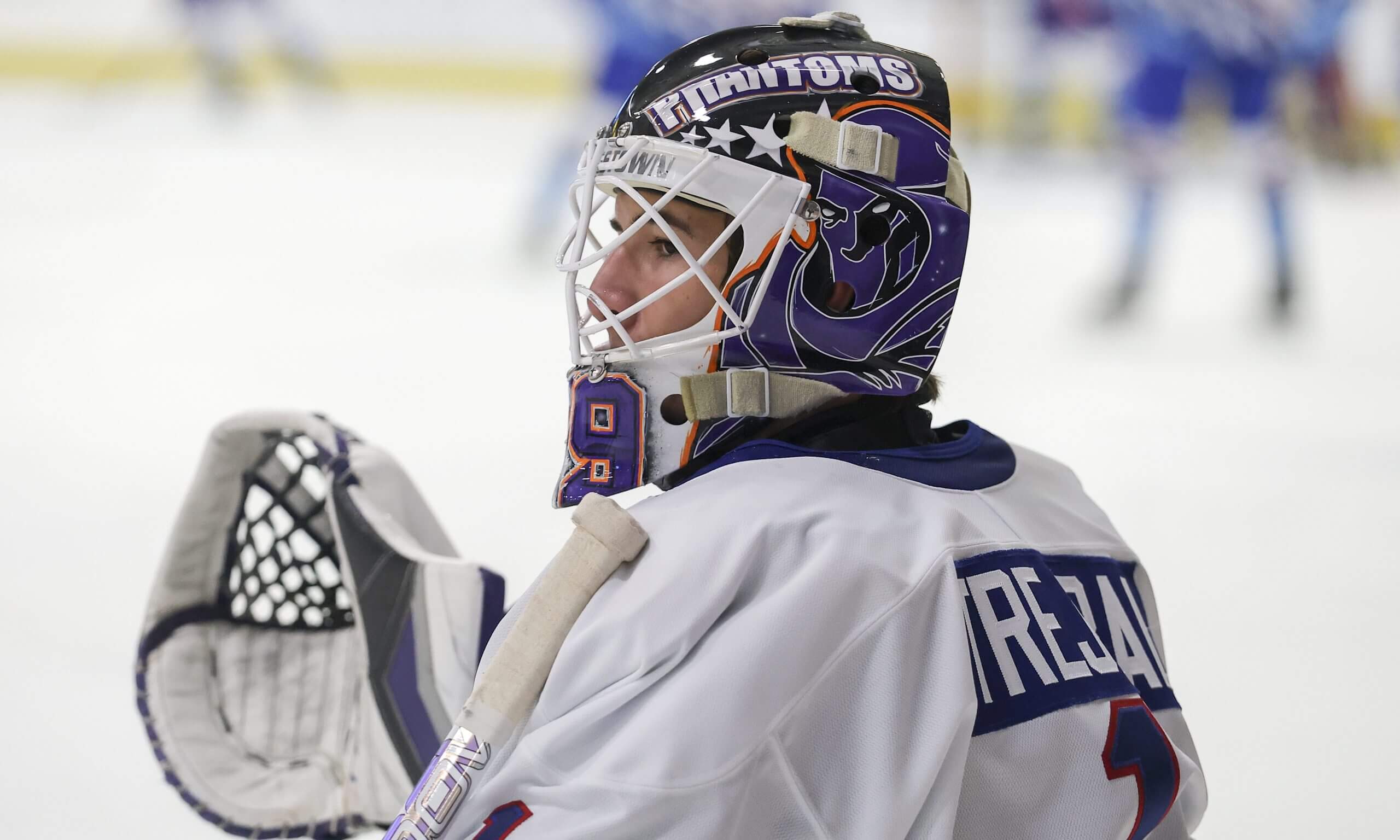
Shilov is a highly creative center with the vision to run an NHL power-play unit. He’s a good skater who can drive play with his speed and skill. His effort level is a minor question. He shies away from contact, but Shilov gets to the inside often enough that it shouldn’t be a major issue in the NHL, although he may be more of a winger than a center.
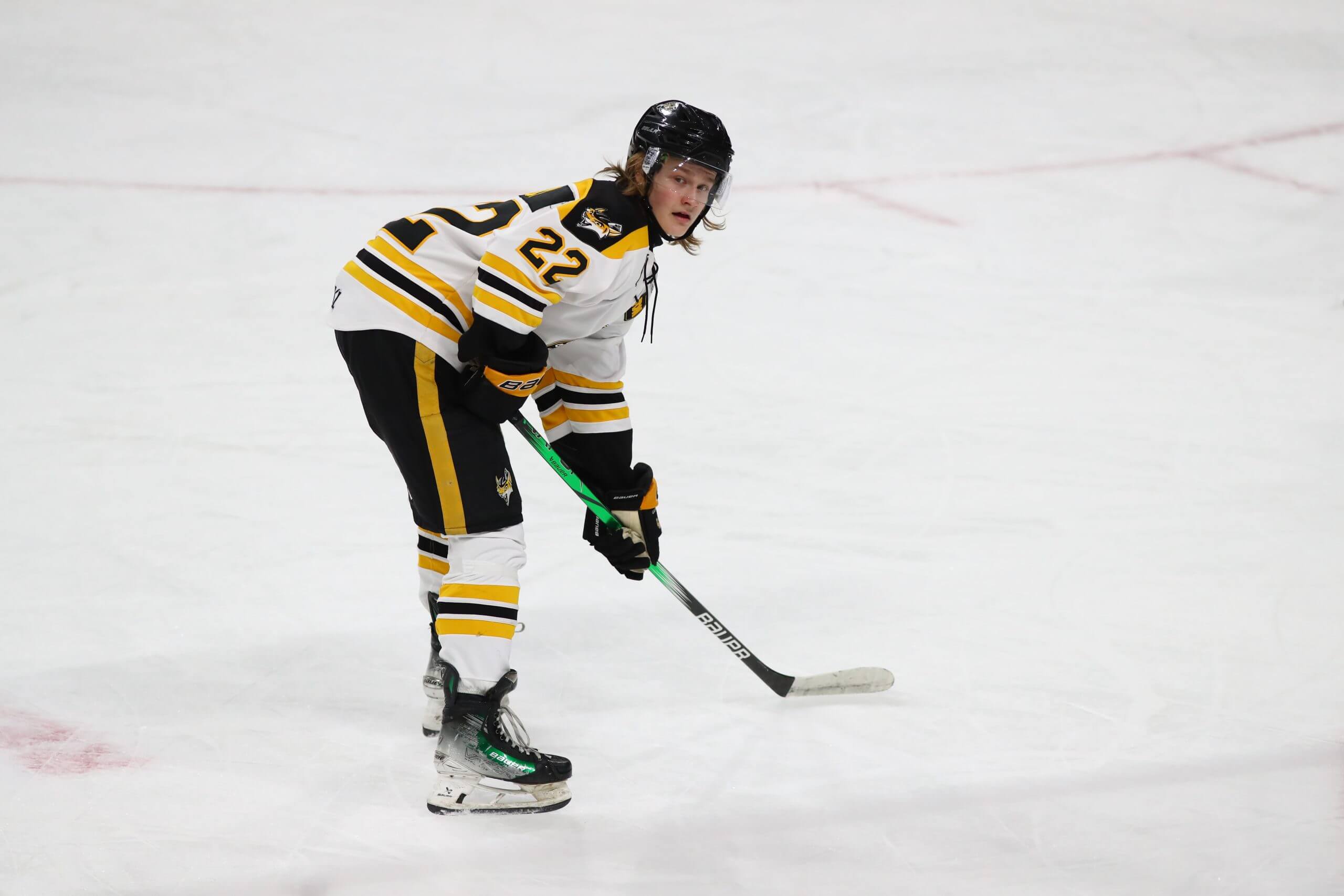
Klepov is a highly skilled and intelligent winger. He has the ability to run a pro power play and make difficult plays consistently at the next level. He’s a solid skater who can generate chances with pace. His effort level is fine, although he’s not that physically imposing and can be pushed to the outside. He projects as a middle-six scoring winger.
Photo:
Emma Miller / Saginaw Spirit
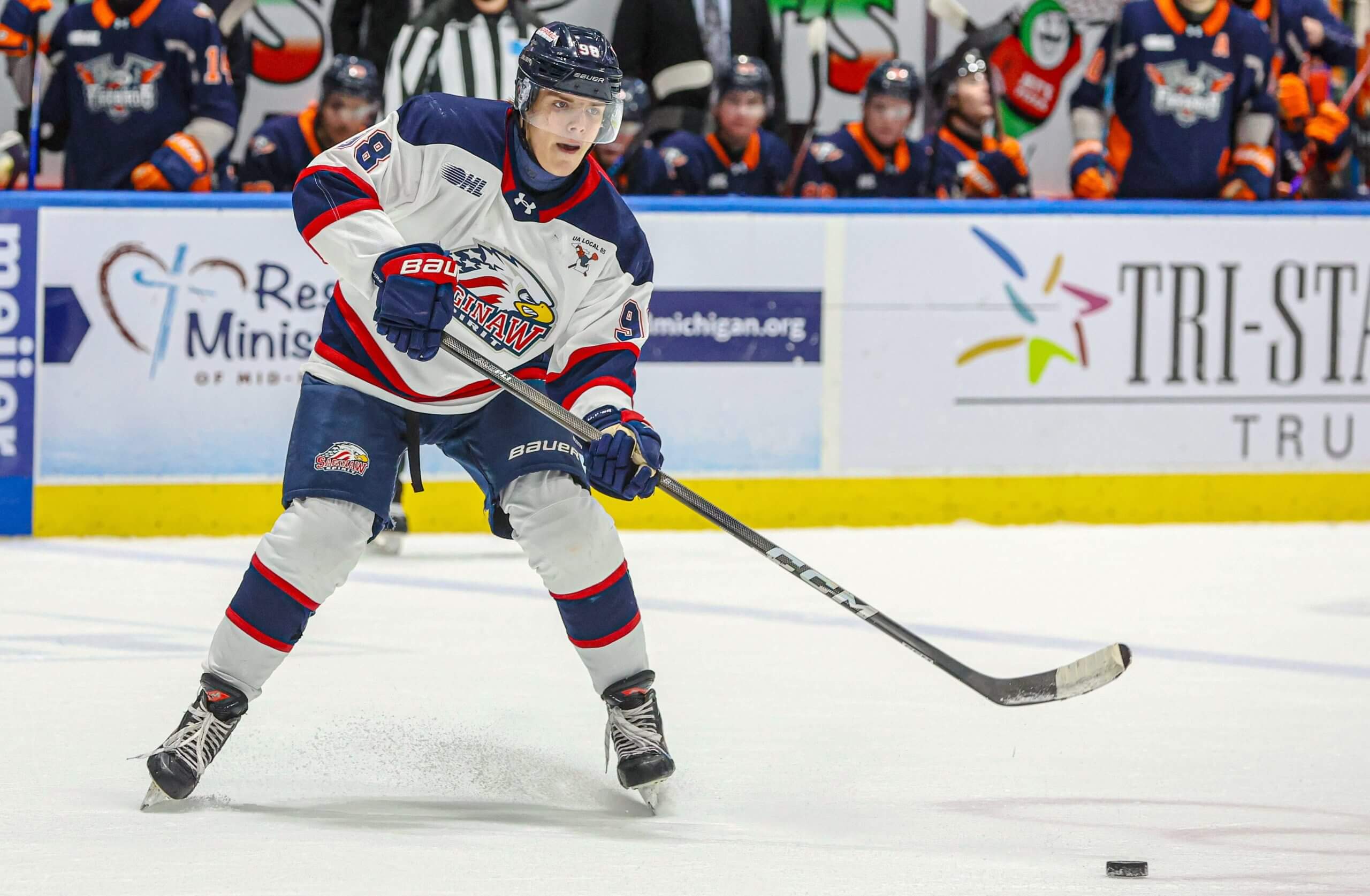
Roobroeck is a very toolsy winger. He skates and handles the puck quite well, especially for a tall forward. On his best shifts, he looks like a potential top offensive threat in the NHL with his touch, feet and shot. Despite his frame, he doesn’t play hard, and the consistency in his effort level is a question. He has all the tools to be a scoring winger in the NHL but he will need to show up a lot more often.
Photo:
Brandon Taylor / OHL Images
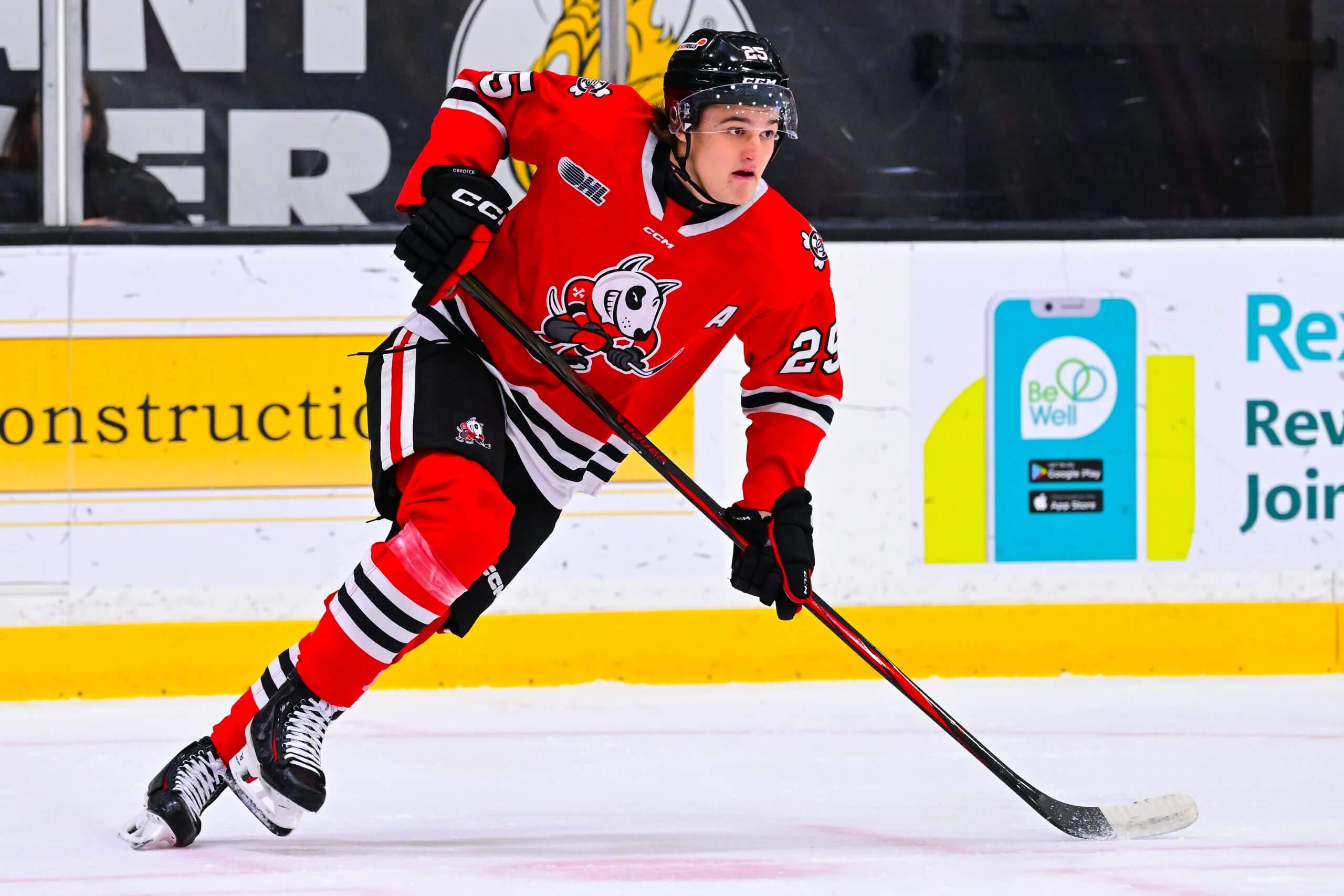
Hakansson is a huge defenseman who skates quite well for his size. He competes hard, plays the body and can kill a lot of plays. His puck play and offense will be an issue for teams, but he has OK hands and can make a reliable first pass. He’s an unspectacular player, but his compete level is so good that he projects as a regular NHL defenseman.
Photo:
Petter Arvidson / Sipa via AP Images
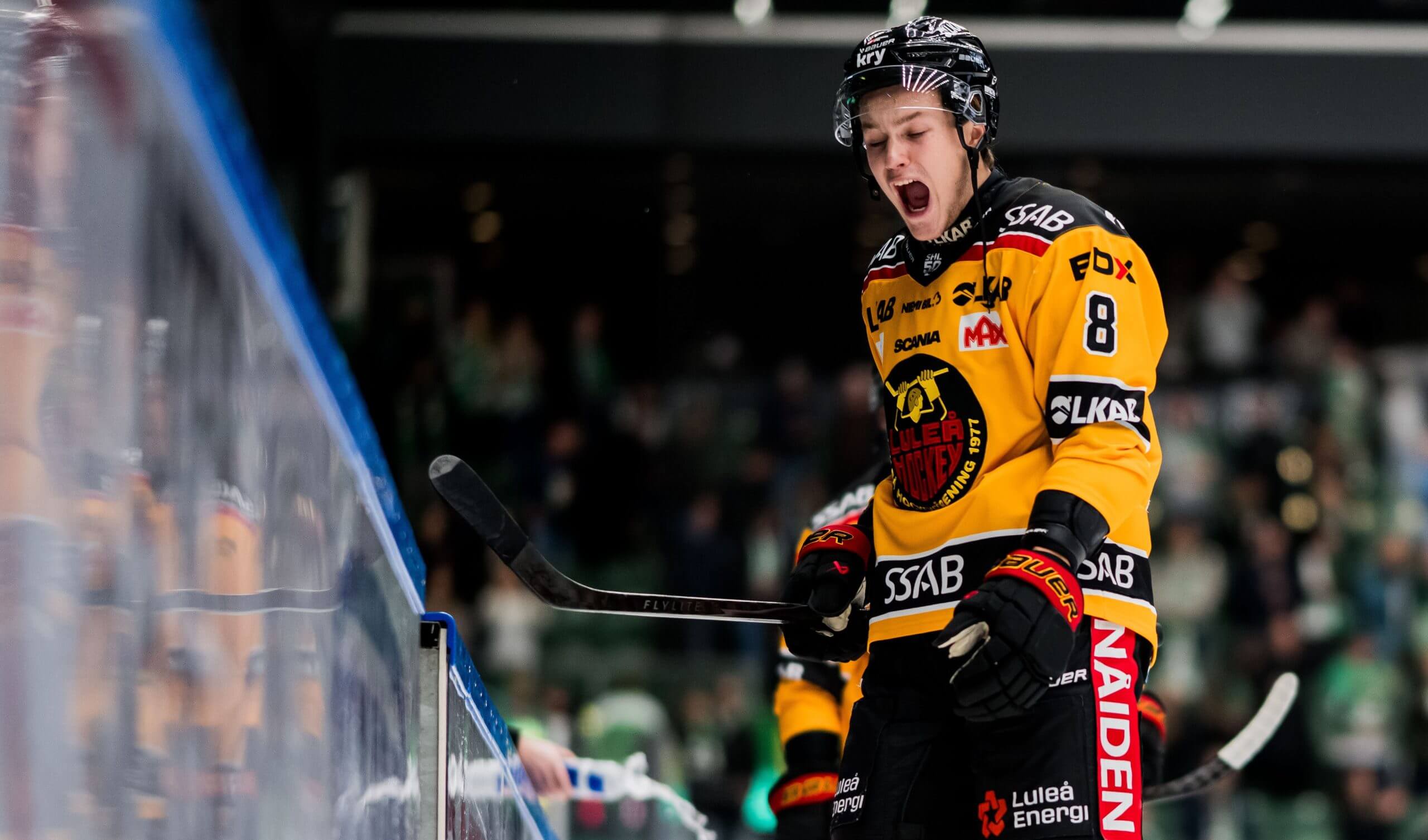
Dagenais has all the aesthetic tools. He’s a nearly 6-foot-4 center who moves well for his size, has legit offensive skills and a high-end shot from range. Dagenais is a physical player who leans on opponents with his big body. Despite that element in his game, he plays on the outside too much like a lot of shooters, and can be an inconsistent player offensively. He projects as a third-line forward, potentially down the middle.
Photo:
Dale Preston / Getty Images
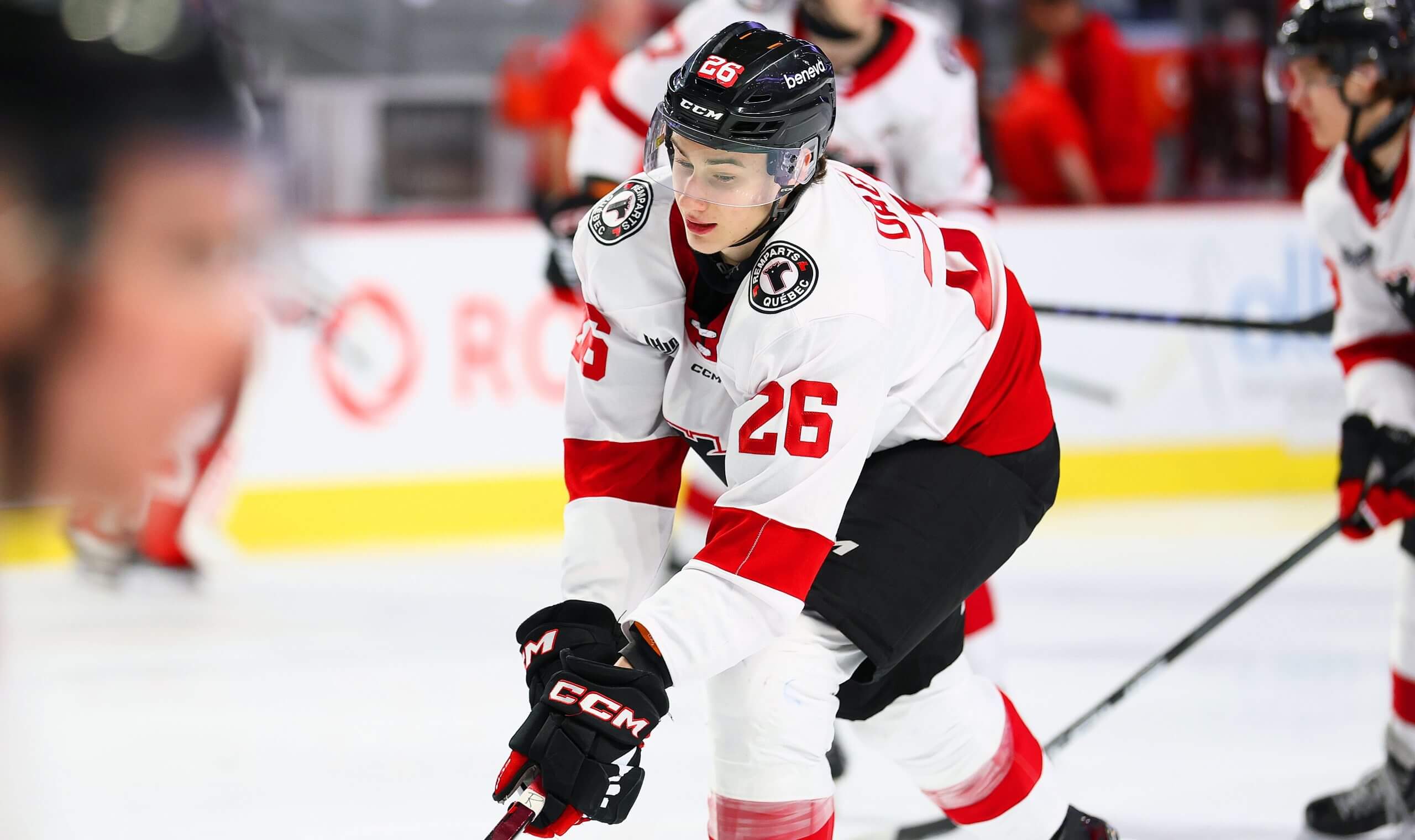
Elofsson is one of the most skilled defenders in this year’s class. He has great one-on-one skills and the ability to break down opponents. He’s a poised, highly intelligent passer who has the clear offensive touch to run power plays at higher levels. He’s quick and elusive as well. The downside of his game is defense. He’s a small defender who is not overly physical, and whether coaches will trust him in the NHL is a question. The projection is that he will have so much offense that it will balance out.
Photo:
Steven Ellis / Daily Faceoff
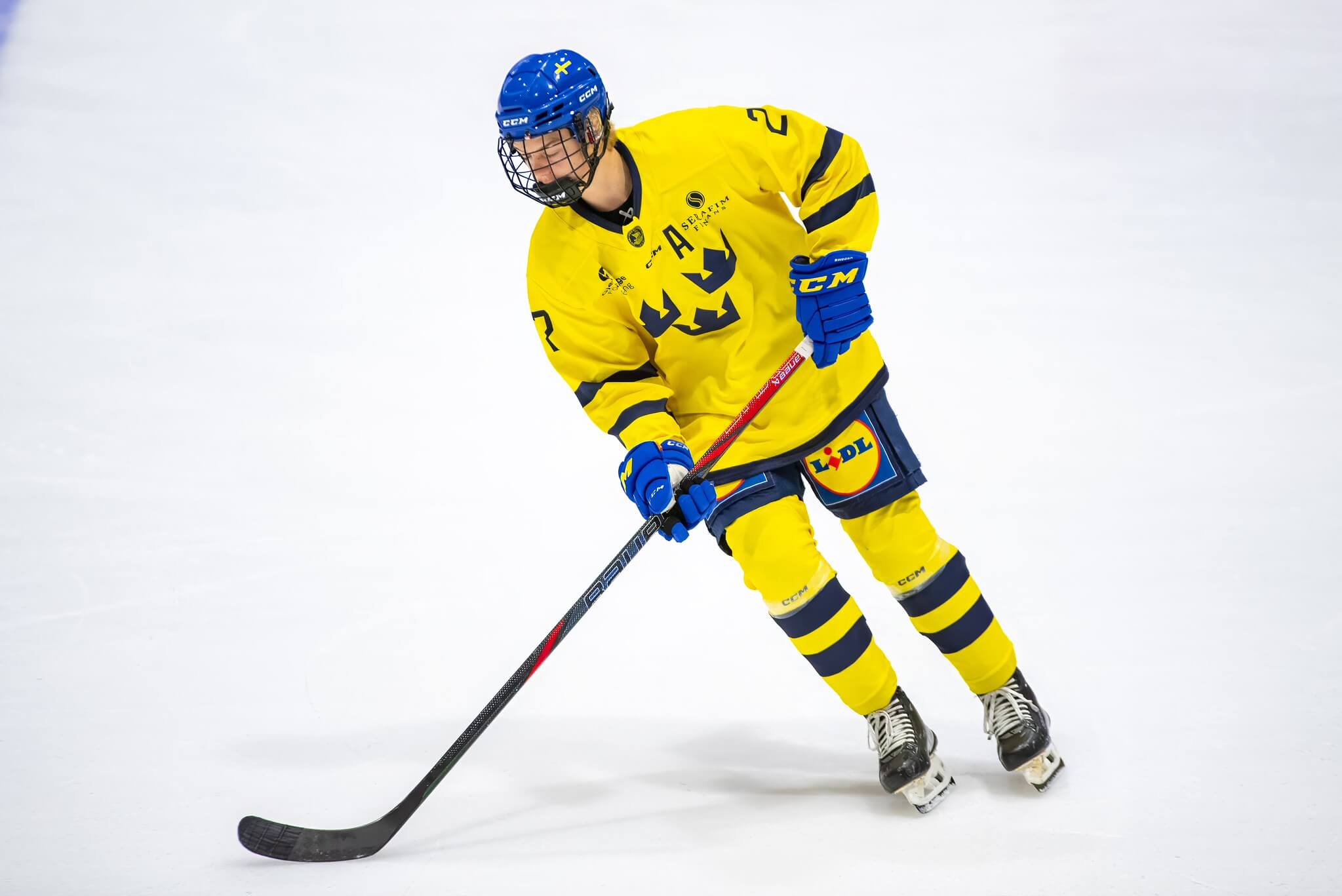
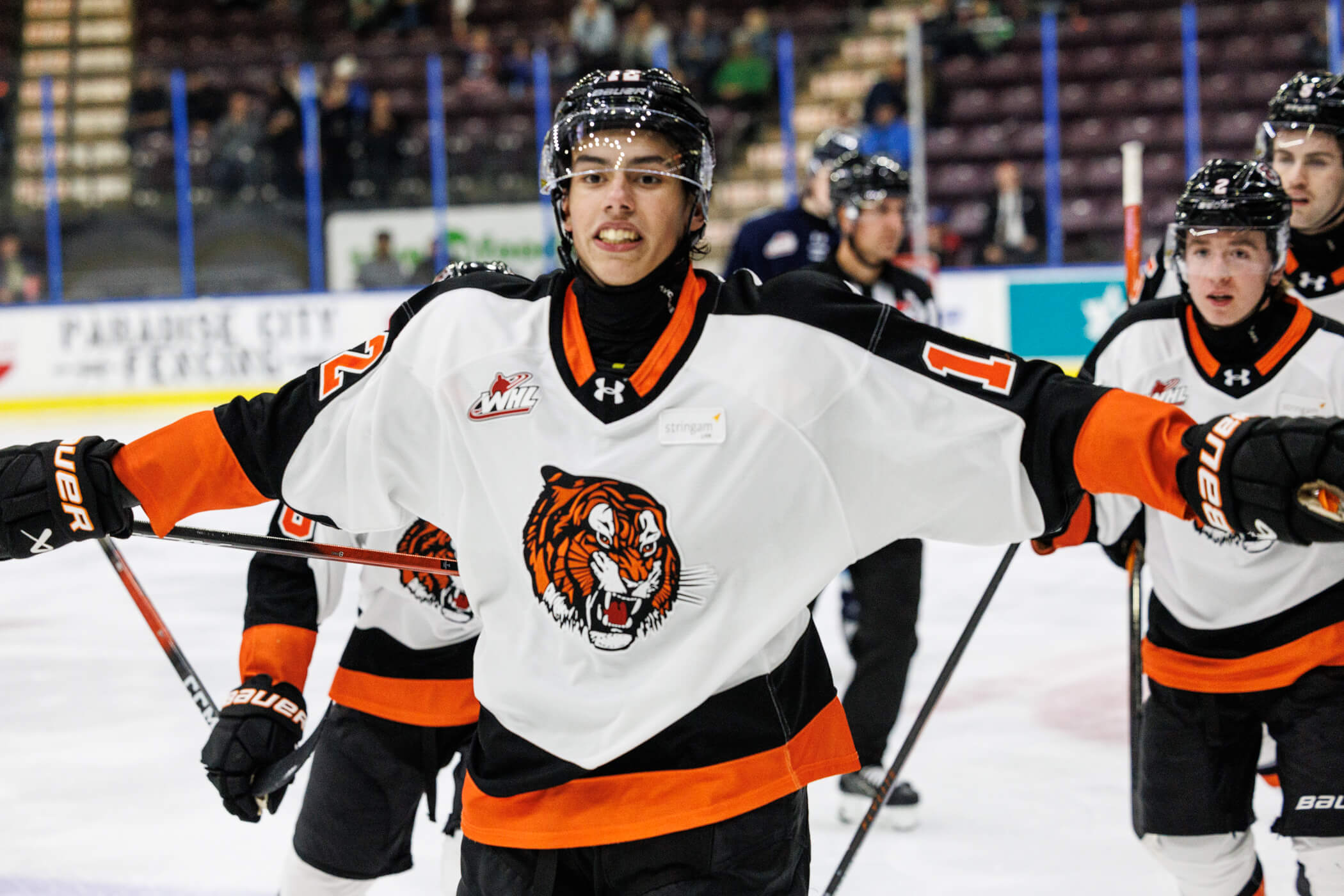
Ruck is a dangerous scoring winger. He’s a very slick and intelligent player who creates a lot with the puck. His pure athletic tools don’t jump out: he’s not that big, and he’s a below-average skater. He does work hard, though, and gets to the hard areas to generate offense, earning his coach’s trust consistently. Ruck has a path to the league due to his great stick and brain.
Photo:
Cherie Morgan / WHL


Mar 10, 2026
Connections: Sports Edition
Spot the pattern. Connect the terms
Find the hidden link between sports terms
Play today’s puzzle