
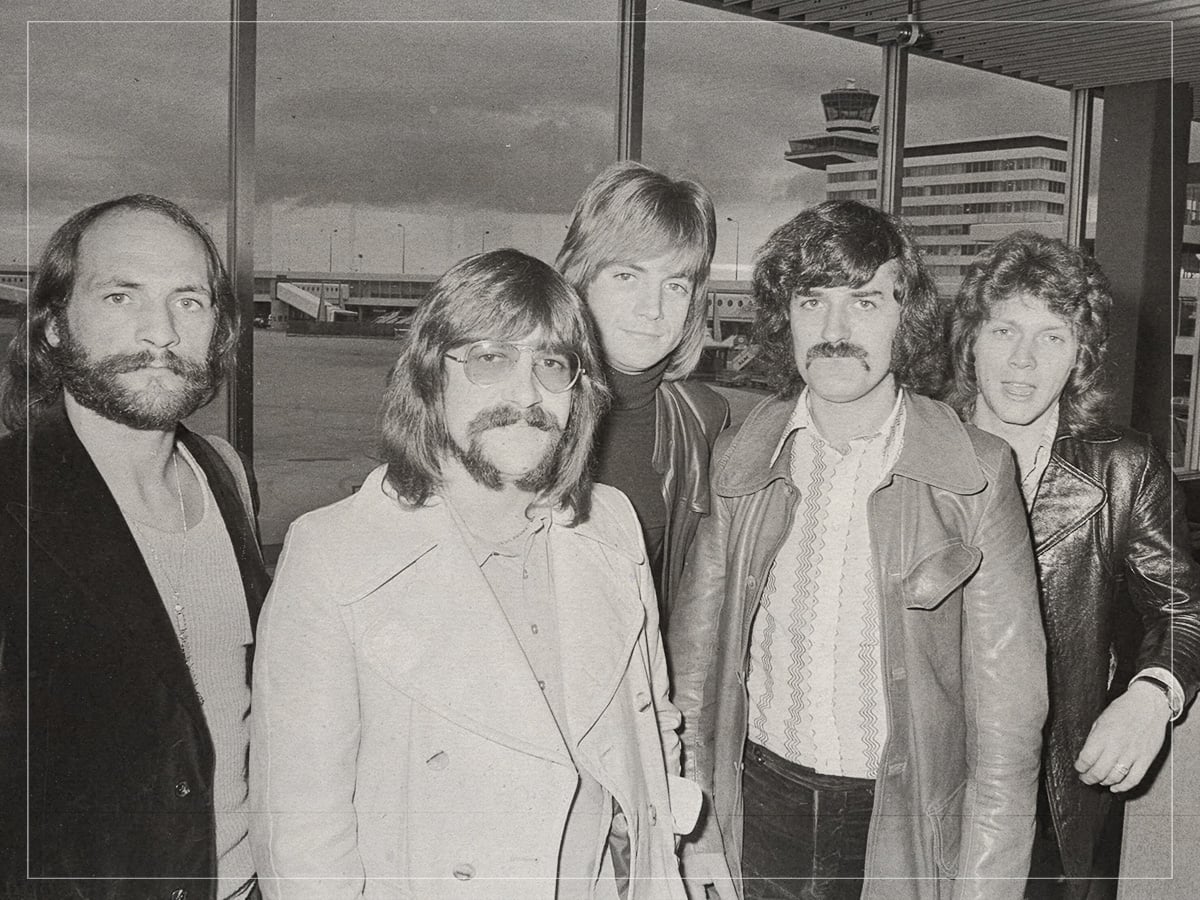
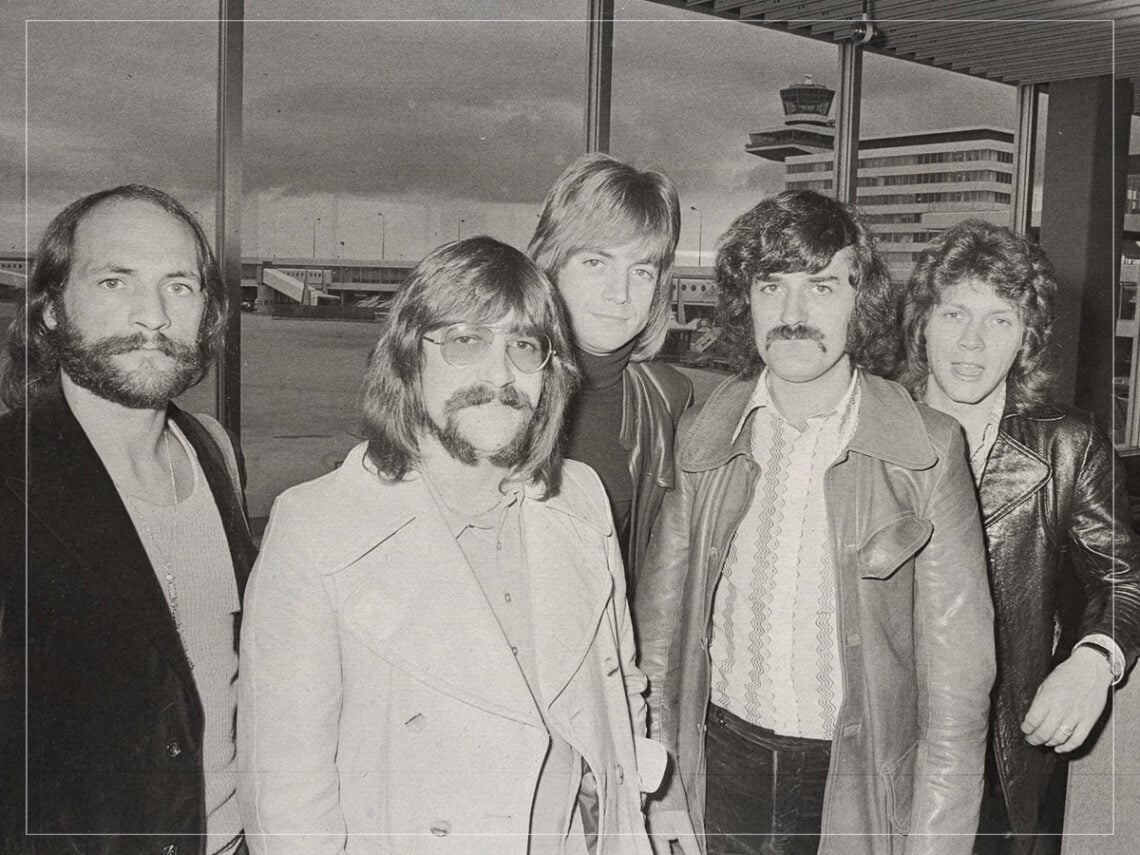
(Credits: Far Out / Nationaal Archief)
Wed 11 March 2026 22:00, UK
In the 1960s and ’70s, protests against the United States’ involvement in the Vietnam War escalated as the counterculture coincided with rising social consciousness, as left-wing politics, the civil rights movement and revolts against military states became increasingly common.
Where 1968 was a pivotal year in the rise of protests across the country, by 1970, the conflict was still ongoing, as Americans were faced with the threat of being drafted into a war that they vehemently opposed.
The Moody Blues’ guitarist, Justin Hayward, wrote their 1970 hit ‘Question’ in the midst of touring American colleges and universities, interacting with the students and learning about their adversity towards the draft. In the liner notes to ‘Question’s home album, 1970’s A Question of Balance, Hayward revealed that he wrote the song on the morning of a recording session, angered after watching news coverage of the war in Vietnam.
“It was to do with the fact that we’d achieved great success in the United States and we were playing a lot of student venues and colleges, and the student audience was our audience,” Hayward later explained to Songfacts. “We were mixing with these people and seeing how different the problems were for them and the issues in being a member of the greatest nation on earth: the United States. How different they were from British people.”
On ‘Question’, Hayward sings of “A world in persecution / That is burning in its greed,” beginning in a fast-paced tempo that mirrors the chaos of a life lived among turmoil. With the acknowledgement of, “Because the truth is hard to swallow / That’s what the war of love is for,” the song slows to an acoustic and orchestral-led reflection, as Hayward, for miracles, mourns love lost and contemplates the world around him.
“But in the grey of the morning / My mind becomes confused,” he sings, “Between the dead and the sleeping / And the road that I must choose.” What happens when we become desensitised to violence? How are people, particularly the youth of America, supposed to reckon with the loss of their innocence and being forced to make decisions that no young person should have to? In ‘Question’, Hayward searches for an answer.
“I was just expressing my frustration around that, around the problems of anti-war and things that really concerned them, and for their own future that they may be conscripted, or whatever you call it… Drafted,” he explained. “How that would morally be a dilemma for them and that kind of stuff. So it did really come out of that. And my own particular anger at what was happening.”
Harnessing that particular empathy in his songwriting, Hayward captures the disillusion that surely many American students and young people were feeling, living in a country that was perpetuating brutality while the possibility of being drafted loomed, and having only their voices to tangibly do something to combat it. Years of protests had raised awareness, but the war was still ongoing, and, at the time, it seemed that there was no end in sight.
“After a decade of peace and love, it still seemed we hadn’t made a difference in 1970,” Hayward noted. “I suppose that was the theme of the song. And then the slow part of the song is really a reflection of that and not feeling defeated, but almost a quiet reflection of it, and mixing with a bit of a love song, as well.”
‘Question’ remains resonant across generations, as Hayward captured the enduring conflict of living in the midst of ongoing cruelty. “Whatever time you’re in, people are experiencing those emotions,” he asserted. “And I find that people identify with it at any age.”