
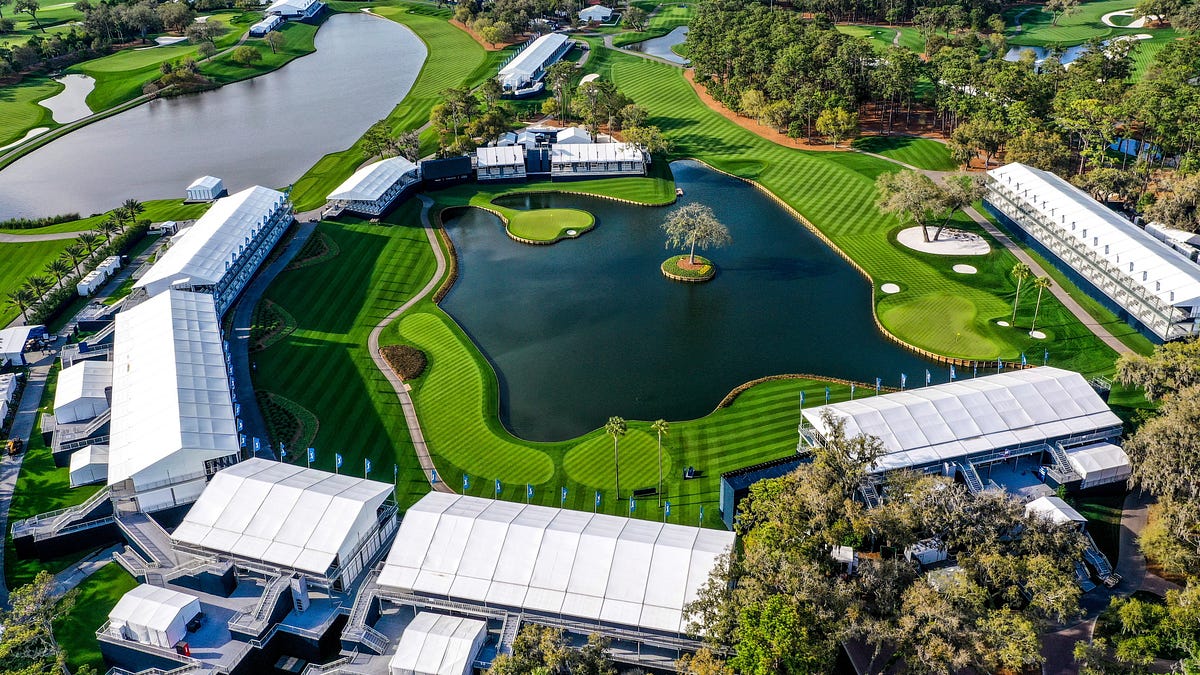
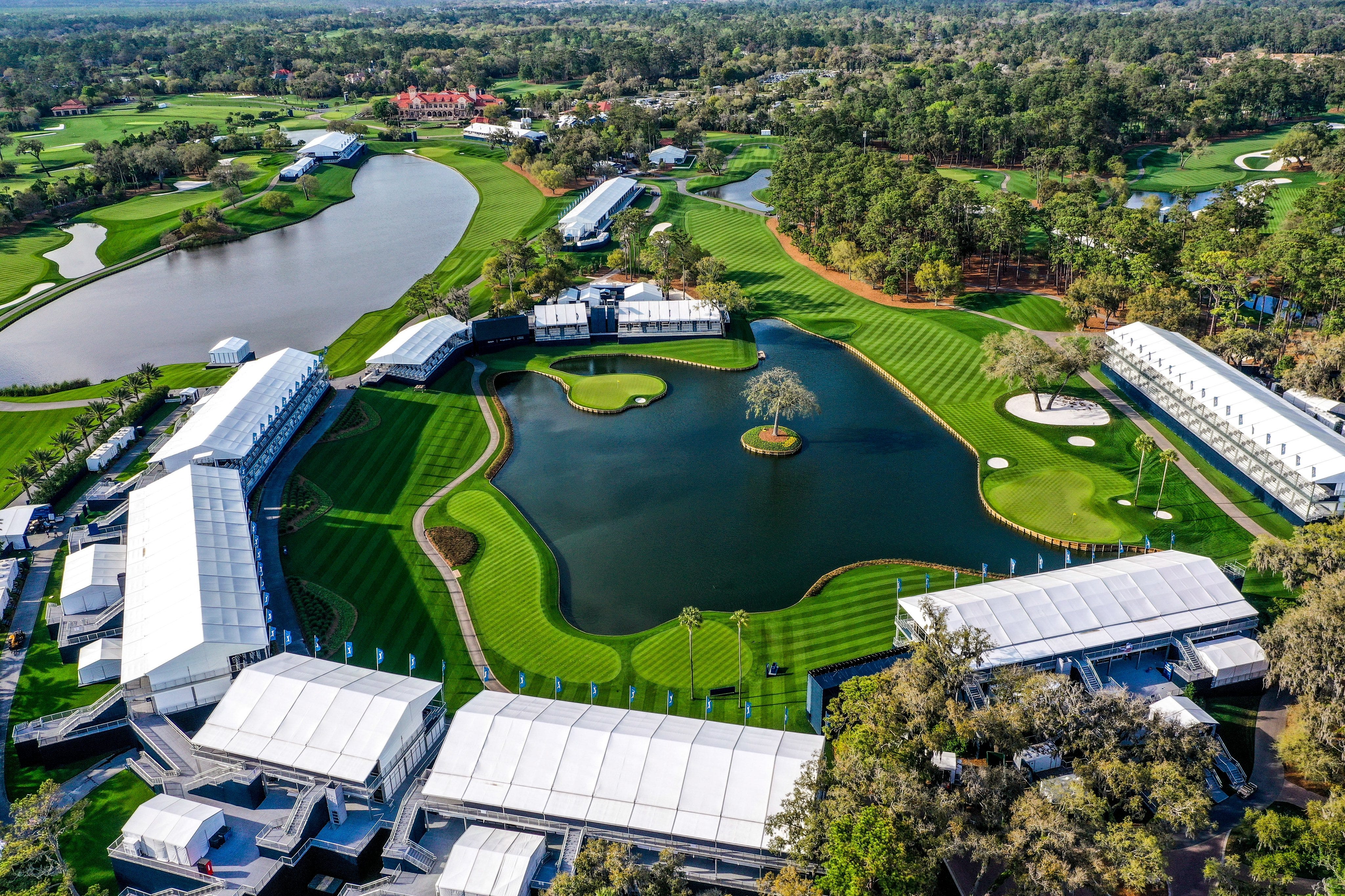
 (TPC Sawgrass via TPC Sawgrass/X)
In 1979, former PGA Tour Commissioner Deane Beman purchased 415 acres of Florida swampland for just $1. With thousands of trees, alligators, and bobcats occupying the swamp-infested land, everyone thought Beman was crazy. But Beman wasn’t crazy; he had a vision to transform the PGA Tour’s business model.
You see, back in the day, nearly all of the PGA Tour’s best events were played at private courses. That made them untouchable to the average fan. And considering that the PGA Tour also didn’t control any of the sport’s five biggest events — The Masters, PGA Championship, U.S. Open, Open Championship, and Ryder Cup — the organization was almost entirely reliant on tournament management fees, otherwise known as the fee an organization or nonprofit pays to host an event.
So, as a solution to this problem, Beman set out to build a public course that was owned and operated by the PGA Tour. The idea was simple: In addition to serving as a de facto headquarters for the organization, owning a high-end public course would enable the PGA Tour to diversify its revenue streams (via greens fees) while also having the venue host its flagship tournament, The Players Championship.
If you haven’t already made the connection, the 415 acres of Florida swampland initially acquired by the PGA Tour in 1979 is now known as TPC Sawgrass.
Designed by legendary architect Pete Dye, the Stadium Course at TPC Sawgrass is consistently ranked as one of the country’s nicest public golf courses, with greens fees ranging from $550-$750 per round depending on the season. And as host to the PGA Tour’s Players Championship, unofficially known as golf’s fifth major, TPC Sawgrass will welcome about 200,000 fans this week, setting new records across the board last year — ticket sales, merchandise, and concessions.
But that’s the type of information you can get anywhere. The real genius behind Beman’s vision is that the PGA Tour has turned TPC Sawgrass into a network of golf courses that collectively generate more than $150 million in annual revenue.
Not to mention, buying the land that eventually became TPC Sawgrass for less than a penny per acre worked out for everyone, as its previous owners leveraged the PGA Tour as an anchor to increase the value of their surrounding real estate.