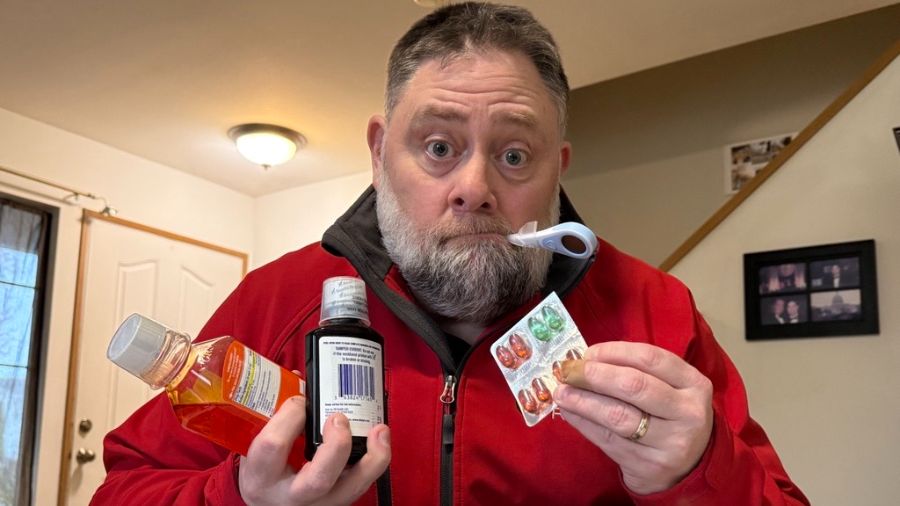
This is a chokepoint, for real. People are literally choking from all the coughing and sneezing, but it’s not COVID-19 or the flu. It’s the crud.
The crud started making the rounds in the KIRO Newsradio newsroom the second week of January. I picked it up around January 14. Sore throat. Medium cough. Fatigue. The typical cold kinda stuff. Over-the-counter meds worked for a while. I took a day off from work and slept for 17 hours. I thought I had kicked it. Three weeks later, and I still have one of the deepest and driest coughs of my life. It hit my family, too.
I wrote the previous paragraph on February 2.
This cold and a deep cough lasted until March, and there is still coughing, sniffling, and sore throats from others in the newsroom.
I know I am not alone in this. I went to a walk-in clinic a month ago.
“It’s going around,” the doctor said.
But it’s not COVID-19. Not the flu. I tested. Not pneumonia, though the doctor asked if I wanted a chest X-ray. When I asked how long this deep cough could last, he said maybe a few more weeks.
He was right. A total of seven weeks for me.
University of Washington doctor explains mysterious crud
I asked Dr. Ralph Tayyar from the University of Washington about the crud.
“I’ve been hearing a lot about this everlasting crud, but what people call the crud is usually not a specific illness,” he said. “It’s a group of common respiratory viruses.”
There are more than 200 common cold viruses out there. They usually last a week to 10 days, but Tayyar said they irritate the linings of our noses, our throats, and our lungs.
“I think what people are really feeling from that lasting effect is not the virus by itself, the virus and viral infection lasts only for a week, but the inflammation in the airways is what lasts much longer,” he said.
The viruses can stack on top of each other, and the inflammation lingers.
“You finish one virus, and then you get another virus on top, so it feels kind of everlasting,” Tayyar said.
Two months. That’s how long the crud can last, and the common cold viruses might stick around until April or May this year.
You can treat it with over-the-counter medication and rest.
“You wash your hands frequently and avoid touching your face, and if you’re sick, stay home,” Tayyar said.
I asked Tayyar when you should start worrying that it might be something else, like flu, COVID-19, or pneumonia.
“People should seek medical attention if they take on a higher fever, have shortness of breath or chest pains, or when they get worse after getting better,” he said.
The fever is the key. That’s the trigger to get in to see someone.
Tayyar said the cold doesn’t appear to be any worse than normal this year. It’s just annoying and will go away with time.
And let me apologize to everyone in the newsroom. I had this for seven weeks and only took one day off. I likely made everyone else sick.
Chris Sullivan is a traffic reporter for KIRO Newsradio. Read more of his stories here. Follow KIRO Newsradio traffic on X.
Follow @https://twitter.com/newsguysully